
Johnson-Su Bioreactor Composting: Benefits for Microbial Life in Soil
For gardeners and farmers striving for superior soil health and increased plant resilience, traditional composting methods sometimes fall short in fostering a truly diverse and abundant microbial community. This is where the Johnson-Su bioreactor composting: benefits for microbial life in soil comes into its own. This innovative, low-maintenance composting system specifically aims to cultivate a rich ecosystem of beneficial microorganisms, which are the unsung heroes of fertile soil and robust plant growth.
What Exactly is a Johnson-Su Bioreactor?
The Johnson-Su bioreactor is a unique, passively aerated composting system developed by Dr. David Johnson and his wife, Dr. Hui-Chun Su, at New Mexico State University. Unlike conventional compost piles that require frequent turning, the bioreactor is designed to be a "no-turn" system that fosters aerobic conditions throughout the composting process.
Design Principles
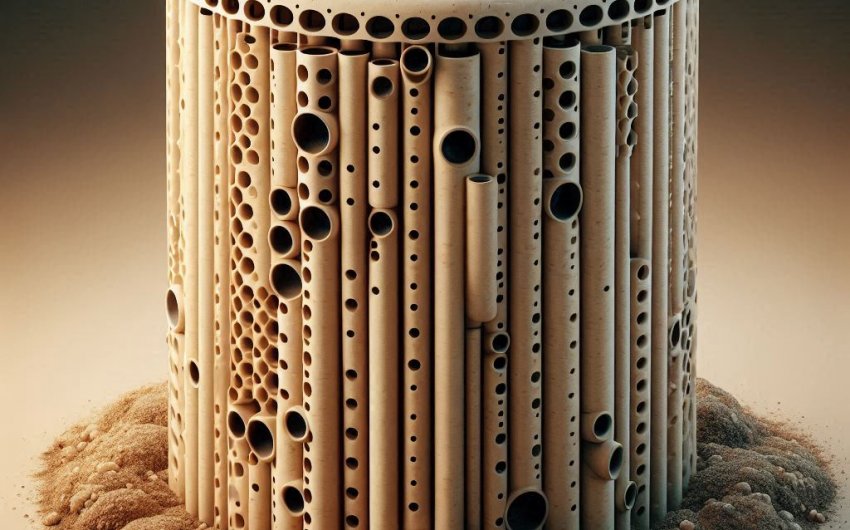
The core of the bioreactor's design lies in its passive aeration. It typically consists of a cylindrical mesh or wire cage, approximately 1 meter (3 feet) in diameter and 1.2 to 1.5 meters (4-5 feet) tall. Inside this larger cylinder, smaller vertical aeration pipes (often PVC pipes with holes drilled into them) are positioned, usually forming a central column or a grid. These pipes allow air to circulate naturally through the entire compost mass, providing the necessary oxygen for aerobic decomposition.
No-Turn Approach
The most distinguishing feature is its "no-turn" requirement. Once filled with organic materials and inoculated with beneficial microbes, the bioreactor is left undisturbed for the entire composting period, which can range from 9 to 12 months. This undisturbed environment is crucial for allowing fungal networks and a complex array of microbial communities to develop and flourish without disruption, directly contributing to the Johnson-Su bioreactor composting: benefits for microbial life in soil.
How Does Passive Aeration Benefit Microbes Compared to Traditional Turning?
The unique passive aeration system of the Johnson-Su bioreactor creates an environment that specifically nurtures a more diverse and stable microbial population than frequently turned compost piles. This passive approach is fundamental to the Johnson-Su bioreactor composting: benefits for microbial life in soil.
Fostering Fungal Dominance
Traditional hot composting often favors bacterial activity due to the frequent turning and higher initial temperatures. While bacteria are essential, fungi play a crucial role in binding soil particles together, improving soil structure, and breaking down tough organic matter like lignin. The undisturbed nature of the Johnson-Su bioreactor allows delicate fungal hyphae (filaments) to grow and colonize the compost mass extensively, leading to a fungal-dominant compost.
Stable Temperature and Moisture
Because the bioreactor is not turned, it experiences more stable temperature and moisture gradients. While it initially heats up, it generally maintains a moderate temperature (mesophilic range) for longer periods. This steady environment reduces stress on microbial communities, allowing a wider variety of species to thrive and specialize, rather than just heat-tolerant bacteria that dominate hot compost piles.
Protecting Microbial Networks
Every time a traditional compost pile is turned, the delicate microbial networks, especially the fungal hyphae, are physically disrupted. In the Johnson-Su system, these networks are allowed to grow continuously and form complex, interconnected communities throughout the compost, leading to a more robust and resilient microbial population that can effectively transfer nutrients to plants when applied to soil.
What Types of Organic Materials are Best for a Johnson-Su Bioreactor?
The types of materials used in a Johnson-Su bioreactor are similar to traditional composting, but the emphasis is on creating a balanced, slow-release environment for microbial growth. Selecting the right inputs is key to maximizing the Johnson-Su bioreactor composting: benefits for microbial life in soil.
Carbon-Rich Materials (Browns)
- Wood Chips/Shredded Wood: A primary component, providing long-lasting carbon and structure for fungal colonization. Untreated wood chips for composting are ideal.
- Shredded Cardboard/Paper: Provides carbon and helps maintain aeration. Ensure it's untreated and free of heavy inks.
- Straw: Excellent for aeration and carbon content.
- Dried Leaves: A good seasonal source of carbon.
Nitrogen-Rich Materials (Greens)
- Fresh Plant Material: Green garden waste, grass clippings (in moderation to avoid compaction), and soft plant residues.
- Manure: Aged or fresh manure (from herbivores like horses, cows, chickens) is a powerful nitrogen source and introduces beneficial microbes. Ensure it's from animals not treated with persistent herbicides. You can buy bags of composted manure.
- Food Scraps: Vegetable and fruit scraps can be included, but generally in smaller proportions than woody browns, and often mixed in the middle of the pile to deter pests. Avoid meat, dairy, and oily foods. The goal is to aim for a relatively high carbon-to-nitrogen (C:N) ratio (around 30:1 to 40:1) to favor fungal growth and slow, steady decomposition.
Inoculation
The initial setup often involves inoculating the bioreactor with a small amount of finished compost or actively aerated compost tea. This introduces a diverse starter culture of beneficial microorganisms to kickstart the decomposition process and establish the desired microbial communities.
How Does Johnson-Su Compost Enhance Plant Growth and Health?
The unique microbial diversity and stability of Johnson-Su bioreactor compost (often called "fungal-dominant compost" or "bioreactor effluent" when liquid) offer profound benefits for plant growth and overall ecosystem health. These benefits are the core of Johnson-Su bioreactor composting: benefits for microbial life in soil.
Improved Nutrient Cycling
The diverse microbial community, particularly the fungi, excel at breaking down complex organic compounds and making nutrients available to plants. Fungi extend their hyphae far into the soil, acting as extensions of plant roots and helping them access nutrients and water that would otherwise be unavailable. This leads to more efficient nutrient uptake by plants.
Enhanced Disease Suppression
A thriving and diverse microbial population in the soil creates a competitive environment that naturally suppresses many plant pathogens. Beneficial microbes can outcompete harmful ones for resources, or even directly antagonize them, providing a natural defense system for plant roots. This reduces the need for synthetic fungicides.
Better Soil Structure
Fungal hyphae produce glomalin, a sticky protein that acts like a "superglue," binding soil particles into stable aggregates. This improved soil structure leads to better aeration, water infiltration, and drainage, which in turn promotes healthier root development and reduces erosion.
Increased Plant Resilience
Plants growing in a biologically active soil fostered by Johnson-Su compost tend to be more resilient to environmental stresses such such as drought and extreme temperatures. The healthier root systems and improved nutrient/water access make them better equipped to handle challenging conditions, leading to stronger, more productive plants.
Reduced Need for Synthetic Inputs
By enhancing natural nutrient cycling and disease suppression, Johnson-Su compost can significantly reduce the need for synthetic fertilizers and pesticides. This promotes a more sustainable and environmentally friendly agricultural system.
What is the Application Method for Johnson-Su Bioreactor Compost?
The unique nature of Johnson-Su compost means it's not applied in the same way as traditional bulk compost. Its potency lies in its microbial density, so a little goes a long way. This application method highlights the Johnson-Su bioreactor composting: benefits for microbial life in soil.
As a "Compost Extract" or "Compost Tea"
The most common and effective way to use Johnson-Su compost is by making a compost extract or actively aerated compost tea (AACT).
- Compost Extract: This is made by simply mixing a small amount of the finished compost with water and agitating it vigorously to "wash" the microbes off the organic particles and into the water. The resulting liquid, rich in beneficial microorganisms, can then be sprayed directly onto plant foliage or applied to the soil. You can use a compost tea brewer for this.
- AACT: This involves bubbling air through the compost-water mixture for 12-24 hours to multiply the microbial populations before application.
Seed Treatments
The compost extract can also be used as a seed coating or dip before planting. This inoculates the seeds with beneficial microbes, giving them a head start in establishing a healthy relationship with the soil microbiome from germination.
Direct Application (Spit-and-Dribble Method)
For direct application, the finished compost can be carefully placed in a planting hole or lightly spread in small amounts (a teaspoon to a tablespoon) directly near plant roots. It's not typically broadcast like regular compost due to its highly concentrated microbial load.
Not a Bulk Soil Amendment
Unlike traditional compost, which is often spread in thick layers and tilled into the soil, Johnson-Su bioreactor compost is designed to be a microbial inoculant. Its purpose is to introduce and establish beneficial microbial communities, not to bulk up the soil with organic matter, although it naturally contributes to it over time.
How Does Johnson-Su Bioreactor Composting Relate to Regenerative Agriculture?
The Johnson-Su bioreactor is a key tool in the toolkit of regenerative agriculture, a holistic farming approach focused on improving soil health, biodiversity, and ecosystem services. Its principles align perfectly with the goals of this movement, making it a cornerstone for those focusing on Johnson-Su bioreactor composting: benefits for microbial life in soil.
Soil Health Focus
Regenerative agriculture prioritizes rebuilding soil organic matter and revitalizing the soil microbiome. The Johnson-Su bioreactor's primary output is a highly microbially diverse compost that directly contributes to these goals by repopulating and enhancing the soil food web.
Reduced Inputs
By fostering natural nutrient cycling and disease suppression, the use of Johnson-Su compost (and its extracts) helps reduce reliance on synthetic fertilizers and pesticides. This aligns with regenerative agriculture's aim to minimize external inputs and work with natural systems.
Carbon Sequestration
Healthy, biologically active soils, promoted by practices like applying microbially rich compost, are more effective at sequestering atmospheric carbon dioxide. The increased organic matter content in the soil acts as a carbon sink, contributing to climate change mitigation.
Increased Biodiversity
Regenerative agriculture emphasizes increasing biodiversity both above and below ground. The diverse microbial populations fostered by the Johnson-Su bioreactor directly contribute to a richer and more resilient soil ecosystem, which in turn supports greater plant and animal diversity.
Water Conservation
Improved soil structure due to microbial activity leads to better water infiltration and retention. This means less runoff, less erosion, and more efficient water use by plants, which is crucial for sustainable agriculture, particularly in arid or semi-arid regions.
What Are the Challenges and Considerations for Building and Using a Johnson-Su Bioreactor?
While the benefits are significant, building and properly utilizing a Johnson-Su bioreactor requires attention to detail and patience. Understanding these challenges helps in successfully leveraging Johnson-Su bioreactor composting: benefits for microbial life in soil.
Initial Construction
Building the bioreactor requires specific materials (mesh, PVC pipes, a base) and a clear understanding of the dimensions and setup. While DIY-friendly, it's more involved than simply piling up organic matter. Precision in drilling aeration holes and positioning pipes is important for optimal airflow.
Sourcing Materials
You need a consistent supply of appropriate organic materials, particularly woody "browns" like wood chips, for the carbon component. Ensuring these materials are untreated and free from persistent herbicides is crucial to avoid contaminating your finished compost.
Patience is Key
The composting process in a Johnson-Su bioreactor is slow, typically taking 9 to 12 months, or even longer, to produce fully mature compost. This requires patience and forward planning, as you won't have usable compost within weeks, as with some hot composting methods.
Moisture Management
Maintaining the correct moisture level throughout the long composting period can be a challenge. The pile needs to stay consistently moist, like a wrung-out sponge. This might require periodic watering, especially in dry climates or during drought conditions, to ensure microbial activity continues.
Harvesting the Compost
The finished compost can be quite dense and crumbly. Harvesting it from the bottom of the cylindrical structure can sometimes require dismantling part of the bioreactor or using specialized tools. The yield is also generally lower in volume than traditional compost due to the dense packing and slow decomposition.
Learning Curve for Application
Using the finished compost as a microbial inoculant (e.g., via compost extract) requires a different mindset than applying bulk compost. Understanding dilution rates, application methods, and target areas for microbial benefits is part of the learning curve for maximizing the Johnson-Su bioreactor composting: benefits for microbial life in soil.
The Johnson-Su bioreactor composting: benefits for microbial life in soil offers a powerful, yet gentle, approach to cultivating a vibrant soil microbiome. By focusing on creating an undisturbed, aerobic environment, this system yields a unique compost teeming with beneficial bacteria and fungi, providing a highly effective biological amendment for sustainable and regenerative plant cultivation.