
How Can I Compost Seaweed and Other Coastal Plant Materials?
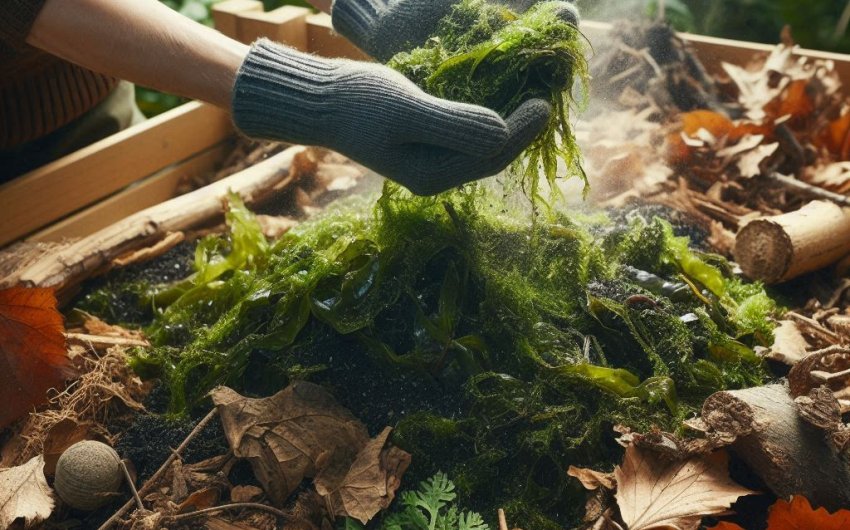
Leveraging the abundant resources of the coast for your garden offers an incredibly enriching and sustainable approach to soil amendment. Learning how to compost seaweed and other coastal plant materials unlocks a treasure trove of nutrients, transforming what might be considered waste into a powerful elixir for your plants. This guide delves into the unique properties of these marine and shoreline organics, providing practical strategies to harness their benefits and successfully integrate them into your composting efforts for a thriving, vibrant garden.
Why Are Seaweed and Coastal Plants So Good for Compost?
Seaweed and other coastal plant materials are often overlooked resources, yet they are packed with beneficial elements that can supercharge your compost and enrich your garden soil like few other materials can.
What Nutrients Do They Offer?
Seaweed is particularly renowned for its rich and diverse nutritional profile, making it a powerful addition to compost.
What Macronutrients Are Present?
Nitrogen (N): While not as high as fresh grass clippings, seaweed contains a decent amount of nitrogen (N), especially kelp and other green seaweeds. Nitrogen is a key macronutrient essential for lush, leafy plant growth. In compost, it fuels the microbial activity that breaks down organic matter. It helps balance the carbon-rich "browns."
Phosphorus (P): Seaweed contains moderate levels of phosphorus (P), another essential macronutrient. Phosphorus is vital for root development, flowering, and fruiting in plants. Its presence in compost contributes to a well-rounded nutrient profile.
Potassium (K): Seaweed is an excellent source of potassium (K), often having higher levels than farmyard manure. Potassium is crucial for overall plant health, disease resistance, water regulation, and fruit quality. Adding seaweed to compost ensures a good supply of this valuable nutrient to your garden soil.
Advertisement
What Micronutrients and Trace Elements Are Unique?
Comprehensive range of trace minerals: One of the most remarkable aspects of seaweed is its incredibly comprehensive range of micronutrients and trace elements. As sea plants, they absorb a wide spectrum of minerals present in seawater. This includes elements like boron, calcium, copper, iron, iodine, magnesium, manganese, molybdenum, zinc, and many more – often over 60 different elements. These are vital for plant health, even if only needed in tiny amounts. Their presence in compost ensures a diverse mineral input to the soil, leading to healthier plants.
Plant growth hormones (auxins, cytokinins, gibberellins): Seaweed also contains natural plant growth hormones such as auxins, cytokinins, and gibberellins. These hormones can stimulate root growth, improve cell division, enhance flowering, and boost overall plant vigor when the compost is applied to the garden.
Amino acids and vitamins: Beyond minerals and hormones, seaweed is a source of various amino acids (building blocks of proteins) and vitamins (e.g., B vitamins). These contribute to the health of the soil microbes and ultimately benefit plant growth.
How Do Their Physical Properties Help Compost?
Beyond nutrients, the physical characteristics of seaweed and other coastal plants make them excellent composting materials.
High moisture content: Fresh seaweed has a very high moisture content, often 80-90% water. This is beneficial for compost piles that might be too dry, helping to maintain the ideal moisture level (like a wrung-out sponge) that microorganisms need to thrive.
Soft, easy to break down: Most seaweed varieties are relatively soft and easy to break down. Unlike woody materials, they lack lignin (the tough, woody substance), allowing microorganisms to decompose them quickly. This rapid breakdown helps activate the compost pile and speed up the overall composting process.
Non-woody (no lignins): The absence of lignin means that seaweed doesn't contribute significantly to the tough, slow-to-decompose "brown" fraction of the compost. It acts more like a "green" material in terms of its decomposition speed, but with a more balanced C:N ratio than pure fresh grass clippings.
What Are Other Environmental Benefits?
Using seaweed in compost extends beyond just garden benefits; it's also environmentally sound.
Reduced waste to landfill: By collecting and composting seaweed, you divert significant amounts of organic material from landfills, reducing landfill burden and methane emissions.
Sustainable and renewable resource: Seaweed is a sustainable and renewable resource from the ocean. Harvesting responsibly (taking only washed-up beach cast, not live seaweed) ensures minimal environmental impact.
Natural alternative to synthetic fertilizers: The nutrient-rich compost produced with seaweed provides a potent, natural alternative to synthetic chemical fertilizers, reducing reliance on fossil fuels and chemical runoff.
How Do I Collect Seaweed and Coastal Materials Responsibly?
Collecting seaweed and other coastal plant materials requires adherence to local regulations and ethical practices to ensure you don't harm the environment.
What Are the Legal and Ethical Guidelines?
It's crucial to be a responsible harvester.
What Are Local Regulations for Collection?
Check local permits/rules: Before you start collecting, always check local permits and rules. Many coastal areas have regulations regarding the collection of seaweed and other marine resources. Some areas may require a permit, have limits on quantities, or restrict collection in certain zones (e.g., marine protected areas, private beaches). Check with your local parks department, environmental agencies, or municipal offices.
Public vs. private property: Be aware of whether the beach is public or private property. You generally cannot collect from private land without permission.
Environmental protected areas: Avoid collecting in any environmental protected areas, nature reserves, or sensitive ecological zones.
How Do I Collect Sustainably?
Only collect washed-up beach cast: The most sustainable and often legally permissible method is to only collect washed-up beach cast. This means collecting seaweed that has already detached naturally and washed ashore. Do not pull or cut live seaweed from rocks or the seafloor, as this disrupts marine ecosystems and can harm future growth.
Leave some for the ecosystem: Even with washed-up material, leave some seaweed behind. Beach cast provides food and shelter for a variety of beach-dwelling creatures, from insects to shorebirds. Taking all of it can disrupt this delicate ecosystem.
Avoid areas with pollution warnings: Do not collect seaweed from beaches or coastal areas that have pollution warnings (e.g., after a sewage spill, or in areas with known industrial runoff). You don't want to introduce pollutants to your compost or garden.
What Other Coastal Materials Can I Use?
Beyond seaweed, other shoreline materials can be valuable additions.
Marsh grass clippings: If you have access to salt marsh areas (and permission to collect), marsh grass clippings can be a good source of "greens" for compost. Be mindful of salinity and habitat.
Beach grasses (in moderation): Some common beach grasses that wash ashore can be added, but ensure they aren't invasive species and are chopped to break down.
Driftwood (small, well-weathered pieces): Small, well-weathered pieces of driftwood can add carbon to your pile, but they will break down very slowly. Use them in moderation and consider shredding if possible. Avoid any treated or painted wood.
How Do I Prepare Seaweed for Composting?
Proper preparation is key to successfully integrating seaweed into your compost pile and mitigating potential issues.
How Do I Manage Salt Content?
Salt is the primary concern when composting seaweed. Too much salt can harm soil and plants.
What Is the Importance of Rinsing?
Wash thoroughly with fresh water: The most crucial step is to wash the seaweed thoroughly with fresh water. You can do this by hosing it down, soaking it in large buckets of fresh water and changing the water a few times, or leaving it out in the rain for a few days (if you get enough rain).
Reduces sodium levels: Rinsing helps to reduce the sodium (salt) levels in the seaweed. While plants need some trace minerals, too much sodium can damage soil structure, inhibit plant growth, and even create a toxic environment for beneficial soil microbes.
What About Drying Seaweed?
Allows for storage and reduces bulk: If you have a large amount of seaweed and can't use it all at once, drying it is an excellent option for storage and to reduce bulk. Spread it out in a thin layer in a sunny, well-ventilated area until it's completely dry and crispy.
Concentrates nutrients (after rinsing): Once dried (and rinsed, if fresh), the nutrients in the seaweed are concentrated. Dried seaweed can be stored indefinitely until you're ready to add it to your compost.
How Do I Prepare for Optimal Decomposition?
Size reduction and proper mixing ensure efficient breakdown.
How Do I Chop or Shred Seaweed?
Increases surface area: Like all compost materials, chopping or shredding seaweed into smaller pieces (2-6 inches is a good target) significantly increases the surface area available for microorganisms to colonize and break down. This speeds up the composting process dramatically.
Prevents matting: Whole, long strands of seaweed can mat together in the compost pile, creating dense, airless pockets that lead to anaerobic conditions and unpleasant odors. Chopping prevents this. You can use garden shears, a lawnmower (carefully), or a wood chipper/shredder if you have very large quantities.
How Do I Mix Seaweed with Other Compost Materials?
Balance "greens" and "browns": Seaweed is generally considered a "green" material (nitrogen-rich, high moisture, quick to decompose) when fresh. It's crucial to balance it with plenty of "brown" materials (carbon-rich, dry, slow to decompose) in your compost pile. Aim for a ratio of about 2-3 parts browns to 1 part greens by volume.
Layering technique: When adding seaweed to your compost pile, use a layering technique. Add a layer of chopped, rinsed seaweed, then cover it with a thicker layer of dry browns like dried leaves, straw, or shredded cardboard. This helps maintain the carbon-to-nitrogen ratio, absorbs excess moisture, and prevents matting and odors.
How Do I Compost Seaweed Effectively?
Successfully integrating seaweed into your compost pile involves mindful layering and management to create an ideal environment for decomposition.
What Is the Right Proportion of Seaweed?
While beneficial, seaweed should be part of a balanced diet for your compost pile.
What Is the Ideal Ratio with Other Materials?
Aim for no more than 10-20% of total volume: To ensure optimal breakdown and avoid potential salt issues (even with rinsing), aim for seaweed to make up no more than 10-20% of the total volume of your compost pile. It's a fantastic amendment, but it works best as part of a diverse mix.
Balance with high-carbon materials: If you add a large batch of seaweed, be sure to have an equally large (or larger) supply of high-carbon materials readily available to layer in. This will include materials like dry leaves, straw, shredded paper, or wood chips.
How Do I Maintain the Compost Pile?
Good compost management practices are even more critical when incorporating seaweed.
How Do I Ensure Proper Aeration?
Turn frequently: Given its high moisture content and tendency to mat if not chopped, seaweed-inclusive compost piles benefit from frequent turning. Aim to turn the pile every few days to once a week. This introduces oxygen, which is vital for aerobic decomposition and prevents the rotten egg smell. A compost aerator tool is invaluable.
Incorporate bulky "browns": Always ensure you include bulky "brown" materials like straw or wood chips. These create air pockets within the pile, preventing compaction and facilitating oxygen flow, which is even more important with moist seaweed.
How Do I Manage Moisture Levels?
Maintain "wrung-out sponge" consistency: The ideal moisture level for compost is like a wrung-out sponge – damp but not soggy. Fresh seaweed brings a lot of moisture, so you might need to add more dry browns to absorb it.
Add dry browns for sogginess: If the pile becomes too soggy (common with too much fresh seaweed), immediately add more dry browns and turn thoroughly to absorb excess moisture and introduce air.
Cover during heavy rain: If your compost pile is exposed to the elements, consider covering it with a tarp during periods of heavy rain to prevent it from becoming waterlogged. Ensure the cover still allows for some air circulation. A simple compost bin cover can protect your pile.
What About Potential Problems and Solutions?
Even with the best intentions, you might encounter issues.
What If My Compost Smells Too Salty or "Fishy"?
- Increase browns, turn more often: If you detect a distinct salty or overly "fishy" smell, it means you've likely added too much unrinsed seaweed or simply too much seaweed without enough dry browns.
- Solution: Immediately add a significant amount of dry, high-carbon "brown" materials (e.g., shredded cardboard, dry leaves, straw).
- Turn the pile vigorously and frequently to aerate it and mix the new browns into the problem areas. This will help absorb moisture and rebalance the C:N ratio, promoting aerobic breakdown.
What If My Compost Is Attracting Pests?
Bury all fresh "greens": Fresh, exposed food scraps or seaweed can attract pests like flies or rodents. Always bury all "green" materials (including seaweed) deep within the center of the compost pile, covering them with a layer of "browns."
Ensure proper C:N balance: A well-balanced compost pile that heats up properly is less attractive to pests. An imbalanced, smelly pile is more of an invitation.
Use a rodent-proof bin: If rodents are a persistent problem, consider using a rodent-proof compost bin that has a secure lid and no large openings. A tumbling compost bin can also help.
Avoid meat/dairy/oils: Never add meat, bones, dairy products, or oily foods to your home compost, as these strongly attract pests.
Integrating seaweed and other coastal plant materials into your composting routine is a wonderfully enriching experience, transforming beach bounty into garden gold. By responsibly collecting, meticulously preparing to mitigate salt content, and thoughtfully incorporating these nutrient-dense "greens" into a balanced, well-aerated compost pile, you can unlock a powerful, natural soil amendment. This sustainable practice not only reduces waste but also provides your garden with a unique array of trace minerals and growth hormones, fostering vibrant, thriving plants year after year.