
What Are the Best Practices for Composting Horse Manure in Equestrian Facilities?
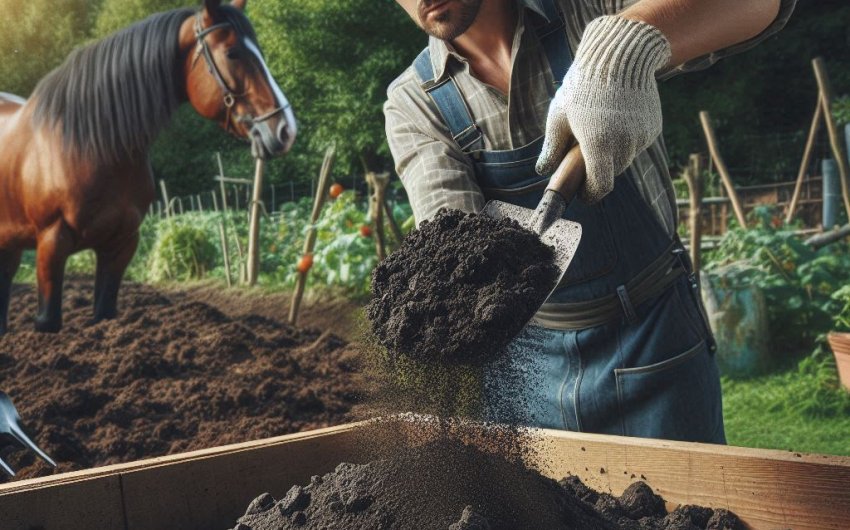
For any equestrian facility, effectively managing and transforming a byproduct like horse manure into a valuable resource is a cornerstone of sustainable operation. Implementing the best practices for composting horse manure not only addresses waste disposal challenges but also yields a nutrient-rich soil amendment beneficial for gardens, pastures, and agricultural land. This eco-friendly approach minimizes environmental impact while creating a reusable, high-quality product.
Why is Composting Horse Manure Important for Equestrian Facilities?
Composting horse manure offers a multitude of benefits for equestrian facilities, extending far beyond simple waste disposal. It transforms a potential problem into a valuable resource, contributing to environmental health, improved property aesthetics, and even financial savings. Understanding these advantages underscores the importance of adopting effective manure management strategies.
Environmental Benefits
Improperly managed horse manure can pose several environmental risks. Composting significantly mitigates these concerns, making it a critical practice for environmentally responsible facilities.
- Reduces Greenhouse Gas Emissions: Raw manure, especially when stored in anaerobic (oxygen-lacking) piles, produces methane, a potent greenhouse gas. Composting introduces oxygen, promoting aerobic decomposition, which produces less methane and more carbon dioxide (a less potent greenhouse gas) and water vapor.
- Minimizes Water Pollution: Runoff from raw manure piles can contaminate surface water with excess nutrients (nitrogen, phosphorus), leading to eutrophication (algal blooms) in ponds, rivers, and lakes. It can also leach nitrates into groundwater. Composted manure is more stable, reducing nutrient leaching and runoff.
- Destroys Pathogens and Parasites: The high temperatures achieved during active composting (thermophilic phase) effectively kill most weed seeds, fly larvae, and harmful pathogens like E. coli and parasitic worms common in horse manure. This makes the finished compost safer for use in gardens and pastures.
- Reduces Fly Breeding: Uncomposted manure piles are ideal breeding grounds for flies, which are not only a nuisance but can also transmit diseases. The heat and biological activity within a well-managed compost pile disrupt the fly life cycle.
Resource Utilization and Financial Savings
Beyond environmental protection, composting horse manure turns a waste product into a valuable asset, potentially leading to financial benefits for the equestrian facility.
- Creates a Valuable Soil Amendment: Finished horse manure compost is an excellent soil conditioner. It improves soil structure, aeration, and water retention. It also slowly releases nutrients, reducing the need for synthetic fertilizers. This is beneficial for on-site pastures, riding arenas (for improved footing), or even for sale to local gardeners and farmers.
- Reduces Disposal Costs: For many facilities, hauling away raw manure is a significant expense. By composting on-site, facilities can drastically reduce the volume of waste requiring off-site disposal, thereby saving money on trucking and landfill fees. The finished compost, being a valuable product, can even generate revenue if sold.
- Enhances Pasture Health: Applying composted manure to pastures improves soil fertility and grass growth, leading to healthier grazing for horses and potentially reducing feed costs.
- Supports Sustainable Practices: Composting aligns with sustainable agriculture principles, promoting nutrient cycling and reducing reliance on external inputs. This can enhance a facility's public image and potentially attract environmentally conscious boarders or clients.
Composting horse manure is not just a chore; it's an investment in the long-term health and sustainability of any equestrian facility, transforming a challenge into a cornerstone of responsible management.
What are the Essential Components of a Horse Manure Composting System?
A successful horse manure composting system relies on understanding the basic ingredients and principles of decomposition. Just like baking, getting the right mix of materials is crucial for efficient and effective composting.
The "Browns" and "Greens" Balance
Composting is essentially controlled decomposition driven by microorganisms. These microbes need a balanced diet of carbon-rich materials (browns) and nitrogen-rich materials (greens).
- Browns (Carbon Source): These provide energy for the microbes and help create the structure of the compost pile, allowing for airflow. In equestrian facilities, the primary brown source is usually bedding material.
- Wood Shavings/Sawdust: Common in stalls, they are high in carbon. Finer sawdust decomposes faster than larger shavings.
- Straw: Excellent carbon source, provides good aeration.
- Shredded Paper/Cardboard: If available and free of glossy inks or plastics, these can supplement browns.
- Greens (Nitrogen Source): These provide the protein necessary for microbial growth and multiplication, driving the decomposition process and generating heat.
- Horse Manure: This is your primary nitrogen source. It's rich in nutrients and fresh organic matter.
- Urine: Often mixed with manure in stalls, urine is also high in nitrogen, adding to the "green" component.
- Leftover Hay/Feed: Small amounts can be included.
- Fresh Grass Clippings: If available from lawn mowing, these are a very potent nitrogen source, but add sparingly to avoid creating an anaerobic (smelly) layer.
The ideal Carbon-to-Nitrogen (C:N) ratio for composting is generally between 25:1 and 30:1. Horse manure itself often has a C:N ratio of around 20:1 to 30:1, making it a good "green." However, when mixed with high-carbon bedding like wood shavings, the overall C:N ratio of the mixed waste can be significantly higher (e.g., 50:1 to 80:1), requiring careful management to ensure enough nitrogen for decomposition.
Water and Air (Oxygen)
Beyond browns and greens, two other critical components ensure successful decomposition.
- Water (Moisture): Composting microbes need water to thrive and move nutrients. The ideal moisture content for a compost pile is like a wrung-out sponge—damp but not soggy.
- Too Dry: Decomposition slows down significantly.
- Too Wet: The pile can become anaerobic, leading to foul odors and slower decomposition.
- Testing Moisture: Squeeze a handful of material. A few drops of water should come out. If it drips, it's too wet. If it crumbles, it's too dry.
- Air (Oxygen): Aerobic composting (with oxygen) is faster and produces less odor. Microbes require oxygen for respiration.
- Turning: This is the primary method to introduce oxygen into the pile.
- Bulking Agents: Using coarser materials like straw or wood chips as bedding helps create air pockets within the pile.
- Pile Size: Building piles to an appropriate size (neither too small nor too large) helps maintain internal aeration and heat.
Proper Compost Pile Design
The structure of your compost pile or system significantly impacts its efficiency.
- Size: An ideal compost pile should be at least 3 feet x 3 feet x 3 feet (1 cubic yard) to generate and retain sufficient heat for effective decomposition. Piles much larger than 5 feet x 5 feet x 5 feet can become difficult to turn and prone to anaerobic conditions in the center.
- Location: Choose a well-drained site away from waterways, wells, and property lines. Consider accessibility for machinery (tractor, loader) if turning large piles.
- Bins/Pads:
- Three-Bin System: A common and effective setup, especially for active composting. It allows for easy turning from one bin to the next, facilitating batch processing.
- Windrows: For very large facilities, long, elongated piles (windrows) can be formed and turned with specialized equipment.
- Concrete Pad: A concrete pad with drainage can make managing large piles cleaner and prevent nutrient leaching into the ground.
By understanding and balancing these essential components, equestrian facilities can establish a robust and effective horse manure composting system, transforming waste into a valuable asset.
How Do You Start a Horse Manure Composting System?
Setting up a functional horse manure composting system involves more than just piling up waste. A systematic approach, from initial site selection to the very first layering of materials, ensures an efficient and effective decomposition process.
Site Selection and Preparation
Choosing the right location for your compost piles is the crucial first step.
- Accessibility: Select a site that is easily accessible to where manure is collected (stalls, arenas) and also to where the finished compost will be used or distributed. Consider year-round access for machinery like a small tractor with a loader or a pitchfork.
- Drainage: The site must be well-drained to prevent the compost pile from becoming waterlogged, especially during heavy rains. Avoid low-lying areas. A slight slope can help with runoff management.
- Environmental Concerns:
- Distance from Waterways: Locate the compost area away from streams, ponds, wells, and septic systems to prevent runoff contamination. Consult local regulations for minimum setback distances.
- Neighbor Relations: Consider prevailing winds and proximity to neighbors to minimize potential odor or fly nuisance. While well-managed compost typically doesn't smell bad, initial stages or anaerobic conditions can produce odors.
- Surface: A firm, all-weather surface is ideal. A concrete pad is best for large operations, but compacted gravel or even a well-maintained earth pad can suffice for smaller scales. This helps prevent nutrient leaching into the ground and makes turning easier.
Choosing Your Composting Method (Bins vs. Windrows)
The volume of manure produced will dictate the most suitable composting method.
- Bins (Static or Active):
- Single Bin: For very small facilities or personal use. You add material until full, then let it decompose. Less active, slower process.
- Two-Bin System: One bin for adding fresh material, the other for curing compost. Allows for some rotation.
- Three-Bin System: The most common and highly recommended for active composting at equestrian facilities.
- Bin 1: For fresh additions of manure and bedding.
- Bin 2: For actively turning compost from Bin 1, where primary heating and decomposition occur.
- Bin 3: For finished or curing compost.
- This system allows for continuous operation and efficient turning. DIY compost bin plans often include three-bin setups.
- Windrows: For larger facilities with significant manure volumes (e.g., 10+ horses), creating long piles called windrows is often more practical. These are typically turned using a front-end loader or specialized windrow turners. This method allows for large-scale processing.
Initial Layering of Materials
Once your site and method are chosen, it's time to build your first pile. The key is to create a diverse mix to kickstart the decomposition process.
- Start with a Base Layer: Begin with a 6-12 inch layer of coarse, carbon-rich material. This could be wood chips, coarse straw, or even old branches. This provides good aeration at the bottom and prevents the pile from becoming waterlogged.
- Alternate Layers: Add alternating layers of "greens" (manure, some fresh grass clippings if available) and "browns" (bedding, straw, shredded paper). A general guideline is to add about twice as much brown material by volume as green material.
- Example: A 6-inch layer of mixed manure and shavings, followed by a 3-inch layer of fresh bedding or straw, then another manure layer.
- Moisture Check: As you build, ensure each layer is adequately moist. Spray with water as needed until the entire pile reaches the "wrung-out sponge" consistency.
- Inoculation (Optional but Helpful): You can introduce a handful of finished compost or even garden soil into the layers. This "inoculates" the new pile with beneficial microbes, speeding up the initial decomposition process.
- Achieve Minimum Size: Continue adding layers until the pile reaches the minimum recommended size of 3 feet x 3 feet x 3 feet to ensure it can generate and hold heat.
By carefully executing these initial steps, equestrian facilities can effectively start a horse manure composting system, laying the groundwork for transforming their waste into a valuable resource.
What Are the Best Practices for Managing an Active Compost Pile?
Managing an active horse manure compost pile is crucial for achieving high-quality finished compost quickly and efficiently. This involves regular monitoring, turning, and moisture management to maintain optimal conditions for microbial activity.
Monitoring Temperature
Temperature is a key indicator of microbial activity within your compost pile. Proper heating ensures the destruction of pathogens and weed seeds.
- Thermophilic Phase: A well-managed compost pile should reach temperatures between 130°F (54°C) and 160°F (71°C) in its core. This is known as the thermophilic (heat-loving) phase.
- Tools: Use a compost thermometer with a long probe (at least 24 inches) to measure the temperature deep within the pile.
- Frequency: Check the temperature daily or every other day, especially during the initial active phase.
- Significance:
- Too Low (<100°F): Indicates a lack of microbial activity. The pile might be too dry, lacking nitrogen, or too small.
- Too High (>160°F): Can kill beneficial microbes. Usually indicates a need for turning to cool it down and introduce oxygen.
- Pathogen Kill: To effectively kill most pathogens and weed seeds, the pile should maintain temperatures of at least 131°F (55°C) for a minimum of three days. Turning ensures all parts of the pile reach this temperature.
Turning the Pile (Aeration)
Turning is the most critical management practice for active composting. It introduces oxygen, redistributes moisture, breaks up clumps, and ensures all material is exposed to the high temperatures.
- Frequency: How often you turn depends on your goals and resources.
- Fast Composting: For rapid decomposition and complete pathogen kill, turn the pile every 3-5 days once it reaches peak temperature. This is often recommended for facilities that want to produce compost quickly.
- Slower Composting: For a slower process, turning every 1-2 weeks might suffice, but it will take longer to achieve finished compost.
- Method:
- Pitchfork/Manual: For smaller piles, a sturdy compost pitchfork is sufficient. Turn the outside material to the inside, and mix thoroughly.
- Front-End Loader/Tractor: For larger windrows or three-bin systems, a tractor with a front-end loader is necessary. Ensure thorough mixing to homogenize the material.
- Windrow Turner: For very large commercial operations, a specialized windrow turner is used.
- Purpose: Turning rejuvenates microbial activity by supplying fresh oxygen and redistributing nutrients. You'll often see a rapid rise in temperature after turning a pile.
Moisture Management
Maintaining the correct moisture level is paramount for healthy microbial activity.
- Ideal Consistency: The pile should feel like a well-wrung-out sponge—damp but not saturated.
- Testing: Squeeze a handful of compost material. A few drops of water should emerge. If it's too wet, water will stream out. If it's too dry, the material will crumble.
- Adjustments:
- Too Dry: Add water while turning the pile. A sprinkler can be used for larger piles, but ensure even penetration.
- Too Wet: Add more dry, carbon-rich material (like extra shavings or straw) and turn to incorporate. This helps absorb excess moisture and improves aeration.
- Rainfall: Protect piles from excessive rainfall if possible, especially in wet climates, to prevent waterlogging. A simple tarp can sometimes help, but ensure air circulation is not completely cut off.
By consistently applying these management practices, equestrian facilities can ensure their horse manure composting system operates at peak efficiency, yielding high-quality, safe compost while minimizing environmental impact.
How Do You Know When Horse Manure Compost is Ready and How Do You Use It?
The final stage of the composting horse manure process is recognizing when the compost is mature and then effectively utilizing this valuable resource. Knowing the signs of finished compost and its diverse applications helps maximize its benefits for your equestrian facility and beyond.
Signs of Finished Compost
It’s crucial to use fully mature compost, as immature compost can still contain un-decomposed organic matter that might "steal" nitrogen from plants or contain residual pathogens/weed seeds.
- Appearance:
- Dark Brown or Black: The compost should have a rich, uniform dark color, similar to fertile topsoil.
- Crumbly Texture: It should be loose and crumbly, with a fine, uniform texture, not clumpy or sticky.
- Indistinguishable Components: You should no longer be able to identify original materials like horse manure droppings, bedding (shavings, straw), or food scraps. They should all have broken down.
- Smell:
- Earthy Aroma: Finished compost should smell like fresh forest soil—a pleasant, earthy aroma. There should be no offensive odors (e.g., ammonia, rotten eggs, or sour smells).
- Temperature:
- Ambient Temperature: A mature compost pile will have cooled down to ambient (surrounding air) temperature and will no longer heat up when turned. This indicates that the active decomposition phase is complete.
- Worm Presence: You may see earthworms, especially red wigglers (Eisenia fetida), and other beneficial insects inhabiting the compost. This is a good sign of a healthy, living soil amendment.
Curing the Compost
Even when the compost appears "finished," an optional curing phase (also known as maturation or stabilization) can further enhance its quality.
- Process: After the active heating phase stops, allow the compost to sit undisturbed for another 1-3 months. During this period, slower-acting microorganisms continue to break down remaining complex organic compounds, and the microbial community stabilizes.
- Benefits: Curing ensures complete stabilization, reduces any potential for "nitrogen tie-up" when applied to plants, and enhances the overall quality and uniformity of the compost.
Practical Uses for Finished Horse Manure Compost
Once mature, horse manure compost becomes a versatile and incredibly beneficial resource for various applications around your equestrian facility and beyond.
- Garden Beds and Vegetable Patches:
- Soil Amendment: Mix 1-4 inches of compost into the top 6-12 inches of soil before planting. It improves soil structure, aeration, drainage, and water retention.
- Nutrient Source: Provides a slow-release supply of essential plant nutrients, reducing reliance on synthetic fertilizers.
- Top Dressing: Apply a 1/2 to 1-inch layer as a top dressing around existing plants.
- Lawns and Pastures:
- Top Dressing: Spread a thin layer (1/4 to 1/2 inch) over lawns and pastures, especially after aeration. It enriches the soil, improves grass vigor, and promotes a healthy root system. A broadcast spreader can make this easier for large areas.
- New Seeding: Incorporate compost into the soil before seeding new lawns or reseeding bare patches.
- Potted Plants and Container Gardens:
- Potting Mix Component: Mix 1 part compost with 2-3 parts potting mix for an enriched, natural growing medium.
- Trees and Shrubs:
- Mulch/Soil Conditioner: Apply a layer around the base of trees and shrubs to improve soil health, retain moisture, and suppress weeds. Keep it a few inches away from the trunk.
- Arena Footing (Specific Uses):
- While not a primary footing material, finished compost can sometimes be used in small, carefully managed quantities to amend existing sand footings, particularly in outdoor arenas, to improve moisture retention and reduce dust. This requires expert advice and careful management to ensure footing consistency and safety.
- Sale or Donation:
- If your facility produces more compost than it can use, consider selling it to local gardeners, landscapers, or farmers. This can generate a small income and helps divert waste.
- Donating to community gardens or schools can also build good community relations.
By understanding how to recognize mature compost and effectively utilize it, equestrian facilities can complete the sustainable cycle of composting horse manure, turning a challenge into a valuable resource.
What Are Common Challenges and Solutions in Horse Manure Composting?
While composting horse manure offers significant benefits, it also comes with potential challenges. Recognizing these issues early and knowing how to address them effectively is key to maintaining a successful and efficient composting program at any equestrian facility.
Odor Issues
Unpleasant odors are one of the most common complaints associated with composting, often indicating an imbalance in the pile.
- Cause: Foul odors (like ammonia, sulfur, or rotten eggs) usually mean the pile has gone anaerobic (lacking oxygen) due to too much moisture, not enough carbon, or insufficient turning. Ammonia smell specifically indicates too much nitrogen.
- Solution:
- Turn More Frequently: This introduces oxygen, which is critical for aerobic decomposition.
- Add Carbon: If the pile smells like ammonia, add more "brown" materials such as dry wood shavings, straw, or shredded cardboard. This balances the Carbon-to-Nitrogen ratio.
- Reduce Moisture: If the pile is soggy, mix in dry, carbon-rich materials and turn vigorously to aerate and dry it out. Protect from excessive rain.
Fly and Pest Infestations
Flies, rodents, and other pests can be attracted to compost piles, especially if not managed properly.
- Cause: Exposed fresh manure, food scraps, or poorly heated piles create ideal breeding grounds.
- Solution:
- Bury Fresh Manure: Always cover fresh additions of manure and food scraps with a layer of older compost or dry carbon material.
- Maintain Heat: Ensure the pile consistently reaches and maintains thermophilic temperatures (130-160°F), which kills fly larvae and deters rodents.
- Regular Turning: Disrupts pest breeding cycles and exposes them to heat.
- Screening (for Bins): For smaller bins, a fine mesh screen can deter flies, but ensure it doesn't restrict airflow too much.
- Avoid Attractants: Do not add meat, dairy, or oily kitchen scraps unless you have a very robust, hot composting system.
Slow or No Decomposition (Cold Pile)
If your compost pile isn't heating up or breaking down as expected, it's a sign that the microbes aren't happy.
- Cause:
- Too Dry: Insufficient moisture limits microbial activity.
- Lack of Nitrogen: Too much carbon and not enough nitrogen means microbes don't have enough "food" to reproduce and generate heat.
- Too Small: Piles that are too small (less than 3x3x3 feet) cannot generate and retain sufficient heat.
- Lack of Oxygen: Insufficient turning leads to anaerobic pockets and slowed decomposition.
- Solution:
- Check Moisture: Add water while turning until it's like a wrung-out sponge.
- Add Nitrogen: Mix in more fresh manure or a small amount of fresh grass clippings.
- Increase Size: Combine smaller piles or build a larger, well-proportioned pile.
- Turn More: Regular turning revitalizes microbial activity by adding oxygen.
High Weed Seed or Parasite Load in Finished Compost
If your finished compost still results in many weeds or suggests parasite presence, the heating phase was insufficient.
- Cause: The pile did not consistently reach high enough temperatures (at least 131°F for 3 consecutive days) throughout all parts of the pile.
- Solution:
- Ensure Proper Turning: Thoroughly mix the pile during each turn, bringing outside material to the hot core.
- Monitor Temperature: Consistently use a compost thermometer to verify the core temperature.
- Adjust Size/Moisture/C:N: Re-evaluate all the basic components to ensure optimal heating conditions are met during the active phase.
Leachate Runoff
Dark liquid draining from the compost pile (leachate) can be a sign of excessive moisture and a potential pollutant.
- Cause: Pile is too wet, often from too much rainfall or over-watering.
- Solution:
- Add Dry Carbon: Mix in more dry, absorbent carbon materials (straw, wood shavings) to soak up excess moisture.
- Protect from Rain: Consider a cover or locate the pile under a roof/shelter if in a very wet climate, while still ensuring adequate airflow.
- Manage Site Drainage: Ensure the composting area itself has good drainage away from sensitive areas.
By being proactive in addressing these common challenges, equestrian facilities can ensure their horse manure composting system operates smoothly, producing high-quality compost consistently. From preventing odors to ensuring proper decomposition, understanding and implementing the best practices for composting horse manure is essential for a sustainable and environmentally responsible operation.