
Can I Compost Biodegradable Plastics, and What Are the Limitations?
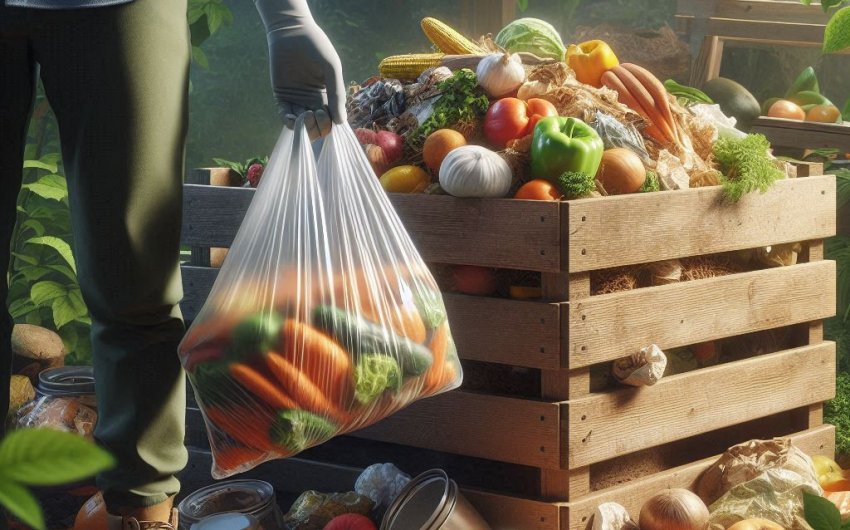
Navigating the world of biodegradable plastics and their end-of-life options, particularly composting, can be quite complex. Many consumers wonder if these innovative materials can truly break down in their backyard compost piles or if they require specialized industrial facilities. Understanding the nuances of what makes a plastic "biodegradable" and the specific conditions needed for its decomposition is essential to determine whether you can compost biodegradable plastics effectively and what limitations you might encounter.
What is the difference between "biodegradable" and "compostable" plastics?
The terms "biodegradable" and "compostable" are often used interchangeably, leading to widespread confusion, but they have distinct meanings, especially when it comes to disposal. Understanding this difference is critical for proper waste management.
Biodegradable Plastics:
- Definition: A plastic is biodegradable if it can be broken down by microorganisms (like bacteria and fungi) into natural substances such as water, carbon dioxide, and biomass. This process occurs under specific conditions, which can vary greatly.
- Timeframe: The key issue with "biodegradable" is that there's no set timeframe for degradation. A plastic labeled biodegradable might take months, years, or even decades to break down, depending on the environment (e.g., soil, water, landfill).
- Residue: The breakdown might leave behind residues that are not necessarily benign or fully integrated into the ecosystem. There's no guarantee that the material will fully disappear or that its byproducts are non-toxic.
- Environment Specificity: What might be biodegradable in a marine environment might not be biodegradable in soil, and vice-versa. The term doesn't specify the conditions required for breakdown.
- Example: Many plastics marketed as "biodegradable" may simply fragment into smaller pieces, known as microplastics, which persist in the environment. These fragments can still harm wildlife and enter food chains.
- Composting Suitability: Generally, plastics labeled only as "biodegradable" are not suitable for composting, especially in home compost bins, because they lack the specific requirements for controlled decomposition in a composting system.
Compostable Plastics:
- Definition: A plastic is compostable if it can break down into organic matter, carbon dioxide, and water within a specific timeframe and under specific composting conditions, without leaving behind toxic residues.
- Certification: For a plastic to be truly compostable, it usually needs to meet specific certification standards. The most widely recognized standard in North America is ASTM D6400 for industrial composting. In Europe, it's EN 13432. These standards ensure that the material will fully disintegrate and biodegrade into compost that is safe for plants.
- Two Types of Compostable:
- Industrially Compostable: These materials require the high temperatures, controlled moisture, and specific microbial populations found in industrial composting facilities. These facilities reach temperatures typically between (55^\circ \text{C}) to (60^\circ \text{C}) ((130^\circ \text{F}) to (140^\circ \text{F})) for extended periods. Most items labeled "compostable" fall into this category.
- Home Compostable: A much stricter subset, these materials are designed to break down in the lower and more variable temperatures of a backyard compost pile. Certification for home composting (like the OK Compost HOME certification) is rarer and harder to achieve.
- Residue: The key difference is that compostable plastics are designed to break down completely into substances that are beneficial to soil, without any harmful residues.
- Labeling: Compostable products often bear specific logos, such as the BPI (Biodegradable Products Institute) certification logo in the U.S. or the Seedling logo in Europe. Always look for these certification symbols on products.
- Example: Compostable bags for food scraps, compostable cutlery, and certain types of food packaging are designed to be compostable. A brand like BioBag compostable bags will have clear compostable labeling.
Key Takeaway: All compostable plastics are biodegradable, but not all biodegradable plastics are compostable. The crucial distinction lies in the conditions and timeframe required for their breakdown and the quality of the resulting material.
What types of biodegradable plastics are commonly available?
The market for biodegradable plastics is expanding rapidly, driven by environmental concerns. However, it's important to differentiate between various types, as their breakdown properties vary significantly.
Polybutylene Adipate Terephthalate (PBAT):
- Description: PBAT is a co-polyester that shares some properties with conventional polyethylene, making it flexible and tough. It's often blended with other biodegradable polymers to improve their properties.
- Biodegradability: It is generally considered biodegradable and compostable under industrial composting conditions. Some research also suggests it can biodegrade in soil, though at a slower rate.
- Common Uses: Often found in compostable bags (e.g., compostable garbage bags), agricultural films, and some food packaging.
Polylactic Acid (PLA):
- Description: PLA is a bioplastic derived from renewable resources, typically corn starch or sugarcane. It's a popular alternative to conventional plastics due to its plant-based origin.
- Biodegradability: PLA is compostable, but almost exclusively under industrial composting conditions. It requires sustained high temperatures ((55^\circ \text{C}) to (60^\circ \text{C})) and specific humidity levels to break down efficiently. It generally will not break down in a typical backyard compost pile or in marine environments.
- Common Uses: Widely used for disposable cutlery (e.g., compostable PLA cutlery), cups, food containers, 3D printer filaments, and even some textiles.
Polyhydroxyalkanoates (PHAs):
- Description: PHAs are polyesters produced naturally by various microorganisms (bacteria) through the fermentation of sugar or lipids. They are considered a truly biocompatible and biodegradable alternative to many synthetic polymers.
- Biodegradability: PHAs are unique because they are generally biodegradable in a wide range of environments, including industrial compost, home compost, soil, and even marine environments, given enough time. This is due to their natural origin and the way they are structured.
- Common Uses: Emerging in food packaging, medical implants, and certain durable goods due to their broad biodegradability. You might find PHA used in some compostable straws.
Starch Blends:
- Description: These plastics are typically made by blending plant starches (like corn, potato, or wheat starch) with other biodegradable polymers or plasticizers.
- Biodegradability: Their biodegradability varies greatly depending on the specific blend. Some starch blends are designed to be industrially compostable, while others may simply degrade into smaller fragments without fully breaking down in a home compost.
- Common Uses: Used for packaging peanuts (e.g., packing peanuts starch-based), some food service items, and films.
Bioplastics with Oxo-degradable Additives:
- Description: These are conventional plastics (like polyethylene or polypropylene) that have additives that promote their fragmentation into smaller pieces when exposed to oxygen and UV light.
- Biodegradability: Crucially, these are NOT truly biodegradable or compostable. They simply break down into tiny plastic fragments (microplastics) rather than fully decomposing into organic matter. Many countries and regions have banned or are in the process of banning oxo-degradable plastics due to their environmental harm.
- Common Uses: Previously used in shopping bags and some packaging, but their use is declining due to environmental concerns. Avoid these for composting.
Important Note on Labeling: Always check for clear compostability certifications (like BPI, Seedling, or TÜV AUSTRIA's OK Compost logos) rather than relying solely on the term "biodegradable." These certifications indicate that the material meets specific standards for breakdown in a composting environment.
What conditions are required for composting biodegradable plastics?
Composting biodegradable plastics, especially those labeled as "compostable," requires specific conditions that often differ significantly between industrial and home composting environments. Understanding these conditions is key to successful degradation.
Industrial Composting Conditions
Industrial composting facilities are designed to create and maintain optimal conditions for rapid and complete decomposition. Most commercially available compostable plastics are designed to break down in these environments.
- High and Sustained Temperatures:
- Industrial compost piles reach and maintain temperatures between (55^\circ \text{C}) and (60^\circ \text{C}) ((130^\circ \text{F}) to (140^\circ \text{F})) for several days or weeks. These temperatures are achieved through the breakdown of large volumes of organic matter by thermophilic (heat-loving) microbes.
- These high temperatures are crucial for the efficient breakdown of tougher materials like PLA, which has a higher melting point and requires more energy for microbial activity to begin its degradation.
- Controlled Moisture Levels:
- Industrial facilities closely monitor and maintain optimal moisture content, typically between 50-60%. This level is essential for microbial activity, as microorganisms need water to thrive and facilitate decomposition.
- Adequate Aeration (Oxygen):
- Compost piles are regularly turned, agitated, or aerated with forced air systems to ensure a constant supply of oxygen. This promotes aerobic decomposition, which is efficient and prevents the production of foul odors.
- Specific Carbon-to-Nitrogen Ratio:
- Facilities carefully manage the mix of "brown" (carbon-rich, like wood chips) and "green" (nitrogen-rich, like food scraps) materials to create an ideal carbon-to-nitrogen ratio, typically around 25-30:1. This balance provides the necessary nutrients for microbial growth and activity.
- Microbial Diversity:
- Industrial systems contain a rich and diverse community of microorganisms (bacteria, fungi, actinomycetes) specifically adapted to break down a wide range of organic materials, including complex polymers.
- Sufficient Timeframe:
- Even in industrial settings, compostable plastics require a specific timeframe to fully break down, often 90 to 180 days, depending on the material and facility. Certification standards ensure complete disintegration within this period.
Home Composting Conditions
Home composting, typically done in a backyard bin or pile, operates at much lower and more variable temperatures, making it less suitable for many compostable plastics.
- Lower and Fluctuating Temperatures:
- Backyard compost piles rarely reach the sustained high temperatures found in industrial facilities. While the center of an active pile might warm up to (30^\circ \text{C}) to (40^\circ \text{C}) ((85^\circ \text{F}) to (105^\circ \text{F})), these temperatures fluctuate and are often not maintained for long periods.
- This lack of consistent heat is the primary reason why many industrially compostable plastics (like PLA) will not break down effectively in a home compost.
- Less Consistent Aeration:
- Home composters may turn their piles, but typically not as frequently or as thoroughly as industrial operations. This can lead to anaerobic (low oxygen) pockets, slowing down decomposition. Using a compost aerator can help, but it won't replicate industrial conditions.
- Variable Moisture Control:
- Maintaining ideal moisture levels in a home compost can be challenging, as it's often dependent on weather and manual watering. Too dry, and microbes slow down; too wet, and it can become anaerobic.
- Less Diverse Microbial Community:
- While home composts have plenty of microbes, they may not have the specific strains or high populations of microbes required to efficiently break down the more complex structures of certain bioplastics, especially at lower temperatures.
- Longer Decomposition Time:
- Materials that are home compostable will take longer to break down than in an industrial setting.
- What is Home Compostable?:
- Only products specifically certified as "home compostable" (look for the OK Compost HOME logo) should be placed in a backyard pile. These are rare but growing in availability, typically thinner films or specific plant-based materials. General compostable cutlery or food containers are almost never home compostable.
In summary: If a "biodegradable plastic" product does not explicitly state it is "home compostable" with a recognized certification, it should not be placed in a backyard compost pile. It is almost certainly designed for industrial composting, or simply biodegradable over an indeterminate period without specific conditions.
Why might biodegradable plastics not break down in a home compost pile?
Many people are surprised to find that items marketed as "biodegradable" or even "compostable" don't disappear in their backyard compost bins. There are several key reasons why this happens, largely revolving around the composting conditions present in a typical home setup versus an industrial facility.
Insufficient Temperatures:
- This is the most common and significant reason. Most commercially available compostable plastics, especially those made from PLA, require sustained high temperatures (typically (55^\circ \text{C}) to (60^\circ \text{C}) or (130^\circ \text{F}) to (140^\circ \text{F})) to initiate and complete their breakdown.
- A backyard compost pile, while it can get warm, rarely reaches or maintains these temperatures for the extended periods necessary. The heat in a home pile is usually lower and fluctuates widely, making it insufficient for the specific microbes and chemical reactions required to break down these plastics.
- Without this heat, the material remains largely inert, or only very slowly undergoes superficial degradation, appearing as intact or fragmented plastic.
Lack of Specific Microbial Communities:
- Industrial composting facilities cultivate highly diverse and robust populations of thermophilic (heat-loving) microorganisms that are specifically adapted to break down a wide range of organic and bioplastic materials.
- While home compost piles are teeming with microbes, they may not have the specific types or densities of microorganisms that can effectively deconstruct the complex polymer chains of certain bioplastics at ambient temperatures.
Inconsistent Aeration and Moisture:
- Industrial compost systems have controlled aeration and moisture delivery systems. In a home compost, aeration often depends on manual turning (which might not be frequent enough) and moisture depends on rainfall or manual watering (which can be inconsistent).
- If a home pile becomes too wet or too dry, or lacks sufficient oxygen, microbial activity slows down or becomes anaerobic (without oxygen), hindering the decomposition process for all materials, including bioplastics.
Thick Material and Surface Area:
- Some compostable plastic items, like thicker cutlery or rigid containers, have less surface area exposed to microbes and moisture compared to thin films or food scraps. This makes their breakdown inherently slower.
- Even if the conditions were ideal, larger or thicker items would still take a considerably longer time to break down than smaller, thinner ones.
Product Mislabeling or Misunderstanding:
- Many products are labeled simply as "biodegradable" without specifying the conditions required for breakdown. As discussed, "biodegradable" does not mean "compostable in my backyard."
- Even if a product says "compostable," it almost always refers to industrial composting unless it explicitly states "home compostable" and carries a specific home composting certification (like OK Compost HOME). Consumers often assume "compostable" means suitable for any compost pile.
Presence of Conventional Plastics:
- Sometimes, consumers accidentally mix conventional plastics with compostable ones, or the "biodegradable" item might actually be a blend with non-biodegradable components.
- Conventional plastics will never break down in a compost pile and will contaminate the finished compost.
Result: When biodegradable plastics don't break down in a home compost, they either remain fully intact or partially fragment into smaller, still identifiable pieces of plastic. These fragments contaminate the finished compost, making it unsuitable for direct use in gardens.
How can you properly dispose of biodegradable and compostable plastics?
Properly disposing of biodegradable and compostable plastics is critical to ensure they fulfill their environmental promise and don't end up contaminating traditional recycling streams or persisting in landfills. The method depends entirely on the type of material and the local infrastructure.
Check for Certification Labels:
- This is the most important first step. Look for specific certifications:
- BPI Certified Compostable (North America): The Biodegradable Products Institute (BPI) logo is the most common certification in the U.S. and Canada, indicating the item is industrially compostable.
- Seedling Logo (Europe): Signifies compliance with European standard EN 13432 for industrial composting.
- OK Compost HOME (Europe/International): This specific certification from TÜV AUSTRIA indicates the item is suitable for home composting. This is much less common.
- If a product only says "biodegradable" or nothing specific, assume it is NOT compostable and dispose of it as regular waste.
- This is the most important first step. Look for specific certifications:
For Industrially Compostable Plastics (BPI, Seedling certified):
- Find an Industrial Composting Facility: These items must go to an industrial composting facility.
- Curbside Programs: Check with your local waste management provider. Some cities and municipalities offer curbside collection of food scraps and compostable packaging that goes to industrial composters.
- Drop-off Sites: If no curbside program exists, research if there are any commercial composting facilities or drop-off sites in your area that accept certified compostable materials.
- Food Service Collections: If you obtain these items from a restaurant or cafeteria, they may have their own designated bins for industrial composting.
- Do NOT put in your Home Compost: As discussed, these will not break down in a typical backyard pile and will contaminate your compost.
- Do NOT put in Recycling Bins: Certified compostable plastics are designed differently from traditional plastics (like PET, HDPE, PP). If placed in recycling bins, they are considered contaminants and can disrupt the recycling process, often leading to entire batches of recyclable materials being sent to landfill. They are specifically engineered to break down, whereas traditional plastics are engineered for durability and recycling.
- Find an Industrial Composting Facility: These items must go to an industrial composting facility.
For Home Compostable Plastics (OK Compost HOME certified):
- Place in Your Home Compost Pile: If you have a backyard compost bin and the product is clearly labeled with the OK Compost HOME certification, then you can add it to your compost.
- Consider Breaking Down Larger Items: Even home compostable items might break down faster if torn or cut into smaller pieces before adding them to the pile, increasing their surface area for microbial action.
- Maintain Your Pile: Ensure your home compost pile is active, well-aerated, and has a good mix of "greens" and "browns" to promote optimal conditions for degradation.
For General "Biodegradable" Plastics (without compostable certification):
- Treat as Regular Waste: Unless explicitly certified as compostable, these items should be placed in the regular trash bin.
- Avoid Recycling: Do not put them in recycling. They are not compatible with plastic recycling streams and will act as contaminants.
- Landfill Destination: Most will end up in a landfill. While some might biodegrade over a very long time in certain landfill conditions, others may only fragment into microplastics. This is a significant limitation of generic "biodegradable" labeling.
What if there's no industrial composting nearby?
- This is a common challenge. If you have industrially compostable plastics and no local facility accepts them, the unfortunate reality is that they often must go into the regular trash (landfill). While this seems counterintuitive, it's better than contaminating recycling streams or home compost.
- This highlights the importance of advocating for better waste infrastructure in your community.
By diligently checking labels and understanding your local waste management options, you can ensure that you compost biodegradable plastics (the truly compostable ones) in a way that genuinely benefits the environment rather than causing further problems.
What are the environmental pros and cons of biodegradable plastics?
The rise of biodegradable plastics is often hailed as a solution to plastic pollution, but like any technology, they come with a complex set of environmental pros and cons. A nuanced understanding is essential to appreciate their role in a sustainable future.
Environmental Pros
- Reduced Reliance on Fossil Fuels:
- Many biodegradable plastics, particularly bioplastics like PLA and PHA, are derived from renewable biomass resources such as corn starch, sugarcane, or plant oils. This reduces the dependency on finite fossil fuels (oil and natural gas) used in the production of conventional plastics.
- Lower Carbon Footprint (Potentially):
- The production of some bioplastics can have a lower carbon footprint compared to conventional plastics. Plants absorb carbon dioxide from the atmosphere as they grow, offsetting some of the emissions from manufacturing. However, this is not always true and depends on the specific bioplastic and its production process (e.g., land use change, fertilizer use).
- Reduced Plastic Accumulation (If Composted Correctly):
- The primary environmental benefit of truly compostable plastics is their ability to break down into benign components (water, carbon dioxide, biomass) when processed in an appropriate composting facility. This means they don't persist in the environment for hundreds of years like conventional plastics, potentially reducing landfill waste and litter if managed correctly.
- Avoidance of Microplastics (for truly compostable):
- Unlike oxo-degradable plastics, certified compostable plastics are designed to biodegrade completely, avoiding the fragmentation into persistent microplastics that are a major environmental concern.
- Enrichment of Soil (from Compostable):
- When compostable plastics break down in industrial composting, they contribute to the creation of nutrient-rich compost, which can be used to improve soil health, reduce the need for chemical fertilizers, and enhance water retention in agriculture and gardening.
Environmental Cons and Limitations
- Infrastructure Challenge:
- This is perhaps the biggest limitation. The benefits of compostable plastics are only realized if they are industrially composted. The vast majority of municipalities lack the necessary industrial composting facilities or curbside collection programs that accept these materials. As a result, many end up in landfills or incinerators, where they break down slowly (if at all, in landfills) or release greenhouse gases.
- Contamination of Recycling Streams:
- If compostable plastics are mistakenly placed in traditional plastic recycling bins, they are considered contaminants. Their chemical structure is different from conventional plastics, and they can degrade the quality of recycled conventional plastics, leading to batches being rejected and sent to landfill. This is a significant issue.
- Competition with Food Production (for crop-based bioplastics):
- Bioplastics made from food crops (like corn for PLA) raise concerns about land use and food security. Using agricultural land to grow crops for plastic production could compete with growing food for human consumption, especially in regions facing food shortages. Research into non-food feedstocks (e.g., algae, cellulosic biomass) is ongoing to address this.
- Misleading "Biodegradable" Labeling:
- The term "biodegradable" without specific certifications is highly misleading. Many products simply degrade into smaller plastic pieces (microplastics) rather than truly biodegrading, and can still harm ecosystems. This confusion can lead consumers to dispose of products improperly, undermining environmental efforts.
- Greenhouse Gas Emissions in Landfills:
- If compostable plastics end up in anaerobic (low oxygen) landfill environments, they may biodegrade very slowly and, in the process, produce methane, a potent greenhouse gas, rather than carbon dioxide. Composting (aerobic degradation) is the preferred end-of-life pathway.
- Requires Specific Conditions for Breakdown:
- Even for truly compostable materials, the specific conditions (high heat, specific microbes, moisture, aeration) are non-negotiable. They will not magically disappear if tossed into the ocean, a random patch of soil, or a typical backyard compost bin unless explicitly certified for those environments (which is rare).
- Resource Consumption for Production:
- While they use renewable resources, the cultivation of crops for bioplastics still requires water, fertilizers, and pesticides, which have their own environmental impacts. The energy used in processing the biomass into plastic also contributes to its overall environmental footprint.
While compostable plastics offer a promising alternative to conventional plastics, their environmental benefits are heavily dependent on proper disposal and the availability of adequate infrastructure. The limitations mean that simply switching to "biodegradable" products isn't a silver bullet for plastic pollution; it requires a systemic change in waste management. Successfully addressing whether you can compost biodegradable plastics involves navigating these complexities to ensure they truly contribute to a more sustainable future.