
How Can I Create a Closed-Loop Composting System for a Food Forest?
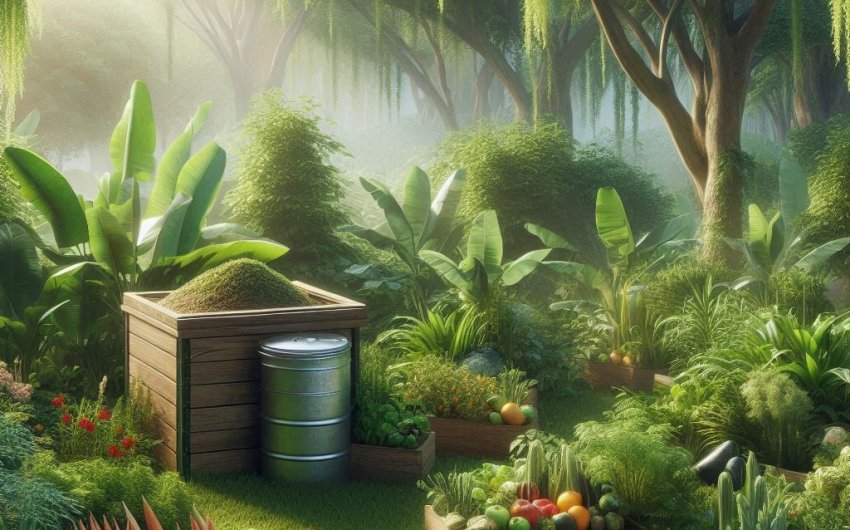
Developing a closed-loop composting system for a food forest is a cornerstone of truly sustainable and regenerative gardening. This method focuses on recycling all organic matter generated within and around your food forest back into the soil, minimizing waste and maximizing nutrient cycling. By creating a self-sustaining cycle where organic materials break down to nourish the very plants that produced them, you enhance soil fertility, reduce the need for external inputs, and build a robust, resilient ecosystem. This comprehensive guide will explore various techniques and strategies to establish an efficient composting system tailored to the unique needs of a food forest, ensuring continuous soil enrichment and vibrant plant growth.
What is a closed-loop composting system for a food forest?
A closed-loop composting system is a fundamental concept in permaculture, aiming to create a self-sustaining cycle where all organic "waste" generated within your garden, home, and local area is processed and returned to the soil as nutrient-rich compost or organic matter. For a food forest, this means the system becomes an integrated part of the ecosystem, nourishing the fruit trees, berry bushes, edible perennials, and support plants.
What are the core principles?
- Waste as a resource: No organic material is considered waste; it's all potential soil fertility.
- On-site recycling: Prioritizing the breakdown and return of materials directly within the food forest boundaries.
- Nutrient cycling: Ensuring that nutrients taken up by plants are eventually returned to the soil for future generations of plants.
- Building soil health: Continuously improving soil structure, water retention, and microbial life.
- Minimizing external inputs: Reducing reliance on imported fertilizers, pesticides, and other amendments.
Why is it important for a food forest?
A food forest aims to mimic natural forest ecosystems, which are inherently closed-loop systems. Leaves fall, branches break, and creatures die, all contributing to the forest floor's rich, fertile soil.
- Long-term fertility: Food forests are perennial systems designed to produce for decades. A closed-loop system ensures consistent, natural nutrient replenishment without relying on synthetic inputs.
- Soil building: Continuously adds organic matter, improving soil structure, drainage, aeration, and water-holding capacity, which are crucial for the deep root systems of trees and shrubs.
- Microbial diversity: Feeds the vast network of beneficial microbes, fungi, and worms in the soil, which are essential for nutrient availability and plant health.
- Resilience: Builds a more resilient ecosystem, capable of withstanding droughts and pests better, as healthy soil supports healthy plants.
- Sustainability: Reduces your ecological footprint by diverting waste from landfills and eliminating the need for fossil-fuel-intensive fertilizer production and transportation.
What types of organic materials can be used in the system?
A diverse range of organic materials is crucial for a balanced and effective composting system. These are typically categorized into "greens" (nitrogen-rich) and "browns" (carbon-rich).
What are "Greens" (Nitrogen-Rich)?
These materials provide nitrogen, which fuels microbial activity and rapid decomposition.
- Fresh grass clippings: (Use in thin layers to prevent matting).
- Kitchen scraps: Fruit and vegetable peels, coffee grounds, tea bags, leftover produce. Avoid meat, dairy, and oily foods if you don't have a hot compost system, as they can attract pests.
- Fresh weeds: (Avoid weeds with mature seeds or aggressive root systems unless hot composting).
- Garden trimmings: Freshly cut leaves and small stems from non-diseased plants.
- Manure: Herbivore manure (chicken, cow, horse, rabbit, alpaca) is excellent, but ensure it's from animals not treated with persistent herbicides. Consider a compost tumbler for easy mixing.
- Compost tea remnants: Sludge from making compost tea.
- Fresh comfrey leaves: Comfrey is a fantastic compost activator due to its high nitrogen content.
What are "Browns" (Carbon-Rich)?
These materials provide carbon, essential for the structure of the compost and for balancing nitrogen. They also help with aeration.
- Dry leaves: An abundant and invaluable brown material.
- Shredded cardboard/paper: Uncoated, uncolored cardboard (e.g., pizza boxes without grease, toilet paper rolls) and newspaper. Shredding helps decomposition. Consider a paper shredder for cardboard.
- Straw/Hay: Excellent for adding bulk and aeration.
- Wood chips/Sawdust: (Use sparingly and in thin layers, as they decompose slowly and can temporarily tie up nitrogen).
- Small twigs/Branches: Best when chipped or broken into small pieces. A wood chipper shredder can be very useful.
- Dried plant stalks: From annuals or non-woody perennials.
- Pine needles: Acidic, but fine in moderation.
What composting methods are suitable for a food forest?
Various composting techniques can be integrated into a closed-loop system, offering different rates of decomposition and levels of effort. The best approach often involves a combination of methods.
How do you use traditional composting (piles/bins)?
This is the most common method, involving mixing greens and browns in layers or continuous piles.
- Hot Composting: Aims for rapid decomposition at high temperatures (130-160°F or 55-70°C).
- Process: Requires a balanced mix of C:N (roughly 30:1), adequate moisture (like a wrung-out sponge), and frequent turning (every few days).
- Benefits: Fast results (weeks to months), kills weed seeds and pathogens due to heat.
- Ideal for: Large volumes of garden waste and kitchen scraps, needing quick compost. Use a compost thermometer to monitor temperature.
- Cold Composting: A more passive approach.
- Process: Simply piling materials and letting nature take its course. Slower, no need for frequent turning.
- Benefits: Low effort, good for smaller amounts of material.
- Ideal for: Gardeners with less time, or those who prefer a less hands-on approach. Takes months to a year or more.
- Compost bins: Range from simple wire mesh bins to dedicated plastic compost bins or multi-chamber systems.
What is Trench Composting?
This method involves burying organic materials directly in the garden bed.
- Process: Dig a trench or hole (6-12 inches deep) between or near plants, add kitchen scraps or garden waste, and cover with soil. The materials decompose in situ.
- Benefits: Feeds soil directly, no need for separate compost piles, less visible, reduces pest attraction compared to surface composting.
- Ideal for: Ongoing disposal of kitchen scraps, enriching garden paths or new planting areas.
- Considerations: Only works where you plan to plant or have established paths. Can be labor-intensive to dig.
What is Vermicomposting (Worm Composting)?
Utilizes worms (typically red wigglers) to break down organic matter into nutrient-rich castings.
- Process: Worms consume kitchen scraps and some garden waste in a worm bin. They produce highly fertile "worm castings" and "worm tea" (leachate).
- Benefits: Excellent for kitchen scraps, produces incredibly rich fertilizer, relatively odorless, can be done indoors or outdoors.
- Ideal for: Processing food waste, small spaces, generating high-quality soil amendments.
- Considerations: Needs specific moisture and temperature ranges for worms. Avoid meat, dairy, and citrus. Buy red wiggler worms online.
What is Sheet Composting/Lasagna Gardening?
Building layers of organic materials directly onto the garden bed.
- Process: Layer browns (cardboard, leaves) and greens (grass clippings, kitchen scraps) directly onto the soil surface, similar to making lasagna. This is done over time.
- Benefits: Builds soil in place, suppresses weeds, retains moisture, no digging or turning needed.
- Ideal for: Creating new garden beds, rejuvenating existing areas, building soil over a dormant season.
What is Chop and Drop?
This is a permaculture technique that directly recycles biomass from plants within the food forest.
- Process: Prune branches, leaves, or entire plants (especially nitrogen fixers or dynamic accumulators like comfrey) and chop them into smaller pieces. Then, simply drop these pieces onto the soil surface around other plants.
- Benefits: Mimics natural forest processes, returns nutrients directly to the soil where they're needed, suppresses weeds, acts as a living mulch, no manual composting required.
- Ideal for: Ongoing fertility in established food forest layers, managing biomass from support plants.
- Tools: A good pair of pruning shears or a machete for larger material.
How do you integrate these methods into a food forest design?
The key to a successful closed-loop composting system for a food forest is thoughtful design and integration, ensuring that nutrient cycling occurs naturally and efficiently.
How do you zone your composting efforts?
Consider placing different composting methods in zones that make sense for their function and your daily routine.
- Zone 1 (Close to house/kitchen):
- Worm bin: For convenient disposal of daily kitchen scraps.
- Small compost pail: A kitchen compost pail makes it easy to collect scraps.
- Zone 2 (Near main garden paths/active beds):
- Trench composting: For direct nutrient delivery to specific plants or new planting areas.
- Small, active compost bins: For quick turnaround of green waste from weeding or harvesting.
- Zone 3 (Periphery of food forest/less active areas):
- Larger compost piles/bins: For bulk material like fall leaves, larger prunings, or occasional larger kitchen waste batches.
- Sheet composting/lasagna beds: For building up new sections of the food forest or paths.
- Brush piles/hugelkultur: For slow decomposition of woody material and habitat.
How do you incorporate support plants?
Support plants are integral to the closed-loop system, acting as living nutrient accumulators and biomass producers.
- Nitrogen fixers: Plants like clover, peas, beans, acacia, or autumn olive (check for invasiveness in your area) draw nitrogen from the air and make it available in the soil. You can chop and drop their foliage to add nitrogen-rich green material.
- Dynamic accumulators: Plants with deep taproots like comfrey, dandelion, or borage draw up minerals from deep in the subsoil. When chopped and dropped, these nutrients become available to shallower-rooted food forest plants.
- Biomass producers: Plants grown specifically to be cut down and added to the composting system, such as fast-growing grasses or bamboo.
How do you manage pathways and edges?
Even pathways and edges can contribute to the closed-loop system.
- Wood chip paths: Laying down wood chip mulch on pathways slowly breaks down, enriching the soil and providing habitat for beneficial microbes. They also suppress weeds and retain moisture.
- Living pathways: Integrate groundcovers that can withstand light foot traffic and contribute to soil building.
- Edge management: Use edges for compost bins, windbreaks, or areas for brush piles.
What common challenges might you face and how do you solve them?
While creating a closed-loop composting system is highly beneficial, you may encounter a few common challenges.
How do you balance greens and browns?
Achieving the right carbon-to-nitrogen ratio (C:N) is crucial for efficient decomposition. Too many greens lead to a slimy, smelly pile. Too many browns lead to slow, dry decomposition.
- Rule of thumb: Aim for roughly a 2:1 ratio of browns to greens by volume.
- Too smelly/slimy: Add more browns (dry leaves, shredded cardboard, straw). Turn the pile more frequently for aeration.
- Too dry/slow: Add more greens (grass clippings, kitchen scraps), moisten the pile. Turn to mix.
- Storage: Keep a ready supply of dry leaves or shredded cardboard near your compost bins for easy layering. A dedicated leaf shredder can help.
How do you manage pests?
Improper composting practices can attract unwanted visitors like rodents or flies.
- Bury food scraps: In traditional piles, always bury kitchen scraps deep in the center of the pile or use trench composting or a closed tumbler composter.
- Avoid problematic materials: Do not add meat, dairy, bones, or oily foods to outdoor compost piles unless you are hot composting very efficiently. These are best for a closed worm bin or municipal composting if available.
- Proper moisture and aeration: A healthy, actively decomposing compost pile is less attractive to pests.
- Secure bins: If rodents are a significant issue, use sturdy, rodent-proof compost bins made of metal or heavy-duty plastic.
How do you deal with diseased plants and weeds?
Adding these materials requires careful consideration to avoid spreading problems.
- Diseased plants: Generally, avoid adding heavily diseased plant material to cold compost piles, as pathogens may survive. Hot composting (reaching high temperatures consistently) can kill most pathogens. If in doubt, dispose of diseased material off-site or burn it safely.
- Weeds with seeds/aggressive roots: Avoid adding these to cold compost piles where seeds might survive and sprout later. Hot composting or trench composting (where they break down before new growth) are safer options. Alternatively, solarize them in a black plastic bag in the sun first.
What about woody materials?
Large branches and woody prunings decompose very slowly in standard compost piles.
- Chop into small pieces: Use a wood chipper shredder or a heavy-duty branch cutter to break down larger material into smaller chips. These chips are excellent for pathways or as long-term mulch.
- Hugelkultur: Create raised garden beds or mounds by burying logs and branches, which slowly decompose over many years, releasing nutrients and retaining moisture.
- Brush piles: Designate an area for brush piles that provide habitat for wildlife while slowly breaking down.
How do you maximize nutrient cycling in your food forest?
Beyond the mechanics of composting, there are broader strategies to enhance the efficiency of nutrient flow within your food forest, truly embodying the closed-loop philosophy.
How do you utilize mulch effectively?
Mulching is a passive form of in-situ composting that continually feeds the soil.
- Benefits: Suppresses weeds, conserves soil moisture, regulates soil temperature, and slowly releases nutrients as it breaks down.
- Types of mulch:
- Wood chips: Excellent for long-term breakdown and soil building.
- Leaf mulch: Easily obtained, breaks down relatively quickly, and rich in nutrients. Use a leaf mulcher for faster decomposition.
- Straw: Good for vegetable gardens and around younger plants, but can be a fire hazard if very dry.
- Compost: Finished compost itself is a wonderful mulch, slowly releasing nutrients.
- Application: Apply a layer of 2-4 inches around plants, keeping it a few inches away from tree trunks to prevent rot.
How do you create and use compost tea?
Compost tea is a liquid fertilizer brimming with beneficial microbes, acting as a "tonic" for your soil and plants.
- Process: Steep finished compost (and sometimes other organic ingredients) in water, often with aeration (using an aquarium air pump) to multiply aerobic microbes.
- Benefits: Delivers a powerful dose of microbes and readily available nutrients directly to plants and soil, improves plant vigor and disease resistance.
- Application: Use as a foliar spray or a soil drench. A garden sprayer works well.
- Vermicompost tea: Made specifically from worm castings, highly potent.
What about humanure composting (with caution)?
While possible, humanure composting requires careful management and strict adherence to safety guidelines due to potential pathogens.
- Process: Involves composting human faeces in specialized systems to ensure pathogen destruction through high heat and long decomposition times.
- Benefits: Closes the nutrient loop completely, especially for nitrogen and phosphorus.
- Considerations: Not for the faint of heart or casual gardener. Requires significant research, dedicated composting systems (e.g., a humanure composting toilet system), and understanding of health risks. Best left to experienced practitioners who have thoroughly studied the subject.
How do you manage water in the system?
Water is a critical component for decomposition and nutrient transport.
- Rainwater harvesting: Collect rainwater in rain barrels for moistening compost piles or for watering plants, reducing reliance on municipal water.
- Greywater reuse (with caution): Depending on local regulations and soap types used, filtered greywater (from sinks/showers) can be used to water non-edible parts of the food forest or to moisten compost. Always research and understand regulations and potential contaminants.
Building a closed-loop composting system for a food forest is a journey towards true ecological integration and self-sufficiency in your garden. By diligently recycling organic matter, harnessing natural decomposition processes, and strategically placing your composting efforts, you cultivate an incredibly fertile and resilient landscape.