
What Are the Benefits of Composting for Viticulture and Organic Wine Production?
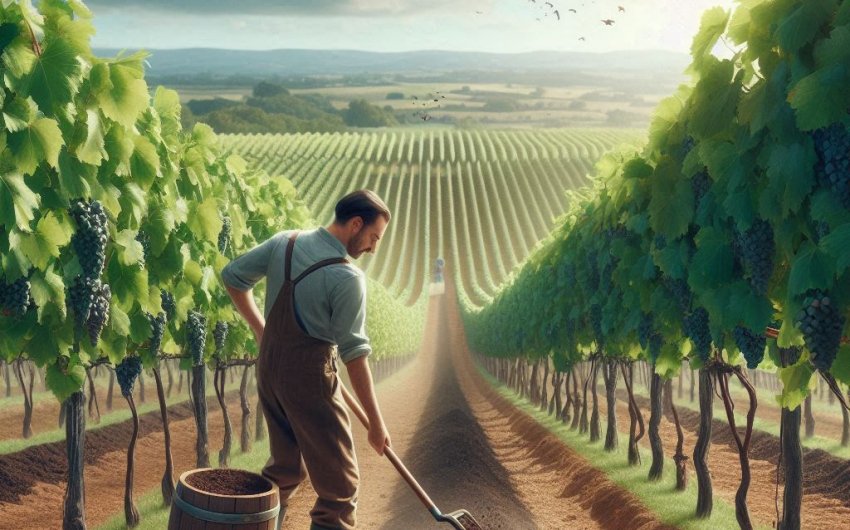
Exploring what are the benefits of composting for viticulture and organic wine production reveals a powerful synergy between sustainable vineyard management and the creation of high-quality, environmentally friendly wines. In an era where consumers increasingly value traceability and ecological practices, compost stands out as a cornerstone of organic and biodynamic viticulture. Far beyond mere waste disposal, integrating compost into vineyard practices enriches the soil, strengthens grapevines, and ultimately contributes to the unique character and health of the resulting wine, all while minimizing environmental impact.
What is Composting in the Context of Viticulture?
Composting in viticulture involves the controlled decomposition of organic materials, particularly vineyard waste, to create a nutrient-rich soil amendment. It's a cornerstone practice in organic and biodynamic winemaking.
- Definition: Compost is the stable, dark, humus-like product of aerobic decomposition of organic matter by microorganisms.
- Key Inputs for Vineyard Compost:
- Grape Pomace: The solid remains of grapes after pressing (skins, seeds, stems). This is a primary and highly valuable component.
- Pruning Clippings: Wood cuttings from dormant pruning, shredded.
- Cover Crops: Green manure crops grown between vine rows, then mowed and added to the compost pile.
- Winery Effluent: Treated wastewater from the winemaking process (used cautiously).
- Animal Manure: From livestock raised on or near the vineyard (e.g., sheep, chickens).
- Other Organic Materials: Straw, leaves, wood chips, etc., sourced from the property.
- Process: These materials are mixed in specific "recipes" (balancing carbon-rich "browns" with nitrogen-rich "greens"), piled, watered, and turned regularly to ensure proper aeration and heating. This process allows beneficial microbes to break down the material into stable compost.
- Goal: The aim is not just waste disposal, but the creation of a living soil amendment that improves vineyard health and sustainability.
What Are the Soil Health Benefits of Composting in Vineyards?
The most profound impact of composting on viticulture is its transformative effect on soil health, which directly translates to vine vigor and grape quality.
Improved Soil Structure and Aggregation:
- Humus Formation: Compost adds humus, the stable organic matter that binds soil particles into aggregates.
- Benefits for Clay Soils: Loosens heavy clay, improving aeration and drainage, preventing compaction and waterlogging around vine roots.
- Benefits for Sandy Soils: Increases water and nutrient retention, making sandy soils less prone to leaching.
- Impact on Roots: Better soil structure allows grapevine roots to penetrate deeper, explore more soil volume, and access water and nutrients more efficiently.
Enhanced Water Management:
- Increased Water Holding Capacity: Humus acts like a sponge, significantly increasing the soil's capacity to hold water. This is crucial in vineyards, especially in regions prone to drought or with limited irrigation.
- Improved Infiltration: Better soil structure allows rainfall and irrigation water to infiltrate the soil more readily, reducing runoff and erosion.
- Reduced Irrigation Needs: By holding more water, compost can reduce the overall need for irrigation, conserving water resources.
Nutrient Cycling and Availability:
Advertisement- Slow-Release Nutrients: Compost is a rich source of essential macro and micronutrients (nitrogen, phosphorus, potassium, calcium, magnesium, iron, etc.). These nutrients are released slowly as microorganisms continue to break down organic matter, providing a steady supply to the vines.
- Reduced Fertilizer Dependence: This slow-release mechanism reduces or eliminates the need for synthetic fertilizers, a key benefit for organic wine production.
- Improved Nutrient Uptake: Compost improves the Cation Exchange Capacity (CEC) of the soil, which is its ability to hold onto and exchange positively charged nutrients with plant roots, making them more available.
Stimulation of Beneficial Microbial Life:
- Living Soil: Compost is teeming with diverse microorganisms (bacteria, fungi, protozoa, nematodes, earthworms). These are the "worker bees" of a healthy soil ecosystem.
- Nutrient Conversion: Microbes convert nutrients into forms usable by plants.
- Disease Suppression: A diverse and robust microbial community can outcompete and suppress harmful soil-borne pathogens, acting as a natural defense mechanism for grapevines.
- Symbiotic Relationships: Many beneficial fungi (mycorrhizae) form symbiotic relationships with vine roots, extending the root system and improving nutrient and water uptake.
pH Buffering:
- Stabilization: Compost helps to stabilize soil pH, making it more neutral or suitable for grapevines, which generally prefer slightly acidic to neutral soils (pH 6.0-7.0). It acts as a buffer against rapid pH fluctuations.
Erosion Control:
- Surface Coverage: When applied as a top-dressing, compost covers the soil surface, protecting it from the erosive forces of wind and rain.
- Improved Structure: Over time, the improved soil structure makes the soil less susceptible to erosion.
How Does Composting Directly Benefit Grapevine Health and Yields?
Beyond general soil health, compost has specific positive impacts on the grapevines themselves, leading to healthier plants and better harvests.
Enhanced Root Development:
- Optimal Environment: The improved soil structure (better aeration, drainage, and water retention) created by compost provides an ideal environment for vine roots to grow deep, widespread, and robust.
- Resilience: Stronger root systems make vines more resilient to environmental stresses like drought, heat, and nutrient deficiencies.
Increased Vine Vigor and Growth:
- Steady Nutrition: The slow, consistent release of nutrients from compost supports steady, balanced vegetative growth, avoiding the sudden growth spurts often caused by synthetic fertilizers, which can be detrimental to fruit quality.
- Balanced Canopy: Healthy growth leads to a well-developed canopy, crucial for photosynthesis and shading the grapes from sunburn.
Improved Disease and Pest Resistance:
- Stronger Immunity: Vines grown in healthy, biologically active soil with balanced nutrition are inherently more resistant to diseases and pest infestations.
- Natural Defense: The beneficial microbes introduced by compost can directly suppress soil-borne pathogens, as well as strengthen the plant's own immune responses.
- Reduced Chemical Reliance: This natural resilience aligns perfectly with organic and biodynamic principles by reducing the need for synthetic fungicides and pesticides.
Higher and More Consistent Yields:
- Better Flowering and Fruit Set: Healthy, well-nourished vines with strong root systems are more likely to have vigorous flowering and successful fruit set.
- Sustained Production: Improved soil health supports sustained long-term productivity of the vineyard, leading to more consistent yields year after year.
Reduced Nutrient Leaching:
- Efficient Use: Compost's ability to hold nutrients and release them slowly means less nutrient runoff into waterways, leading to more efficient nutrient use by the vines and less environmental pollution.
What Are the Advantages of Composting for Organic and Biodynamic Wine Production?
Compost is not just a beneficial practice; it's a foundational element for vineyards committed to organic and biodynamic principles.
Adherence to Organic Certification Standards:
- Prohibited Inputs: Organic viticulture strictly prohibits synthetic fertilizers, pesticides, and herbicides. Compost is a primary approved input for nutrient management and soil building.
- Natural Cycles: Organic farming emphasizes working with natural cycles and building healthy soil rather than relying on external, synthetic inputs. Composting embodies this philosophy.
Enhanced Terroir Expression:
- Unique Soil Signature: Proponents argue that healthy, living soil, nourished by compost, allows the vine to express the unique characteristics of its terroir (the complete natural environment in which a particular wine is produced, including factors such as the soil, topography, and climate).
- Deeper Roots: Vines in well-structured, biologically active soil can explore deeper into the geological layers, potentially accessing minerals and characteristics that contribute to the wine's distinct flavor profile.
- Authenticity: This emphasis on natural soil health is believed to lead to wines that are a more authentic reflection of their specific vineyard site.
Waste Management and Resource Cycling:
- Closed-Loop System: Composting allows vineyards to create a nearly closed-loop system, recycling their own organic waste (pomace, prunings, cover crops) back into the vineyard as a valuable soil amendment.
- Reduced Waste: Diverts significant amounts of organic waste from landfills, reducing environmental impact and disposal costs.
- On-Site Resource: Creates a valuable, renewable resource directly on the vineyard property, reducing the need to purchase external inputs.
Environmental Sustainability and Biodiversity:
- Reduced Carbon Footprint: Composting reduces methane emissions (a potent greenhouse gas) that would otherwise be released if organic waste were to rot in landfills. Applying compost can also help sequester carbon in the soil.
- Water Conservation: As mentioned, compost reduces irrigation needs, conserving water.
- Biodiversity: Promotes a richer soil biodiversity (microbes, earthworms, insects) and can contribute to overall ecosystem health on the vineyard.
- Reduced Chemical Use: A direct result of healthier soil and more resilient vines is a decreased reliance on synthetic chemical interventions.
Branding and Marketing:
- Consumer Demand: There's a growing consumer demand for organically and sustainably produced wines. Highlighting composting practices reinforces a brand's commitment to environmental responsibility.
- Storytelling: The story of how compost nourishes the vines and contributes to the wine's character is a compelling narrative for consumers.
- Premium Perception: Organic and biodynamic wines often command a premium price due to their perceived quality and sustainable production methods.
What Are the Challenges and Best Practices for Composting in Vineyards?
While the benefits are clear, vineyard composting also comes with its own set of challenges and best practices to ensure success.
Challenges:
- Space Requirements: Composting large volumes of vineyard waste requires significant space for piles, turning equipment, and finished compost storage.
- Labor and Equipment: Managing large compost piles (turning, watering) can be labor-intensive and may require specialized equipment like compost turners for efficiency.
- Odor Management: Improperly managed compost piles (too wet, too dense, insufficient aeration) can become anaerobic and produce foul odors, potentially leading to complaints from neighbors.
- Nutrient Balance (C:N Ratio): Achieving the correct carbon-to-nitrogen ratio (typically 25:1 to 30:1) is crucial for efficient decomposition. Vineyard waste inputs like pomace (often high in nitrogen) and woody prunings (high in carbon) need to be carefully balanced.
- Contaminants: Ensuring compost inputs are free from undesirable materials (e.g., herbicide residues on straw, plastics) is vital to avoid contaminating the vineyard soil.
- Pathogen Control: While hot composting kills most pathogens, inadequate temperatures can allow disease-causing organisms to survive.
- Regulatory Compliance: Some regions have regulations regarding composting operations (e.g., proximity to water sources, odor control, waste permits).
Best Practices for Vineyard Composting:
- Site Selection: Choose a well-drained site away from waterways, homes, and public view. Consider access for equipment and water.
- Material Sourcing and Shredding:
- Utilize Vineyard Waste: Maximize the use of grape pomace, prunings, and mowed cover crops. Wood chippers are essential for shredding woody material.
- Diverse Inputs: Aim for a diverse mix of "greens" (nitrogen-rich: pomace, fresh grass, manure) and "browns" (carbon-rich: prunings, straw, leaves).
- Quality Control: Ensure external inputs (manure, straw) are free of persistent herbicides or other contaminants.
- Pile Construction and Size:
- Dimensions: Build piles that are large enough to generate and retain heat (at least 3x3x3 feet), but not so large that they become anaerobic.
- Layering/Mixing: Layer or thoroughly mix green and brown materials to achieve the ideal C:N ratio.
- Temperature Management:
- Monitor: Use a compost thermometer to monitor core temperatures.
- Hot Composting: Aim for temperatures between 130-160°F (55-70°C) for several days, followed by turning. This high heat kills most weed seeds and pathogens.
- Aeration (Turning):
- Regular Turning: Turn piles frequently (e.g., weekly or every few days initially, then less often) to ensure adequate oxygen. This prevents anaerobic conditions and speeds decomposition.
- Moisture Control:
- "Wrung-Out Sponge": Maintain consistent moisture levels, like a wrung-out sponge. Water if too dry; turn if too wet.
- Curing:
- Maturation: Once the pile stops heating up after turning, allow it to "cure" or mature for several weeks to months. This stabilizes the compost and makes it most beneficial for plants.
- Application:
- Timing: Apply finished compost in late fall or early spring, either as a top-dressing, incorporated into new planting rows, or in planting holes.
- Rate: Apply at rates that provide beneficial nutrients without over-fertilizing (a soil test helps determine appropriate rates).
By meticulously implementing what are the benefits of composting for viticulture and organic wine production, vineyards can not only enhance the health and productivity of their vines but also solidify their commitment to environmental stewardship, ultimately contributing to the creation of truly exceptional and sustainably produced wines.