
How Do I Compost Feathers, Wool, and Other Animal By-Products in a Sustainable Way?
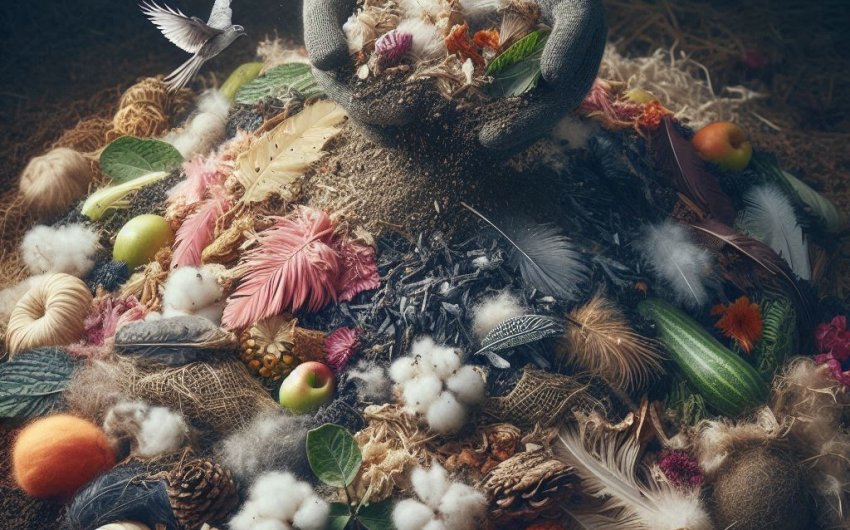
Transforming everyday animal by-products like feathers, wool, and even hair into nutrient-rich soil amendments is an advanced, yet incredibly rewarding, aspect of composting. While many guides focus on kitchen scraps and yard waste, understanding how to compost feathers, wool, and other animal by-products opens up new avenues for reducing waste and enriching your garden in a truly sustainable way. This guide will delve into the specifics, offering practical steps and insights for successfully incorporating these unique materials into your composting routine.
Why Compost Animal By-Products?
Diverting animal by-products from landfills offers significant environmental and gardening benefits. These materials, often discarded as waste, are rich in valuable nutrients that can greatly enhance your soil.
What are the Benefits of Composting Feathers, Wool, and Hair?
Composting these keratin-rich materials provides a slow-release source of essential plant nutrients, improves soil structure, and reduces landfill waste.
- Nutrient-Rich: Feathers, wool, and hair are primarily composed of keratin, a protein high in nitrogen. Nitrogen is a key macronutrient vital for leafy green growth and overall plant vigor. While traditional compost often requires a balance of "greens" (nitrogen) and "browns" (carbon), these by-products offer a unique, concentrated form of nitrogen that breaks down slowly over time.
- Slow-Release Fertilizer: Unlike synthetic fertilizers that provide an immediate flush of nutrients, the decomposition of keratin-rich materials releases nitrogen and other trace minerals gradually. This means plants receive a steady supply of food, reducing the risk of nutrient leaching and over-fertilization.
- Soil Improvement: As these materials break down, they contribute to the organic matter content of your soil. Increased organic matter improves soil structure, enhancing its ability to retain water and nutrients, and promoting better aeration for healthy root growth.
- Waste Reduction: Every pound of feathers, wool, or hair composted is a pound diverted from landfills. This reduces the overall volume of waste and helps decrease methane emissions, a potent greenhouse gas produced when organic materials decompose anaerobically in landfills.
- Sustainable Resource Management: For homesteaders, farmers, or even pet owners, composting these by-products closes the loop, transforming what was once waste into a valuable resource for growing food or ornamental plants. It's a prime example of circular economy principles in action within your own garden.
What Animal By-Products Can Be Composted?
While the focus is on keratin-rich materials, it's important to differentiate between those that are safe and beneficial for composting and those that should be avoided.
Which Keratin-Rich Materials are Safe for Composting?
These materials are fibrous and generally break down over time, providing nitrogen and organic matter.
- Feathers: Chicken, duck, goose, turkey, or any other bird feathers are excellent for composting. They are about 15% nitrogen by weight, making them a potent "green" material. Collect them from poultry processing, coop cleanouts, or even wild bird molts.
- Wool: Raw wool from sheep, alpaca, llama, or even discarded wool fabric scraps (check for synthetic blends) can be composted. Wool is also high in nitrogen, typically around 10-12%. Shredding or chopping wool can accelerate its decomposition.
- Hair: Human hair, pet hair (from grooming dogs, cats, or horses), and even hair from barbershops can be composted. Hair has a similar nitrogen content to wool.
- Hooves and Horns (Crushed/Shredded): While very slow to break down whole, if finely crushed or shredded, these can be added in small quantities. They are also high in nitrogen and calcium. This typically requires specialized equipment or pre-processing.
- Nails: Human fingernail and toenail clippings are keratin, but usually in such small quantities they are negligible.
What Other Animal By-Products Can You Compost (With Caution)?
These materials require specific conditions or methods to be composted safely and effectively.
- Eggshells: Technically not a by-product of the animal itself, but a product. Eggshells are an excellent source of calcium and help aerate the pile. They are best crushed finely to speed up their decomposition. They are not keratin-rich but are a common addition.
- Manure (Herbivore): As mentioned in general composting guides, manure from animals like cows, horses, chickens, and rabbits is a fantastic "green" material, rich in nitrogen. Ensure it's from herbivores and not mixed with pet waste.
- Fish Scraps (Bokashi/Hot Composting Only): While fish is an animal by-product, it's high in protein and can attract pests and create strong odors in a regular compost pile. It is only suitable for Bokashi composting or very active hot composting systems that reach high temperatures consistently.
- Meat and Bones (Bokashi/Hot Composting Only): Similar to fish, meat scraps and bones are generally discouraged in typical home compost piles due to pests and odor. They require highly controlled hot composting (consistently high temperatures above 130°F / 54°C to kill pathogens and break down quickly) or Bokashi composting as a pre-treatment. For most home composters, it is best to avoid these.
What Animal By-Products Should You NEVER Compost?
Introducing the wrong materials can create health hazards, attract pests, or simply not decompose.
- Pet Waste (Dog and Cat Feces): Contains pathogens harmful to humans (e.g., E. coli, roundworms) that typical home composting temperatures may not kill. Not safe for use on food gardens.
- Diseased Animal By-Products: Any material from a diseased animal (e.g., feathers from a bird with a contagious illness) should not be composted, as pathogens could persist.
- Oils, Fats, and Greases (Animal-based): These create anaerobic conditions, attract pests, and slow down decomposition.
- Dairy Products: Attract pests and produce strong odors.
What is the Best Composting Method for Feathers, Wool, and Hair?
Due to their unique composition and slow breakdown rate, feathers, wool, and hair are best suited for methods that either generate high heat or are well-contained and undisturbed.
Why is Hot Composting Ideal for Keratin?
Hot composting, also known as active or thermophilic composting, creates conditions of high heat that significantly accelerate the breakdown of tough materials like keratin.
- High Temperatures (130-160°F / 54-71°C): These temperatures are crucial for breaking down complex proteins in keratin. The heat also helps kill pathogens and weed seeds, making the resulting compost safer and cleaner.
- Faster Decomposition: While keratin still takes time, high temperatures drastically speed up the process compared to cold composting.
- Odor Control: An actively hot pile that is well-aerated generates less offensive odors, as rapid decomposition outcompetes putrefaction.
- Method Overview: Hot composting requires building a relatively large pile (at least 3x3x3 feet), a good balance of "greens" and "browns," consistent moisture, and frequent turning.
Steps for Hot Composting Keratin-Rich Materials:
- Chop and Shred: Break down your keratin materials into the smallest possible pieces.
- Feathers: Can be added whole, but chopping them roughly can help.
- Wool/Hair: Chop into shorter lengths (1-3 inches) using scissors or a shredder. A garden shredder might handle coarse wool, but fine hair and fabric might wrap around blades.
- Layer with Greens and Browns: Build your hot compost pile with alternating layers. Keratin materials act as a strong "green" (nitrogen) source.
- Ratio: Aim for a 2:1 or 3:1 ratio of "browns" (carbon-rich, like dry leaves, shredded cardboard, wood chips) to "greens" (nitrogen-rich, like fresh grass clippings, kitchen scraps, and your keratin materials).
- Embed Deeply: Always bury the keratin materials deep within the pile, surrounded by other materials, especially "browns." This helps contain odors and prevents them from blowing away.
- Ensure Moisture: Keep the pile consistently moist, like a wrung-out sponge. Water as you build the pile if materials are dry.
- Turn Frequently: Turn the pile every few days to once a week. This introduces oxygen, mixes materials, and helps maintain high temperatures throughout the pile. Use a compost aerator or a sturdy pitchfork.
- Monitor Temperature: Use a compost thermometer to track the internal temperature. Aim for 130-160°F (54-71°C). If the temperature drops, it's usually a sign to turn the pile or add more nitrogen/moisture.
Can You Cold Compost Feathers, Wool, and Hair?
Cold composting, or passive composting, is a slower method where you simply add materials to a pile over time without intense management.
- Slower Breakdown: Keratin materials will eventually break down in a cold compost pile, but it will take much longer – often a year or more, sometimes several years for dense wool.
- Potential for Odors/Pests: Because temperatures aren't high, there's a slightly higher risk of attracting pests or generating mild odors if large quantities are added without proper burial.
- Method Overview: Add small quantities of finely chopped feathers, wool, or hair and ensure they are thoroughly mixed and buried within the pile. This method is best for very small, occasional additions, not large batches.
Is Trench Composting a Good Option?
Trench composting involves burying organic materials directly into a trench or hole in the garden soil. This is a very simple, low-effort method.
- Slow Breakdown: Similar to cold composting, the breakdown will be slow, as the soil environment is generally cooler than an active hot pile.
- Direct Nutrient Delivery: Nutrients are released directly into the soil where plants can eventually access them.
- Method Overview: Dig a trench or individual holes 8-12 inches deep in an unused part of your garden. Place your finely chopped keratin materials (along with other kitchen scraps) into the trench, ensuring they are well-covered with at least 6-8 inches of soil to deter pests. Plant on top of the trench after several months, once significant decomposition has occurred.
What About Bokashi Composting for Animal By-Products?
Bokashi composting is an anaerobic (oxygen-free) fermentation process that pickles food waste using beneficial microorganisms.
- Pre-treatment: While Bokashi doesn't "compost" in the traditional sense, it can be an excellent pre-treatment for meat, fish, and potentially very finely chopped feathers/hair (though these are not its primary target). It breaks down complex organic matter into a more digestible form for soil microbes.
- Reduced Odor/Pests: The fermentation process usually prevents foul odors and pest attraction that raw meat/fish/dense keratin might cause.
- Secondary Step: After the Bokashi fermentation (usually 2 weeks in the bucket), the pickled material must then be buried in the soil or added to a traditional compost pile for final decomposition. This method is less common for pure keratin materials but could be used for food scraps that might contain them (e.g., chicken carcass remnants with feathers, though bones will still take a long time).
How Do You Prepare Feathers, Wool, and Hair for Composting?
Proper preparation is critical for faster and more efficient decomposition of these fibrous materials.
Why is Shredding Important?
The smaller the pieces, the larger the surface area exposed to microorganisms, and thus the faster the material will break down.
- Feathers: While you can add them whole, rough chopping with scissors or a shredder will significantly speed up their composting. Some people even put them in a blender with water to create a slurry if they have a dedicated "compost blender."
- Wool and Hair: These materials can be notoriously slow to decompose due to their dense, fibrous structure. Chopping or shredding them into short lengths (1-3 inches) is highly recommended. You can use old scissors, run them through a dedicated shredder (be careful, as long fibers can tangle machinery), or even use a powerful shop vac in reverse with a mulching function, if your model supports it.
- Fleece and Fabric: If composting raw fleece or wool fabric, pull it apart as much as possible or cut it into small scraps. Remove any synthetic threads, buttons, or zippers.
How to Prevent Matting and Airflow Issues?
Dense, fibrous materials can clump together, preventing oxygen from reaching the inner parts of the pile, leading to anaerobic conditions and odors.
- Mix Thoroughly: Always mix feathers, wool, or hair thoroughly with other "brown" and "green" materials. Never add large clumps of these materials by themselves.
- Layer Thinly: Instead of adding a thick layer, distribute them thinly throughout the compost pile.
- Add Bulking Agents: Incorporate coarser "brown" materials like wood chips, straw, or small twigs to help maintain structure and airflow within the pile.
What Are the Key Considerations for Composting Animal By-Products?
Beyond preparation and method, several factors contribute to successful and odor-free composting of keratin-rich materials.
Why is the Carbon-to-Nitrogen Ratio Crucial?
Keratin-rich materials are high in nitrogen ("greens"). Balancing this with enough carbon-rich materials ("browns") is essential for healthy decomposition.
- Too Much Nitrogen: Leads to an ammonia-like smell and can create a slimy, anaerobic mess.
- Too Much Carbon: Slows down decomposition significantly.
- Ideal Ratio: The ideal carbon-to-nitrogen (C:N) ratio for composting is generally around 25:1 to 30:1. Since keratin is very high in nitrogen, you'll need to compensate with a larger volume of "browns."
- Examples of Browns: Dry leaves (C:N 40-80:1), shredded newspaper (C:N 170:1), wood chips (C:N 400-800:1), straw (C:N 40-100:1), cardboard (C:N 200-300:1).
- Practical Application: For every small shovel-full of feathers or a handful of hair, add 3-5 times the volume of dry leaves or shredded cardboard.
How Do You Manage Odors?
A common concern when composting animal by-products is odor. With proper management, odors can be minimized or eliminated.
- Bury Deeply: Always cover fresh additions of feathers, wool, or hair with a thick layer of "browns" (e.g., leaves, wood chips) and existing compost. This acts as a biofilter and prevents odors from escaping.
- Maintain Aeration: Frequent turning (for hot composting) or ensuring good airflow in static piles prevents anaerobic conditions, which are the primary cause of foul, rotten-egg smells.
- Optimal Moisture: Keep the pile moist but not waterlogged. Too much water drives out oxygen and leads to odors.
- Temperature (Hot Composting): High temperatures in a hot compost pile break down materials quickly, before they have a chance to putrefy and smell bad.
How to Deter Pests?
Preventing pests is paramount, especially when composting materials that could be attractive to rodents or insects.
- Avoid Attractants: The biggest rule of thumb is to avoid meat scraps, bones, dairy, and oils in your main compost pile unless you are using a highly managed hot composting system that reaches very high temperatures consistently, or a sealed Bokashi system for pre-treatment.
- Bury Additions: Always bury new additions of feathers, wool, or hair deep within the active compost pile, covered by at least 6-8 inches of other compost materials.
- Secure Bins: Use a well-sealed compost bin or a compost tumbler if rodents are a concern. Wire mesh bins can be more accessible to pests if not well-managed.
- Maintain Hot Pile: A consistently hot compost pile is less attractive to most pests as the rapid decomposition and heat deter them.
When is Your Compost Ready, and How Do You Use It?
The decomposition of keratin-rich materials can be slower than other compostable items, so patience is key.
What Does Finished Compost with Keratin Look Like?
When the compost is ready, you might still see small remnants of thicker feathers or wool fibers, but the bulk of the material should be unrecognizable.
- Dark Brown/Black: Uniformly dark and rich in color.
- Earthy Smell: Smells like fresh soil, with no offensive odors.
- Crumbly Texture: Loosely textured and crumbly, easy to spread.
- Cool to Touch: The pile will no longer be generating heat.
How to Use Compost Enriched with Feathers, Wool, and Hair?
This nutrient-rich compost is excellent for boosting your garden's health.
- Soil Amendment: Work the finished compost into your garden beds before planting vegetables, flowers, or shrubs. It improves soil structure, water retention, and provides a slow-release nitrogen boost, which is particularly beneficial for leafy greens and heavy feeders.
- Top Dressing: Apply a 1-2 inch layer of compost around the base of existing plants. This acts as a slow-release fertilizer, improves soil health, and helps suppress weeds.
- Potting Mix: Mix the compost with potting soil for containers. A general ratio of 1 part compost to 2-3 parts potting mix is a good starting point.
- Turf/Lawn: Spread a thin layer of compost over your lawn and rake it in to improve soil quality and promote healthier grass. A compost spreader can make this easier for larger areas.
Successfully composting materials like feathers, wool, and other animal by-products is a testament to sustainable gardening practices, transforming what was once waste into a valuable asset for your soil. By understanding their unique breakdown process and providing the right composting conditions, you can efficiently enrich your garden while making a significant contribution to waste reduction.