
What Are the Must-Have Tools for Beginner Gardeners?
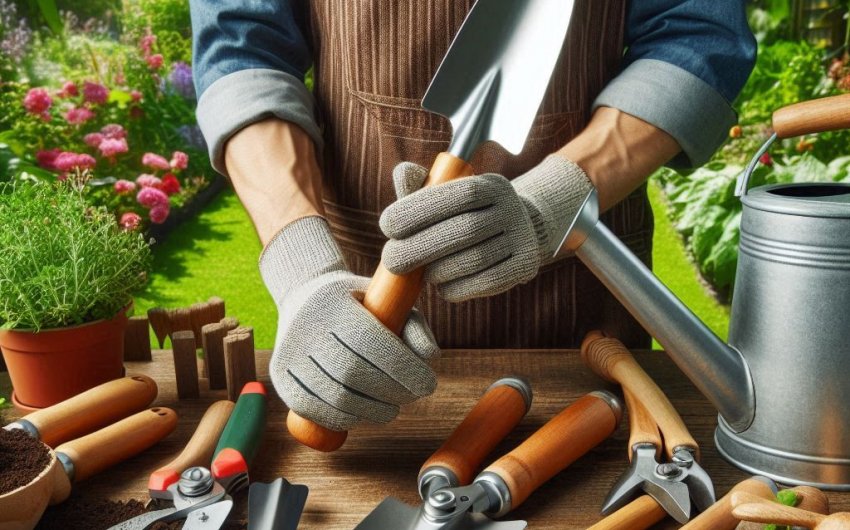
Starting a garden is an incredibly rewarding journey. There's a unique satisfaction in nurturing tiny seeds into thriving plants, watching vibrant blooms emerge, or harvesting fresh, delicious vegetables right from your own backyard. It connects you with nature, offers a peaceful escape, and adds beauty to your home. While the idea of a lush garden might seem daunting at first, especially when faced with rows of specialized equipment at the garden center, the truth is, you don't need a shed full of complex gadgets to begin.
For beginner gardeners, the key is to start simple and smart. Just a few essential garden tools can equip you for most common gardening tasks, from preparing soil and planting seeds to tending your growing plants. Focusing on these fundamental items ensures you have what you need without getting overwhelmed or overspending on things you might not use. Think of it as building a core toolkit that will serve you well as you learn and grow your gardening skills.
This comprehensive guide will walk you through the absolute must-have tools for beginner gardeners. We'll break down why each tool is important, what to look for when buying it, and how it will help you successfully manage your garden, whether it's a small container collection on a balcony or a traditional in-ground vegetable patch. Equipping yourself with these basics will build your confidence and make your gardening experience more enjoyable and productive from day one.
Why Are the Right Tools Important for Beginner Gardeners?
You might think you can just use old kitchen spoons or whatever's in your garage to start gardening. While you can certainly get by, having the right tools makes a huge difference, especially for beginner gardeners.
1. Makes Tasks Easier and More Efficient
Imagine trying to dig a planting hole with a butter knife. It would take forever and be super hard! The right tool is designed for a specific job, making it much quicker and less tiring.
- Less Effort: A sharp trowel cuts through soil easily. A good pair of pruners snips stems cleanly. This means less strain on your hands and back.
- Faster Work: You'll get tasks done more quickly, leaving you more time to enjoy your garden instead of struggling with it.
2. Protects Your Plants
Using the wrong tool can actually harm your plants.
- Clean Cuts: Dull tools can tear or crush stems, leaving jagged wounds that are open to disease. Sharp pruners make clean cuts that heal quickly.
- Gentle Handling: Tools like hand trowels allow you to plant delicate seedlings without damaging their roots.
3. Prevents Injury to Yourself
Gardening involves digging, cutting, and lifting. Proper tools help keep you safe.
- Ergonomics: Many modern tools are designed to fit your hand comfortably and reduce strain, preventing blisters or muscle aches.
- Safety Features: Good tools are sturdy and won't break easily under pressure, which could lead to accidents. Gloves protect your hands from thorns, dirt, and blisters.
4. Saves Money in the Long Run
While you have to buy tools upfront, good quality tools last a long time.
- Durability: Cheap tools break easily, meaning you have to replace them often. Investing in durable, well-made tools saves you money over time.
- Better Results: Effective tools help you garden more successfully, meaning healthier plants and better harvests, which also saves you money on buying produce or replacement plants.
For beginner gardeners, starting with a few quality, must-have tools makes the learning process smoother, more enjoyable, and ultimately more successful.
What Are the Essential Hand Tools for Beginners?
When you're just starting out, a few good hand tools will cover most of your basic gardening needs. These are designed for closer, more detailed work in your garden beds or containers.
1. Hand Trowel
- What it is: A small, scoop-shaped tool with a handle, used for digging small holes.
- Why it's a must-have: This is probably the most used tool for any gardener. It's perfect for:
- Digging holes for planting seedlings or small plants.
- Transplanting (moving) plants.
- Scooping soil or compost.
- Digging out small weeds.
- What to look for:
- Sturdy Construction: Avoid flimsy plastic. Look for a metal (stainless steel or carbon steel are good) blade that extends well into the handle, or one piece construction.
- Comfortable Handle: A handle that fits your hand well, maybe with a non-slip grip.
- Pointed Blade: A slightly pointed or scoop-shaped blade is versatile for digging and scooping.
- Example: A high-quality stainless steel hand trowel is a great investment.
2. Hand Pruners (Bypass Pruners)
- What they are: Small, scissor-like tools designed for cutting stems.
- Why they're a must-have: Essential for keeping your plants healthy and tidy. Use them for:
- Deadheading (removing spent flowers).
- Trimming small branches or stems (up to about 3/4 inch thick).
- Shaping plants.
- Harvesting vegetables like peppers or eggplants.
- What to look for:
- Bypass Design: This means the blades "bypass" each other like scissors, making a clean, precise cut. This is better for live plants than "anvil" pruners (which crush one side of the stem).
- Sharp Blades: Look for high-carbon steel or stainless steel blades.
- Comfortable Grip and Spring Mechanism: Easy to use for extended periods.
- Safety Lock: To keep the blades closed when not in use.
- Example: Bypass pruning shears are perfect for beginners.
3. Cultivator / Hand Fork
- What it is: A small tool with 3-5 short, sturdy tines (prongs) and a handle.
- Why it's a must-have: Great for light soil work and weeding. Use it for:
- Loosening compacted soil in small areas or containers.
- Mixing in compost or fertilizer.
- Breaking up small clumps of dirt.
- Pulling out weeds with shallow roots.
- What to look for:
- Strong Tines: Metal tines that won't bend easily.
- Comfortable Handle: Just like the trowel.
- Example: A garden hand cultivator is often sold with a trowel as a set.
4. Garden Gloves
- What they are: Protective gloves specifically for gardening.
- Why they're a must-have: Protect your hands from:
- Dirt and grime.
- Thorns, sharp branches, and rough surfaces.
- Blisters from repetitive work.
- Insect bites or plant irritants.
- What to look for:
- Comfort and Fit: Should fit snugly but not too tight.
- Durable Material: Look for synthetic materials (like nitrile-coated polyester) or leather for durability and puncture resistance.
- Breathability: To keep your hands from getting too sweaty.
- Good Grip: So tools don't slip.
- Example: A pair of gardening gloves for women or gardening gloves for men is essential.
These four hand tools form the core of your beginner gardener's toolkit, allowing you to perform most small-scale planting, weeding, and maintenance tasks effectively and comfortably.
What Are the Essential Long-Handled Tools for Beginners?
For larger garden beds, raised beds, or in-ground gardening, you'll need a few long-handled tools to save your back and reach further.
1. Garden Spade or Shovel
- What it is: A long-handled tool with a sturdy, flat or slightly curved blade.
- Why it's a must-have: Essential for heavier digging tasks that a hand trowel can't handle. Use it for:
- Digging larger holes for planting shrubs or small trees.
- Turning over soil (if you're starting a new bed).
- Edging garden beds.
- Moving piles of soil, compost, or mulch.
- What to look for:
- Strong Blade: Stainless steel or forged steel for durability.
- Solid Handle: Wood (ash is good) or fiberglass handles are sturdy. Avoid plastic handles that might snap.
- Comfortable Grip: A D-handle or T-handle can be easier to grip and control.
- Foot Rest: A flat spot on top of the blade where you can put your foot to push the shovel into the ground.
- Example: A high-quality garden spade shovel is invaluable.
2. Garden Rake
- What it is: A long-handled tool with a head featuring stiff, short teeth. (Different from a leaf rake, which has long, flexible tines).
- Why it's a must-have: Perfect for preparing soil and leveling beds. Use it for:
- Breaking up clods of soil.
- Smoothing out garden beds after digging.
- Spreading compost or mulch evenly.
- Lightly clearing debris from beds.
- What to look for:
- Sturdy Head: Metal teeth that won't bend easily.
- Solid Handle: Wood or fiberglass.
- Appropriate Width: A standard 14-inch wide head is versatile.
- Example: A bow rake for gardening is a good all-purpose choice.
3. Garden Hoe
- What it is: A long-handled tool with a blade at a right angle to the handle. Many different types exist.
- Why it's a must-have: Primarily for weeding and cultivating larger areas.
- Cutting weeds off at the root level just below the soil surface.
- Breaking up soil crusts.
- Making furrows for planting seeds.
- What to look for:
- Blade Type: For beginners, a dutch hoe (push-pull) or a draw hoe (traditional chopping motion) are good options. A warren hoe is great for making furrows.
- Sharp Blade: A sharp hoe cuts weeds easily.
- Comfortable Handle: Just like other long-handled tools.
- Example: A versatile garden draw hoe will serve you well.
These long-handled tools will help you manage larger areas of your garden efficiently, making tasks like bed preparation and weeding much easier on your body.
What Are Essential Watering Tools for Beginners?
Plants need water to live and grow, so having the right tools to water effectively is crucial for any beginner gardener.
1. Watering Can
- What it is: A portable container for holding and pouring water.
- Why it's a must-have: Ideal for gentle, precise watering of:
- Seedlings and young plants (the gentle shower won't disturb them).
- Container plants where a hose might be too strong.
- Small garden beds.
- Applying liquid fertilizers or plant food.
- What to look for:
- Size: Choose a size that's easy for you to lift when full. 1-2 gallons is usually good for most home gardeners.
- Durable Material: Plastic or galvanized steel are common. Plastic is lighter.
- Removable Rose (Sprinkler Head): A watering can with a removable "rose" (the sprinkler head) allows you to choose between a gentle shower (good for delicate plants) or a steady stream (for deeper watering).
- Good Handle Balance: Easy to pour without straining.
- Example: A durable plastic watering can with sprinkler head is a great starting point.
2. Garden Hose with Adjustable Nozzle
- What it is: A flexible tube that delivers water from your spigot, with a nozzle that controls the water flow.
- Why it's a must-have: For larger garden areas or multiple containers, a hose saves you countless trips with a watering can.
- What to look for:
- Hose Length: Choose a length that easily reaches all areas of your garden without being excessively long and cumbersome. 50-75 feet is common.
- Material: Look for durable, kink-resistant materials. Rubber or hybrid hoses are often better than cheap vinyl.
- Adjustable Nozzle: A good nozzle will have multiple spray patterns (e.g., mist, shower, jet) to suit different watering needs, from delicate seedlings to established plants.
- Example: A kink-resistant garden hose paired with a garden hose spray nozzle with multiple patterns is essential for larger gardens.
3. Soil Moisture Meter (Optional but Recommended)
- What it is: A simple device with a probe that you stick into the soil to measure its moisture level.
- Why it's helpful for beginners: Taking the guesswork out of watering is invaluable. It helps prevent both overwatering (which kills more plants than underwatering) and underwatering.
- What to look for: Simple, battery-free analog meters are easy to use and accurate enough for home gardeners.
- Example: A basic soil moisture meter for plants can save many plants from watering mistakes.
With these watering tools, you'll be well-equipped to provide your plants with the essential hydration they need to thrive, helping you avoid common beginner watering pitfalls.
What Are Some Other Helpful Tools for Beginners?
Once you have your core must-have tools, there are a few other items that aren't strictly essential but can make your gardening life much easier and more enjoyable.
1. Garden Kneeler / Kneeling Pad
- What it is: A padded bench or mat designed to protect your knees while working close to the ground.
- Why it's helpful: Gardening often involves a lot of kneeling. A good kneeler can save your knees from dirt, dampness, and hard surfaces, making your time in the garden much more comfortable. Many models can also be flipped over to become a small bench.
- What to look for:
- Thick Padding: For comfort.
- Durable Material: That won't soak up water.
- Handles (if a pad): For easy carrying.
- Sturdy Frame (if a bench): For stability.
- Example: A garden kneeler seat offers versatility.
2. Wheelbarrow or Garden Cart
- What it is: A single-wheeled cart (wheelbarrow) or a four-wheeled cart, used for moving materials.
- Why it's helpful: If you have a larger garden, moving bags of soil, compost, mulch, or even heavy tools can be a workout. A wheelbarrow or cart makes these tasks much easier, preventing strain.
- What to look for:
- Capacity: Choose a size appropriate for the amount of material you typically move.
- Durability: Metal or heavy-duty plastic body.
- Maneuverability: Test it out to see how easily it turns.
- Example: A classic garden wheelbarrow is always useful.
3. Garden Hori Hori Knife (Soil Knife)
- What it is: A Japanese-inspired multi-purpose knife with a serrated edge on one side and a sharp edge on the other, often with depth markings.
- Why it's helpful: It's a remarkably versatile tool that can often replace several others. Use it for:
- Weeding (excellent for deep taproots).
- Dividing perennials.
- Cutting through small roots.
- Digging.
- Transplanting.
- Opening bags of soil.
- What to look for:
- Stainless Steel Blade: For rust resistance and durability.
- Full Tang: Where the metal of the blade extends into the handle for strength.
- Sheath: For safe storage.
- Example: A Hori Hori garden knife is a favorite among many gardeners.
4. Soil Thermometer
- What it is: A simple thermometer that measures the temperature of the soil.
- Why it's helpful: For vegetable gardeners, knowing your soil temperature is key for successful planting. Many seeds (like corn or beans) won't germinate until the soil reaches a certain warmth. Transplanting warm-season crops too early can stunt their growth.
- What to look for: A simple, long-stemmed thermometer designed for soil.
- Example: A garden soil thermometer helps take the guesswork out of planting times.
While these tools aren't absolutely essential for your very first gardening steps, they are highly recommended as you get more serious and will significantly improve your efficiency and comfort in the garden. Starting with the basics and adding these as you go will build a comprehensive and effective gardening toolkit.