
How Do I Choose the Right Gardening Tools for My Garden Size?
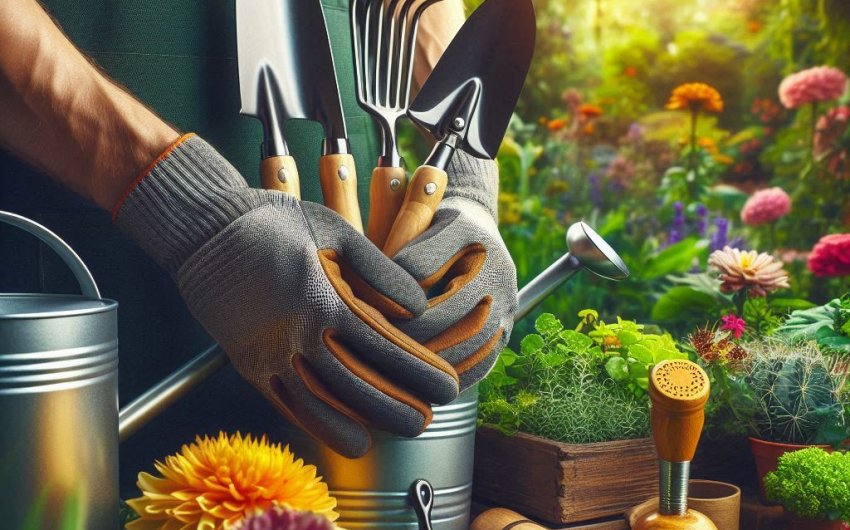
Embarking on a gardening journey, whether it's tending a sprawling backyard oasis or nurturing a cozy balcony container haven, starts with the right equipment. Just as a chef needs specific utensils for different dishes, a gardener benefits immensely from selecting tools that align with the scale and demands of their green space. Understanding how to choose the right gardening tools for your garden size is crucial for efficiency, comfort, and ultimately, gardening success. Armed with the appropriate spades, pruners, and cultivators, you'll find joy in tasks that might otherwise feel like a chore, ensuring your efforts are both productive and enjoyable. This guide breaks down the essential tools for every garden size, from compact urban plots to expansive rural landscapes.
Why Does Garden Size Matter for Tool Selection?
It might seem obvious, but the size of your garden profoundly influences the type, quantity, and even the power source of the tools you'll need. Using the wrong tool for the job can lead to frustration, inefficiency, and unnecessary physical strain.
How Does Tool Choice Affect Efficiency?
- Small Tools for Small Spaces: Trying to use a large, long-handled shovel in a tiny container garden is clumsy and inefficient. Small hand tools are precise and allow you to work without disturbing nearby plants.
- Large Tools for Large Areas: Conversely, attempting to weed a sprawling vegetable patch with only a hand trowel is an exercise in futility. Larger, long-handled tools cover more ground quickly, saving time and effort.
- Power Tools vs. Hand Tools: For vast lawns or extensive garden beds, power tools like lawnmowers, tillers, or hedge trimmers become essential time-savers. For small areas, hand tools are often all you need and provide more control.
How Does Tool Choice Affect Comfort and Effort?
- Ergonomics: The right tool for your garden size also affects your comfort. A tool that's too heavy or too short for a large job can lead to back strain and fatigue.
- Precision vs. Power: Small tools offer precision for delicate tasks, while larger tools are designed for brute force and speed. Matching the tool to the task and scale of your garden prevents overexertion or accidental damage to plants.
- Storage Space: Large tools take up considerable storage space. If you have a small apartment balcony, you simply won't have room for a riding mower or a bulky tiller.
What Are the Essential Tools for a Small Garden (Containers, Balconies, Small Urban Yards)?
Even the most compact green spaces require a few key tools to keep them thriving. The focus here is on portability, precision, and versatility within a limited area.
Hand Trowel
- Purpose: The most fundamental hand tool. Used for digging small holes for planting seedlings, scooping soil, mixing amendments, and light weeding.
- Selection: Look for a sturdy trowel with a strong, rust-resistant blade (stainless steel or forged steel) and a comfortable handle that fits your hand well. A hand trowel is invaluable.
- Why it's essential for small gardens: Perfect for precision work in pots, window boxes, and tight garden beds.
Hand Cultivator/Fork
- Purpose: Used for loosening soil, breaking up small clumps, weeding, and mixing in compost or fertilizer in small areas.
- Selection: Choose a three-pronged or claw-style cultivator with a comfortable handle. Some have a curved shape ideal for weeding. A hand cultivator is great for aeration.
- Why it's essential for small gardens: Aerates soil gently in containers and helps with weeding around delicate plants.
Hand Pruners (Bypass Type)
- Purpose: Essential for deadheading flowers, trimming small branches, shaping plants, and taking cuttings.
- Selection: Bypass pruners (blades overlap like scissors) are best for clean cuts on live stems, which promotes plant health. Look for sharp, durable blades and comfortable ergonomic handles. A pair of bypass pruning shears is a must-have.
- Why it's essential for small gardens: Keeps container plants tidy, encourages blooms, and manages growth in tight spaces.
Small Watering Can or Hose with Adjustable Nozzle
- Purpose: For precise and gentle watering of individual pots and delicate seedlings.
- Selection: A small watering can (1-2 gallon capacity) with a fine rose (sprinkler head) is good. For balcony hoses, a lightweight, expandable hose with an adjustable spray nozzle offers versatility.
- Why it's essential for small gardens: Prevents overwatering or washing away soil in small containers.
Gardening Gloves
- Purpose: Protect hands from dirt, thorns, blisters, and potential irritants.
- Selection: Choose comfortable, durable gloves that fit well. Options range from lightweight fabric gloves for light tasks to more robust, thorn-resistant ones. A good pair of gardening gloves is always recommended.
- Why it's essential for small gardens: Universal protection for any size garden.
What Are the Key Tools for a Medium-Sized Garden (Standard Suburban Yards, Defined Flower Beds, Small Vegetable Patches)?
For a garden that's larger than a balcony but still manageable, you'll need a mix of hand tools and some longer-handled essentials to handle more expansive beds and light landscaping tasks.
Digging Spade or Shovel
- Purpose: For digging holes for larger plants, moving soil, and light trenching. A spade has a flat or slightly curved blade; a shovel has a more curved, pointed blade for scooping.
- Selection: Look for a sturdy blade (forged steel or stainless steel) and a strong handle (ash wood or fiberglass). Consider your height when choosing handle length. A high-quality digging spade is a foundational tool.
- Why it's essential for medium gardens: Efficient for planting shrubs, moving larger amounts of soil, and establishing new beds.
Garden Fork
- Purpose: Excellent for loosening compacted soil, aerating, turning compost, and breaking up stubborn clods. Gentler on soil structure than a shovel.
- Selection: Look for strong, sharp tines made of forged steel. A garden fork is indispensable for soil preparation.
- Why it's essential for medium gardens: Makes preparing garden beds and mixing in amendments much easier.
Garden Rake
- Purpose: For leveling soil, spreading mulch, raking up debris, and preparing seedbeds.
- Selection: A bow rake with strong metal tines is versatile for moving and leveling soil. A leaf rake is separate and used for lighter materials like leaves. A good garden rake makes bed preparation efficient.
- Why it's essential for medium gardens: Speeds up bed preparation and clean-up.
Hoe (Various Types)
- Purpose: Primarily for weeding, but some types can also be used for cultivating or creating furrows.
- Selection:
- Dutch Hoe: Pushes or pulls just below the soil surface to cut weeds.
- Draw Hoe/Grub Hoe: Heavier, for chopping weeds or breaking ground.
- Stirrup Hoe (or Scuffle Hoe): My personal favorite. Its oscillating blade slices weeds just below the surface with a push-pull motion, very efficient. A stirrup hoe is great for ongoing weeding.
- Why it's essential for medium gardens: Significantly reduces weeding time and effort.
Hand Cultivator (Long-Handled)
- Purpose: Similar to the hand cultivator but with a longer handle, allowing you to work standing up, covering more ground without bending.
- Selection: Look for sturdy tines and a comfortable, ergonomic handle length appropriate for your height.
- Why it's essential for medium gardens: More efficient for aerating larger areas and weeding in wider beds.
Wheelbarrow or Garden Cart
- Purpose: For moving soil, compost, mulch, plant material, and tools around the garden.
- Selection: A wheelbarrow is good for heavier loads and uneven terrain. A garden cart (four wheels) offers better stability and often a larger capacity, easier to pull.
- Why it's essential for medium gardens: Saves countless trips and reduces physical strain.
What Are the Power Tools and Large Equipment for a Large Garden (Large Properties, Extensive Lawns, Orchard, Large Vegetable Gardens)?
For extensive properties, manual labor alone won't suffice. Power tools and specialized larger equipment become indispensable for efficient management.
Lawn Mower (Riding or Walk-Behind)
- Purpose: For maintaining large lawn areas.
- Selection:
- Walk-Behind (Self-Propelled): For lawns up to about 1/2 acre. Choose between gas, electric (corded or battery), and consider features like bagging, mulching, or side-discharge. A self-propelled lawn mower reduces effort.
- Riding Mower/Zero-Turn: For lawns over 1/2 acre. Significantly reduces mowing time. A riding lawn mower is a major investment but essential for vast areas.
- Why it's essential for large gardens: Manages large expanses of grass efficiently.
Garden Tiller/Rototiller
- Purpose: For breaking up and preparing large areas of soil for planting, incorporating amendments, or turning over cover crops.
- Selection:
- Front-Tine Tiller: Lighter, more maneuverable, good for smaller garden plots or softer soil.
- Rear-Tine Tiller: More powerful, heavier, better for breaking new ground or very tough soil. A rear-tine tiller is a beast for serious soil prep.
- Why it's essential for large gardens: Saves immense manual labor for soil preparation.
String Trimmer/Weed Wacker
- Purpose: For trimming grass in hard-to-reach areas, around fences, trees, and garden beds where a mower can't go.
- Selection: Gas-powered for heavy duty and long run times, electric (corded or battery) for lighter duty and convenience. Look for ergonomic design. A cordless string trimmer offers great mobility.
- Why it's essential for large gardens: Creates a clean, finished look in extensive landscapes.
Hedge Trimmer
- Purpose: For shaping and maintaining hedges and shrubs.
- Selection: Electric (corded or battery) for typical suburban hedges, gas-powered for very large or dense hedges. Consider blade length and weight. A battery hedge trimmer is convenient for most homeowners.
- Why it's essential for large gardens: Maintains formal hedges and large shrubs efficiently.
Chainsaw
- Purpose: For cutting down larger branches, felling small trees, or cutting firewood.
- Selection: Electric (corded or battery) for smaller jobs, gas-powered for heavy-duty work. Prioritize safety features.
- Why it's essential for large gardens: For properties with many trees or significant woody growth. ALWAYS use with extreme caution and proper chainsaw safety gear.
Chipper Shredder
- Purpose: For breaking down branches and garden debris into mulch or compostable material.
- Selection: Electric for lighter duty, gas-powered for larger branches and higher volume.
- Why it's essential for large gardens: Manages large amounts of garden waste, turning it into valuable resources.
What Are Universal Gardening Tools (Good for Any Garden Size)?
Some tools are so versatile and fundamental that they belong in every gardener's shed, regardless of garden scale.
Pruning Shears (Hand Pruners)
Even with larger cutting tools, a good pair of hand pruners (bypass type) is indispensable for precise cuts on smaller branches, deadheading, and harvesting. Always choose a quality, comfortable pair.
Gardening Gloves
No matter the size of your garden, protecting your hands from dirt, blisters, and thorns is always a good idea. Keep a few pairs on hand for different tasks.
Watering Hose with Adjustable Nozzle
While a watering can is good for small pots, a sturdy garden hose with an adjustable spray nozzle is essential for watering ground beds and larger containers. Look for a durable hose that resists kinking.
Hand Trowel
Its versatility for planting, weeding, and scooping makes it a must-have for all gardeners.
Small Garden Fork/Cultivator
For quick weeding around plants or aerating small areas, a hand cultivator is always useful, even if you have larger tools.
What are Important Factors to Consider Beyond Garden Size?
While garden size is primary, other factors significantly impact your tool choices and budget.
Your Budget
- Invest in Quality: It's better to buy fewer, higher-quality tools that will last for years than many cheap ones that break quickly. For primary tools like pruners, shovels, and hoes, quality pays off.
- Buy as Needed: You don't need every tool at once. Start with the essentials for your garden size and acquire more specialized tools as your needs evolve or as specific tasks arise.
- Rent Larger Equipment: For very large or infrequent tasks (e.g., tilling a new garden plot, using a chipper shredder), consider renting equipment rather than buying it.
Your Physical Abilities
- Ergonomics: Choose tools with ergonomic handles and comfortable grips that reduce strain. This is especially important if you have joint issues or limited strength.
- Weight: Pay attention to the weight of tools. Lighter tools are easier to maneuver for extended periods.
- Long Handles: For bending or kneeling discomfort, long-handled tools can save your back.
- Battery-Powered Options: Consider battery-powered versions of mowers, trimmers, and hedge trimmers if you want to avoid gas fumes, cords, or heavy pulling. They are becoming increasingly powerful and efficient.
Type of Soil
- Heavy Clay Soil: If you have very heavy clay soil, you'll need robust tools. Look for forged steel shovels, digging forks with strong tines, and powerful tillers.
- Sandy Soil: Lighter tools might suffice for sandy soil, but you'll still appreciate durability.
Climate and Specific Garden Tasks
- Winter Maintenance: In areas with heavy snow, a good snow shovel or snow blower might be considered a "garden tool."
- Orchard: If you have fruit trees, loppers, pruning saws, and even a pole pruner will be essential.
- Pond/Water Features: Specialized tools for pond cleaning might be needed.
- Raised Beds: You might find hand tools and shorter-handled implements more useful than very long-handled ones.
Storage Space
- Assess Available Space: Before buying large tools, ensure you have adequate storage in a shed, garage, or secure outdoor storage box.
- Organization: Invest in tool racks, pegboards, or wall-mounted hangers to keep tools organized and extend their life. A tool storage rack can make a huge difference.
By carefully assessing your garden's dimensions, your specific gardening activities, and your personal needs, you can confidently choose the right gardening tools for your garden size, turning garden chores into satisfying and efficient tasks.