
What Are the Essential Hand Tools Every Gardener Should Own?
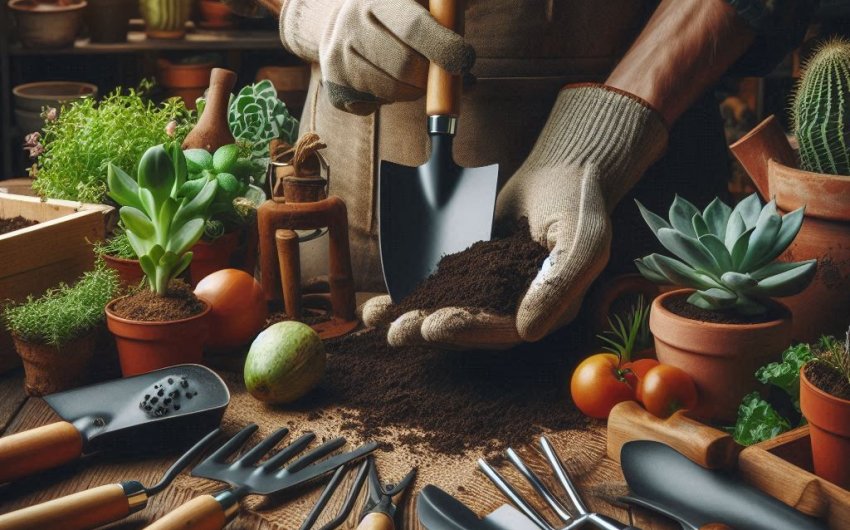
Embarking on a gardening journey, whether you're a complete beginner or a seasoned green thumb, requires more than just a love for plants. Having the right gardening tools can make all the difference, transforming daunting tasks into enjoyable activities. Just as a chef needs specific utensils for cooking, a gardener relies on a carefully chosen set of hand tools to prepare soil, plant seeds, manage weeds, and nurture blooms. These everyday implements are the unsung heroes of the garden, enabling precision and efficiency in countless chores.
Choosing essential gardening tools can feel overwhelming with so many options available. However, a core collection of reliable, high-quality garden implements will cover most of your needs, ensuring you're well-equipped for any task that comes your way. This guide will walk you through the fundamental tools that every gardener should consider owning, explaining their uses and what to look for when making a purchase. Get ready to equip yourself for a more productive and pleasurable gardening experience!
What Are the Absolute Must-Have Digging Tools?
Digging is fundamental to almost every gardening activity, from planting to weeding. Having the right digging tools makes these tasks much easier on your body and more effective for your plants.
Why Do You Need a Hand Trowel?
A hand trowel is arguably the most essential and versatile tool in any gardener's arsenal. It's like an extension of your hand for smaller, more delicate digging tasks.
- Uses: A garden trowel is perfect for digging small holes for planting seedlings and bulbs. It's also great for transplanting smaller plants, scooping soil amendments into containers, and gently breaking up clods of dirt. Many gardeners also use it for precise weeding around delicate plants.
- What to Look For:
- Material: Opt for a stainless steel trowel or carbon steel. Stainless steel is rust-resistant and easy to clean, while carbon steel is very strong. Avoid plastic trowels, which can break easily.
- Handle: Look for a comfortable handle that fits your grip, ideally with a non-slip coating. Ergonomic handles can reduce hand fatigue during long gardening sessions. Some ergonomic trowels are designed to put less strain on your wrist.
- Blade Design: A slightly curved or scoop-shaped blade is generally more effective for moving soil. Some trowels have marked depth measurements on the blade, which is handy for consistent planting depths.
- Full Tang Construction: This means the metal of the blade extends all the way through the handle, making the tool much stronger and less likely to break where the blade meets the handle. This is a sign of a durable garden tool.
A good quality hand trowel will be a reliable workhorse for countless seasons in your garden, making it a top contender for your first essential gardening tool.
Is a Hand Fork Really Necessary?
While a trowel is great for scooping, a hand fork (also known as a cultivator) excels at breaking up compacted soil and aerating the garden bed.
- Uses: A garden hand fork is ideal for loosening soil before planting, especially in smaller areas or containers. It's fantastic for gently cultivating around existing plants without damaging their roots, mixing in compost or fertilizer, and breaking up stubborn clods of soil. It's also very effective for carefully weeding by loosening the soil around weed roots, making them easier to pull out.
- What to Look For:
- Tines: Look for strong, sharp tines made of stainless steel or forged carbon steel that won't bend easily. Three or four sturdy tines are common.
- Handle: Similar to a trowel, a comfortable, ergonomic handle is important for grip and reducing strain.
- Construction: Again, full tang construction or a very secure attachment of the tines to the handle indicates durability. A heavy-duty hand fork will last a lifetime.
Having both a trowel and a hand fork gives you a versatile duo for nearly all your close-up digging and soil preparation tasks.
Why is a Digging Spade or Shovel Important?
For larger digging tasks that involve more muscle, a full-sized digging spade or shovel is indispensable. While not strictly a "hand tool" in the smallest sense, it's a fundamental manually operated tool.
- Uses: A garden spade is perfect for turning over garden beds, digging larger holes for trees and shrubs, dividing perennials, and moving substantial amounts of soil or compost. A shovel, with its more curved blade, is better for scooping and moving loose materials.
- What to Look For:
- Blade Material: Look for a strong blade made of forged steel or stainless steel. A polished stainless steel blade will glide through soil more easily and resist rust.
- Blade Shape: A spade typically has a flatter, straighter blade ideal for cutting into soil, while a shovel has a more rounded or pointed blade for scooping. For general gardening, a pointed spade or round-point shovel is very versatile.
- Handle Material: Hardwood (like ash) is traditional and durable, but fiberglass handles are also very strong and lightweight. Look for a D-handle or T-handle for a secure grip and leverage.
- Foot Rest/Step: A small "lip" on the top of the blade where you can put your foot significantly helps in pushing the spade into tough soil, saving your back. A steel digging spade with a foot rest is highly recommended.
Choosing a quality spade or shovel will make heavy-duty tasks much more manageable and less strenuous.
What Are the Essential Cutting and Pruning Tools?
Cutting and pruning are routine tasks in any garden, from harvesting flowers to shaping shrubs and removing dead growth. Sharp, effective cutting tools are vital for the health of your plants.
Why Are Pruning Shears (Bypass and Anvil) a Must-Have?
Pruning shears, often called hand pruners or secateurs, are perhaps the most frequently used cutting tool for gardeners. You'll likely need two main types for different cutting needs.
- Uses: These are used for making clean cuts on branches and stems up to about 3/4 inch thick. They are essential for deadheading (removing spent flowers), trimming back perennials, shaping small shrubs, and harvesting vegetables and flowers.
- Bypass Pruners: These work like scissors, with two blades that bypass each other. They create a clean, precise cut that is ideal for live stems, as they minimize crushing and damage to the plant tissue. This is crucial for plant health. Look for bypass pruning shears with sharp, hardened steel blades.
- Anvil Pruners: These have one sharp blade that closes against a flat "anvil" plate. They are better suited for cutting dead, woody stems, as they tend to crush rather than slice. They can be good for tougher jobs where precision isn't as critical.
- What to Look For:
- Blade Material: High-carbon steel or stainless steel blades hold an edge well and resist rust.
- Sharpness: Ensure the blades are very sharp out of the box. A good pair of pruners can also be sharpened over time. Consider a pruning shear sharpener.
- Ergonomics: Test them out to ensure they fit your hand comfortably and the spring mechanism is smooth. Some have rotating handles or adjustable widths for different hand sizes.
- Safety Lock: A secure locking mechanism is vital to keep the blades closed when not in use.
Investing in a good pair of bypass pruners is essential for maintaining plant health and making clean cuts.
When Do You Need Loppers?
For branches too thick for hand pruners, loppers step in. They provide extended reach and greater leverage.
- Uses: Garden loppers are designed for cutting thicker branches, typically from 1 inch up to 2 inches in diameter, depending on the model. They are ideal for pruning larger shrubs, small trees, and deadwood.
- What to Look For:
- Handle Length: Longer handles provide more leverage, making cutting easier. Look for handles between 24 and 36 inches.
- Blade Type: Like pruners, loppers come in bypass (for live wood) and anvil (for dead wood) styles. For general garden use, bypass loppers are usually more versatile.
- Gears/Compound Action: Some loppers have gearing mechanisms that multiply your cutting power, making it easier to cut through tough branches. A compound action lopper can significantly reduce effort.
- Blade Material: Look for hardened steel blades that are sharp and durable.
Loppers are a valuable addition for larger pruning tasks, saving wear and tear on your hand pruners and your hands.
Why is a Pruning Saw Useful?
For branches too large for even loppers, a pruning saw becomes necessary.
- Uses: A garden pruning saw is designed for cutting through branches thicker than 2 inches in diameter, up to several inches, depending on the saw type. It's used for removing larger limbs from trees and shrubs, or cutting up fallen branches.
- What to Look For:
- Blade Type: Pruning saws have coarse, sharp teeth designed to cut on the pull stroke (for safety and efficiency). Curved blades can make it easier to cut at awkward angles.
- Handle: A comfortable, non-slip handle is important for safety and control.
- Folding vs. Fixed Blade: A folding pruning saw is safer and more portable, while a fixed blade saw might be sturdier for very heavy use.
- Tooth Pattern: Look for impulse-hardened teeth, which stay sharper longer.
A pruning saw completes your cutting arsenal, allowing you to tackle almost any branch size you'll encounter in a typical garden.
What Are the Essential Weeding Tools?
Weeding is an ongoing battle in almost every garden. Having dedicated weeding tools can make this chore less tedious and more effective.
Why is a Hand Weeder (Dandelion Tool) Important?
For individual weeds with taproots, a specialized hand weeder is invaluable.
- Uses: Often called a dandelion weeder, this tool has a long, narrow, V-shaped or forked tip designed to plunge deep into the soil and pry up weeds with taproots (like dandelions, thistles, or dock) by cutting or loosening their root. It's also useful for removing deeply rooted grasses.
- What to Look For:
- Strength: The metal shaft should be strong and resist bending. Stainless steel or forged steel is best.
- Sharpness: A sharp, V-shaped tip will penetrate the soil and cut roots more easily.
- Leverage Point: Some have a curved fulcrum near the handle that helps provide leverage against the ground, making it easier to pop out stubborn weeds. A dandelion weeding tool with this feature is very effective.
- Handle: A comfortable handle, similar to a trowel or hand fork, is important.
This specific tool saves a lot of back-breaking effort when dealing with persistent taproot weeds.
Is a Hoe Necessary for Weeding?
For larger areas or rows, a hoe is highly efficient for shallow weeding and cultivation.
- Uses: A garden hoe is excellent for slicing weeds just below the soil surface, disturbing their roots, and cultivating or preparing soil in rows. It's used with a sweeping motion and allows you to weed while standing.
- What to Look For:
- Type: There are many types of hoes. A draw hoe (or traditional garden hoe) is good for chopping and moving soil. A collinear hoe (or stirrup hoe) has a sharp, oscillating blade that slides just under the soil surface to cut weeds at the root, making it very efficient for light weeding. A stirrup hoe is often preferred for general weeding.
- Blade Material: A sharp, strong steel blade is crucial.
- Handle Length: A long handle that allows you to stand upright while working reduces back strain.
- Weight: Not too heavy, but with enough heft to cut through soil easily.
A good hoe can significantly speed up weeding tasks in larger garden beds.
What Other Essential Tools Should Every Gardener Have?
Beyond digging, cutting, and weeding, a few other miscellaneous tools are incredibly helpful for general garden maintenance and protection.
Why are Garden Gloves a Non-Negotiable?
While not a "tool" in the digging or cutting sense, garden gloves are absolutely essential for protecting your hands.
- Uses: They protect your hands from thorns, blisters, dirt, moisture, and potential irritants in the soil or plants. They provide a better grip on tools and can prevent splinters.
- What to Look For:
- Material: Look for gloves made from durable materials like synthetic leather, nitrile coating, or deerskin. Cotton gloves offer less protection and get wet easily. A nitrile-coated glove offers good grip and water resistance.
- Fit: Gloves should fit snugly but comfortably, allowing for good dexterity. Too loose, and they'll get in the way; too tight, and they'll restrict movement.
- Protection Level: For thorny tasks (like roses), choose heavier-duty, gauntlet-style gloves that protect your forearms. For general tasks, lighter, breathable gloves are fine.
- Water Resistance: Water-resistant or waterproof gloves are useful for working in damp conditions.
Never underestimate the importance of a good pair of gardening gloves to keep your hands safe and comfortable.
Why is a Watering Can or Hose with a Sprayer Important?
Proper watering is fundamental to plant health. Having the right equipment for it is vital.
- Uses: A watering can is great for precise watering of seedlings, potted plants, or small garden areas. It allows you to deliver water directly to the plant's base, avoiding wetting foliage unnecessarily (which can promote disease). A garden hose with a good spray nozzle is essential for larger areas, allowing for more efficient watering and variable spray patterns.
- What to Look For (Watering Can):
- Capacity: Choose a size that's manageable when full. One to two gallons is often a good balance.
- Spout: A long, slender spout allows for precise watering. A rose (sprinkler head) attachment provides a gentle, rain-like spray, perfect for delicate seedlings. A metal watering can with rose is durable and effective.
- What to Look For (Hose & Nozzle):
- Hose Length & Material: Choose a length that reaches all parts of your garden without stretching. Look for durable, kink-resistant materials like rubber or hybrid polymers. A flexi-hose is lightweight and expands with water pressure.
- Nozzle: A sturdy hose nozzle with multiple spray patterns (e.g., mist, shower, jet) offers versatility for different watering needs. Metal nozzles are often more durable than plastic. A multi-pattern hose nozzle is a great investment.
Efficient watering is a cornerstone of successful gardening, and these tools make it simple and effective.
What is a Garden Kneeler or Mat For?
Working at ground level can be tough on your knees and back. A garden kneeler offers much-needed comfort and protection.
- Uses: A gardening kneeler provides a soft cushion for your knees when weeding, planting, or performing other tasks at ground level. Some models can even be flipped over to become a small bench, useful for sitting or for holding tools.
- What to Look For:
- Padding: Thick, durable foam padding offers the best comfort.
- Durability: Look for water-resistant material that can withstand dirt and moisture. A heavy-duty garden kneeler will last longer.
- Portability: Lightweight and easy to carry around the garden. Some have handles for easy transport.
- Dual Function: A kneeler bench combination provides versatility.
Protecting your body while gardening is just as important as protecting your plants. A kneeler is a small investment that yields big comfort.
How to Care for Your Essential Hand Tools?
Even the best gardening tools will not last if they are not properly maintained. A little care goes a long way in ensuring your tools remain sharp, rust-free, and ready for action.
Why is Cleaning Tools After Each Use Important?
Leaving dirt and sap on your tools is a recipe for rust and dullness.
- Removes Sap and Soil: Plant sap can be sticky and corrosive, while soil can trap moisture. Cleaning them off prevents rust and keeps blades sharp.
- Prevents Disease Spread: Soil and sap can harbor plant disease pathogens. Cleaning tools, especially pruning shears, prevents spreading diseases from one plant to another. This is crucial for healthy plant growth.
- How to Clean:
- Wipe Down: After each use, wipe off soil and plant debris with a rag.
- Wash (if needed): For stubborn dirt, wash with warm, soapy water. For sticky sap, use rubbing alcohol or a specialized sap remover.
- Disinfect (for pruners): If you've pruned diseased plants, or routinely, dip blades in a 10% bleach solution (1 part bleach to 9 parts water) or wipe with rubbing alcohol to disinfect.
- Dry Thoroughly: Always dry tools completely before storing them. Moisture is the enemy of metal.
A simple bucket with water and a brush, or a spray bottle of rubbing alcohol, kept near your garden, makes this task quick and easy.
How Often Should You Sharpen Blades?
Sharp blades make clean cuts, which are better for your plants and easier for you.
- Why Sharpen: Dull blades tear and crush plant tissue, making cuts messy and leaving plants vulnerable to disease. Sharp blades make tasks less strenuous.
- Frequency: How often you sharpen depends on how much you use your tools and what you're cutting. For frequently used tools like pruners, sharpening a few times during the growing season (or at least at the beginning and end) is recommended. Shovels and hoes can be sharpened less often.
- How to Sharpen:
- Pruners and Loppers: Use a pruning tool sharpener or a sharpening stone. Follow the original bevel (angle) of the blade. Only sharpen the cutting edge.
- Shovels and Hoes: A file or grinding wheel can be used to sharpen the edge.
- Safety: Always wear garden gloves and eye protection when sharpening.
Sharp tools not only make gardening more efficient but also reduce strain on your hands and wrists, making them a key aspect of garden tool maintenance.
Why is Oiling Tools Important for Rust Prevention?
After cleaning and drying, a protective layer of oil prevents rust, especially for tools stored for the off-season.
- Prevents Rust: Metal exposed to air and moisture will rust over time. A thin layer of oil creates a barrier, protecting the metal. This is especially important for tools that are not stainless steel.
- Lubricates Moving Parts: For pruners and loppers, a drop of oil on the pivot points ensures smooth operation.
- How to Oil:
- After cleaning and drying, wipe metal parts (especially blades) with a rag lightly coated in linseed oil, mineral oil, or a specialized tool protecting oil.
- For wooden handles, periodically rub them with linseed oil to keep the wood from drying out and cracking.
Regular oiling is a small step that significantly extends the lifespan of your essential gardening tools, keeping them in prime condition year after year. Proper care ensures your investment in durable garden implements truly pays off.