
How Do I Maintain and Care for My Gardening Tools?
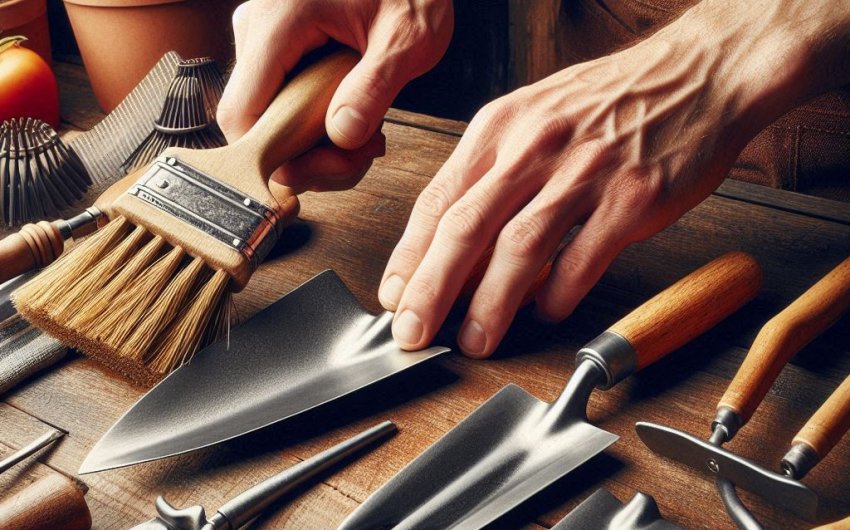
Ensuring the longevity and optimal performance of your gardening equipment is paramount for any diligent gardener. Knowing how do I maintain and care for my gardening tools effectively will not only extend their lifespan but also make your yard work more efficient and enjoyable. From basic cleaning to sharpening and rust prevention, a consistent care routine safeguards your investment and keeps your tools in peak condition for every task.
Why is Tool Maintenance Important?
Regularly asking yourself, "How do I maintain and care for my gardening tools?" and actively performing that maintenance is far more than just a chore; it's an investment that pays dividends in efficiency, safety, and longevity. Neglecting your tools can lead to a host of problems that impact your gardening experience and wallet.
Extends Tool Lifespan (Saves Money):
- Prevents Deterioration: Proper cleaning, drying, and oiling prevent rust, corrosion, and rot. Rust weakens metal, leading to breakage, while untreated wood handles can crack and splinter.
- Reduces Replacement Costs: Well-maintained tools last for years, sometimes decades. This means you won't have to constantly replace expensive items like pruning shears or shovels, saving you money in the long run.
- Preserves Quality: High-quality tools are an investment. Maintenance helps them retain their original functionality and appearance.
Improves Efficiency and Performance:
- Sharp Blades Cut Better: A sharp shovel digs more easily, a sharp hoe slices through weeds effortlessly, and sharp pruners make clean cuts on plants. Dull tools require more force, leading to slower work and poorer results.
- Smooth Operation: Clean and lubricated moving parts (like on loppers or hedge trimmers) operate smoothly, reducing friction and making the tool easier to use.
- Less Effort: When tools are in good condition, they perform their intended function with less physical effort from you, reducing fatigue and making gardening more enjoyable.
Enhances Safety:
- Prevents Accidents: Dull blades can slip, causing injuries. Loose or splintered handles can break during use, leading to falls or uncontrolled swings. Rust can weaken tools, making them prone to snapping.
- Clean Cuts Reduce Plant Disease: Sharp, clean pruning tools make precise cuts on plants. Ragged cuts from dull or dirty blades can injure plant tissue, creating open wounds that are highly susceptible to bacterial and fungal infections. This is especially critical when pruning trees or shrubs.
- No Contamination: Cleaning tools after use, particularly after working with diseased plants, prevents the spread of pathogens from one plant to another or across your garden.
Increases Enjoyment and Satisfaction:
Advertisement- Comfortable Use: Working with clean, sharp, and well-maintained tools is simply more pleasant. They feel good in your hands and perform as they should.
- Pride in Ownership: Taking care of your tools fosters a sense of pride in your gardening practice and your equipment.
- Ready When You Are: Well-maintained tools are always ready for immediate use, saving you time and frustration when you want to get straight to gardening.
In essence, tool maintenance isn't a separate, optional task; it's an integral part of responsible gardening. By consistently asking, "How do I maintain and care for my gardening tools?" and acting on the answers, you ensure that your tools are always ready to support your passion for a beautiful and thriving garden.
What is the Basic Cleaning Routine for Gardening Tools?
A foundational understanding of how do I maintain and care for my gardening tools begins with a consistent and thorough cleaning routine after every use. This simple step is critical in preventing rust, inhibiting disease spread, and ensuring your tools remain effective.
Immediate Post-Use Cleaning (The Golden Rule):
- Remove Debris: As soon as you're finished with a tool, take a moment to wipe off any dirt, sap, plant residue, or soil. Don't let it dry and harden on the tool.
- Materials to Use:
- Stiff Brush: A stiff bristle brush (like a wire brush for heavy dirt or a nylon brush for lighter debris) is excellent for scrubbing off stubborn soil from shovels, hoes, and trowels.
- Damp Cloth: A damp rag or old towel is good for wiping down blades and handles.
- Scraper: For really caked-on mud, a putty knife or a piece of wood can help scrape it off.
- Why it's Important: Dirt and sap left on tools can hold moisture, leading to rust. Sap, especially from resinous plants, can gum up moving parts and harbor fungal spores or bacteria.
Washing (When Needed):
- Rinse with Water: For tools that have been heavily soiled with mud or sticky sap, a quick rinse with a garden hose is appropriate.
- Avoid Soaking: Never soak tools in water, especially those with wooden handles, as this can cause wood to swell, crack, or rot, and promotes rust on metal parts.
- Mild Soap Solution: For very greasy or stubborn residue, a bucket of warm water with a few drops of mild dish soap can be used. Scrub with a brush.
Drying Thoroughly:
- Critical Step: After washing, it is absolutely crucial to dry all metal parts completely. Water is the primary cause of rust.
- Methods:
- Towel Dry: Use an old towel or rag to wipe down all metal surfaces.
- Air Dry (with precautions): If air-drying, ensure tools are placed in a warm, dry area with good air circulation. Do not leave them outside overnight or in a damp shed. Ideally, a few minutes in the sun can help evaporate remaining moisture.
- Use Compressed Air (Optional): For complex tools or those with crevices, a blast of compressed air can ensure all moisture is removed.
Removing Rust (If Present):
- Early Stage Rust: For light surface rust, you can often remove it with a stiff wire brush, steel wool, or even a crumpled piece of aluminum foil dipped in a little water or vinegar.
- More Stubborn Rust: For heavier rust, consider using:
- Sandpaper: Medium-grit sandpaper (100-150 grit) can be effective.
- Rust Remover Solution: Products like WD-40 Rust Remover Soak are designed to dissolve rust. Follow product instructions carefully, and ensure good ventilation.
- Vinegar Soak: Soaking rusty metal parts in white vinegar for a few hours (or overnight for severe rust) can help loosen rust. Scrub with a brush afterward.
- Always Dry After Rust Removal: No matter the method, thoroughly dry the tool immediately after rust removal to prevent it from re-forming.
Sanitizing (Especially Cutting Tools):
- Why Sanitize? To prevent the spread of plant diseases (fungi, bacteria, viruses) from infected plants to healthy ones. This is especially important for pruning shears, loppers, and saws.
- When to Sanitize:
- After working on a diseased plant.
- Between pruning different plants, especially if one seems unhealthy.
- At the beginning and end of pruning sessions.
- Methods:
- 70% Isopropyl Alcohol: The easiest and most common method. Wipe blades with a cloth soaked in isopropyl alcohol. It evaporates quickly.
- Bleach Solution: A 1:9 bleach-to-water solution (1 part bleach to 9 parts water). Soak blades for 5-10 minutes, then rinse thoroughly and dry completely to prevent rust.
- Lysol/Disinfecting Wipes: Can be used for quick sanitation, but ensure they are effective against plant pathogens.
- Heat: Passing blades quickly through a flame (e.g., from a propane torch) can also sterilize them, but be careful not to overheat and damage tempered steel.
By consistently following this basic cleaning routine, you're laying the essential groundwork for proper tool care, answering the core question of "how do I maintain and care for my gardening tools" on a day-to-day basis.
How Do You Sharpen and Lubricate Gardening Tools?
Beyond basic cleaning, effective sharpening and lubrication are crucial steps in answering "How do I maintain and care for my gardening tools?" These practices ensure your cutting tools perform cleanly and your moving parts operate smoothly, reducing strain and prolonging tool life.
Sharpening Cutting Tools:
Sharp blades are safer and more efficient. Dull blades tear and crush plant tissue, leading to damage that invites disease, and they require excessive force, which can cause injury to you.
Tools to Sharpen:
- Pruning Shears/Secateurs: Handheld cutters for smaller branches.
- Loppers: Long-handled cutters for thicker branches.
- Hedge Shears: For trimming hedges.
- Shovels/Spades: For digging and cutting through roots.
- Hoes: For weeding and cultivating.
- Axes/Hatchets: For chopping wood.
- Lawnmower Blades: While not strictly hand tools, they also need sharpening.
Sharpening Tools and Materials:
- Whetstone/Sharpening Stone: Classic method, using oil or water to create a slurry. Come in various grits. A combination sharpening stone (coarse and fine sides) is versatile.
- Diamond Files/Sharpeners: Durable and effective on hard steel. Often come in pen-like shapes for easy handling. A diamond sharpening rod is good for curved blades.
- File (Mill Bastard File): Good for heavier tools like shovels, hoes, and axes. A metal file with handle is recommended.
- Bypass Pruner Sharpener: Small, handheld sharpeners specifically designed for bypass pruners. A bypass pruner sharpener is convenient.
- Safety Gloves: Always wear cut-resistant gloves when sharpening.
- Clamp/Vise: To hold tools securely, especially larger ones.
General Sharpening Steps:
- Clean the Blade: Thoroughly clean the blade before sharpening to remove all dirt, sap, and rust.
- Identify the Bevel: Most cutting tools have a single beveled edge (a sloping surface) on one side, while the other side is flat. Sharpen only the beveled side. Shear-type tools (like bypass pruners) have bevels on both sides that meet, requiring careful sharpening of both.
- Maintain the Angle: This is the most crucial part. Hold the sharpening tool at the original angle of the blade's bevel. Try to match it exactly.
- Consistent Strokes: Push the sharpening tool across the beveled edge in consistent strokes, moving away from your body. Apply even pressure. Repeat several times.
- Check for Burr: After sharpening, a "burr" (a tiny wire edge) will form on the opposite, flat side of the blade. You can feel it with your thumb (carefully!). Remove this burr by making one or two gentle, flat strokes across the flat side of the blade with your sharpening stone or file.
- Test Sharpness: Test the blade on a piece of paper or a small branch. A sharp blade will cut cleanly.
- Lubricate: After sharpening, apply a thin coat of oil to the blade to prevent rust.
Specific Sharpening Tips:
- Pruners/Loppers: For bypass pruners, sharpen only the outside beveled edge of the upper blade. Leave the inner flat edge untouched. For anvil pruners, sharpen the bevel of the single cutting blade.
- Shovels/Hoes: Use a mill bastard file. Hold the tool securely (in a vise if possible). File at the existing angle of the blade.
- Lawnmower Blades: Remove the blade, clean it, and use a file or a specialized lawnmower blade sharpener to maintain the cutting angle. Ensure the blade remains balanced to prevent vibration.
Lubricating Moving Parts:
Lubrication prevents friction, rust, and keeps tools operating smoothly.
Tools to Lubricate:
- Pruning Shears/Secateurs
- Loppers
- Hedge Shears
- Folding Saws
- Any tool with a pivot point or moving parts.
Lubrication Materials:
- Light Machine Oil: Such as 3-in-One Multi-Purpose Oil or mineral oil.
- Penetrating Oil: Like WD-40 (for freeing rusty joints, then follow with a more durable oil).
- Boiled Linseed Oil: Excellent for treating wooden handles (see next section).
Lubrication Steps:
- Clean First: Always clean the tool thoroughly before lubricating. Dirt and grit will turn oil into an abrasive paste.
- Apply Oil: Apply a few drops of light machine oil to the pivot point (the bolt or rivet where the blades cross) and any other moving parts.
- Work it In: Open and close the tool several times to work the oil into the mechanism.
- Wipe Excess: Wipe off any excess oil with a clean cloth to prevent it from attracting dirt.
By diligently following these sharpening and lubrication guidelines, you'll ensure your gardening tools not only look good but perform at their peak, extending their life and making your gardening tasks more efficient and enjoyable. This is a critical component of how do I maintain and care for my gardening tools.
How Do You Care for Wooden and Plastic Handles?
The handles of your gardening tools are just as important as the metal blades. Knowing how do I maintain and care for my gardening tools extends to ensuring the comfort, safety, and longevity of their handles, whether they are made of wood or plastic.
Caring for Wooden Handles:
Wooden handles, often found on shovels, rakes, hoes, and older pruning tools, offer a natural grip but require regular attention to prevent splintering, cracking, and rot.
Cleaning Wooden Handles:
- Wipe After Use: After each use, wipe down wooden handles with a damp cloth to remove dirt and grime.
- Avoid Soaking: Never soak wooden handles in water or leave them lying in wet grass or soil. Prolonged moisture is wood's worst enemy, leading to swelling, cracking, and rot.
- Scrub if Needed: For stubborn dirt, a stiff brush and mild soapy water can be used, but ensure immediate and thorough drying afterwards.
Sanding and Smoothing:
- Inspect Regularly: Periodically inspect wooden handles for rough spots, splinters, or hairline cracks.
- Sand Down: Use medium-grit sandpaper (around 100-150 grit) to smooth out any rough patches or splinters. Follow up with finer-grit sandpaper (220 grit) for a smoother finish.
- Benefits: Smooth handles are more comfortable to grip, prevent blisters and splinters, and allow protective oils to penetrate more effectively.
Oiling and Protecting Wooden Handles:
- Purpose: Oiling moisturizes the wood, prevents it from drying out, cracking, and becoming brittle. It also provides a protective barrier against moisture.
- Recommended Oils:
- Boiled Linseed Oil: This is the gold standard for wooden tool handles. It penetrates the wood, hardens, and forms a durable, water-resistant finish. It's often found at hardware stores. Apply boiled linseed oil carefully, following product instructions for application and disposal of rags (they can spontaneously combust).
- Tung Oil: Another excellent natural oil that provides a durable finish.
- Mineral Oil: A food-safe, non-toxic option, though it may require more frequent reapplication than linseed or tung oil.
- Application:
- Ensure the handle is clean and dry.
- Apply a generous coat of oil with a clean cloth, rubbing it into the wood.
- Let the oil soak in for 15-30 minutes.
- Wipe off any excess oil thoroughly.
- Repeat this process 2-3 times for new or very dry handles. For ongoing maintenance, one coat every few months or seasonally is usually sufficient.
- Frequency: Oil wooden handles at least once or twice a year, or more frequently if they are exposed to harsh conditions or start to look dry.
Addressing Cracks:
- Small Cracks: For minor cracks, sanding and oiling can sometimes help seal them.
- Serious Cracks: If a crack is significant or compromises the handle's strength, it's safer to replace the handle or the entire tool to prevent breakage during use, which can lead to serious injury.
Caring for Plastic and Fiberglass Handles:
Plastic and fiberglass handles are generally more low-maintenance than wood, but they still benefit from some care to ensure their longevity.
Cleaning Plastic and Fiberglass Handles:
- Wipe After Use: Simply wipe off dirt, mud, and grime with a damp cloth or sponge. For stubborn residue, use mild soapy water.
- Rinse Thoroughly: If you've used soap, rinse the handle well to remove all residue.
- Dry: While plastic and fiberglass are impervious to rot, drying them helps prevent water spots and keeps them looking clean.
UV Protection (for Plastic):
- Fade and Brittleness: Over time, prolonged exposure to UV rays (sunlight) can cause plastic handles to fade, become brittle, and crack.
- Storage: Store plastic-handled tools out of direct sunlight in a shed or garage.
- Protective Sprays (Optional): For tools that are frequently left out, a UV-protectant spray (like those used for car interiors or outdoor furniture) can extend their life, but this is often overkill for most home gardeners.
Inspect for Damage:
- Check for Cracks: Regularly inspect plastic and fiberglass handles for cracks or signs of wear.
- Splinters (Fiberglass): In rare cases, very old or damaged fiberglass handles can develop small, irritating fiberglass splinters. If this happens, it's best to wear gloves when using the tool or consider replacing it.
By dedicating a little time to care for the handles, you're directly contributing to the answer of "how do I maintain and care for my gardening tools," ensuring they remain comfortable, safe, and ready for all your gardening tasks.
How Do You Store Gardening Tools Properly?
Proper storage is the final, crucial component in the answer to "How do I maintain and care for my gardening tools?" Even the most diligently cleaned, sharpened, and lubricated tools will quickly deteriorate if stored incorrectly. Effective storage protects your investment and keeps your workspace organized.
Clean Before Storage:
- Always Clean: This cannot be stressed enough. Before putting any tool away for short-term or long-term storage, ensure it is completely clean of all dirt, sap, and plant debris. Refer to the "Basic Cleaning Routine" section for detailed steps.
- Sanitize Cutting Tools: If the tool has been used on diseased plants, sanitize the blades before storing.
Dry Completely:
- Prevent Rust: Moisture is the enemy of metal tools. After cleaning, ensure all metal parts are thoroughly dried, ideally with a towel. If air drying, choose a warm, well-ventilated spot. Do not put away damp tools.
Oil Metal Parts (Especially for Long-Term Storage):
- Rust Prevention: After cleaning and drying, apply a thin coat of protective oil to all metal parts of your tools.
- Recommended Oils:
- Light Machine Oil: A few drops on blades and pivot points works well.
- Mineral Oil: A non-toxic option.
- Linseed Oil: For rust prevention on shovels, hoes, etc., you can wipe down the blade with a rag lightly soaked in boiled linseed oil.
- Sprays: A light spray of WD-40 (more for displacing moisture) or a dedicated tool rust preventative spray can also be used.
- Benefits: This creates a barrier against moisture and air, significantly reducing the risk of rust formation, especially during humid periods or winter storage.
Protect Wooden Handles:
- Oil Regularly: If your tools have wooden handles, ensure they are oiled periodically (as discussed in the "Caring for Wooden and Plastic Handles" section) before long-term storage to prevent drying, cracking, and splintering.
Choose a Proper Storage Location:
- Dry and Sheltered: The most important factor is a dry, sheltered location that protects tools from the elements (rain, snow, direct sunlight, extreme humidity).
- Options:
- Shed/Garage: Ideal for storing all types of gardening tools. Ensure good ventilation.
- Outdoor Storage Box: A weatherproof outdoor storage box can work for smaller tools if a shed or garage isn't available, but ensure it's truly waterproof and has some ventilation.
- Tool Bench/Cabinet: For smaller hand tools, a dedicated bench or cabinet provides organized, protected storage.
Organize for Easy Access and Safety:
- Hang Tools: Utilize wall space by hanging long-handled tools (shovels, rakes, hoes) on hooks or a tool rack organizer. This keeps them off the floor, preventing tripping hazards and keeping them dry.
- Bucket/Caddy for Hand Tools: Keep smaller hand tools (trowels, cultivators, pruners) in a designated bucket, caddy, or drawer so they are easy to find and don't get lost or damaged. A gardening tool caddy helps keep them organized.
- Sharp Edges Covered: For cutting tools, consider using blade guards or storing them in a way that protects the sharp edge and prevents accidental cuts (e.g., in a sheath or on a designated hanger).
- Heavy Tools at the Bottom: Store heavier items on lower shelves or secure them properly to prevent them from falling.
Special Considerations for Power Tools:
- Follow Manufacturer's Instructions: Always consult the owner's manual for specific storage instructions for electric or gas-powered tools (lawnmowers, string trimmers, leaf blowers).
- Fuel Stabilization: For gas-powered tools, use a fuel stabilizer or drain the fuel completely before long-term storage.
- Battery Removal: For battery-powered tools, remove the battery for long-term storage and store it according to manufacturer recommendations (often partially charged in a cool, dry place).
- Clean and Inspect: Clean power tools thoroughly, inspect for wear, and address any issues before storing them.
By integrating these proper storage techniques into your routine, you'll complete the comprehensive answer to "how do I maintain and care for my gardening tools," ensuring they remain safe, functional, and ready for years of productive gardening.