
What Are the Best Types of Gloves for Gardening?
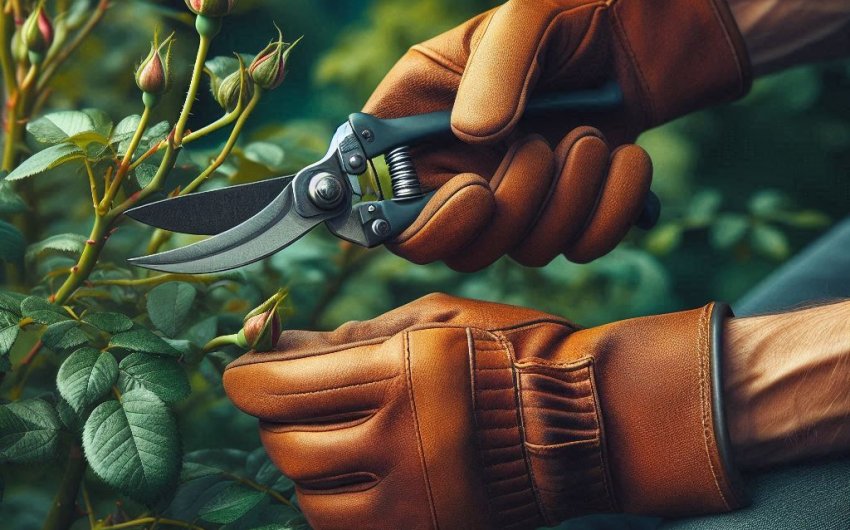
Working in the garden can be a truly enjoyable and relaxing activity, but without the right protection, it can quickly lead to discomfort, dirt, and even injury. That's why having the proper gardening gloves is absolutely essential for anyone who loves to get their hands dirty. From protecting against thorns and sharp tools to keeping your hands clean and dry, the best types of gloves can make all the difference in your gardening experience. They are more than just a barrier; they are an important tool that ensures comfort, safety, and efficiency while you tend to your plants and soil.
Why Are Gardening Gloves So Important?
Many people might think that any old pair of gloves will do for gardening, but that's often not the case. Gardening gloves are specifically designed to offer protection and enhance your ability to work with plants and soil. They are not just about keeping your hands clean; they are about safety, comfort, and even helping you do a better job. Once you start using the right kind of gloves for different tasks, you'll wonder how you ever managed without them.
What Are the Main Benefits of Wearing Them?
The benefits of wearing gardening gloves are numerous and cover several key areas:
- Protection from Thorns and Splinters: This is perhaps the most obvious benefit. Roses, thorny bushes, and even some herbs can inflict painful pokes. Digging in soil can also lead to splinters from wood chips or hidden debris. Specialized thorn-proof gardening gloves can completely prevent these common injuries.
- Defense Against Irritants: Many plants, like poison ivy, stinging nettle, or even some common garden flowers, can cause skin irritation, rashes, or allergic reactions. Gloves create a barrier that keeps these irritants away from your skin. Even fertilizers and pesticides can be harmful if they come into direct contact with your hands, making protective gloves crucial.
- Keeping Hands Clean and Dry: Digging in soil, especially wet soil, can make your hands incredibly dirty, and that dirt can get under your fingernails and deep into your skin. Gloves keep your hands clean, making cleanup much easier after a long day in the garden. They also protect against moisture, which can lead to chapped or raw skin.
- Improved Grip: Many gloves feature textured palms or special coatings that provide a better grip on tools, pots, and even wet plants. This reduces the chance of tools slipping, which can be dangerous, and makes it easier to handle delicate items.
- Blister Prevention: Repetitive motions like digging, raking, or pruning can lead to painful blisters. Gloves provide a cushioned layer that reduces friction, keeping your hands comfortable even during extended gardening sessions.
- Protection Against Cuts and Scrapes: While not as robust as work gloves, many gardening gloves offer a degree of protection against minor cuts from sharp edges of pots, broken glass, or small garden debris.
Can Any Glove Be a Gardening Glove?
No, not really. While you can use any glove to garden, the experience will likely be far from ideal, and you'll miss out on crucial protection.
- Thin Household Gloves: These might keep your hands clean, but they offer almost no protection against thorns, sharp objects, or blisters. They also tear very easily.
- Work Gloves: Regular work gloves, like those used for construction, might offer good durability, but they often lack the dexterity needed for fine gardening tasks. They can be too bulky for handling small seedlings or tying up plants.
- Fashion Gloves: These are obviously not designed for gardening and would offer no practical benefits.
Gardening gloves are specifically engineered with materials and designs that balance protection, comfort, and dexterity, making them superior for garden-specific tasks. They come in various types, each suited for different jobs, which is why choosing the right pair makes such a significant difference.
What Factors Should You Consider When Choosing Gardening Gloves?
Selecting the best gardening gloves isn't a one-size-fits-all situation. The ideal pair depends on the type of gardening you do most often, the level of protection you need, and your personal comfort preferences. Thinking about these factors before you buy will help you find gloves that you'll actually enjoy wearing.
What Material is Best for Different Tasks?
The material of your gardening gloves is perhaps the most important factor, as it dictates durability, flexibility, and protection.
- Cotton or Fabric Gloves: These are lightweight, breathable, and inexpensive. They are good for light tasks like planting seeds, weeding delicate beds, or pruning small flowers where you need a lot of dexterity and don't encounter thorns. They offer basic dirt protection and some breathability. However, they offer minimal protection against thorns or punctures and get wet easily. A typical pair of cotton garden gloves is great for light duty.
- Nylon or Polyester with Coating (Nitrile, Latex, Polyurethane): These are perhaps the most popular and versatile gardening gloves. The fabric base makes them breathable and flexible, while a coating on the palm and fingertips provides grip, water resistance, and puncture protection.
- Nitrile-coated gloves: These are very durable, offer excellent grip (even when wet), and are puncture-resistant. They are good for general gardening, weeding, planting, and light pruning. They are also latex-free, which is great for those with allergies. A common choice is a nitrile coated garden glove.
- Latex-coated gloves: Offer superior grip and flexibility but can be less durable than nitrile and may cause issues for people with latex allergies.
- Polyurethane-coated (PU) gloves: Very thin and offer excellent dexterity, making them feel like a second skin. They are good for precision tasks but offer less puncture protection.
- Leather Gloves (Goatskin, Cowhide, Deerskin): Leather is fantastic for heavy-duty tasks where robust protection is needed.
- Goatskin gloves: Are soft, supple, and offer excellent dexterity while still providing good puncture and thorn resistance. They are a popular choice for rose gardening gloves. They are often comfortable for long periods. Look for a pair of goatskin gardening gloves.
- Cowhide gloves: Are thicker and more durable, making them ideal for very heavy-duty tasks like clearing brush, handling rough materials, or using power tools. They offer superior abrasion resistance but are less dexterous.
- Deerskin gloves: Offer a balance of softness and durability, molding to your hand over time for a very comfortable fit. They are often a premium choice. Leather gloves are generally not waterproof, though some may be treated for water resistance. They can get stiff when wet and dry.
- Rubber or PVC Gloves: These are fully waterproof and provide excellent protection against chemicals, very wet soil, or slimy conditions. They are ideal for mixing fertilizers, cleaning ponds, or working with very damp materials. However, they offer less dexterity and can make your hands sweat. A pair of waterproof gardening gloves is often made of these materials.
- Synthetic Leather/Suede: Offers some of the durability and feel of real leather but can be more resistant to water and easier to wash. Often found in gloves designed for general garden work.
How Does Fit Affect Performance and Comfort?
The fit of your gardening gloves is crucial. Gloves that are too big will bunch up, reduce your grip, and make delicate tasks difficult. Gloves that are too small will feel tight, restrict movement, and be uncomfortable, potentially leading to blisters or hand fatigue.
- Snug but Not Tight: Aim for a fit that is snug around your fingers and palm, without being constricting. You should be able to move your fingers freely and comfortably.
- Finger Length: Ensure the glove fingers are long enough so that your fingertips comfortably reach the end of the glove, but not so long that there's excessive material bunching up at the tips.
- Wrist Closure: Many gloves have an elasticized cuff or an adjustable hook-and-loop closure at the wrist. A good wrist closure helps keep dirt out and ensures the glove stays put while you work. For some tasks, a longer gauntlet cuff is important.
Always check the sizing chart provided by the manufacturer, as sizes can vary between brands. If possible, try them on before buying, especially if you have unusually large or small hands.
Is Dexterity More Important Than Protection for Some Tasks?
Yes, absolutely. The balance between dexterity and protection is a key consideration when choosing gardening gloves.
- High Dexterity, Less Protection: For tasks like planting tiny seeds, thinning seedlings, tying up delicate plants, or picking small fruits, you need gloves that allow for fine motor skills. Thin, coated nylon/polyester gloves or very supple goatskin gloves are excellent for these jobs. They prioritize feeling what you're doing over heavy-duty puncture resistance.
- High Protection, Less Dexterity: When you're dealing with thorny bushes, sharp pruners, rough soil, or clearing dense brush, maximum protection is paramount. This is where thick leather gloves or gloves with reinforced palms come in. You might sacrifice some finger sensitivity, but your hands will be safe.
- Versatility: For general gardening, many people opt for a mid-range glove that offers a good balance of both. Nitrile-coated gloves are often a good compromise, providing decent protection while still allowing for a good feel.
Many experienced gardeners own several different pairs of gardening gloves, each suited for specific tasks, ensuring they always have the right tool for the job.
What Are the Best Types of Gloves for Specific Gardening Tasks?
Gardening is a varied hobby, involving everything from delicate planting to heavy-duty digging and pruning. Just as you wouldn't use a trowel to dig a large hole, you shouldn't use one type of glove for every single task. Understanding the specialized designs of gardening gloves will help you pick the perfect pair for each job.
What Gloves Are Best for Rose Pruning and Thorns?
When dealing with thorny plants like roses, blackberries, or pyracantha, standard gloves simply won't cut it. You need specialized thorn-proof gardening gloves that offer superior puncture resistance.
- Long Gauntlet Rose Gloves: These are the gold standard for rose pruning. They feature a long cuff, often extending past the forearm, to protect not just your hands but also your forearms from scratches and thorns. The hand portion is typically made from thick, puncture-resistant leather (often goatskin or cowhide), while the gauntlet can be leather or a tough canvas. A popular choice is a rose pruning glove with long gauntlet.
- Thick Leather Gloves: Even if they don't have the long gauntlet, a good pair of thick leather gloves, especially made from cowhide or a heavy-duty synthetic, can provide excellent protection against thorns. Ensure the leather is robust enough not to be easily punctured.
- Reinforced Palms and Fingertips: Look for gloves that have extra layers of material or padding in the palm and fingertip areas, as these are the most common points of contact with thorns.
The key here is material density and overall coverage. You want a glove that thorns simply cannot penetrate.
What Gloves Are Best for General Weeding and Planting?
For everyday tasks like weeding, planting annuals, sowing seeds, and light pruning, you need gloves that offer a balance of comfort, dexterity, and basic protection.
- Nitrile-Coated Gloves: As mentioned before, these are incredibly versatile and popular. The breathable fabric back (nylon or polyester) keeps your hands comfortable, while the nitrile coating on the palm and fingers provides excellent grip (even in wet soil), good puncture resistance for small thorns or sharp debris, and keeps your hands relatively clean and dry. They are often thin enough to allow for good dexterity for handling seedlings. A multi-pack of nitrile garden gloves is a staple for many gardeners.
- Gardening Claws/Digging Gloves: While not for all tasks, some gloves come with built-in plastic claws on the fingertips of one hand, allowing you to dig, plant, and rake without tools. These can be surprisingly effective for light weeding and digging in soft soil. A pair of garden genie gloves can be fun and useful.
- Lightweight Leather or Synthetic Leather: For those who prefer a more natural feel, thin goatskin gloves or synthetic leather gloves offer good dexterity and some protection without being too bulky.
The best general-purpose gloves will feel like a second skin while still offering enough barrier to keep your hands comfortable and clean.
What Gloves Are Best for Heavy-Duty Tasks?
When it comes to the really tough jobs – clearing overgrown areas, handling rough lumber, moving rocks, digging extensively, or using heavy tools – you need gloves that prioritize durability and maximum protection.
- Cowhide Leather Gloves: These are your workhorses. Cowhide is the toughest and most durable type of leather, offering superior abrasion resistance and protection against cuts, scrapes, and large splinters. While they might be less dexterous than goatskin, their robustness is unmatched for demanding tasks. A heavy-duty pair of cowhide work gloves is a wise investment.
- Reinforced Work Gloves: Look for gloves specifically designed as "utility" or "heavy-duty" work gloves. They often feature reinforced palms, padded knuckles, and sometimes cut-resistant materials. They might be made from tough synthetic blends, offering extreme durability.
- Leather Gauntlet Gloves (non-rose specific): Similar to rose gloves but often with thicker leather throughout, these provide extended protection up the forearm for tasks that involve reaching into dense brush or handling materials with sharp edges.
For these jobs, dexterity takes a backseat to ensuring your hands are fully shielded from significant hazards.
What Gloves Are Best for Wet or Chemical Tasks?
Sometimes you need to work with water, mud, or even garden chemicals like fertilizers or pest control solutions. For these situations, waterproof and chemical-resistant gloves are essential.
- Long-Cuff Rubber or PVC Gloves: These are fully waterproof and provide a barrier against liquids and many chemicals. The long cuffs protect your wrists and forearms from splashes. They are ideal for cleaning water features, working in very muddy conditions, applying liquid fertilizers, or using certain garden sprays. They can be found as waterproof long cuff gloves.
- Dishwashing-Style Gloves (Heavy-Duty): While standard dishwashing gloves are too thin, heavier-duty rubber gloves designed for industrial or cleaning tasks can work well for light chemical handling or tasks in standing water.
- Nitrile-Coated with Waterproof Liner: Some more advanced gardening gloves might feature a waterproof liner combined with a nitrile coating, offering a balance of water resistance, grip, and some breathability.
Always ensure that any glove used for chemicals is specifically rated for chemical resistance, as not all rubber or PVC gloves offer the same level of protection against corrosive substances. Check the chemical's label for specific PPE (Personal Protective Equipment) recommendations.
How Do You Care for Your Gardening Gloves?
Your gardening gloves work hard to protect your hands, so giving them a little care in return will help them last longer and stay comfortable. Proper cleaning and storage are essential, no matter what type of glove you use.
What's the Best Way to Clean Different Glove Materials?
Cleaning your gloves after use prevents dirt buildup, odors, and can extend their lifespan.
- Fabric/Coated Gloves (Cotton, Nylon, Polyester with Nitrile/Latex/PU):
- Shake off excess dirt: Before wetting, try to shake off or brush off as much dry dirt as possible.
- Hand wash: Most can be hand washed in a sink with warm water and a mild detergent (like dish soap). Gently scrub the soiled areas.
- Machine wash (check label): Some coated fabric gloves are machine washable on a gentle cycle with cold water. Always check the care label first. Avoid hot water, which can damage coatings.
- Rinse thoroughly: Make sure to rinse all soap residue away.
- Air dry: Squeeze out excess water, reshape the gloves, and hang them to air dry away from direct sunlight or heat. Never put them in a dryer, as heat can shrink them or damage coatings.
- Leather Gloves (Goatskin, Cowhide, Deerskin):
- Brush off dirt: Use a stiff brush to remove any dried mud or dirt.
- Wipe clean: For stubborn spots, lightly wipe the surface with a damp cloth. Avoid soaking leather gloves, as water can make them stiff and crack when they dry.
- Mild soap (if necessary): If very dirty, use a very small amount of saddle soap or a leather cleaner designed for gloves. Apply sparingly with a damp cloth, then wipe off.
- Air dry slowly: This is critical for leather. Reshape the gloves and let them air dry naturally, away from direct heat (like radiators or sunlight). You can stuff them lightly with paper towels to help them hold their shape as they dry. Once dry, they might feel a bit stiff; you can "break" them in again by flexing your hands.
- Condition: After drying, apply a leather conditioner to keep the leather soft and prevent cracking. A leather conditioner for gloves is a good investment.
- Rubber/PVC Gloves:
- Rinse thoroughly: Simply rinse them off with water to remove dirt and chemicals.
- Wipe dry: Wipe them dry with a cloth or let them air dry.
- Avoid harsh chemicals: Unless they are specifically designed for strong chemical resistance, avoid using abrasive cleaners on them.
Where Should You Store Your Gloves?
Proper storage keeps your gardening gloves in good condition and makes them easy to find for your next gardening session.
- Clean and Dry Before Storing: Always ensure your gloves are completely clean and dry before putting them away. Storing damp gloves can lead to mold, mildew, and unpleasant odors, and can damage materials.
- Cool, Dry Place: Store them in a cool, dry place away from direct sunlight and extreme temperatures. Sunlight can degrade materials like rubber and some synthetics over time.
- Hang Them: Hanging gloves helps them air out and maintains their shape. You can use clothespins on a line or clips. Some gloves come with a loop for hanging.
- Avoid Crushing: Don't just stuff them into a drawer or tool bag where they can get crushed or lose their shape.
- Organize by Type: If you have multiple pairs for different tasks, store them in a way that makes it easy to grab the right pair – perhaps in separate bins, on hooks, or in a designated garden glove area.
By taking these simple steps to care for your gardening gloves, you'll ensure they remain comfortable, protective, and ready for all your outdoor projects.