
What Tools Are Best for Container Gardening?
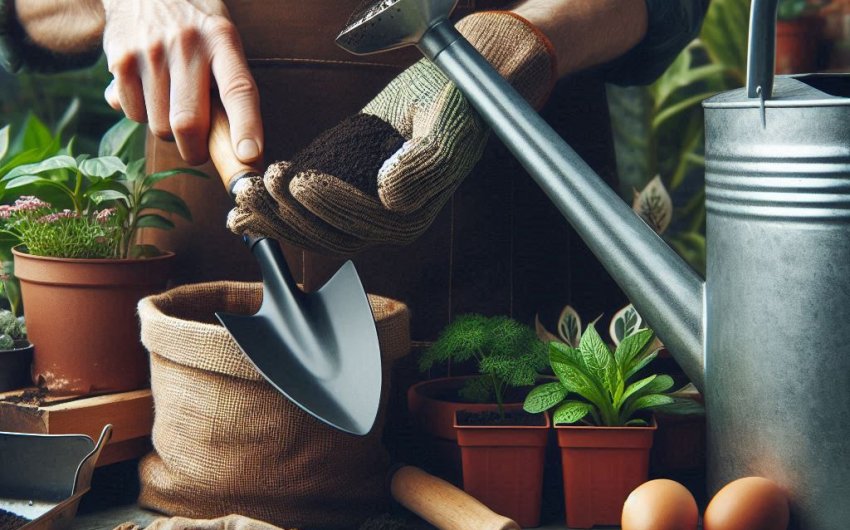
Embarking on the rewarding journey of cultivating plants in pots naturally leads to the question: "What tools are best for container gardening?" While traditional gardening might conjure images of large shovels and rakes, the specific needs of potted plants often call for a more specialized, often smaller, set of implements. Having the right tools makes tasks like planting, watering, pruning, and repotting far more efficient and enjoyable, ensuring your container creations thrive with minimal effort and maximum success.
Why do I need specific tools for container gardening?
Many beginners assume that standard garden tools are perfectly sufficient for container gardening. However, the confined and often elevated nature of potted plants, combined with the smaller scale of the work, necessitates a more specialized set of implements. Using the right tools for container gardening isn't just about convenience; it's about efficiency, precision, and minimizing stress on both the gardener and the plants.
Traditional large shovels, hoes, and rakes are simply too bulky and unwieldy for working within the tight confines of a pot. They can damage delicate roots, spill precious potting mix, and make precise tasks like transplanting or weeding cumbersome. Furthermore, container gardening often involves working with a specific type of potting mix (not garden soil) and dealing with unique watering and feeding challenges that smaller, more specialized tools are designed to address. The right tools allow for delicate root handling, accurate watering, and clean pruning cuts, all of which contribute to healthier, happier container plants and a more enjoyable gardening experience.
What are the essential planting tools for containers?
When setting up new pots or transplanting plants, having the right planting tools makes the process smooth and efficient. These tools are designed to work effectively within the confined space of a container, minimizing mess and maximizing care for delicate roots.
Why is a hand trowel important?
A hand trowel is arguably the most fundamental and versatile tool for any container gardener. It's the miniature version of a shovel, perfectly scaled for working with potting mix and small plants.
- Digging and Scooping: A good quality hand trowel is essential for scooping potting mix into containers, digging small holes for planting, and gently lifting plants for transplanting. Its narrow blade allows you to work precisely without disturbing surrounding plants or making a mess.
- Transplanting: When moving plants from nursery pots to larger containers, a trowel helps to loosen the root ball from the old pot and create a perfectly sized new home in the destination pot.
- Mixing Soil: It's also useful for mixing small batches of potting mix with amendments like perlite or vermiculite.
- Choosing One: Look for a trowel with a sturdy, rust-resistant blade (stainless steel or heavy-duty aluminum are good choices) and a comfortable, ergonomic handle. A sharp tip helps with cutting through denser soil.
How do transplanting tools help?
Transplanting tools, sometimes called dibbers or specialized trowels, are designed to make the delicate process of moving young plants or seedlings with minimal shock.
- Dibber: A dibber is a pointed tool, often made of wood or metal, used to create perfectly sized holes for seeds or small seedlings. Its conical shape ensures the hole is consistent, allowing for precise placement of young plants.
- Transplanting Trowel: Some trowels are specifically designed for transplanting, featuring a narrower blade with depth markings to ensure you plant at the correct depth. This specialized design helps you gently scoop up and move seedlings without damaging their fragile root systems.
- Mini Trowel/Scoop Set: For very small pots or seed-starting trays, miniature trowels and scoops, often found in succulent tool kits, are incredibly useful for precise work and minimizing spillage.
What about soil scoops or hand scoops?
While a hand trowel works, a dedicated soil scoop or hand scoop is a game-changer for filling containers quickly and cleanly.
- Efficient Filling: These tools typically have a larger, bowl-shaped scoop designed to hold a significant amount of potting mix, allowing you to quickly transfer soil from a bag or bin into your containers without spilling. This is especially useful when filling many pots or large planters.
- Less Mess: Their scoop-like design minimizes spillage compared to using a flat trowel, keeping your workspace tidier.
- Materials: Look for durable plastic or metal scoops. A large garden scoop can also be used for transferring compost or fertilizer.
Having these essential planting tools on hand will make the initial setup and seasonal refreshing of your container garden much more enjoyable and effective.
What are the best watering and feeding tools for containers?
Effective watering and feeding are crucial for the health of container plants, as they rely entirely on you for their moisture and nutrient supply. The right tools ensure that water and fertilizer are delivered efficiently and precisely, preventing both underwatering and overwatering, and ensuring optimal nutrient uptake.
Why do I need a good watering can?
A watering can is a fundamental tool for any container gardener, offering precision and control that a hose often cannot.
- Gentle and Controlled Flow: Unlike a high-pressure hose, a watering can provides a gentle, diffused stream of water, preventing soil erosion from the pot and protecting delicate seedlings or small plants from being knocked over. A watering can with a rose head (the sprinkler-like attachment) is ideal for a fine, even spray.
- Targeted Watering: You can easily direct water precisely where it's needed – at the base of the plant – rather than splashing water on foliage, which can encourage fungal diseases.
- Fertilizer Application: Watering cans are perfect for applying liquid fertilizers or compost tea diluted in water, ensuring even distribution to all plants.
- Size Matters: Choose a watering can size appropriate for your needs. A small, lightweight indoor watering can is perfect for a few houseplants or tabletop containers, while a larger outdoor watering can (1-2 gallons) is better for a patio full of larger pots.
What about moisture meters and spray bottles?
These tools provide valuable assistance in monitoring plant needs and delivering specific treatments.
- Moisture Meter: A soil moisture meter takes the guesswork out of watering. By inserting its probe into the potting mix, it measures the moisture level, telling you exactly when your plants need water. This prevents both overwatering (the most common cause of container plant death) and underwatering.
- Spray Bottle: A clean spray bottle is useful for:
- Misting: Providing humidity for tropical plants or seedlings that prefer humid conditions.
- Pest Control: Applying homemade or organic pest control solutions (like neem oil spray) to foliage.
- Foliar Feeding: Applying diluted liquid fertilizers directly to plant leaves (foliar feeding), which can provide a quick nutrient boost.
Are slow-release fertilizer applicators useful?
While not strictly a tool, a slow-release fertilizer applicator or simply knowing how to apply slow-release granular fertilizers (slow release fertilizer for containers) is key for consistent feeding without constant reapplication.
- Consistent Nutrition: Container plants rely entirely on the nutrients you provide. Slow-release fertilizers are designed to gradually release nutrients over weeks or months with each watering, ensuring a steady supply of food for your plants. This prevents nutrient deficiencies and promotes continuous, healthy growth and abundant blooms.
- Ease of Use: You simply mix the granules into the potting mix at planting time or sprinkle them on top as a top-dressing. This significantly reduces the frequency of feeding compared to liquid fertilizers, saving you time and effort.
- Avoiding Burn: The slow release minimizes the risk of over-fertilization or "fertilizer burn" that can occur with concentrated liquid feeds.
By using these watering and feeding tools effectively, you'll provide your container plants with the consistent moisture and balanced nutrition they need to flourish and produce abundant flowers or foliage.
What pruning and maintenance tools are essential?
Even in the compact world of container gardening, regular pruning and maintenance are crucial for plant health, shape, and extended bloom. Having the right, sharp tools for these tasks ensures clean cuts that minimize stress on the plant and promote vigorous growth. Dull or incorrect tools can damage stems, leaving plants vulnerable to disease.
Why are pruning snips and shears important?
Pruning snips (also called hand pruners or secateurs) are the primary cutting tool for any gardener, and indispensable for containers.
- Deadheading: Regularly removing spent flowers (deadheading) on annuals and perennials encourages the plant to produce more blooms instead of seeds, extending the flowering season and fragrance. Sharp pruning snips make this task quick and easy.
- Shaping and Trimming: Use snips to maintain the desired shape of your container plants, prevent them from becoming leggy, and encourage bushier growth. This is particularly important for herbs and small shrubs.
- Removing Damaged Growth: Quickly snip off any yellowing, diseased, or dead leaves and stems to improve the plant's appearance and prevent the spread of problems.
- Clean Cuts: Always choose bypass pruners (blades cross each other like scissors) for clean, precise cuts on living stems, as these cause less damage to plant tissue than anvil pruners. Keep your snips clean and sharp using a pruning sharpener to prevent tearing.
For slightly thicker stems that are too large for hand pruners but still manageable without loppers, a good pair of hand shears (garden hand shears) can be useful, offering a bit more leverage.
What about gloves and kneeling pads?
While not cutting tools, gloves and a kneeling pad are essential for comfort and protection during container gardening maintenance.
- Gardening Gloves: Protect your hands from thorns, sharp edges of pots, irritating plant saps, and potential splinters from wooden planters. A good pair of gardening gloves should be durable yet flexible enough for fine work. For tasks involving moisture, look for waterproof or water-resistant options.
- Kneeling Pad: Often overlooked, a kneeling pad provides cushioning for your knees when working on the ground to prune, weed, or repot. It helps prevent discomfort and makes gardening more enjoyable, especially during extended tasks.
Are small rakes and brushes useful?
For maintaining the surface of your potting mix and keeping your containers tidy, small rakes and brushes are surprisingly helpful.
- Mini Rake/Cultivator: A mini hand rake or hand cultivator is perfect for lightly scratching the surface of the potting mix to break up crust, improve aeration, or gently mix in granular fertilizer. It's too small to compact the soil, making it ideal for the delicate root systems in containers.
- Potting Bench Brush: After repotting or working with dry potting mix, a small garden brush (like a dustpan brush) is excellent for sweeping up spilled soil from your potting bench, patio, or decking. This keeps your workspace clean and prevents mess.
- Gloves for Protection: When using these tools, comfortable garden gloves are still recommended.
By having these pruning and maintenance tools readily available and keeping them clean and sharp, you'll be well-equipped to keep your container plants healthy, vibrant, and productive throughout the growing season.
What specialized tools assist with larger or unique containers?
While hand tools are sufficient for most small to medium pots, larger containers or unique planting scenarios sometimes call for more specialized tools. These items address the challenges of moving heavy pots, working with elevated planters, or dealing with unique growing systems, making container gardening more accessible and less strenuous.
How do rolling plant caddies help with heavy pots?
One of the biggest challenges of larger containers is their weight. A 20-gallon pot filled with soil and a mature plant can easily weigh hundreds of pounds, making it impossible to move without help. Rolling plant caddies (heavy duty plant caddy with wheels) solve this problem efficiently.
- Easy Relocation: Plant caddies are wheeled platforms that sit underneath your pot. They allow you to effortlessly roll heavy containers around your patio, deck, or even indoors. This is incredibly useful for:
- Optimizing Sun Exposure: Moving sun-loving plants to sunny spots in the morning and shade in the afternoon.
- Winter Protection: Rolling tender plants into a garage, shed, or greenhouse for frost protection.
- Cleaning: Moving pots to sweep or clean the patio underneath.
- Redecorating: Rearranging your container display with ease.
- Drainage: Many caddies elevate the pot slightly, which can also help improve air circulation and drainage underneath, preventing root rot.
- Material and Weight Capacity: Look for a caddy made from durable materials like heavy-duty plastic, metal, or treated wood, and ensure its weight capacity can support your heaviest pots. Some even come with brakes to secure them in place.
Are long-handled tools useful for elevated planters?
When working with raised garden beds, vertical planters, or hanging baskets, bending or reaching can become awkward. Long-handled tools can provide the necessary reach and leverage.
- Long-Handled Trowel/Cultivator: While not as long as traditional garden shovels, some long-handled hand tools exist, featuring extended handles on smaller trowels or cultivators. These are ideal for reaching into the back of deep raised beds or for gardeners who prefer to stand while working.
- Hanging Basket Pulley/Hook System: For hanging baskets (hanging basket pulley system), a pulley system allows you to lower the basket to a comfortable working height for watering, deadheading, or fertilizing, then easily raise it back up. This eliminates the need for a ladder and makes maintenance much safer and easier.
What about self-watering planters or kits?
While not exactly a "tool," self-watering planters or self-watering kits can be considered specialized equipment that greatly reduces the need for constant manual watering, especially for busy gardeners or those with many containers.
- Consistent Moisture: These planters have a built-in reservoir that provides a continuous, consistent supply of water to the plant's roots via a wicking system. This prevents the potting mix from drying out too quickly and reduces the frequency of watering. A self-watering planter is perfect for thirsty plants or during hot weather.
- Reduced Overwatering: Because plants absorb water as needed from the reservoir, it's harder to overwater with this system, as excess water simply drains away or remains in the reservoir.
- Vacation Friendly: They are excellent for extending the time between waterings, making them a great solution for when you're away from home for a few days.
- Conversion Kits: You can also find self-watering conversion kits that can turn almost any regular pot into a self-watering system by adding a reservoir and wicking components.
Investing in these specialized tools can greatly enhance your container gardening experience, making it easier to manage larger or uniquely placed containers and ensuring all your potted plants remain healthy and vibrant throughout the season.