
Soil Bugs Identification: Know the Good from the Bad
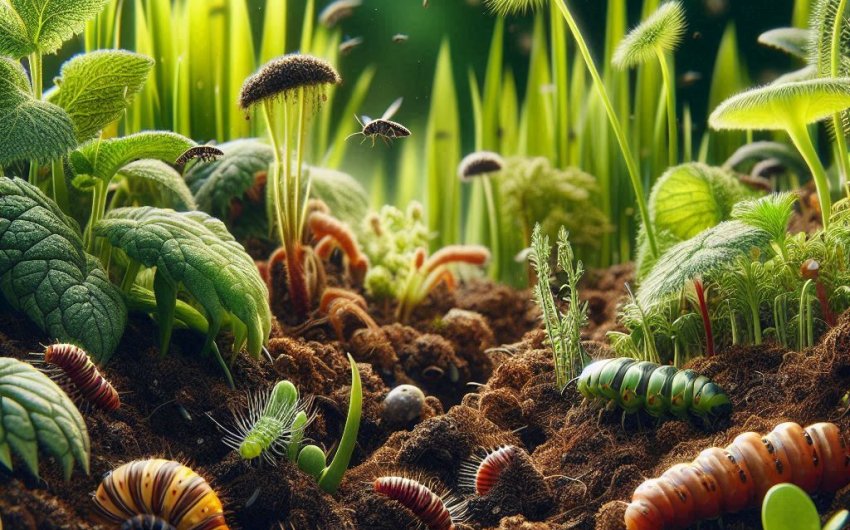
Discovering tiny inhabitants in your garden or potted plants can be unsettling, but when it comes to soil bugs identification, understanding which creatures are allies and which are adversaries is key to a flourishing garden. The soil is a bustling ecosystem, teeming with microscopic and macroscopic life, and most of these tiny organisms are actually beneficial or harmless. This guide will help you decipher the complex world beneath your plants, enabling you to know the good from the bad and fostering a healthy soil environment.
Why is understanding soil bugs important for gardeners?
For gardeners, mastering soil bugs identification is a superpower. The soil is not just dirt; it's a vibrant, complex ecosystem, and the tiny creatures living within it play a profound role in the health and productivity of your plants. Understanding these inhabitants, whether beneficial, harmful, or neutral, is crucial for several reasons.
Here's why knowing your soil bugs is important:
- Distinguishing Allies from Enemies: The most immediate benefit is knowing which bugs to welcome and protect versus which ones to manage or remove. Many gardeners instinctively react negatively to any "bug," but often, those creepy crawlies are actively working for your garden's benefit, breaking down organic matter or preying on actual plant pests. Without proper identification, you might inadvertently harm your garden's best workers.
- Promoting Soil Health: Beneficial soil organisms are vital for healthy soil. They:
- Decompose Organic Matter: Breaking down leaves, roots, and other organic debris, transforming it into nutrient-rich compost and humus that feeds plants.
- Improve Soil Structure: Their tunneling activities (like earthworms) create pathways for air and water, improving drainage and aeration.
- Cycle Nutrients: They make essential nutrients available to plants by converting them from one form to another.
- Suppress Diseases: Some microbes and larger organisms can suppress disease-causing pathogens in the soil.
- Effective Pest Management: If you correctly identify a harmful soil bug, you can apply targeted and appropriate pest control measures. This prevents unnecessary use of broad-spectrum pesticides that can kill beneficial insects, disrupting the natural balance of your garden. It also helps you understand the underlying cause of a plant problem.
- Indicator of Soil Conditions: The types of bugs present can offer clues about your soil's health. For example, a prevalence of certain decomposers indicates good organic matter, while an abundance of moisture-loving pests might signal overwatering.
- Reducing Chemical Dependence: A robust population of beneficial soil bugs can naturally control many pest problems, reducing your reliance on chemical interventions. This supports organic gardening practices and a healthier environment for your plants, pollinators, and family.
- Fostering a Balanced Ecosystem: Understanding the roles of different organisms encourages you to cultivate a balanced garden ecosystem where natural checks and balances are in place, making your garden more resilient and self-sustaining.
In short, learning soil bugs identification empowers you to become a more informed, effective, and environmentally conscious gardener. It shifts your perspective from seeing a "bug" to recognizing a critical player in your garden's intricate web of life, allowing you to know the good from the bad.
What are the characteristics of beneficial soil bugs?
When it comes to soil bugs identification, learning to spot the good guys is paramount. Beneficial soil bugs are the unsung heroes of your garden, working tirelessly beneath the surface to create a healthy environment for your plants. Their presence indicates a thriving soil ecosystem.
Here are the key characteristics and common types of beneficial soil bugs:
General Characteristics of Beneficial Soil Bugs:
- Decomposers: Many beneficial bugs are detritivores, meaning they feed on decaying organic matter (dead leaves, wood, plant roots, etc.). They break down complex materials into simpler forms, making nutrients available for plants.
- Aerators: Their tunneling activities create pathways in the soil, improving air circulation and water penetration, which are vital for healthy root growth.
- Nutrient Cyclers: They transform organic material into humus, which binds nutrients and improves soil structure. Some even "fix" nutrients like nitrogen from the air.
- Predators: Some beneficial soil bugs prey on harmful pest larvae or eggs in the soil, acting as natural pest control.
- Seldom Harm Plants Directly: They do not typically feed on living plant roots, leaves, or stems. If seen on plants, they are usually just passing through or preying on pests.
- Slow-Moving (often): Many decomposers are relatively slow-moving, preferring to burrow.
Common Beneficial Soil Bugs:
Earthworms (Annelida - various species):
- Appearance: Long, segmented, reddish-brown, cylindrical bodies.
- Role: The ultimate soil engineers! They tunnel, aerating the soil and improving drainage. They ingest organic matter and soil, excreting nutrient-rich "castings" (worm poop) that act as a natural fertilizer. Their slime adds beneficial microbes.
- Indicator: A healthy population of earthworms is a strong sign of healthy soil.
- Products: You can even buy composting worms (red wigglers) to add to compost bins or garden beds.
Springtails (Collembola):
- Appearance: Tiny (1-2 mm), often white, gray, or dark, wingless insects with a distinctive "spring tail" (furcula) that allows them to jump when disturbed. Found in moist soil and potting mix.
- Role: Primarily decomposers, feeding on fungi, decaying organic matter, and some algae. They help break down organic material.
- Indicator: A sign of healthy, moist, organic-rich soil. Often confused with fungus gnats, but springtails jump away, while fungus gnats fly.
- Harmful? Generally harmless to plants unless present in extremely high numbers when other food sources are scarce.
Millipedes (Diplopoda):
- Appearance: Segmented, worm-like bodies, with two pairs of short legs per segment. Curl into a spiral when disturbed. Typically dark brown or black.
- Role: Primarily detritivores, feeding on decaying plant matter and fungi. They help break down tough organic material.
- Indicator: Sign of abundant decaying organic matter.
- Harmful? Very rarely feed on healthy plant tissue, only if decaying organic matter is scarce.
Sow Bugs / Pill Bugs (Isopoda - Crustaceans):
- Appearance: Oval, segmented, grayish-brown bodies. Pill bugs (roly-polies) can curl into a ball when disturbed. Sow bugs cannot.
- Role: Primary decomposers, feeding on decaying plant material, especially damp wood and leaves.
- Indicator: Sign of damp soil with plenty of organic debris.
- Harmful? Generally harmless, only occasionally nibble on very tender seedlings if other food sources are absent.
Ground Beetles (Carabidae):
- Appearance: Diverse, but many are dark, shiny, and fast-moving. Found under rocks, logs, or soil debris.
- Role: Excellent predators! Many species prey on a variety of garden pests including slugs, snails, cutworms, cabbage maggots, and other insect larvae that live in the soil.
- Indicator: Sign of a healthy garden ecosystem.
Rove Beetles (Staphylinidae):
- Appearance: Elongated bodies, often with short wing covers that expose most of the abdomen. Fast-moving.
- Role: Predators, feeding on slugs, mites, aphids, springtails, and other small insects and larvae in the soil and on plant surfaces.
- Indicator: Sign of a diverse beneficial insect population.
By being able to identify these beneficial soil bugs, you can learn to appreciate their vital contributions to your garden's ecosystem and nurture their populations rather than inadvertently harming them.
What are the characteristics of harmful soil bugs?
For effective soil bugs identification, it's just as important to recognize the creatures that can harm your plants. Harmful soil bugs, or pests, typically feed directly on living plant tissue, especially roots, causing damage that can stunt growth, yellow leaves, or even kill the plant. Their presence often indicates an imbalance in the garden ecosystem or specific cultural issues.
Here are the key characteristics and common types of harmful soil bugs:
General Characteristics of Harmful Soil Bugs:
- Plant Feeders: Their primary food source is living plant material, particularly roots, but sometimes underground stems or bulbs.
- Cause Visible Damage: Their feeding leads to symptoms on the plant that might include:
- Stunted growth
- Yellowing, wilting, or drooping leaves (even when watered)
- Holes in leaves (though many leaf-eaters are above ground)
- Poor flowering or fruiting
- Root damage (seen upon unpotting or digging up)
- Sudden plant collapse or death.
- Often Hidden: Many harmful soil pests do their damage unseen beneath the soil surface.
- Rapid Reproduction: Some can reproduce quickly, leading to large infestations if unchecked.
Common Harmful Soil Bugs:
Fungus Gnats (Sciaridae larvae):
- Appearance (Adult): Tiny, dark, mosquito-like flies (2-4 mm) that fly erratically around plants.
- Appearance (Larvae): Small (up to 6 mm), translucent white worms with shiny black heads, found in the top inch or two of moist soil.
- Damage: While adult gnats are just annoying, the larvae can feed on delicate root hairs and fungal growth, especially on seedlings and young plants. They are a sign of overwatering.
- Indication: Adults flying around, larvae visible in wet soil.
- Products: Yellow sticky traps for adults, Mosquito Bits (BTI) for larvae.
Root Aphids (Aphididae):
- Appearance: Small (1-2 mm), pear-shaped insects, typically pale yellow, white, or greenish, often covered in a waxy, fuzzy substance. Found clustered on roots. Can be difficult to distinguish from beneficial springtails without close inspection (aphids don't jump).
- Damage: Suck sap from roots, causing stunted growth, wilting, and yellowing foliage. Can also transmit plant viruses.
- Indication: Unexplained plant decline, fuzzy white masses on roots when unpotting, ants sometimes present (they "farm" root aphids for honeydew).
- Products: Systemic insecticides, horticultural oil, drenching with insecticidal soap.
Grubs (Scarabaeidae larvae):
- Appearance: C-shaped, creamy white larvae with brown heads and six legs near the head. Sizes vary from small to quite large depending on the beetle species (e.g., Japanese beetle grubs, May beetle grubs).
- Damage: Feed voraciously on plant roots (especially turfgrass), causing patches of lawn to turn brown and die, and plants to wilt even when watered. Can easily lift affected turf like a carpet.
- Indication: Brown patches in lawn that pull up easily, presence in garden soil when digging.
- Products: Milky spore disease, Nematodes (beneficial), chemical grub control.
Wireworms (Elateridae larvae):
- Appearance: Hard-bodied, slender, yellowish-brown, shiny larvae (1-2.5 cm long).
- Damage: Chew tunnels into seeds, roots, tubers (potatoes), and underground stems, leading to stunted growth, wilting, and damaged produce.
- Indication: Damaged roots or tubers, presence when digging.
- Products: Crop rotation, beneficial nematodes, sometimes trap cropping.
Cutworms (Noctuidae larvae):
- Appearance: Plump, soft-bodied caterpillars (2-5 cm) that curl into a tight "C" shape when disturbed. Often dull gray, brown, or black. Active at night.
- Damage: While some species feed on leaves, others (especially "surface cutworms") cut young seedlings off at the soil line at night. Others ("subterranean cutworms") feed on roots underground.
- Indication: Severed seedlings, wilting plants, presence when digging around damaged plants.
- Products: Cardboard collars around seedlings, hand-picking at night, beneficial nematodes, Bt (Bacillus thuringiensis) for some species.
Root Weevils (Curculionidae larvae):
- Appearance (Larvae): White, legless, C-shaped grubs (similar to white grubs but without prominent legs).
- Damage: Feed on roots, causing wilting, yellowing, and eventual plant death. Adults notch leaves.
- Indication: Notched leaves on adults, wilting plants despite adequate water, presence of larvae on roots when unpotting.
- Products: Beneficial nematodes (specific species), hand-picking adults.
Being able to perform accurate soil bugs identification for these harmful pests is the first step in protecting your plants and implementing effective, targeted pest control.
How do I test my soil for bugs?
Before reaching for the pesticide, confirming the presence and identity of soil bugs is crucial for effective pest control. There are several simple ways to test your soil for these hidden inhabitants, helping you know the good from the bad. These methods range from direct observation to simple DIY traps.
Here’s how to test your soil for bugs:
1. The Visual Inspection (The Dig and Look Method)
This is the most direct way to check for both beneficial and harmful soil bugs.
- When: Any time you suspect a problem, or just for curiosity. It's especially useful when a plant is showing unexplained signs of stress (wilting, yellowing).
- How to do it (Outdoor Garden Beds):
- Choose a small area (e.g., 6x6 inches) where you suspect activity or near a struggling plant.
- Carefully dig up a section of soil, about 6-8 inches deep, using a small hand trowel or garden fork.
- Gently break apart the soil clump.
- Observe: Look for any moving insects, larvae, or worms. Pay attention to their size, shape, color, and number of legs. Look specifically at plant roots for any damage or attached insects.
- How to do it (Potted Plants):
- Gently tip the pot on its side and carefully slide the plant out, keeping the root ball intact.
- Examine the outside of the root ball and the soil clinging to it. Look for root aphids (fuzzy white clusters), grubs, wireworms, or signs of tunneling/feeding.
- You can also check the top inch of soil around the plant stem for fungus gnat larvae.
2. The Potato/Sweet Potato Trap (For Grubs, Wireworms, Fungus Gnat Larvae)
This simple bait trap attracts underground feeders.
- When: When you suspect root-feeding pests.
- How to do it:
- Cut a raw potato or sweet potato into several thick slices (about 1/2 to 1 inch thick).
- Bury the slices about 2-4 inches deep in the soil near a struggling plant or in an area you want to test. Mark the spot with a garden marker.
- Check the slices every 2-3 days. Carefully dig them up and inspect them for any grubs, wireworms, or other larvae that might be feeding on them.
- Benefit: This method specifically targets root-feeding pests, giving you a clearer indication of their presence.
3. Sticky Traps (For Flying Insects Associated with Soil)
Yellow sticky traps won't identify soil bugs directly, but they are excellent for catching their adult flying forms, often signaling a soil-dwelling larval problem.
- When: When you see small flies hovering around your plants or rising from the soil when watered.
- How to do it: Place a yellow sticky trap directly in the soil of your potted plant or hang it just above the soil surface in your garden bed.
- What it catches: Primarily adult fungus gnats and fruit flies. The presence of many adults on the trap indicates a breeding population in your soil.
- Benefit: Helps confirm an infestation and can also help reduce the adult population.
4. Water Test (For Springtails)
Springtails are typically beneficial, but if you see them in high numbers, this test can confirm them.
- When: When you see very tiny, often white, bugs jumping on the soil surface, usually after watering.
- How to do it: Water the plant thoroughly. If springtails are present in high numbers, they may float to the surface of the water or start jumping around actively on the soil.
- Benefit: Helps distinguish springtails (harmless jumpers) from fungus gnats (flimsy flyers).
5. Send a Sample for Lab Analysis (For Persistent Unknown Problems)
- When: If you have severe, unexplained plant problems and cannot identify the cause through other methods.
- How to do it: Collect a soil sample according to instructions from your local university extension office or a private lab. They can analyze the soil for various pathogens and pests, including microscopic nematodes.
- Benefit: Provides a definitive diagnosis for complex issues.
By actively testing your soil and observing its inhabitants, you empower yourself with accurate soil bugs identification, enabling you to implement effective and targeted pest control strategies when needed, and nurturing the beneficial life that contributes to a thriving garden.
How do I control harmful soil bugs naturally?
When faced with harmful soil bugs, opting for natural and organic pest control methods is a great way to protect your plants without harming beneficial insects or the environment. These approaches focus on disrupting the pest life cycle, creating unfavorable conditions, or introducing natural enemies, supporting a holistic approach to soil bugs identification and management.
Here's how to control harmful soil bugs naturally:
1. Cultural Practices to Discourage Pests
Many pest problems stem from less-than-ideal growing conditions. Correcting these can be the most effective long-term solution.
- Proper Watering:
- Avoid Overwatering: This is critical for fungus gnats, springtails (if they become a nuisance), and preventing root rot, which stresses plants and makes them more vulnerable. Allow the top inch or two of soil to dry out between waterings.
- Consistent Moisture: For plants that need consistent moisture, ensure it's not soggy.
- Improve Drainage: Use well-draining potting mix or amend garden soil with compost and perlite to prevent waterlogging, which attracts many moisture-loving pests.
- Good Air Circulation: Ensure plants aren't overcrowded. This helps the soil surface dry faster and reduces humidity, which can deter pests and disease.
- Cleanliness: Remove dead leaves or decaying plant debris from the soil surface, as these can provide food and shelter for pests like fungus gnats, springtails, and sow bugs.
- Quarantine New Plants: Before introducing new potted plants to your collection, isolate them for a few weeks to ensure they aren't bringing in any hitchhiking pests.
2. Biological Pest Control
This involves using beneficial organisms to control pests.
- Beneficial Nematodes: These are microscopic, soil-dwelling roundworms that are natural parasites of many soil pests, including fungus gnat larvae, grubs, wireworms, cutworms, and flea beetle larvae. They are specific to insects and are harmless to humans, pets, and plants.
- Application: Purchase live beneficial nematodes online or from garden centers. Mix them with water according to instructions and apply to moist soil using a watering can or sprayer.
- Timing: Apply when soil temperatures are appropriate for the nematode species you're using (usually 55-90°F or 13-32°C).
- Bacillus thuringiensis israelensis (BTI): This is a naturally occurring bacterium that specifically targets and kills the larvae of mosquitoes, black flies, and fungus gnats. It's harmless to humans, pets, and other insects.
- Application: Available in granular forms (like Mosquito Bits) that you can sprinkle on the soil surface or steep in water to create a "tea" for watering.
- Effectiveness: Very effective for controlling fungus gnat larvae in potting mix.
3. Physical & Mechanical Methods
- Sticky Traps: Yellow sticky traps placed near plants or in the soil are excellent for catching adult fungus gnats and some other flying insects, helping to reduce the adult breeding population.
- Potato/Sweet Potato Traps: As mentioned previously, burying slices of raw potato or sweet potato in the soil can attract grubs and wireworms. Check them every few days and remove any pests found on them. This can reduce the population.
- Diatomaceous Earth (DE): This is a fine, powdery substance made from fossilized diatoms. When insects crawl over it, the microscopic sharp edges cut their exoskeletons, causing them to dehydrate.
- Application: Lightly dust the soil surface with food-grade diatomaceous earth. Reapply after watering.
- Effectiveness: Can be effective against fungus gnat larvae, ants, and other crawling insects on the soil surface.
4. Organic Topical Treatments (for Root Aphids)
- Neem Oil Soil Drench: While often used as a foliar spray, a diluted solution of neem oil concentrate mixed with water (and an emulsifier like insecticidal soap) can be used as a soil drench for root aphids. It works as an insect growth regulator and antifeedant.
- Application: Water the plant thoroughly with the diluted neem oil solution. Repeat every 7-10 days as needed.
- Insecticidal Soap Soil Drench: A diluted solution of insecticidal soap can also be effective against root aphids if applied as a soil drench. It works by smothering the insects.
5. Repotting (for severe infestations in potted plants)
- When: If a potted plant has a severe infestation of root aphids or other persistent soil pests, especially if accompanied by root rot.
- How:
- Gently remove the plant from its pot.
- Carefully remove as much of the old, infested soil as possible from the roots. You can gently rinse the roots if necessary.
- Inspect roots for damage or remaining pests; prune any rotting roots.
- Repot into a clean pot with fresh, sterile, well-draining potting mix.
- Discard the old soil safely (don't add to compost if pests are present).
By combining these natural strategies, you can effectively control harmful soil bugs and promote a healthy soil ecosystem, ensuring your plants thrive without relying on harsh chemicals. Your ability to perform accurate soil bugs identification will guide your choices in pest control.