
Garden Bugs Identification: Recognize and Control Pests
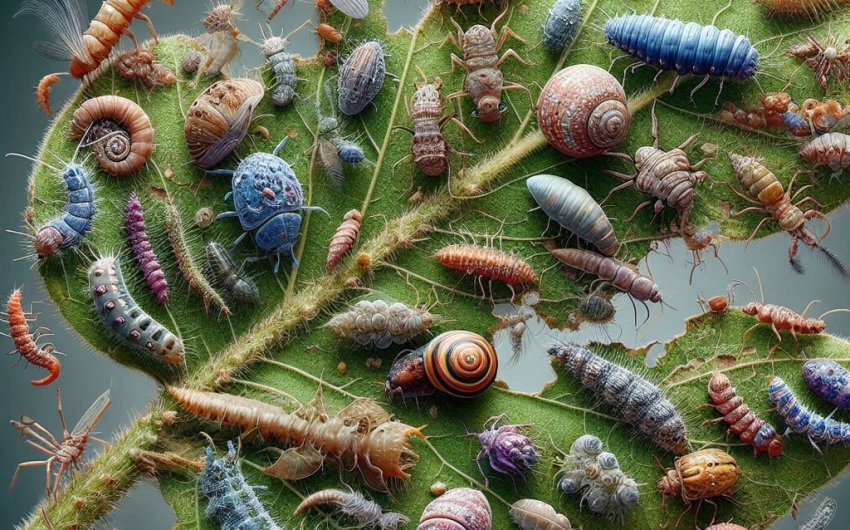
Spotting unwanted guests nibbling on your precious plants can be frustrating. Mastering garden bugs identification is the first crucial step to effectively recognize and control pests, ensuring your garden remains a vibrant sanctuary for desirable life, rather than a buffet for destructive insects. This comprehensive guide will equip you with the knowledge to pinpoint common garden intruders and implement eco-friendly strategies to manage them.
Why is Garden Bug Identification Important?
Effective pest control in the garden starts with proper identification. Misidentifying an insect can lead to using the wrong treatment, harming beneficial insects, or unnecessarily exposing your plants (and yourself) to harsh chemicals.
What's the Difference Between a Pest and a Beneficial Insect?
Not every bug in your garden is a problem. Many insects are harmless, and some are even incredibly helpful! Knowing the difference is key to a healthy, balanced garden ecosystem.
- Pests: These are insects that feed on your plants, damage them, or transmit diseases. Their activities directly harm your garden's health and yield. Examples include aphids, slugs, and cutworms.
- Beneficial Insects: These are the "good guys" of the garden. They either prey on pest insects, pollinate your plants, or help break down organic matter. Examples include ladybugs, lacewings, and various types of bees.
- Neutral Insects: Many insects simply coexist in your garden without causing significant harm or benefit.
How Does Identification Help with Control?
Once you know exactly what bug you're dealing with, you can choose the most effective and targeted control method. This prevents guesswork and protects the overall health of your garden.
- Targeted Treatment: Different pests respond to different treatments. For example, a spray that kills aphids might not affect slugs.
- Preventing Harm to Beneficials: By identifying pests, you can select methods that specifically target the problem insect, minimizing harm to ladybugs, bees, and other helpful creatures.
- Understanding Life Cycles: Knowing the pest helps you understand its life cycle. This allows you to intervene at the most vulnerable stage, such as targeting eggs or young larvae, for more effective control.
- Environmental Impact: Accurate identification promotes responsible gardening by reducing the overuse of pesticides and supporting a more balanced ecosystem.
What Tools Help with Identification?
Having a few simple tools can make garden bugs identification much easier.
- Hand Lens or Magnifying Glass: Many pests are tiny. A good hand lens for gardening (10x or 20x magnification) allows you to see small details, like the body shape of mites or the texture of insect eggs.
- Garden Journal: Keep notes on when and where you see specific bugs and the damage they cause. This helps track patterns and future outbreaks. A dedicated garden planner and journal can be very helpful.
- Reference Guides: A reliable garden pest identification book or online resources (like university extension websites) with clear photos are invaluable.
- Gloves: Protect your hands when inspecting plants, especially if you're unsure what type of insect you're dealing with. A good pair of gardening gloves is always useful.
How Do You Identify Common Sap-Sucking Pests?
Sap-sucking pests are notorious for weakening plants by draining their vital fluids. Recognizing their presence and the damage they cause is critical for early intervention.
What Are Aphids and How Do They Cause Damage?
Aphids are small, soft-bodied insects, often pear-shaped, that can be green, black, white, red, or even pink. They are usually found in clusters on new growth, tender stems, and the undersides of leaves.
- Identification:
- Tiny (1/16 to 1/8 inch long), pear-shaped bodies.
- Often found in large colonies.
- May have winged or wingless forms.
- Leave behind sticky residue called honeydew.
- Damage:
- Stunted or distorted new growth: Leaves curl, crinkle, or become misshapen.
- Yellowing leaves: Due to sap removal.
- Sooty mold: A black, sticky fungus that grows on honeydew, blocking photosynthesis.
- Disease transmission: Aphids can spread plant viruses.
- Control:
- Blast with water: A strong spray of water from a garden hose nozzle can dislodge them.
- Hand-picking: For small infestations, simply squish them.
- Insecticidal soap: Apply an organic insecticidal soap spray, ensuring good coverage, especially on undersides of leaves. Repeat every 5-7 days.
- Neem oil: A natural pesticide that disrupts their feeding and reproduction. Use a neem oil concentrate diluted according to instructions.
- Attract beneficial insects: Ladybugs, lacewings, and hoverflies are natural predators of aphids. Plant things they like, such as dill, cilantro, or marigolds.
What Are Spider Mites and Their Signs?
Spider mites are not insects but tiny arachnids (related to spiders). They are almost invisible to the naked eye but cause noticeable damage. They thrive in hot, dry conditions.
- Identification:
- Extremely tiny dots (red, green, yellow, or brown) on the undersides of leaves.
- Fine webbing (like tiny spiderwebs) on stems, leaves, and between leaves, especially in severe infestations.
- Damage:
- Stippling: Tiny yellow or white dots on the upper leaf surface (looks like speckling).
- Bronzing/Yellowing: Leaves turn dull, bronze, or yellow and eventually dry up and fall off.
- Overall plant decline: Weakened, unhealthy appearance.
- Control:
- Increase humidity: Spider mites hate humidity. Mist plants regularly or use a room humidifier for indoor plants.
- Strong water spray: Dislodge them with water, focusing on undersides of leaves.
- Insecticidal soap or neem oil: Effective when applied thoroughly and repeatedly.
- Predatory mites: Introduce beneficial predatory mites.
How Do You Spot and Manage Whiteflies?
Whiteflies are tiny, white, moth-like insects that flutter up in a cloud when disturbed. They are often found on the undersides of leaves.
- Identification:
- Small, white, winged insects (about 1/16 inch long).
- Clusters of tiny, pale green, scale-like nymphs (immature stage) on leaf undersides.
- Presence of honeydew and sooty mold.
- Damage: Similar to aphids – yellowing, stunted growth, sticky honeydew, sooty mold.
- Control:
- Yellow sticky traps: Can catch adult whiteflies. Yellow sticky traps
- Vacuuming: For severe indoor infestations, a handheld vacuum can carefully remove adults.
- Insecticidal soap or neem oil: Regular application is key, targeting leaf undersides.
- Pruning: Remove heavily infested leaves.
- Beneficial insects: Encarsia formosa wasps are tiny parasitic wasps that target whiteflies.
What Are Scale Insects and Mealybugs?
Scale insects and mealybugs are masters of disguise. They attach themselves to stems and leaves, often appearing as bumps or cottony masses.
- Scale Insects:
- Identification: Small, oval, immobile bumps (brown, black, or white) on stems and leaf veins. May have a hard, waxy shell or be soft-bodied.
- Damage: Yellowing, wilting, stunted growth, honeydew, and sooty mold.
- Control:
- Scrape off: Use a fingernail or old toothbrush to gently scrape them off.
- Rubbing alcohol: Apply with a cotton swab.
- Neem oil or horticultural oil: Smothers them by blocking their breathing pores. Use a horticultural oil spray during the dormant season for severe outdoor infestations.
- Mealybugs:
- Identification: Small, white, cottony masses found in leaf axils (where leaves meet stems) and on the undersides of leaves.
- Damage: Yellowing, distorted growth, honeydew, and sooty mold.
- Control:
- Rubbing alcohol: Dab directly onto mealybugs with a cotton swab.
- Insecticidal soap or neem oil: Spray thoroughly, repeating applications.
- Strong water spray: Can dislodge them.
How Do You Identify Chewing Pests and Their Damage?
Chewing pests leave behind visible holes, ragged edges, or missing plant parts. The type of damage often provides clues to the culprit.
What Are Caterpillars and Their Signs?
Caterpillars are the larvae of moths and butterflies. They come in many sizes and colors but are generally soft-bodied with distinct segments and often munch voraciously.
- Identification:
- Visible larvae of various sizes and colors.
- Presence of frass (caterpillar droppings, which look like small pellets).
- Damage:
- Chewed holes: Irregular holes in leaves.
- Skeletonized leaves: Only veins remain.
- Defoliation: Entire leaves or plants consumed.
- Control:
- Hand-picking: Effective for larger caterpillars. Drop them in a bucket of soapy water.
- Bacillus thuringiensis (Bt): An organic pesticide that specifically targets caterpillars. It's a naturally occurring soil bacterium that makes caterpillars sick when they eat it. Bacillus thuringiensis spray
- Row covers: For vegetables, garden row covers can physically exclude adult moths from laying eggs.
How Do You Spot Slugs and Snails?
Slugs and snails are mollusks, not insects. They are active at night or on damp, cloudy days. They leave behind a tell-tale slimy trail.
- Identification:
- Silvery slime trails on leaves, soil, and garden paths.
- Visible slugs (soft-bodied, no shell) or snails (soft-bodied, with a shell).
- Damage:
- Irregular holes: Especially on tender seedlings, hostas, and leafy greens.
- Ragged edges: Chewed leaves with large, irregular holes.
- Control:
- Hand-picking: Go out at night with a flashlight and pick them off.
- Beer traps: Sink a shallow dish of beer into the soil; they are attracted to the yeast and drown.
- Diatomaceous earth: A natural, sharp powder that dehydrates and kills them when they crawl over it. Food-grade diatomaceous earth
- Slug baits: Use iron phosphate-based baits, which are safer for pets and wildlife than metaldehyde baits.
- Copper barriers: Copper tape around raised beds can deter them.
What About Earwigs and Their Impact?
Earwigs are reddish-brown insects with pincers (forceps-like appendages) at their rear end. They are mostly nocturnal.
- Identification:
- Presence of earwigs themselves, often hiding in crevices, under rocks, or in mulch during the day.
- Pincer-like appendages at the tail.
- Damage:
- Irregular holes: Especially on soft flower petals, seedlings, and sometimes corn silks.
- Can also feed on decaying organic matter, so they aren't always strictly pests.
- Control:
- Traps: Rolled-up newspaper, hollow bamboo canes, or short sections of garden hose can act as traps; collect and dispose of earwigs in the morning.
- Eliminate hiding spots: Remove excess debris, mulch, and leaf litter.
- Diatomaceous earth: Can be spread in affected areas.
How Do You Deal with Flea Beetles?
Flea beetles are small (1/16 to 1/8 inch), shiny, dark beetles that jump like fleas when disturbed.
- Identification:
- Tiny, jumping beetles.
- Shot-hole damage: Small, round holes that resemble shotgun pellets on leaves, especially on young plants like cabbage, radish, eggplant, and tomato.
- Damage:
- Severely damaged leaves, hindering photosynthesis and stunting growth.
- Can transmit diseases.
- Control:
- Row covers: Place over vulnerable seedlings.
- Sticky traps: Blue or yellow sticky traps can attract them.
- Diatomaceous earth: Sprinkle on affected plants.
- Neem oil: Can deter them.
What Are Soil and Root Pests and How Do You Control Them?
Some pests live primarily in the soil, attacking plant roots and causing overall decline that can be hard to pinpoint.
What Are Grubs and Why Are They a Problem?
Grubs are the C-shaped larvae of various beetles (like Japanese beetles, May beetles). They live in the soil and feed on grass roots.
- Identification:
- Irregular brown patches in the lawn.
- Grass can be easily pulled back like a rug, revealing the grubs underneath.
- Presence of animals digging (skunks, raccoons) looking for grubs.
- C-shaped, white, worm-like larvae with brown heads found when digging in the soil.
- Damage:
- Severely damaged or dead patches of lawn.
- Weakened plants due to root destruction.
- Control:
- Milky spore disease: A natural bacteria that specifically targets Japanese beetle grubs. Milky spore powder
- Beneficial nematodes: Microscopic roundworms that parasitize grubs (and other soil pests). Apply as a drench. Beneficial nematodes for grubs
- Chemical grub control: Use as a last resort, following instructions carefully.
How Do You Identify and Manage Cutworms?
Cutworms are plump, grayish-brown caterpillars that curl into a "C" shape when disturbed. They live in the soil at the base of plants.
- Identification:
- Plants (especially seedlings) cut off at the soil line overnight.
- Presence of cutworms curled in the soil near damaged plants.
- Damage:
- Severed plant stems, leading to complete plant loss.
- Control:
- Cardboard collars: Place a cardboard tube (e.g., from a paper towel roll) around the base of seedlings, extending an inch or two into the soil and an inch above.
- Hand-picking: Search for them at night with a flashlight.
- Diatomaceous earth: Create a barrier around plants.
What Are General Strategies for Garden Pest Control?
Beyond specific treatments for identified pests, adopting overarching strategies can significantly reduce pest problems and promote a healthier, more resilient garden.
What is Integrated Pest Management (IPM)?
Integrated Pest Management (IPM) is an eco-friendly, common-sense approach to pest control. It emphasizes prevention and combines various tactics to manage pests with minimal environmental impact.
- Key Principles of IPM:
- Prevention: The first line of defense.
- Monitoring: Regular inspection for pests and damage.
- Identification: Know your pests and beneficials.
- Thresholds: Decide when intervention is truly necessary (a few bugs are usually tolerable).
- Control Methods (Least Toxic First):
- Cultural Controls: Healthy plants, proper watering, good air circulation.
- Physical/Mechanical Controls: Hand-picking, traps, barriers, pruning.
- Biological Controls: Introducing or encouraging beneficial insects.
- Biorational Pesticides: Neem oil, insecticidal soap, Bt.
- Chemical Pesticides (Last Resort): Use targeted, low-impact chemicals only when absolutely necessary.
How Can You Promote Beneficial Insects?
Encouraging the "good bugs" in your garden is one of the most effective and sustainable ways to control pests naturally.
- Plant Pollinator-Friendly Flowers: Many beneficial insects feed on nectar and pollen in addition to pests. Plant a diversity of flowers with different bloom times.
- Favorite Plants for Beneficials:
- Ladybugs: Dill, cilantro, yarrow, cosmos.
- Lacewings: Angelica, dill, coreopsis.
- Hoverflies: Marigolds, sweet alyssum, daisies.
- Parasitic Wasps: Fennel, parsley, Queen Anne's Lace.
- Favorite Plants for Beneficials:
- Avoid Broad-Spectrum Pesticides: These chemicals kill both pests and beneficials, disrupting your garden's natural balance.
- Provide Water: A shallow water source with pebbles can attract beneficial insects.
- Provide Shelter: Leave some natural areas (leaf litter, brush piles) where beneficials can overwinter.
What Are Some Physical and Mechanical Control Methods?
These methods involve physically removing or deterring pests.
- Hand-Picking: Simple, effective for larger pests like caterpillars, slugs, and beetles. Do it regularly, especially in the morning or evening.
- Barriers:
- Row covers: Lightweight fabric placed over plants to prevent insects from landing and laying eggs.
- Copper tape: Deters slugs and snails.
- Sticky traps: Yellow sticky traps attract flying insects; blue ones target thrips.
- Traps: Beer traps for slugs, earwig traps, pheromone traps (though these often attract more pests than they control, so use with caution).
- Pruning: Remove heavily infested leaves or branches to reduce pest populations.
- Strong Water Spray: Can dislodge aphids, spider mites, and whiteflies from leaves.
When Should You Use Organic Pesticides?
Organic pesticides are derived from natural sources and are generally less harmful to the environment and beneficial insects than synthetic chemical pesticides.
- Insecticidal Soap: Made from potassium salts of fatty acids. Works by smothering soft-bodied insects like aphids, mealybugs, whiteflies, and spider mites. It needs to make direct contact to be effective. Organic insecticidal soap concentrate
- Neem Oil: Extracted from the neem tree. It acts as an antifeedant, growth disruptor, and repellent for a wide range of pests. It's most effective when pests are in their immature stages. Cold-pressed neem oil for gardening
- Bacillus thuringiensis (Bt): A naturally occurring bacterium that is toxic only to specific insect larvae (primarily caterpillars, though there are specific Bt strains for mosquitoes and beetles). Safe for humans, pets, and beneficial insects.
- Diatomaceous Earth: A natural, abrasive powder made from fossilized diatoms. It dehydrates insects with exoskeletons when they crawl over it. Apply when dry.
Knowing garden bugs identification and implementing proactive strategies to recognize and control pests effectively ensures your green haven remains healthy and flourishing, supporting a diverse and thriving ecosystem.