
Plant Disease Identifier: Diagnose and Fix Plant Problems
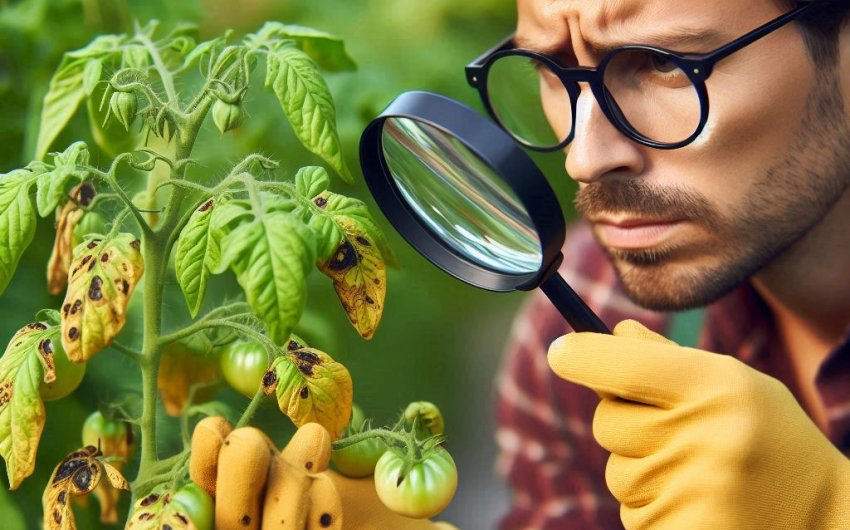
Becoming a proficient plant disease identifier is a crucial skill for any gardener, enabling you to swiftly diagnose and effectively address issues impacting your cherished plants. Observing changes in foliage, stems, or overall vigor can signal a wide array of problems, from nutrient deficiencies and environmental stress to fungal infections, bacterial diseases, or viral attacks. Early detection and accurate diagnosis are paramount, as prompt action can often prevent a minor ailment from escalating into a widespread devastation. This comprehensive guide will equip you with the knowledge to recognize common plant problems, understand their underlying causes, and implement appropriate solutions to restore your plants to their vibrant health.
Why is it important to identify plant diseases?
Accurate and timely identification of plant diseases and other problems is the first step towards healthy plants and a thriving garden. Misdiagnosis can lead to ineffective treatments, wasted resources, and prolonged plant suffering.
What are the benefits of proper diagnosis?
- Effective treatment: You can apply the right solution to the specific problem, whether it's adjusting watering, adding nutrients, or using a targeted fungicide.
- Prevents spread: Early identification allows you to contain a disease or pest infestation before it spreads to other healthy plants.
- Saves plants: Prompt action can often save a plant that might otherwise succumb to the issue.
- Resource conservation: Avoids wasting time, effort, and money on incorrect remedies.
- Improved plant health: Understanding the root cause helps you adjust care practices for long-term vitality.
What are common causes of plant problems?
Many issues can manifest as "sick-looking" plants, and not all are diseases caused by pathogens. It's crucial to differentiate.
- Environmental stress:
- Improper watering: (Too much or too little) is the leading cause of houseplant problems.
- Light issues: (Too much or too little light for the plant's needs).
- Temperature extremes: (Too hot, too cold, sudden fluctuations).
- Humidity levels: (Too high or too low for the plant).
- Nutrient deficiencies or excesses: Imbalances in soil nutrients.
- Poor soil drainage/compaction: Suffocates roots.
- Transplant shock: Stress from moving locations.
- Pests: Insect infestations often mimic disease symptoms. Look for visible insects, sticky residue, or webbing.
- Pathogens (True Diseases):
- Fungi: The most common cause of plant diseases (e.g., powdery mildew, rust, leaf spot).
- Bacteria: (e.g., bacterial blights, soft rots).
- Viruses: Less common but can be very difficult to treat (e.g., mosaic viruses).
- Nematodes: Microscopic worms that attack roots.
What are the steps to identify a plant problem?
A systematic approach to diagnosing plant issues is most effective. Think like a detective!
How do you observe the plant thoroughly?
- Start with the overall appearance: Is the plant generally droopy, yellowing, stunted, or is it localized to certain parts?
- Check all parts of the plant:
- Leaves: Look at both top and bottom. Note color changes (yellow, brown, black), spots, holes, distortions, wilting, stickiness, or fuzzy/powdery coatings.
- Stems: Check for discoloration, lesions, cankers, wilting, or softness.
- Flowers/Buds: Look for discoloration, rot, failure to open.
- Roots: If suspecting root issues, gently remove the plant from its pot (or carefully dig around the base for outdoor plants) and examine the roots for mushiness, blackness, or unusual growths. Healthy roots are typically firm and white/tan.
- Soil: Note if it's too wet, too dry, compacted, or has any unusual growth (like mold).
What questions should you ask yourself?
Think about the plant's history and environment.
- When did the symptoms first appear? Was it sudden or gradual?
- What has changed recently? (e.g., changed watering schedule, moved locations, new plant added, fertilizing).
- What are the environmental conditions? (Light, temperature, humidity, watering frequency).
- What type of plant is it? Different plants have different needs and common problems.
- Are there visible pests? Use a magnifying glass for plants to check for tiny insects.
How do you use resources for identification?
- Online plant disease identifiers/apps: Many websites and mobile apps allow you to upload photos and provide information to get a diagnosis. Some are quite sophisticated, using AI.
- Gardening books: Good reference books on plant diseases.
- Local extension office: Agricultural extension services often have experts who can diagnose plant problems for free or a small fee, especially for outdoor garden issues specific to your region.
- Experienced gardeners/nurseries: Fellow enthusiasts or staff at local nurseries can often offer advice.
What are common non-disease problems and how do you fix them?
Many plant problems are not caused by pathogens but by improper care or environmental stress. These are often easier to fix once identified.
What are watering issues?
The most frequent culprits for indoor plants.
- Overwatering (most common):
- Symptoms: Yellowing leaves (often starting at the bottom), drooping despite wet soil, mushy stems, stunted growth, mold on soil surface, root rot (black, mushy roots).
- Cause: Soil stays wet for too long, depriving roots of oxygen.
- Fix: Let soil dry out significantly between waterings. Use pots with drainage holes and well-draining soil. If severe, repot into fresh, dry soil after trimming rotten roots. A moisture meter can help.
- Underwatering:
- Symptoms: Wilting/drooping (plant feels dry), crispy brown leaf edges/tips, slow growth, leaf drop.
- Cause: Not enough water, or watering too infrequently.
- Fix: Water thoroughly until water drains from the bottom. Consider bottom watering for very dry soil. Adjust watering frequency to plant's needs.
What are light issues?
Plants need the right amount and intensity of light.
- Too little light:
- Symptoms: Leggy, stretched growth (etiolation), smaller new leaves, pale color, lack of flowering, stunted growth.
- Cause: Insufficient light for photosynthesis.
- Fix: Move to a brighter location (e.g., closer to a south-facing window). Consider a plant grow light.
- Too much light (sunburn):
- Symptoms: Brown or white scorched patches on leaves, yellowing of entire leaves, faded colors.
- Cause: Direct, intense sunlight (especially for plants used to indirect light).
- Fix: Move to a spot with bright, indirect light or filter direct sun with sheer curtains.
What are humidity issues?
Crucial for tropical houseplants.
- Low humidity:
- Symptoms: Brown, crispy leaf tips or edges, stunted growth, susceptibility to spider mites.
- Cause: Dry indoor air (common in winter with heating).
- Fix: Use a humidifier, place plants on a pebble tray, group plants together.
- High humidity (less common problem):
- Symptoms: Can encourage fungal leaf spots or powdery mildew if combined with poor airflow.
- Fix: Improve air circulation with a small fan or better spacing.
What are nutrient issues?
Imbalances in soil nutrients can show up as leaf discoloration.
- Nutrient deficiency (general):
- Symptoms: Overall pale green or yellowing leaves, stunted growth.
- Cause: Lack of essential nutrients in the soil.
- Fix: Fertilize with a balanced houseplant fertilizer during the growing season.
- Over-fertilization:
- Symptoms: Brown or yellow leaf tips/edges, white crust on soil surface, stunted growth.
- Cause: Too much fertilizer leading to salt buildup.
- Fix: Flush soil thoroughly with plain water. Reduce fertilizing frequency or strength.
What are common houseplant pests and how do you treat them?
Pest infestations are often mistaken for diseases, but they have distinct signs and treatments. A magnifying glass for plants is essential for small pests.
What are Spider Mites?
Tiny arachnids that thrive in dry conditions.
- Appearance: Very tiny red, brown, or black dots. Fine webbing on leaves and stems (especially undersides).
- Damage: Yellow or white stippling on leaves, overall dullness, severe cases can lead to leaf drop.
- Fix:
- Increase humidity: They hate humidity.
- Shower/Wipe: Rinse plant thoroughly in the shower to dislodge them. Wipe leaves with a damp cloth.
- Insecticidal soap/Neem oil: Spray with horticultural insecticidal soap or a diluted neem oil solution. Repeat every 5-7 days for several weeks to break their life cycle.
What are Mealybugs?
Soft-bodied insects covered in a white, cottony wax.
- Appearance: White, fluffy, cotton-like masses, often in leaf axils, on stems, or under leaves.
- Damage: Sticky residue (honeydew), distorted growth, yellowing leaves, stunted growth.
- Fix:
- Rubbing alcohol: Dip a cotton swab in rubbing alcohol and dab directly onto mealybugs to kill them.
- Systemic insecticide (last resort): For severe infestations, consider a houseplant systemic insecticide that the plant absorbs. Use with caution.
What are Fungus Gnats?
Small, dark flies that buzz around the soil.
- Appearance: Tiny black flies, often seen flying near the soil surface when disturbed. Larvae are tiny, clearish worms in the soil.
- Damage: Mostly annoying. Larvae can feed on fine root hairs, but typically only cause significant damage to seedlings or very weak plants.
- Fix:
- Let soil dry out: The primary solution. Fungus gnats thrive in constantly wet soil. Let the top 1-2 inches of soil dry completely between waterings.
- Yellow sticky traps: Place yellow sticky traps near the plant to catch adults.
- BTi (Bacillus thuringiensis israelensis): Use BTi dunks or bits in your watering can. This naturally kills the larvae in the soil.
What are Aphids?
Small, soft-bodied insects, often green, black, or yellow, clustered on new growth.
- Appearance: Small, pear-shaped insects, often found on new shoots, buds, and the undersides of leaves.
- Damage: Sticky honeydew, distorted new growth, yellowing leaves, stunted growth.
- Fix:
- Blast with water: A strong spray of water can dislodge them.
- Insecticidal soap/Neem oil: Spray thoroughly, ensuring coverage of undersides of leaves.
What are common plant diseases (pathogens) and how do you treat them?
These are typically caused by fungi, bacteria, or viruses and often require specific treatments beyond environmental adjustments.
What is Powdery Mildew?
A common fungal disease.
- Appearance: White, powdery patches on leaves, stems, and sometimes flowers.
- Damage: Distorted leaves, stunted growth, reduced flowering, weakened plant.
- Fix:
- Improve air circulation: Space plants out, use a fan.
- Remove affected parts: Prune and dispose of severely infected leaves.
- Fungicide: Apply an organic fungicide specifically for powdery mildew (e.g., neem oil, sulfur, or potassium bicarbonate solution).
What is Leaf Spot (Fungal/Bacterial)?
Various types, often distinguished by their appearance.
- Appearance: Circular or irregular spots on leaves, varying in color (brown, black, yellow, sometimes with a halo). Can be sunken, raised, or have distinct margins.
- Damage: Aesthetic damage, can lead to defoliation in severe cases.
- Fix:
- Improve airflow and reduce humidity: Avoid getting water on leaves, especially overnight.
- Remove infected leaves: Prune and discard affected leaves.
- Fungicide/Bactericide: Apply an appropriate fungicide or bactericide if the problem persists and is severe.
What is Root Rot?
The silent killer of many houseplants.
- Appearance: Often not visible until the plant is severely affected. Symptoms mimic underwatering (drooping, yellowing, leaf drop) but the soil is wet. Roots are soft, mushy, brown/black, and may smell foul.
- Cause: Overwatering and poor drainage, leading to oxygen deprivation and a breeding ground for harmful anaerobic bacteria and fungi.
- Fix:
- Immediate action: Unpot the plant.
- Prune rotten roots: Use clean, sharp scissors to cut away all soft, black, or mushy roots. Healthy roots are firm and white/tan.
- Repot: Repot into fresh, dry, well-draining potting mix in a clean pot with drainage holes.
- Do not water immediately: Wait several days to a week before the first watering to allow any cut roots to callus. Resume careful watering.
What are Viruses?
Less common in houseplants and often incurable.
- Appearance: Distorted growth, mosaic patterns (light and dark green patches), streaks, rings, yellowing, stunted growth. Symptoms can be varied and often mimic nutrient deficiencies.
- Cause: Viral particles, often spread by sap-sucking insects or contaminated tools.
- Fix: No cure. Isolate infected plants immediately. Dispose of severely affected plants to prevent spread. Sterilize tools after contact.
By becoming a skilled plant disease identifier and understanding the nuances between environmental stress, pests, and true pathogens, you empower yourself to react effectively to your plants' cries for help. This proactive approach ensures your indoor garden remains a vibrant and healthy sanctuary, free from common ailments.