
Plant Disease Identification: Spot and Treat Plant Issues
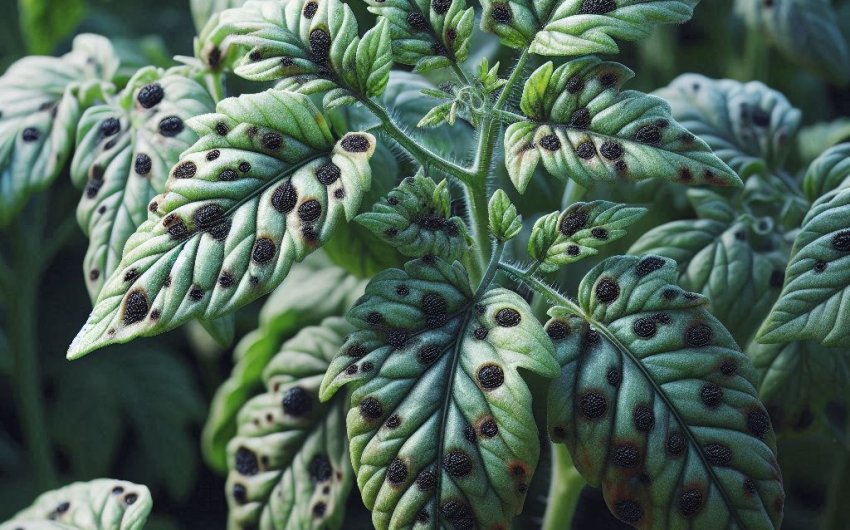
The vibrant tapestry of a healthy garden or a thriving indoor plant collection brings immense joy, but occasionally, that joy is dampened by the appearance of unsightly spots, wilting leaves, or a general decline in plant vigor. These unwelcome changes often signal the presence of a plant disease. Mastering plant disease identification is a cornerstone of effective gardening, enabling you to quickly spot common plant issues and implement appropriate treatments to restore your green companions to full health. This comprehensive guide will equip you with the knowledge to become a plant detective, ready to tackle a range of common ailments.
Why is Plant Disease Identification Important?
Early and accurate identification of a plant disease is crucial for effective treatment and preventing its spread. Misdiagnosing a problem can lead to ineffective remedies, wasted effort, and potentially the loss of your plants.
What are the Benefits of Early Disease Detection?
Spotting problems quickly gives you the best chance to save your plants and protect your entire garden.
- Effective Treatment: Knowing exactly what you're dealing with allows you to choose the most appropriate and targeted treatment, whether it's cultural adjustments, organic sprays, or chemical interventions.
- Preventing Spread: Many plant diseases are highly contagious. Early detection allows you to isolate infected plants or areas, preventing the pathogen from spreading to healthy specimens.
- Reduced Damage: Treating a disease in its initial stages minimizes the damage to the plant, helping it recover faster and reducing yield loss for edible crops.
- Long-Term Health: Understanding disease patterns helps you implement long-term preventative measures, building a more resilient and healthier garden ecosystem.
- Saving Time and Money: Avoid wasting resources on ineffective treatments or having to replace entire plants.
What Are the General Signs of Plant Disease?
Before diving into specific diseases, it's helpful to recognize general symptoms that indicate a plant is unwell, whether from disease, pests, or environmental stress. Often, plant disease identification starts with noticing these overall changes.
How Do Leaves Show Distress?
Leaves are often the first place to show symptoms, as they are central to photosynthesis.
- Discoloration:
- Yellowing (Chlorosis): Can indicate nutrient deficiency, overwatering, underwatering, or root issues.
- Browning/Crisping: Often from underwatering, sunburn, cold damage, or severe nutrient burn.
- Blackening: Can indicate frost damage, severe fungal/bacterial rot, or extreme overwatering.
- Red/Purple Tinge: Often a sign of phosphorus deficiency, or sometimes cold stress.
- Spots and Lesions:
- Circular spots: Brown, black, yellow, or white spots with distinct borders. Can be fungal or bacterial.
- Target spots: Spots with concentric rings.
- Water-soaked lesions: Appear dark and wet, often indicating bacterial infection.
- Powdery/Fuzzy Growth: White, grey, or black powdery/fuzzy coatings on leaves, stems, or flowers, indicative of mildew or mold.
- Distortion:
- Curling/Rolling: Leaves curl inwards or outwards.
- Crinkling/Wrinkling: Uneven or abnormal texture.
- Stunting: New leaves are significantly smaller than normal.
- Holes or Tearing: Often from insect feeding, but can sometimes be a symptom of disease causing tissue decay.
- Dropping Leaves: Premature leaf drop, often in response to stress (e.g., overwatering, underwatering, shock).
How Do Stems and Stalks Show Distress?
Changes in stems and stalks can indicate more systemic problems.
- Wilting: Drooping of entire stems or the whole plant, despite adequate water, often a sign of root rot, stem rot, or vascular wilt.
- Soft/Mushy Stems: Indicates rot, usually from overwatering or fungal infection.
- Discoloration: Dark streaks or discoloration inside the stem when cut open (vascular wilt).
- Cankers: Sunken, discolored lesions on stems or branches.
- Stunting: Overall reduction in plant height and vigor.
What About Roots and Flowers/Fruit?
Damage to these parts can directly affect the plant's ability to thrive and reproduce.
- Root Rot: Roots turn mushy, black, or brown, and may smell foul. (See previous blog post on Root Rot for detailed info).
- Lack of Flowers/Fruit: While sometimes cultural, disease can inhibit blooming or fruiting.
- Spots on Flowers/Fruit: Discoloration, rot, or deformities.
- Premature Fruit Drop: Fruit falls before ripening.
What Are Common Plant Diseases and How Do You Identify Them?
Here's a breakdown of some of the most frequently encountered plant diseases in gardens and on houseplants, along with their key identifiers and basic approaches to treatment.
1. Powdery Mildew
- Description: A common fungal disease characterized by white, powdery spots or patches on the surface of leaves and stems. It looks like the plant has been dusted with flour.
- Hosts: Affects a wide range of plants, including squash (pumpkins, zucchini), cucumbers, roses, lilacs, phlox, grapes, and many houseplants.
- Conditions: Thrives in moderate temperatures (60-80°F / 15-27°C) with high humidity, especially in shaded, poorly circulated areas. Does not require wet leaves to spread.
- Symptoms: White powdery spots spreading to cover entire leaves. Leaves may yellow, curl, distort, and eventually shrivel and die. Reduced photosynthesis leads to stunted growth and poor flowering/fruiting.
- Treatment & Prevention:
- Cultural: Choose resistant varieties. Provide good air circulation (proper spacing, pruning dense foliage). Plant in full sun. Avoid excessive nitrogen. Water the soil, not the leaves.
- Organic: Neem oil (Neem Oil for Plants), potassium bicarbonate (Potassium Bicarbonate Fungicide), sulfur-based fungicides (Garden Sulfur Fungicide), diluted milk spray.
- Chemical: Fungicides containing myclobutanil or propiconazole (e.g., Spectracide Immunox Fungicide).
2. Downy Mildew
- Description: Often confused with powdery mildew, but a different group of pathogens. Forms fuzzy, purplish-grey or bluish-white growth, typically on the underside of leaves.
- Hosts: Impatiens, basil, cucumbers, grapes, lettuce, roses.
- Conditions: Requires cool, wet, and humid conditions with prolonged leaf wetness.
- Symptoms: Yellow spots or patches on the upper leaf surface, corresponding to fuzzy growth on the underside. Leaves may eventually brown and drop.
- Treatment & Prevention:
- Cultural: Improve air circulation. Water at the base of plants. Use disease-resistant varieties. Remove infected leaves.
- Organic: Copper-based fungicides (Copper Fungicide Garden), neem oil.
- Chemical: Specific fungicides labeled for downy mildew (often with active ingredients like mandipropamid or cyazofamid).
3. Rust Diseases
- Description: Fungal diseases that produce characteristic rust-colored, powdery pustules (spore masses) on leaves, stems, or sometimes fruit.
- Hosts: Roses, beans, hollyhocks, fuchsias, snapdragons, many ornamental grasses.
- Conditions: Favored by cool to warm temperatures and prolonged periods of leaf wetness.
- Symptoms: Small, raised, orange, brown, or black bumps on the underside of leaves, often with yellow spots on the upper side. Severe infections cause leaf yellowing, distortion, and defoliation.
- Treatment & Prevention:
- Cultural: Remove infected leaves promptly. Clean up plant debris. Space plants for good air circulation. Water at the base. Use resistant varieties.
- Organic: Neem oil, sulfur-based fungicides (Garden Sulfur Fungicide), copper fungicides.
- Chemical: Fungicides containing trifloxystrobin or myclobutanil.
4. Leaf Spot Diseases (Various Fungi/Bacteria)
- Description: A broad category covering many diseases that cause distinct spots on leaves. Caused by various fungi or bacteria.
- Hosts: Virtually all plants can be affected by some form of leaf spot.
- Conditions: Often thrive in wet conditions, high humidity, and poor air circulation.
- Symptoms: Circular, oval, or irregular spots on leaves. Color varies (brown, black, tan, yellow, purple) and may have a halo or distinct border. Spots can merge, leading to large blotches, yellowing, and leaf drop.
- Treatment & Prevention:
- Cultural: Improve air circulation. Water at the base. Remove and destroy infected leaves. Practice crop rotation. Clean garden tools.
- Organic: Copper-based fungicides (Copper Fungicide Garden), neem oil.
- Chemical: General purpose fungicides labeled for leaf spots.
5. Blights and Wilts (Various Fungi/Bacteria)
- Description: More severe diseases that often cause rapid browning, wilting, and death of stems, branches, or entire plants.
- Hosts: Tomatoes (Early Blight, Late Blight), potatoes, beans (Bacterial Blight), trees, shrubs.
- Conditions: Often spread rapidly in warm, humid, or wet conditions.
- Symptoms:
- Blights: Rapid browning and death of leaves, stems, flowers, or fruit. Lesions may be water-soaked or necrotic.
- Wilts: Sudden drooping and wilting of plant parts, even when soil is moist. Often, cutting open a stem reveals discolored vascular tissue (streaks of brown or black).
- Treatment & Prevention:
- Cultural: Use disease-resistant varieties. Practice strict sanitation (remove and destroy infected plants immediately). Rotate crops. Ensure good drainage. Avoid overhead watering.
- Organic: Some resistant varieties exist. Good sanitation.
- Chemical: Often difficult to treat once established. Preventative fungicide/bactericide applications might be recommended for highly susceptible crops in high-risk areas.
6. Root Rot (Fungal)
- Description: Fungal decay of roots, typically caused by overwatering or poor drainage. (See dedicated blog post for full details).
- Hosts: All plants, but especially sensitive houseplants like succulents, ZZ plants, snake plants, and plants in heavy potting mixes.
- Conditions: Constantly soggy soil, lack of oxygen in the root zone.
- Symptoms: Yellowing, wilting, and drooping leaves despite wet soil. Stunted growth. Mushy, black, or foul-smelling roots.
- Treatment & Prevention:
- Cultural: The primary solution. Ensure proper watering (allow soil to dry between waterings), excellent drainage (pots with holes, well-draining potting mix). Use appropriate pot size.
- Intervention: Unpot, trim rotted roots, repot in fresh, dry, well-draining soil.
How Do You Accurately Identify a Plant Disease?
Effective plant disease identification involves a systematic approach, combining observation with environmental context.
1. Observe Symptoms Carefully
- Location: Where are the symptoms appearing? (e.g., old leaves, new leaves, stems, top, bottom, entire plant).
- Pattern: Is it random spots, uniform discoloration, spreading patches, or systemic wilting?
- Appearance: Describe the spots (color, size, shape, border, halo). Is there any fuzz, slime, or powdery coating?
- Progression: How quickly are symptoms developing? Are they getting worse?
- Impact: How is the plant's overall health and growth affected?
2. Consider Environmental Conditions
- Watering Habits: Are you overwatering or underwatering? Is the soil drying out between waterings?
- Light Exposure: Is the plant getting too much or too little light?
- Temperature & Humidity: Are conditions consistently warm, cool, humid, or dry? Has there been a sudden change?
- Air Circulation: Is the plant in a crowded area with stagnant air?
- Fertilization: Are you over or under-fertilizing?
3. Rule Out Other Issues (Pests & Cultural Problems)
Many disease symptoms can be confused with pest damage or cultural stressors.
- Pests: Inspect closely for insects (under leaves, in crevices). Look for sticky residue (honeydew), webbing (spider mites), or visible bugs.
- Nutrient Deficiencies: Specific patterns of yellowing can indicate lack of nutrients (e.g., uniform yellowing of older leaves = nitrogen, interveinal yellowing = iron/magnesium).
- Environmental Stress: Overwatering, underwatering, cold drafts, heat stress, or sudden changes in environment can all cause leaves to yellow, brown, or drop.
- Transplant Shock: Recently repotted plants may wilt or slow growth.
4. Consult Resources
- Online Databases & Guides: Websites from university extension services (e.g., your local Master Gardener program), reputable gardening blogs, and specialized plant pathology sites offer vast databases of images and descriptions.
- Plant Identification Apps: Some apps (e.g., PictureThis, PlantNet) can help identify plants and sometimes diseases, but use them as a starting point, not a definitive diagnosis.
- Gardening Books: Comprehensive guides on plant diseases.
- Local Experts: Your local nursery, garden center staff, or university extension office can often provide expert advice based on regional common issues. Consider bringing a sample (in a sealed bag) for them to examine.
How Do You Treat Identified Plant Issues?
Once you've made an identification, choosing the right treatment strategy is crucial. Always start with the least invasive methods.
Step 1: Sanitation and Pruning
- Remove Infected Parts: Using sharp, sterilized pruning shears, immediately cut off any visibly diseased leaves, stems, or branches. Cut into healthy tissue to ensure all diseased material is removed. Sterilize your tools (with rubbing alcohol or a bleach solution) after each cut to avoid spreading pathogens.
- Dispose Properly: Do NOT compost diseased plant material in your home compost pile, as many pathogens can survive. Bag and discard it in the trash, or burn it if local regulations allow.
- Clean Up Debris: Remove any fallen leaves or plant debris from around the plant and off the soil surface.
Step 2: Cultural Adjustments
Address any environmental factors contributing to the problem. These are often the most important long-term solutions.
- Adjust Watering: Correct overwatering or underwatering.
- Improve Drainage: Ensure pots have drainage holes, use well-draining potting mix.
- Optimize Light: Move plant to a brighter or less intense light spot.
- Enhance Air Circulation: Prune dense foliage, space plants properly, ensure good room airflow.
- Manage Humidity & Temperature: Adjust as needed for the specific plant.
- Fertilization: Ensure balanced feeding, avoiding over or under-fertilization.
- Repotting: If root-bound or in poor soil, repot with fresh, appropriate mix.
Step 3: Organic Treatment Options
For many common fungal diseases, organic sprays can be effective, especially if applied early and consistently.
- Neem Oil: A multi-purpose organic solution that acts as an insecticide and fungicide. Mix according to label instructions with water and a few drops of mild soap. Spray thoroughly, covering all plant surfaces.
- Horticultural Oil: Lightweight oils that can smother insects and some fungal spores. Use as directed.
- Sulfur & Copper Fungicides: Natural fungicides that act as protectants, preventing spore germination. Apply preventatively or at first signs. Always check labels for plant safety and temperature restrictions.
- Baking Soda/Potassium Bicarbonate Sprays: Can alter leaf surface pH to inhibit fungal growth. Test on a small area first for sensitivity.
Step 4: Chemical Fungicides/Bactericides (Use with Caution)
These are typically reserved for severe, persistent problems or highly valuable plants, and when organic methods have failed.
- Identify Correctly: Ensure you have accurately identified the disease before using chemical treatments.
- Read the Label: Absolutely critical. Pay attention to:
- Target Disease: Ensure the product is labeled for your specific disease.
- Application Rate & Method: How much to use, how to apply (spray, drench).
- Re-application Interval: How often to apply.
- Pre-Harvest Interval (PHI): If on edible crops, how long to wait before harvesting.
- Safety Precautions: Wear appropriate PPE (gloves, eye protection).
- Environmental Impact: Be aware of runoff and impact on beneficial insects.
- Rotate Products: If multiple applications are needed, rotate between products with different active ingredients to prevent pathogen resistance.
- Professional Advice: For very serious or unusual diseases, consult with a plant pathologist or a certified arborist/gardener.
Becoming proficient in plant disease identification is a continuous learning process, but one that significantly enhances your gardening success. By diligently observing your plants, understanding their needs, and responding promptly to distress signals, you can maintain a vibrant and healthy collection, preventing minor issues from escalating into major problems.