
How to Identify Lawn Weeds: Common Types and Solutions
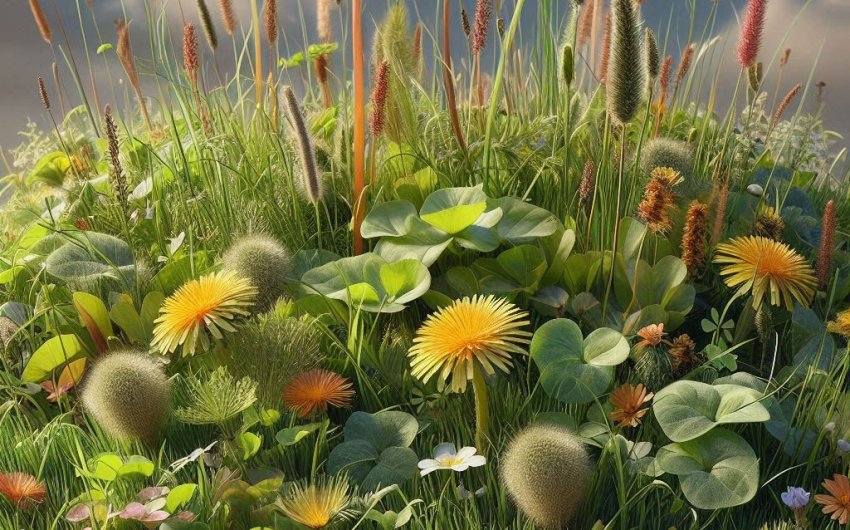
Maintaining a pristine lawn often feels like a continuous battle against unwanted invaders. Learning how to identify lawn weeds is the pivotal first step in effectively controlling these persistent plants and restoring the lush, uniform appearance of your turf. By distinguishing between common types and understanding their growth habits, you can select the most appropriate and successful solutions for a healthier, weed-free lawn.
Why is it Important to Identify Lawn Weeds?
Before rushing to apply treatments, understanding how to identify lawn weeds is crucial. Accurate identification is not just about knowing names; it's the foundation of effective and sustainable weed control. Misidentification can lead to wasted effort, ineffective treatments, and even harm to your desired lawn grass.
Targeted Treatment
Different lawn weeds respond to different control methods.
- Herbicide Specificity: Many herbicides are designed to target specific types of weeds (e.g., broadleaf weed killers won't harm grassy weeds). Using the wrong product is ineffective and can damage your lawn.
- Mechanical Control: Knowing a weed's root system (taproot vs. fibrous roots) helps you choose the best mechanical removal tool (e.g., a dandelion weeder for taproots, hand pulling for shallow roots).
- Cultural Practices: Understanding a weed's preferred growing conditions (e.g., compacted soil, low fertility, wet spots) allows you to adjust your lawn care practices to make your lawn less hospitable to that weed.
Understanding Weed Life Cycles
Weeds have different life cycles, which dictate the best time and method for control.
- Annual Weeds: Complete their life cycle in one growing season (e.g., crabgrass, common purslane). They sprout from seed, grow, flower, set seed, and die. Best controlled before they set seed.
- Biennial Weeds: Live for two years (e.g., wild carrot, common mullein). They form a leafy rosette in the first year and flower, set seed, and die in the second. Best controlled in their first year.
- Perennial Weeds: Live for more than two years, often returning from their root systems each year (e.g., dandelion, clover). Can be harder to control as they may regrow from root fragments. Requires systemic herbicides or diligent removal of entire root systems.
Knowing the life cycle allows you to choose herbicides effective for that stage or plan prevention strategies (like pre-emergent herbicides for annuals) for the correct time of year.
Revealing Underlying Lawn Problems
Weeds are often opportunistic. Their presence can signal underlying issues with your lawn's health or soil conditions.
- Compacted Soil: Weeds like plantain and knotweed thrive in compacted areas where desirable grass struggles.
- Low Nitrogen/Poor Fertility: Clover and other legumes (nitrogen fixers) often indicate a lack of available nitrogen in the soil.
- Poor Drainage/Wet Soil: Weeds like sedges or ground ivy might signal consistently wet areas.
- Acidic/Alkaline Soil: Certain weeds prefer specific pH levels, indicating your soil pH might be out of the optimal range for grass.
- Thin Turf: Any weed will take advantage of bare spots or thin turf where grass competition is low.
Identifying the weed helps you diagnose these lawn problems and address the root cause, leading to a healthier lawn in the long run.
Preventing Spread
Many weeds reproduce rapidly through various means (seeds, runners, root fragments). Correct identification helps prevent their spread.
- Seed Management: Knowing which weeds are annuals or biennials emphasizes the importance of controlling them before they go to seed.
- Runner Control: Weeds that spread by stolons or rhizomes (like Creeping Charlie) require different control methods to prevent them from taking over.
In essence, learning how to identify lawn weeds is not just an academic exercise; it's a practical necessity for effective, efficient, and environmentally responsible lawn care, saving you time, money, and frustration.
How Do You Identify Common Broadleaf Weeds?
Broadleaf weeds are perhaps the most recognizable group of lawn weeds, characterized by their wide, net-veined leaves that differ significantly from the narrow blades of grass. Learning how to identify lawn weeds in this category is crucial, as they often require specific herbicides and cultural controls.
1. Dandelion (Taraxacum officinale)
The ubiquitous yellow flower of the dandelion makes it one of the easiest weeds to spot.
- Key Identification Features:
- Leaves: Deeply lobed, tooth-edged leaves arranged in a basal rosette (a circular cluster close to the ground).
- Flowers: Bright yellow, puffball-like flowers on hollow, leafless stems. Mature into fluffy white seed heads (puffballs).
- Root: A thick, deep taproot that can regrow if not entirely removed.
- Sap: Produces milky white sap when stems or leaves are broken.
- Why it's tough: Its deep taproot makes hand-pulling difficult unless the soil is wet and you use a dandelion weeder. Each puffball can release hundreds of wind-dispersed seeds.
- Solutions:
- Cultural: Maintain a dense, healthy lawn.
- Mechanical: Hand-pulling with a taproot weeder when young.
- Chemical: Post-emergent broadleaf herbicides are very effective.
2. White Clover (Trifolium repens)
White clover is a common lawn weed often characterized by its distinctive three-part leaves.
- Key Identification Features:
- Leaves: Three leaflets (occasionally four) joined at the base, often with a white crescent or "watermark" on each leaflet.
- Flowers: Small, white, spherical flower heads.
- Growth Habit: Spreads aggressively by stolons (above-ground runners) that root at the nodes.
- Why it's tough: Its creeping growth allows it to rapidly colonize bare spots. It's a legume, meaning it fixes nitrogen, giving it a competitive advantage in low-nitrogen soils.
- Solutions:
- Cultural: Fertilize your lawn adequately with nitrogen (clover often indicates low nitrogen). Maintain dense turf.
- Chemical: Many broadleaf weed killers are effective against clover. Selective herbicides containing quinclorac or dicamba are good options.
3. Plantain (Broadleaf Plantain - Plantago major, Narrowleaf Plantain - Plantago lanceolata)
Both broadleaf and narrowleaf plantain are tough, resilient weeds that often indicate compacted soil.
- Key Identification Features (Broadleaf):
- Leaves: Large, oval-shaped leaves with distinct parallel veins, growing in a low basal rosette.
- Flowers: Long, slender, greenish-brown flower spikes that emerge from the center of the rosette.
- Root: Fibrous root system, but strong.
- Key Identification Features (Narrowleaf):
- Leaves: Long, narrow, ribbed leaves in a basal rosette.
- Flowers: Similar slender spikes, sometimes more compact.
- Why they're tough: Tolerant of heavy foot traffic and compacted soils where grass struggles. Produce many seeds.
- Solutions:
- Cultural: Aerate compacted areas to improve soil structure.
- Mechanical: Hand-pulling is effective if the soil is moist.
- Chemical: Broadleaf weed killers work well.
4. Ground Ivy / Creeping Charlie (Glechoma hederacea)
Ground ivy is an aggressive perennial that forms a dense, low-growing mat.
- Key Identification Features:
- Leaves: Rounded or kidney-shaped, scalloped or toothed leaves, often slightly hairy. Crushed leaves have a distinctive minty odor.
- Flowers: Small, funnel-shaped, purplish-blue flowers in spring.
- Growth Habit: Spreads aggressively by creeping stolons that root at nodes, allowing it to quickly colonize large areas.
- Stem: Square stems.
- Why it's tough: Extremely fast spreading and roots easily from every node. Tolerates shade and moist soil.
- Solutions:
- Cultural: Improve drainage in wet areas.
- Chemical: Requires specific broadleaf herbicides, often containing triclopyr, applied in fall or spring when actively growing. Multiple applications may be needed.
5. Purslane (Common Purslane - Portulaca oleracea)
Common purslane is a succulent, fleshy annual weed.
- Key Identification Features:
- Leaves: Fleshy, paddle-shaped, reddish-green leaves.
- Stems: Thick, reddish, sprawling stems that root at nodes. Forms a mat.
- Flowers: Small, yellow, five-petaled flowers, often opening only on sunny mornings.
- Why it's tough: Extremely drought-tolerant and can re-root from stem fragments. Produces thousands of tiny seeds that can remain viable for years.
- Solutions:
- Cultural: Maintain a dense lawn to reduce bare spots.
- Mechanical: Hand-pulling is effective, but remove all plant fragments.
- Chemical: Pre-emergent herbicides can prevent germination. Post-emergent broadleaf herbicides can control it.
By meticulously observing these key identification features, you'll be well-equipped on how to identify lawn weeds in the broadleaf category and select the most effective control methods.
How Do You Identify Common Grassy Weeds?
Grassy weeds are often more challenging to identify than broadleaf weeds because their growth habit, while distinct, can be mistaken for desirable lawn grass. However, learning how to identify lawn weeds in the grassy category by looking at specific features like ligules, auricles, and growth patterns is crucial for effective control, especially with specialized herbicides.
Key Identification Features for Grassy Weeds
Unlike broadleaf weeds, grassy weeds generally have narrow blades and parallel veins. To distinguish them, look at specific structures at the junction of the leaf blade and the stem:
- Ligule: A thin, membrane-like or hairy flap on the inner side of the leaf blade where it meets the stem.
- Auricles: Small, ear-like appendages that clasp or encircle the stem.
- Growth Habit: How the plant spreads (clumping, creeping) and its overall texture and color compared to your lawn grass.
1. Crabgrass (Digitaria spp.)
Crabgrass is the most notorious annual grassy weed, a summer menace that browns out in fall.
- Key Identification Features:
- Leaves: Wider and lighter green than most lawn grasses. Blades are somewhat coarse.
- Growth Habit: Spreads in a crab-like, low-growing mat, with stems radiating out from a central point. Roots at nodes.
- Seed Heads: Finger-like seed heads appear in late summer.
- Ligule: Membranous and toothed. No auricles.
- Why it's tough: Extremely vigorous in hot weather, produces thousands of seeds that can remain viable for years, filling in thin or bare spots.
- Solutions:
- Cultural: Maintain a dense, tall lawn (mow at 3 inches or higher) to shade the soil and prevent germination. Water deeply and infrequently.
- Chemical: Pre-emergent herbicides applied in early spring (before soil temperatures reach 55°F) are very effective at preventing germination. Post-emergent grassy weed killers (often containing quinclorac or fenoxaprop) can control it, but difficult once mature. You can find a crabgrass pre-emergent to use early in the season.
2. Goosegrass (Eleusine indica)
Often mistaken for crabgrass, goosegrass is another annual grassy weed, thriving in compacted, hot conditions.
- Key Identification Features:
- Leaves: Broader and flatter than crabgrass, often with a white or silver center.
- Growth Habit: Grows in a dense, low, flattened rosette, often described as having a "wagon wheel" appearance. Very tolerant of compaction and traffic.
- Seed Heads: Silvery-white, finger-like seed heads.
- Ligule: Membranous and jagged. No auricles.
- Why it's tough: Thrives in hot, sunny, compacted areas. Its flat growth habit makes it difficult for mower blades to cut.
- Solutions:
- Cultural: Aerate compacted areas. Maintain dense turf.
- Chemical: Similar to crabgrass, pre-emergents are key. Post-emergent herbicides for grassy weeds can be used, but control can be challenging for mature plants.
3. Nutsedge (Yellow Nutsedge - Cyperus esculentus, Purple Nutsedge - Cyperus rotundus)
Nutsedge is not a true grass, but a sedge, and it behaves very differently from grassy weeds, making identification crucial.
- Key Identification Features:
- Leaves: Grass-like but noticeably stiffer, thicker, and more upright, often a lighter yellowish-green than lawn grass.
- Stem: Triangular (three-sided) stem when rolled between your fingers. (True grasses have round or flattened stems).
- Growth Habit: Spreads rapidly by underground tubers ("nutlets") and rhizomes, making it difficult to control. Often grows in moist, poorly drained areas.
- Why it's tough: Extremely aggressive, fast-growing, and reproduces from abundant underground tubers that are difficult to eradicate.
- Solutions:
- Cultural: Improve drainage in wet areas.
- Chemical: Requires specialized sedge-specific herbicides (e.g., those containing halosulfuron or sulfentrazone). Standard grassy weed killers will not work. Multiple applications are often needed. Manual removal is difficult as tubers break off and regrow. A nutsedge killer will be specifically labeled for sedges.
4. Annual Bluegrass (Poa annua)
Annual bluegrass is a common cool-season annual that can be a nuisance in lawns, especially where winter overseeding is done.
- Key Identification Features:
- Leaves: Light green, boat-shaped leaf tips (like Kentucky bluegrass, but lighter). Distinctive crinkled blade.
- Growth Habit: Grows in low, dense clumps or patches.
- Seed Heads: Produces prolific, visible, whitish seed heads even when mowed short, often in spring.
- Ligule: Membranous, no auricles.
- Why it's tough: Prolific seed producer, and its seeds germinate in cool weather, often outcompeting desirable grass.
- Solutions:
- Cultural: Maintain a dense lawn to outcompete. Avoid overwatering in fall and winter.
- Chemical: Pre-emergent herbicides in late summer/early fall are most effective. Some specific herbicides can control it post-emergence, but can be difficult to remove without harming desirable cool-season grass.
By learning these distinguishing characteristics, you gain the power of accurate identification, which is the most critical tool for effectively controlling grassy lawn weeds.
How Do Underlying Lawn Problems Contribute to Weeds?
Weeds are often more than just a nuisance; their presence can be a symptom of underlying problems with your lawn's health or soil conditions. Learning how to identify lawn weeds in conjunction with observing your lawn's overall vigor allows you to diagnose and address these root causes, leading to long-term weed control and a healthier turf.
1. Compacted Soil
When soil becomes too dense, it stifles grass roots and beneficial soil life, but certain weeds thrive.
- Weeds that indicate compaction: Broadleaf plantain, narrowleaf plantain, knotweed, crabgrass, goosegrass.
- Problem: Compacted soil has very few air pockets, which are essential for grass roots to "breathe" and grow deeply. Water struggles to penetrate, leading to runoff, and nutrient uptake is impaired. Grass becomes weak and thin.
- Solution: Aeration is key. Use a core aerator machine to pull out small plugs of soil, which improves air, water, and nutrient penetration. Regularly topdress with compost to build healthier soil structure over time. Avoid heavy foot traffic or machinery on wet soil.
2. Low Soil Fertility or Nutrient Imbalances
Weeds are opportunistic, and some thrive in conditions where desirable grasses struggle due to lack of nutrients.
- Weeds that indicate low nitrogen: White clover, black medic, hairy vetch (these are legumes that fix their own nitrogen).
- Weeds that indicate low potassium/phosphorus: Many weeds can exploit these, but a general lack of vigor in grass is a stronger sign.
- Problem: If your lawn isn't getting the right balance of nutrients, its growth will slow, it will become thin, and weeds will easily move in to fill the gaps.
- Solution: Conduct a soil test to determine your soil's specific nutrient deficiencies and pH. Fertilize your lawn appropriately based on the soil test recommendations. Use a balanced lawn fertilizer designed for your grass type.
3. Incorrect Soil pH
Soil pH affects nutrient availability. When it's too acidic or too alkaline, certain nutrients become locked up, favoring specific weeds.
- Weeds indicating acidic soil: Sheep sorrel, moss, plantain, spurge.
- Weeds indicating alkaline soil: Dandelion, clover, bindweed.
- Problem: Most lawn grasses prefer a slightly acidic to neutral pH (6.0-7.0). If your pH is too far outside this range, grass struggles to absorb nutrients.
- Solution: A soil test will indicate your pH. If too acidic, apply limestone. If too alkaline, apply elemental sulfur. Adjustments should be gradual and based on test results.
4. Poor Drainage / Constantly Wet Soil
Some weeds prefer constantly wet or soggy conditions that harm most lawn grasses.
- Weeds indicating wet soil: Nutsedge, ground ivy, moss, ditch stonecrop.
- Problem: Waterlogged soil deprives grass roots of oxygen, leading to root rot and weak turf.
- Solution: Improve drainage. This might involve aerating, adding organic matter, grading the landscape to move water away, or for severe cases, installing a French drain. Avoid overwatering.
5. Thin or Bare Patches (Lack of Turf Density)
Any opening in the turf is an invitation for weeds.
- Problem: Thin spots, bare patches, or a generally sparse lawn allow weed seeds to germinate easily, as there's less competition for sunlight, water, and nutrients.
- Solution: The best weed control is a dense, healthy lawn. Overseed regularly to fill in thin areas and increase turf density. Maintain proper mowing height, fertilize appropriately, and water deeply to encourage thick grass growth. A good quality grass seed can help thicken sparse areas.
By understanding that weeds are often indicators, you can move beyond simply removing them to addressing the underlying conditions that allow them to flourish. This holistic approach, starting with how to identify lawn weeds and then diagnosing the problem, is the most effective path to a truly healthy, weed-resistant lawn.
How Do You Control Lawn Weeds Effectively?
Once you know how to identify lawn weeds and understand their underlying causes, you can implement an effective and integrated weed control strategy. This combines cultural practices, mechanical removal, and chemical treatments for long-term success.
1. Cultural Practices (Building a Healthy Lawn)
This is the first line of defense and the most sustainable approach. A dense, healthy lawn naturally outcompetes most weeds.
- Proper Mowing:
- Mow High: Set your mower blade to the highest recommended height for your grass type (usually 3 inches or more). Taller grass shades the soil, suppressing weed seed germination.
- Frequent Mowing: Mow often enough so you only remove about one-third of the blade height at a time.
- Sharp Blade: A sharp mower blade makes clean cuts, which is healthier for the grass and reduces stress.
- Appropriate Watering:
- Deep and Infrequent: Water deeply (to encourage deep grass roots) but infrequently (only when the lawn needs it). This promotes strong grass while discouraging shallow-rooted weeds.
- Correct Fertilization:
- Balanced Nutrients: Fertilize your lawn based on soil test results, providing the necessary nutrients for vigorous grass growth. A dense, well-fed lawn outcompetes weeds.
- Timing: Fertilize cool-season grasses in fall and spring; warm-season grasses in late spring and summer.
- Aeration and Topdressing:
- Aeration: Relieves soil compaction, allowing grass roots to thrive where weeds like plantain might prefer compacted soil.
- Topdressing: Applying a thin layer of compost improves soil health, structure, and water retention, benefiting grass over weeds.
- Overseeding:
- Regularly overseed your lawn to fill in thin spots and increase turf density. A thick lawn leaves no room for weeds.
2. Mechanical Removal
For individual weeds or smaller infestations, manual removal is often effective.
- Hand-Pulling: Best for annual weeds before they set seed, or for young broadleaf perennials like dandelions if the soil is moist. Use a hand weeder or dandelion weeder to remove taproots entirely.
- Digging: For tougher perennial weeds with deep roots or spreading rhizomes, digging them out is often necessary. Ensure you get all root fragments.
3. Chemical Control (Herbicides)
For widespread infestations or persistent weeds, chemical herbicides can be a valuable tool, but they should be used carefully and judiciously.
- Pre-Emergent Herbicides:
- Purpose: Prevent weed seeds from germinating. They create a chemical barrier in the soil.
- Target: Primarily effective against annual weeds like crabgrass and goosegrass.
- Timing: Apply in early spring (for summer annuals) or late summer/early fall (for cool-season annuals like annual bluegrass), before the seeds sprout. Do not use if you plan to overseed within 60-90 days, as it will prevent your new grass seeds from germinating too. A common pre-emergent herbicide will specify its target weeds.
- Post-Emergent Herbicides:
- Purpose: Kill weeds that have already sprouted and are actively growing.
- Target:
- Broadleaf Weed Killers: Target broadleaf weeds (dandelion, clover, plantain, ground ivy) without harming most lawn grasses. Look for products containing 2,4-D, MCPP, or dicamba. Many are selective broadleaf weed killers.
- Grassy Weed Killers: Specialized herbicides for grassy weeds like crabgrass. Often contain quinclorac or fenoxaprop.
- Sedge Killers: Specific products for nutsedge (e.g., containing halosulfuron or sulfentrazone).
- Non-Selective Herbicides: Kill any plant they touch (e.g., glyphosate). Use only for spot treatments on weeds in bare areas, or if you plan to reseed that area entirely, as they will kill grass too.
- Application: Apply according to label directions. Often best on a calm day with moderate temperatures. Target actively growing weeds.
- Spot Treatment vs. Broadcast: For a few weeds, use a spot treatment. For widespread problems, broadcast application might be necessary.
By combining diligent cultural practices with timely mechanical and appropriate chemical controls, you can effectively manage and prevent lawn weeds, ultimately fostering a healthier and more beautiful lawn. Understanding how to identify lawn weeds is truly the first and most critical step in this ongoing process.