
How to Establish a Low-Maintenance Lawn: Expert Tips
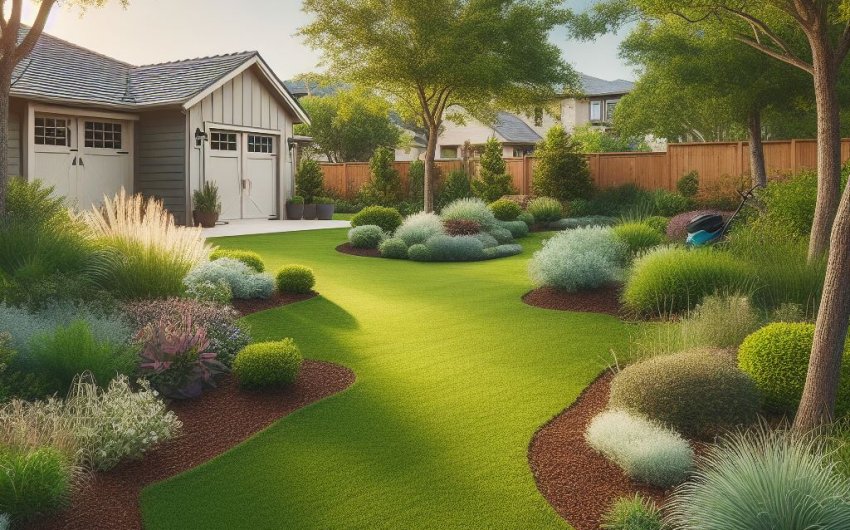
To establish a low-maintenance lawn, focus on proactive strategies that reduce the need for constant intervention. Expert tips include choosing the right grass species, improving soil health significantly, setting up efficient irrigation, and adopting smart mowing and fertilizing practices to create a resilient, self-sustaining turf.
What is a low-maintenance lawn and why should I want one?
A low-maintenance lawn is designed and managed to require minimal inputs of time, water, fertilizer, and pesticides while still looking healthy and attractive. It's about working with nature, not against it, to create a resilient turf that frees up your precious time and resources.
Benefits of a low-maintenance lawn:
- Saves Time: Less frequent mowing, watering, fertilizing, and weeding frees up your weekends for other activities.
- Saves Money: Reduced expenses on water bills, fertilizers, pesticides, and equipment maintenance.
- Environmentally Friendly: Uses less water, reduces chemical runoff into waterways, and supports a healthier soil ecosystem.
- More Resilient: Grass that relies on deep roots and healthy soil is often better equipped to withstand drought, heat, and minor pest/disease issues.
- Less Stress: Enjoy a beautiful lawn without the constant worry and effort of traditional high-input turf care.
- Healthier Soil: Organic practices often underpin low-maintenance lawns, leading to richer, more biologically active soil.
- Appeals to Modern Lifestyles: Fits busy schedules and desires for sustainable living.
What's the secret to choosing the right grass for a low-maintenance lawn?
The secret to establishing a low-maintenance lawn begins with choosing the right grass species or blend that is specifically adapted to your local climate, sun conditions, and desired level of care. This foundational decision significantly impacts the amount of effort your lawn will demand.
Expert tips for choosing the right grass:
- Know Your Climate Zone (USDA Hardiness Zone):
- Cool-Season Grasses: (e.g., Kentucky Bluegrass, Tall Fescue, Fine Fescue, Perennial Ryegrass) Thrive in cooler climates (Northern states, temperate regions). Grow best in spring and fall, go semi-dormant in hot summers.
- Low-Maintenance Choices: Fine Fescues are particularly low-maintenance, requiring less water and fertilizer, and tolerating some shade.
- Warm-Season Grasses: (e.g., Bermuda, Zoysia, St. Augustine, Centipede) Thrive in warmer climates (Southern states). Grow best in hot summers, go dormant (brown) in winter.
- Low-Maintenance Choices: Zoysia and Centipede are generally lower maintenance, requiring less frequent mowing and feeding than Bermuda or St. Augustine.
- Cool-Season Grasses: (e.g., Kentucky Bluegrass, Tall Fescue, Fine Fescue, Perennial Ryegrass) Thrive in cooler climates (Northern states, temperate regions). Grow best in spring and fall, go semi-dormant in hot summers.
- Assess Your Sunlight Conditions:
- Full Sun (6+ hours): Most turfgrasses thrive here, but some (like Bermuda) specifically love intense sun.
- Partial Shade (3-6 hours): Fine Fescues, specific shade-tolerant varieties of Tall Fescue, and St. Augustine (in warm climates) are good options.
- Full Shade (Less than 3 hours): No turfgrass truly thrives in deep shade. Consider groundcovers or alternative landscaping.
- Consider Drought Tolerance:
- High Drought Tolerance: Fine Fescues, Zoysia, Bermuda grass (can go dormant but recovers).
- Moderate Drought Tolerance: Tall Fescue, Centipede.
- Low Drought Tolerance: Kentucky Bluegrass (requires more water to stay green).
- Strategy: For a truly low-maintenance lawn, prioritize drought-tolerant varieties.
- Evaluate Traffic & Use:
- High Traffic: Perennial Ryegrass, Bermuda, Tall Fescue are more durable.
- Low Traffic: Fine Fescues, Zoysia are good.
- Desired Aesthetic:
- Fine Texture: Fine Fescues, Zoysia.
- Medium Texture: Kentucky Bluegrass, Perennial Ryegrass, Tall Fescue.
- Coarse Texture: St. Augustine, Centipede.
- Pest & Disease Resistance:
- Look for grass seed labels that indicate improved disease or insect resistance.
- Consider Native Grasses:
- Why: Often best adapted to local climate, soil, and wildlife, requiring minimal inputs.
- Examples: Buffalo grass (warm-season, very low water), various native fescues.
Example low-maintenance grass choices:
- Cool Climate: Fine Fescues (Red, Chewings, Hard) - especially for dry, shady spots.
- Warm Climate: Zoysia grass - dense, slow-growing, very drought tolerant. Centipede grass - needs less fertilizer, not as traffic tolerant.
How does improving soil health reduce lawn maintenance?
Improving soil health is arguably the most impactful strategy for establishing a low-maintenance lawn, as healthy soil creates a self-sustaining ecosystem that requires fewer external inputs. By focusing on the soil, you empower the grass to thrive naturally, drastically reducing your workload.
How healthy soil leads to low maintenance:
- Enhanced Water Retention & Drainage:
- Mechanism: Healthy soil, rich in organic matter, acts like a sponge. It absorbs and retains water better in sandy soils, reducing runoff in clay soils, and improves drainage.
- Impact: Significantly reduces the need for frequent watering, making your lawn more drought-tolerant.
- Natural Nutrient Cycling:
- Mechanism: A thriving soil food web (microbes, fungi, earthworms) continuously breaks down organic matter, slowly releasing essential nutrients to the grass roots.
- Impact: Reduces the need for synthetic fertilizers. The grass gets a steady, balanced diet.
- Improved Root Growth:
- Mechanism: Aerated, friable soil allows grass roots to grow deeper, access more water and nutrients, and anchor the plant more strongly.
- Impact: Grass becomes more resilient to heat, drought, and stress, reducing patchiness.
- Increased Pest and Disease Resistance:
- Mechanism: A diverse and robust soil microbial community naturally suppresses harmful pathogens and some soil-borne pests. Healthy grass is also better equipped to fight off invaders.
- Impact: Reduces or eliminates the need for chemical pesticides and fungicides.
- Weed Suppression:
- Mechanism: Dense, healthy turf grown in rich soil naturally outcompetes weeds for light, water, and nutrients.
- Impact: Reduces the need for chemical herbicides.
- Better Soil Structure:
- Mechanism: Organic matter and microbial activity create stable soil aggregates, preventing compaction.
- Impact: Reduces the need for aeration.
Expert tips for improving soil health:
- Start with a Soil Test: This is essential to understand your current pH, nutrient levels, and organic matter content. Use a DIY soil test kit.
- Top-Dress with Compost:
- Method: Spread a thin (1/4 to 1/2 inch) layer of high-quality compost over your lawn once or twice a year (spring and/or fall). Gently rake it in.
- Why: It's the best way to consistently add organic matter and beneficial microbes.
- Core Aeration:
- Method: Aerate annually or bi-annually, especially for compacted lawns. Use a manual core aerator for small lawns or rent a power aerator.
- Why: Relieves compaction, allows air/water/nutrients to penetrate.
- Use Organic Fertilizers: (See "Fertilizing Smart" section).
- Leave Grass Clippings: (See "Smart Mowing" section).
How do smart mowing practices contribute to a low-maintenance lawn?
Adopting smart mowing practices is a simple yet effective way to significantly contribute to a low-maintenance lawn. Correct mowing techniques not only keep your lawn looking tidy but also promote stronger, healthier grass that is more resilient to stress and weeds, ultimately reducing your workload.
Expert tips for smart mowing:
- Mow at the Right Height (Taller is Better!):
- Recommendation: Set your mower blade to the highest recommended setting for your grass type (typically 2.5 to 3.5 inches, sometimes even 4 inches). Never remove more than 1/3 of the grass blade length at a time.
- Why it helps:
- Deeper Roots: Taller grass shades the soil, keeping it cooler and moist, which encourages roots to grow deeper.
- Weed Suppression: Taller blades cast more shade, preventing weed seeds from germinating.
- Drought Resistance: Deeper roots and shaded soil make the lawn more resilient to dry spells.
- Photosynthesis: More blade surface area allows for more photosynthesis, producing more energy for the grass.
- Leave Grass Clippings (Grasscycling):
- Recommendation: Use a mulching mower or simply leave finely chopped grass clippings on the lawn after mowing.
- Why it helps:
- Natural Fertilizer: Clippings decompose rapidly, returning nitrogen and other nutrients to the soil. This can reduce your need for synthetic fertilizers by up to 25%.
- Organic Matter: Adds organic matter to the soil, improving soil health.
- Moisture Retention: A thin layer of clippings helps retain soil moisture.
- Avoid: Don't leave large clumps of clippings, as they can smother grass.
- Keep Your Mower Blade Sharp:
- Recommendation: Sharpen your mower blade at least once a season, or more frequently if you have a large lawn or tough grass. You can find lawn mower blade sharpeners or take it to a professional.
- Why it helps:
- Clean Cut: A sharp blade makes a clean cut, which promotes healthy healing and reduces stress on the grass.
- Prevents Tearing: Dull blades tear and fray grass blades, making them susceptible to disease and giving the lawn a brownish, unhealthy appearance.
- Mow When Grass is Dry:
- Recommendation: Wait for the morning dew to dry before mowing.
- Why it helps: Prevents clogging the mower, ensures a cleaner cut, and reduces the risk of spreading fungal diseases.
- Vary Mowing Pattern:
- Recommendation: Don't mow in the exact same pattern every time.
- Why it helps: Prevents soil compaction in one area and encourages grass blades to grow more upright.
How does smart watering reduce effort for a low-maintenance lawn?
Implementing smart watering practices is a cornerstone for establishing a low-maintenance lawn, significantly reducing your effort while promoting deep, resilient root growth. This strategy focuses on hydrating deeply and efficiently, rather than frequently, making your lawn more drought-tolerant.
Expert tips for smart watering:
- Water Deeply, Infrequently:
- Recommendation: Aim to apply about 1 inch of water per week, all at once, or split into two deep waterings per week, rather than daily shallow watering.
- Why it helps:
- Deep Roots: Encourages grass roots to grow deep into the soil to seek out moisture, making the lawn more resilient to drought.
- Drought Tolerance: Lawns with deep roots can survive longer periods without water.
- Weed Control: Surface watering favors shallow-rooted weeds; deep watering favors deep-rooted grass.
- Water in the Early Morning:
- Recommendation: Water between 4 AM and 9 AM.
- Why it helps:
- Reduces Evaporation: Cooler temperatures and less wind mean more water reaches the roots.
- Prevents Disease: Allows foliage to dry before nightfall, minimizing the risk of fungal diseases.
- Monitor Soil Moisture:
- Recommendation: Don't water just because the calendar says so. Check your lawn for signs of thirst (grass blades turning a dull bluish-green, footprints remaining after walking). Use a soil moisture meter for accurate readings.
- Measure Your Sprinkler Output:
- Recommendation: Place empty tuna cans or rain gauges on your lawn. Run your sprinklers for a set time (e.g., 30 minutes). Measure the amount of water collected. This tells you how long you need to run your sprinklers to get 1 inch of water.
- Why it helps: Ensures you're applying the correct amount of water, preventing over or under-watering. A rain gauge is simple.
- Address Runoff:
- Recommendation: If water runs off before 1 inch is absorbed, break your watering into shorter cycles (e.g., 15 minutes, wait an hour, then another 15 minutes).
- Why it helps: Allows water to soak in, especially on slopes or compacted soils.
- Consider Rain Sensors/Smart Irrigation:
- Recommendation: For automated systems, install a rain sensor that turns off sprinklers when it rains. Smart controllers can adjust based on local weather.
- Why it helps: Prevents wasteful watering and ensures your lawn isn't overwatered.
How does smart fertilizing reduce maintenance and promote a healthy lawn?
Smart fertilizing is a cornerstone of establishing a low-maintenance lawn, promoting healthy growth while significantly reducing your effort and reliance on frequent applications. This approach focuses on nourishing the soil, not just the grass, leading to a resilient turf.
Expert tips for smart fertilizing:
- Get a Soil Test First:
- Recommendation: Perform a soil test kit every 3-5 years.
- Why it helps: Identifies specific nutrient deficiencies and pH imbalances. This prevents over-application of unnecessary nutrients, saving money and reducing environmental impact.
- Choose Organic Fertilizers:
- Recommendation: Prioritize organic lawn fertilizers over synthetic options.
- Why it helps:
- Slow-Release: Organics feed the soil microbes, which then slowly release nutrients to the grass. This provides consistent, sustained growth without quick flushes, reducing the need for frequent applications.
- Builds Soil Health: Improves soil structure, water retention, and microbial activity, making the lawn more self-sufficient over time.
- Less Burning: Very low risk of burning your lawn.
- Fertilize at the Right Time:
- Cool-Season Grasses: Most important applications are in fall (for root growth) and a lighter application in early spring (for green-up). Avoid heavy nitrogen in summer.
- Warm-Season Grasses: Most important applications are in late spring and early summer during active growth. Avoid late-season nitrogen applications.
- Why it helps: Provides nutrients when the grass can best utilize them, reducing wasted fertilizer.
- Fertilize According to Soil Test, Not a Calendar:
- Recommendation: Let your soil test results guide what specific nutrients (N-P-K, micronutrients) you apply.
- Why it helps: Prevents over-application, which can harm the lawn and pollute waterways.
- Use a Spreader Correctly:
- Recommendation: Always use a broadcast spreader or drop spreader to ensure even application.
- Why it helps: Prevents streaks of uneven growth or burned spots from concentrated fertilizer.
- Leave Grass Clippings (Grasscycling):
- Recommendation: As mentioned in "Smart Mowing," leaving finely chopped grass clippings on the lawn returns nutrients to the soil.
- Why it helps: Can reduce your need for additional nitrogen fertilizer by up to 25%.
Establishing a low-maintenance lawn is an investment in time and smart practices upfront, but it pays off significantly with reduced work and a more resilient, beautiful turf. By choosing the right grass, improving soil health, adopting smart mowing and watering techniques, and fertilizing intelligently, you can enjoy a gorgeous lawn without constant fuss.