
5 Proven Techniques for Reviving a Patchy Lawn
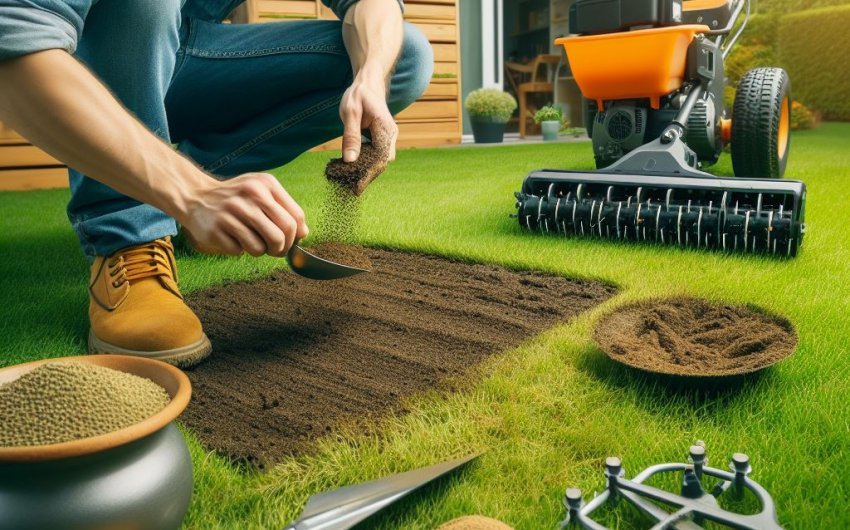
Reviving a patchy lawn requires a multi-faceted approach, starting with identifying the cause of the bare spots. Five proven techniques include proper overseeding, targeted soil amendment, strategic aeration, consistent watering, and effective pest and disease management, all working together to restore your lawn's uniform beauty.
Why is my lawn patchy, and how do I diagnose the problem?
A patchy lawn is a common frustration for many gardeners, indicating underlying issues that prevent grass from growing evenly. Before attempting to fix the problem, diagnosing the exact cause of the bare spots is crucial, as the solution depends entirely on what's gone wrong.
Common causes of a patchy lawn:
- Insufficient Sunlight:
- Signs: Thin, sparse grass, or bare spots primarily in shaded areas (under trees, near buildings).
- Diagnosis: Observe how many hours of direct sun these areas receive. Most turfgrass needs at least 4-6 hours.
- Poor Soil Conditions:
- Compaction: Hard, dense soil prevents roots from growing deeply and blocks water/nutrients/air.
- Nutrient Deficiency: Pale, yellowing grass indicates a lack of essential nutrients.
- Poor Drainage: Soggy areas lead to root rot. Dry, hard areas repel water.
- Diagnosis: Dig a small hole; feel the soil. Is it hard? Does water pool? A soil test kit reveals nutrient deficiencies and pH imbalances.
- Improper Watering:
- Underwatering: Dry, brown, crunchy patches, especially in hot weather.
- Overwatering: Constantly soggy areas, often leading to root rot or fungal diseases.
- Diagnosis: Use a soil moisture meter. Observe drainage.
- Pest Infestations:
- Grubs: Irregular brown patches that lift up easily like carpet. Tug on turf to check for C-shaped grubs.
- Chinch Bugs: Yellow to brown patches, often in hot, sunny areas, not responding to water. Look for tiny, red-black insects at the base of grass blades.
- Diagnosis: Careful inspection of the grass and soil at the edge of patchy areas.
- Disease Issues:
- Fungal diseases (e.g., Brown Patch, Dollar Spot): Circular brown spots, often with specific patterns. Worse in humid conditions or with overwatering.
- Diagnosis: Look for fungal mycelium (fuzzy growth), distinct lesion patterns on blades. Often confirmed by a professional.
- Pet Urine:
- Signs: Distinct dark green ring around a dead, brown center.
- Diagnosis: Classic appearance.
- Chemical Spills:
- Signs: Uniformly dead, often bleached spots where gas, oil, or harsh chemicals (e.g., too much fertilizer) were spilled.
- Heavy Traffic:
- Signs: Worn-out pathways or areas where people/pets frequently walk.
What is overseeding, and how can it revive my patchy lawn?
Overseeding is the most direct and effective technique for reviving a patchy lawn by introducing new grass seed into existing turf. It thickens thin areas, fills bare spots, and rejuvenates the entire lawn, transforming it from sparse to lush.
How overseeding revives a patchy lawn:
- Fills Bare Spots: Directly introduces new grass plants into areas where grass has died or thinned.
- Increases Density: New grass grows between existing blades, making the lawn thicker and more uniform.
- Improves Resilience: Introduces younger, more vigorous grass plants that are better at competing with weeds and tolerating stress.
- Enhances Color: New, healthy grass often has a brighter, more desirable color.
- Introduces New Varieties: Allows you to plant improved grass cultivars that might be more disease-resistant, drought-tolerant, or shade-tolerant.
Step-by-step overseeding technique:
- Best Time:
- Cool-season grasses (fescue, rye, bluegrass): Late summer to early fall (45-60 days before first hard frost).
- Warm-season grasses (Bermuda, Zoysia): Late spring to early summer.
- Prepare the Area (Crucial for Seed-to-Soil Contact):
- Mow Low: Mow your lawn slightly shorter than usual (about 2 inches).
- Remove Debris: Rake out dead grass, thatch, and any other debris to expose the soil. Use a dethatching rake if thatch is thick.
- Aerate (Highly Recommended): Core aeration (manual core aerator for small patches) before overseeding creates holes for seed to fall into, improving germination.
- Loosen Soil: For very bare patches, loosen the top inch of soil with a hand trowel or rake.
- Choose the Right Grass Seed:
- Select a grass type that matches your existing lawn and your light conditions (e.g., shade-tolerant mix for shady areas). Look for high-quality, reputable lawn repair seed mixes.
- Spread the Seed:
- Use a handheld spreader for small patches or a broadcast spreader for larger areas. Apply at the recommended overseeding rate (often slightly lower than new lawn seeding rate).
- Lightly Cover and Tamp:
- Lightly rake the seed into the top 1/8 to 1/4 inch of soil. You can also lightly top-dress with a thin layer of compost or seed-starting mix.
- Gently tamp down the area to ensure good seed-to-soil contact.
- Water Consistently (Crucial for Germination):
- Keep the seeded area consistently moist (not soggy) until seeds germinate and seedlings are established (usually 2-4 weeks). This might mean light watering 2-3 times a day. Using a watering can with a rose head or a fine mist hose nozzle is ideal.
- Mow Carefully:
- Wait until new grass is about 3-4 inches tall before mowing. Set your mower to its highest setting.
How can targeted soil amendment restore bare spots in my lawn?
Targeted soil amendment is a powerful technique for reviving a patchy lawn by directly addressing the underlying soil deficiencies or structural problems that cause bare spots. By improving the soil, you create a healthier foundation for grass to grow, ensuring lush and uniform turf.
How targeted soil amendment works:
- Corrects Nutrient Deficiencies:
- Problem: Pale, stunted grass in patches often indicates a lack of essential nutrients (Nitrogen, Phosphorus, Potassium, or micronutrients).
- Solution: A soil test kit is essential to pinpoint deficiencies. Apply targeted organic lawn fertilizers (e.g., bone meal for phosphorus, blood meal for nitrogen) or synthetic fertilizers as recommended by the test results.
- Adjusts pH Imbalances:
- Problem: Grass struggles to absorb nutrients if the soil pH is too acidic or alkaline.
- Solution: Soil test will indicate pH. To raise pH (make less acidic), apply garden lime. To lower pH (make less alkaline), apply elemental sulfur.
- Improves Soil Structure (for compaction or poor drainage):
- Problem: Hard, compacted soil or heavy clay prevents root growth and drainage. Sandy soil drains too quickly.
- Solution: Incorporate generous amounts of organic matter.
- Compost: Top-dress bare or thinning patches with 1/2 to 1 inch of compost. Gently rake it in or spread it before overseeding.
- Why compost? It improves aeration in clay soils, increases water retention in sandy soils, and feeds beneficial microbes.
- Enhances Drainage:
- Problem: Consistently soggy patches lead to root rot.
- Solution: In extreme cases, you may need to amend deeply with sand and organic matter, or even consider a French drain for persistent waterlogging. For smaller areas, aeration and compost can help.
Step-by-step targeted soil amendment:
- Diagnose first: Perform a soil test.
- Prepare bare spot: Rake away all dead grass and debris, loosen the top few inches of soil.
- Apply amendments: Spread compost, lime/sulfur, or targeted fertilizers as needed.
- Mix in: Gently rake amendments into the loosened soil.
- Overseed (recommended): After amending, overseed the area for new grass growth.
- Water: Water thoroughly to settle amendments and activate nutrients.
How can strategic aeration help revive a patchy lawn?
Strategic aeration is a powerful technique for reviving a patchy lawn by directly addressing soil compaction, which chokes grass roots and prevents essential resources from reaching them. By creating small channels in the soil, aeration dramatically improves conditions for new grass growth and overall turf health.
How strategic aeration helps revive a patchy lawn:
- Relieves Soil Compaction:
- Problem: When soil is compacted, grass roots struggle to penetrate, and water, air, and nutrients can't reach them effectively.
- Solution: Aeration physically removes small cores (plugs) of soil, creating open channels.
- Improves Air and Water Penetration:
- Impact: Allows oxygen to reach grass roots (vital for respiration) and enables water and nutrients to soak deeply into the soil rather than running off the surface.
- Enhances Nutrient Absorption:
- Impact: Fertilizers can reach deeper into the root zone, making them more available to the grass, which boosts growth in patchy areas.
- Stimulates Root Growth:
- Impact: Deeper, stronger roots grow into the new channels, leading to more resilient grass that is better able to withstand stress (drought, heat, traffic).
- Helps with Thatch Breakdown:
- Impact: The soil plugs brought to the surface introduce beneficial microorganisms that help break down excess thatch (a layer of dead organic matter between green grass and soil), which can also contribute to patchiness.
Step-by-step strategic aeration:
- Best Time:
- Cool-season grasses: Late summer to early fall, or early spring.
- Warm-season grasses: Late spring to early summer.
- Condition: Aerate when the soil is moist but not soggy.
- Choose Your Aerator:
- Manual Core Aerator: For small, targeted patches. These remove plugs of soil. Look for a manual core aerator tool.
- Rental Power Aerator: For larger patchy areas or entire lawns. Removes numerous plugs.
- Spike aerators (shoes): Generally not effective as they cause more compaction.
- Prepare the Area:
- Mow the lawn to normal height.
- Mark any irrigation heads or shallow utility lines to avoid damage.
- Perform Aeration:
- Push the manual aerator into the soil (or operate the power aerator) to remove plugs. For targeted patches, focus on the bare areas and a few feet beyond.
- Aim for 20-40 holes per square foot.
- Leave the Plugs:
- Leave the soil plugs on the lawn. They will break down and provide beneficial organic matter.
- Overseed and Fertilize (Highly Recommended):
- Impact: This is the ideal time to overseed bare spots, as seeds fall directly into the holes, dramatically improving germination. Follow with a starter fertilizer.
- Water: Water thoroughly after aeration and overseeding.
How does consistent and correct watering help revive a patchy lawn?
Consistent and correct watering is a fundamental technique for reviving a patchy lawn, directly impacting seed germination, seedling establishment, and the overall health of existing grass. Improper watering is a major cause of bare spots, so dialing in your hydration strategy is crucial for uniform green growth.
How consistent and correct watering revives a patchy lawn:
- Essential for Seed Germination:
- Impact: New grass seeds need continuous moisture to sprout. If they dry out, even once, during germination, they will likely die.
- Method: For newly seeded patches, keep the soil consistently moist (not soggy) with light, frequent watering 2-3 times a day until germination.
- Supports Seedling Establishment:
- Impact: Young grass seedlings have shallow root systems and are very vulnerable to drought stress. Consistent moisture helps them grow strong roots.
- Method: Gradually reduce frequency but increase duration of watering as seedlings mature to encourage deep root growth.
- Promotes Existing Grass Health:
- Impact: Existing grass needs adequate water to grow vigorously, repair itself, and spread into bare areas. Dehydrated grass will thin out and become patchy.
- Method: Water deeply (1 inch of water) 1-3 times a week, depending on soil type and weather. Water early in the morning to reduce evaporation and fungal disease risk.
- Leaches Out Harmful Salts (e.g., from pet urine):
- Impact: Deep watering can help flush out concentrated salts from pet urine or fertilizer spills, reducing their burning effect and allowing grass to recover.
- Improves Nutrient Uptake:
- Impact: Water acts as a solvent, making nutrients available for grass roots to absorb.
- Method: Combine with proper fertilization for best results.
Step-by-step consistent watering:
- For Newly Seeded Patches:
- Frequency: Lightly water 2-3 times a day.
- Tools: Use a watering can with a rose head or a fine mist hose nozzle.
- Duration: Keep the top 1 inch of soil consistently moist for 2-4 weeks.
- For Established Lawns/Patches:
- Frequency: Water deeply (to apply 1 inch of water) 1-3 times per week, adjusting for rainfall and temperature.
- Tools: Use a rain gauge to measure. A soil moisture meter confirms soil moisture.
- Time: Water in the early morning (between 4 AM and 9 AM).
How does effective pest and disease management restore a patchy lawn?
Effective pest and disease management is a critical, often overlooked, technique for reviving a patchy lawn. Identifying and treating the specific culprits that are causing bare spots or unhealthy growth directly removes the source of damage, allowing your lawn to recover and thrive.
How pest and disease management restores a patchy lawn:
- Stops Active Damage:
- Impact: Eliminates the pests (e.g., grubs, chinch bugs) or diseases (e.g., fungal infections) that are actively feeding on or destroying grass roots and blades.
- Method: Once the damaging agent is removed, the grass can stop expending energy on fighting and focus on recovery.
- Prevents Further Spread:
- Impact: Many lawn pests and diseases can spread rapidly, enlarging patchy areas. Timely intervention contains the problem.
- Allows for New Growth/Recovery:
- Impact: Once the threat is gone, the soil is safe for new grass seed to germinate and existing grass to spread, helping to fill in the bare spots.
- Boosts Overall Lawn Health:
- Impact: A lawn free from major pests and diseases is less stressed, more resilient, and better able to utilize water and nutrients for healthy growth.
Step-by-step pest and disease management:
- Accurate Diagnosis (Crucial!):
- Inspect: Carefully examine the edges of the patchy areas. Look for specific pests (grubs, chinch bugs, sod webworms), characteristic damage patterns, or signs of fungal growth.
- Tools: A magnifying glass can help identify tiny insects.
- Consult: If unsure, take a sample to your local garden center or cooperative extension office.
- Choose the Right Treatment:
- Pests:
- Grubs: Apply grub control granular insecticide in late summer/early fall. For organic, use milky spore (slow-acting) or beneficial nematodes.
- Chinch Bugs: Spot treat with insecticidal soap for lawns or a targeted insecticide.
- Diseases (Fungal):
- Cultural Practices First: Correct overwatering, improve air circulation, mow at the right height, dethatch.
- Fungicides: Apply a lawn fungicide if cultural practices aren't enough. Choose a broad-spectrum or targeted product.
- Pests:
- Apply According to Directions:
- Crucial: Follow all product label instructions carefully, including application rates, timing, and safety precautions.
- After Treatment:
- Clean Up: Rake away any dead grass or debris after the pest/disease is controlled.
- Overseed: Once the area is clear of the active problem, overseed the bare patches to encourage new grass growth.
- Water: Water consistently to aid recovery and new growth.
Reviving a patchy lawn is a manageable task when you apply these five proven techniques: overseeding to fill gaps, targeted soil amendment to correct deficiencies, strategic aeration to relieve compaction, consistent watering to encourage growth, and effective pest and disease management to eliminate threats. By combining these methods, you'll transform your lawn from sparse to a lush, uniform green carpet.