
The Ultimate Guide to Organic Lawn Fertilizers: Tips and Recommendations
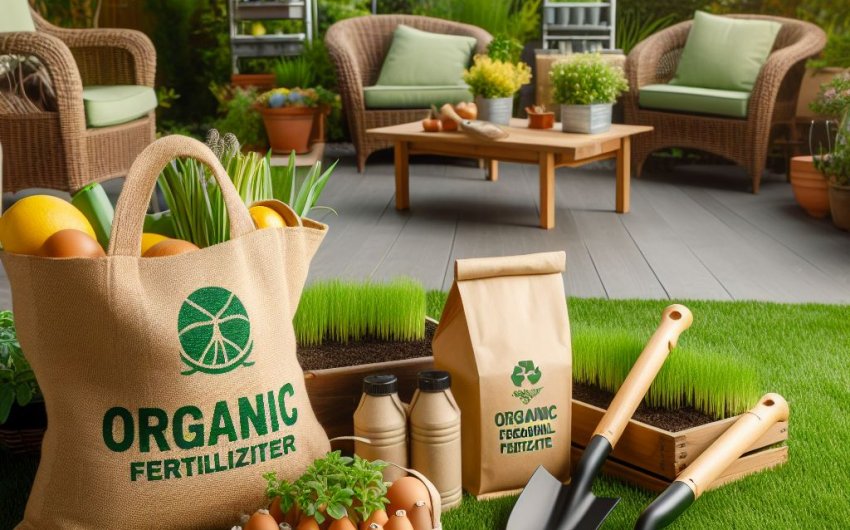
Organic lawn fertilizers nourish your lawn by improving soil health naturally, rather than relying solely on synthetic chemicals. The key tips and recommendations involve understanding your soil's needs, selecting the right organic inputs like compost or meal-based products, and applying them strategically to foster a thriving, resilient turf ecosystem.
Why should I choose organic lawn fertilizers over synthetic ones?
Choosing organic lawn fertilizers offers numerous long-term benefits for your lawn, soil, and the environment compared to synthetic options. While synthetic fertilizers provide quick results, organic methods work with nature to build a healthier, more resilient turf ecosystem, making them a sustainable choice.
Benefits of organic lawn fertilizers:
- Improved Soil Health: Organic fertilizers feed the soil microbes, which then slowly release nutrients to the grass. This fosters a thriving soil ecosystem, improving soil structure, water retention, and aeration over time.
- Slow-Release Nutrients: Nutrients are released gradually, preventing rapid growth spurts followed by decline. This leads to more consistent, sustained growth and a healthier lawn.
- Reduced Nutrient Runoff: Because nutrients are released slowly and bind to soil particles, there's less risk of runoff into waterways, protecting local ecosystems.
- Less Risk of Burning: Organic fertilizers have a much lower salt content than synthetics, drastically reducing the risk of "burning" your lawn, even if slightly over-applied.
- Safe for People, Pets, and Wildlife: Made from natural sources, they are generally safer for children, pets, and beneficial insects to be around immediately after application.
- Enhanced Drought Resistance: Healthier soil with better structure and water retention helps grass develop deeper, stronger roots, making it more resilient to drought and heat stress.
- Natural Pest & Disease Resistance: A robust soil ecosystem and healthy grass are naturally more resistant to pests and diseases, reducing the need for chemical interventions.
- Feeds the Soil Life: Organic matter provides food for earthworms, beneficial fungi, and bacteria, all essential for a living, healthy soil.
- Environmentally Friendly: Reduces reliance on fossil fuel-derived chemicals and supports a more sustainable gardening approach.
What are the key nutrients in organic lawn fertilizers?
The key nutrients in organic lawn fertilizers are the same macro-nutrients (Nitrogen, Phosphorus, Potassium - NPK) found in synthetic fertilizers, but they are derived from natural sources and often include a wider array of micronutrients. Understanding their role is crucial for a healthy lawn.
Understanding N-P-K in organic fertilizers:
- Nitrogen (N):
- Role: Promotes lush, green, vigorous growth of grass blades. It's essential for chlorophyll production, giving grass its vibrant color.
- Organic Sources: Blood meal, feather meal, alfalfa meal, composted manure, fish emulsion, cottonseed meal.
- Characteristics: Organic nitrogen is released slowly as soil microbes break it down, providing sustained greening.
- Phosphorus (P):
- Role: Crucial for strong root development, seedling growth, and overall plant energy transfer. It helps with stress tolerance.
- Organic Sources: Bone meal, rock phosphate, compost.
- Characteristics: Released slowly, important for new lawns, sod, or stressed lawns. Soil tests are vital to ensure phosphorus isn't over-applied, as excess can lead to runoff issues.
- Potassium (K):
- Role: Enhances overall plant health, stress resistance (drought, heat, cold, disease), and nutrient uptake. It's like the plant's immune system booster.
- Organic Sources: Greensand, kelp meal, wood ash (use cautiously, as it can raise pH), compost.
- Characteristics: Contributes to robust turf.
Additional nutrients and soil builders in organic fertilizers:
- Micronutrients: Organic fertilizers naturally contain a spectrum of essential trace elements like iron, magnesium, calcium, and sulfur, which are vital for plant health, often lacking in synthetic blends.
- Sources: Kelp meal, greensand, compost.
- Organic Matter: Beyond just NPK, organic fertilizers contribute carbon-rich organic matter to the soil.
- Role: This feeds the microbial life, improves soil structure (aeration in clay, water retention in sand), and acts as a buffer against pH changes.
- Sources: Composted manure, alfalfa meal, peat moss (used carefully), mushroom compost.
How do organic lawn fertilizers work to improve soil health?
Organic lawn fertilizers work fundamentally differently from synthetic ones, focusing on nourishing the entire soil ecosystem, rather than just feeding the plant directly. This holistic approach is why they are so effective at improving soil health and building a truly resilient lawn.
The organic approach to soil health:
- Feeds the Soil Food Web:
- Mechanism: Organic fertilizers are made from carbon-based materials (e.g., plant and animal byproducts). Instead of being directly absorbed by grass roots, these materials serve as food for the microscopic organisms living in the soil – bacteria, fungi, protozoa, nematodes, and earthworms.
- Impact: A thriving soil food web breaks down the organic matter.
- Slow-Release Nutrient Delivery:
- Mechanism: As soil microbes consume and decompose the organic materials, they gradually convert the locked-up nutrients (Nitrogen, Phosphorus, Potassium, micronutrients) into forms that grass roots can easily absorb. This is a natural, biological process.
- Impact: This slow-release process provides a steady, consistent supply of nutrients to the grass, preventing rapid growth spurts and subsequent nutrient depletion. It avoids the "feast or famine" cycle often associated with synthetic quick-release fertilizers.
- Improves Soil Structure:
- Mechanism: The continuous addition of organic matter to the soil, along with the tunneling activity of earthworms and the excretions of microbes, creates stable aggregates (clumps) of soil particles.
- Impact:
- For clay soils: Aggregates create larger pore spaces, improving aeration and drainage.
- For sandy soils: Organic matter acts like a sponge, increasing water and nutrient retention.
- Overall: Healthier soil structure allows grass roots to penetrate deeper, access more water and nutrients, and resist compaction.
- Enhances Water Retention:
- Mechanism: Organic matter can hold several times its weight in water.
- Impact: Leads to better moisture management in the soil, reducing the need for frequent watering and making the lawn more drought-resistant.
- Balances pH:
- Mechanism: Organic matter acts as a buffer, helping to stabilize soil pH over time and reducing drastic fluctuations, making nutrients more available to plants.
- Impact: Promotes optimal nutrient uptake.
- Suppresses Pests and Diseases:
- Mechanism: A diverse and healthy soil microbial community creates a competitive environment that can naturally suppress harmful pathogens and some soil-borne pests. Healthy grass grown in healthy soil is also more resilient to attacks.
- Impact: Reduces reliance on chemical pesticides and fungicides.
What are the different types of organic lawn fertilizers and their uses?
The world of organic lawn fertilizers offers a diverse range of natural products, each with unique nutrient profiles and benefits. Understanding these different types and their uses is key to successfully applying tips and recommendations for a thriving, healthy lawn tailored to its specific needs.
Common types of organic lawn fertilizers:
- Compost:
- Description: Decomposed organic matter (kitchen scraps, yard waste, leaves).
- Nutrient Profile: Low NPK (e.g., 1-1-1), but rich in micronutrients and beneficial microbes.
- Use: The best all-around soil amendment. Top-dress lawns (1/4-1/2 inch layer) once or twice a year to improve soil structure, feed microbes, and provide slow-release nutrients.
- Composted Manure (Cow, Chicken, Horse):
- Description: Animal waste that has been fully decomposed.
- Nutrient Profile: Varies, generally low NPK (e.g., 1-1-1 to 2-1-2), but excellent source of organic matter.
- Use: Similar to compost for top-dressing. Ensure it's fully composted to avoid burning plants or introducing weed seeds.
- Alfalfa Meal:
- Description: Made from ground alfalfa plants.
- Nutrient Profile: Higher in nitrogen (e.g., 3-1-2 to 2-1-2), also contains micronutrients and natural growth stimulants.
- Use: Provides a good nitrogen boost, often used for overall growth.
- Blood Meal:
- Description: Dried, powdered animal blood.
- Nutrient Profile: High in fast-acting organic nitrogen (e.g., 12-0-0).
- Use: Quick nitrogen boost for lush green growth. Use sparingly, as it's more concentrated.
- Bone Meal:
- Description: Steamed and ground animal bones.
- Nutrient Profile: High in phosphorus (e.g., 3-15-0) and calcium.
- Use: Excellent for root development, especially for new lawns, sod, or fall application to perennial grass.
- Feather Meal:
- Description: Ground poultry feathers.
- Nutrient Profile: Very high in slow-release nitrogen (e.g., 12-0-0 to 14-0-0).
- Use: Provides a long-lasting nitrogen feed over several months.
- Fish Emulsion/Hydrolysate:
- Description: Liquid fertilizer made from fish parts. Emulsion is cooked, hydrolysate is cold-processed (retains more nutrients).
- Nutrient Profile: Balanced NPK (e.g., 5-1-1 or 2-4-1), plus micronutrients.
- Use: Quick-acting liquid feed, good for foliar feeding or drenching. Can have a strong odor initially.
- Kelp Meal (Seaweed Meal):
- Description: Dried and ground seaweed.
- Nutrient Profile: Low NPK (e.g., 1-0.5-2) but very rich in micronutrients, trace elements, and natural plant hormones.
- Use: Boosts overall plant health, stress resistance, and root development. Can be used as a supplement.
- Greensand:
- Description: Naturally occurring iron-potassium silicate.
- Nutrient Profile: Low potassium (e.g., 0-0-3), rich in iron and other trace minerals.
- Use: Improves soil structure, provides iron (for greening), and potassium.
- Corn Gluten Meal:
- Description: Byproduct of corn milling.
- Nutrient Profile: Good source of nitrogen (e.g., 9-0-0).
- Use: Primarily used as a natural pre-emergent herbicide for broadleaf weeds and crabgrass (apply in early spring before germination), with a secondary benefit of nitrogen fertilization.
What are the best organic lawn fertilizer recommendations for each season?
For a consistently healthy and vibrant lawn, applying the right organic lawn fertilizer recommendations for each season is crucial. Tailoring your approach to the grass's needs throughout the year, from active growth to dormancy, ensures optimal nourishment and sustainable care.
Seasonal organic fertilizer recommendations:
- Spring (Early Spring - when grass starts greening up, Mid-Spring - 6-8 weeks after first application):
- Goal: Promote lush green growth and recover from winter dormancy.
- Recommendations:
- Compost or Composted Manure: Top-dress lawn (1/4 - 1/2 inch thick layer) to improve soil structure and provide slow-release nutrients.
- Alfalfa Meal or Feather Meal: Good source of nitrogen for green-up.
- Corn Gluten Meal: (Optional, for weed control). Apply as a pre-emergent herbicide in early spring before weed seeds germinate, also providing nitrogen.
- Kelp Meal: Excellent for boosting overall health and stress tolerance.
- Summer (Early Summer - as growth slows, Late Summer - before fall application):
- Goal: Sustain growth, enhance stress resistance (heat, drought), prepare for fall vigor. Avoid heavy nitrogen feeding in peak heat for cool-season grasses.
- Recommendations:
- Light Compost Tea or Fish Emulsion: (Liquid, diluted) Provides a gentle feed and microbial boost without forcing excessive top growth in heat.
- Kelp Meal: Helps build stress tolerance.
- Greensand: If soil test indicates iron deficiency for greening or potassium needs.
- Fall (Early Fall - as temperatures cool, Mid-Fall - before ground freezes):
- Goal: Promote strong root development for winter hardiness, store energy for spring, and recover from summer stress. This is the most critical feeding period for cool-season grasses.
- Recommendations:
- Compost or Composted Manure: Another excellent time to top-dress.
- Bone Meal (higher Phosphorus): Crucial for robust root growth before winter dormancy.
- Feather Meal or Alfalfa Meal: Provides slow-release nitrogen for strong top growth before winter.
- Kelp Meal: Enhances cold tolerance.
- Winter (Dormant Season):
- Goal: None for active feeding, focus on soil health.
- Recommendations: No active fertilization. The microbes will continue to work slowly under the snow, breaking down fall applications. Some gardeners may apply a very thin layer of compost for continued soil building.
What are the best practices for applying organic lawn fertilizers?
Applying organic lawn fertilizers effectively is just as important as choosing the right products. Following best practices ensures optimal nutrient delivery, minimizes waste, and maximizes the benefits for your lawn, leading to sustainable health and vibrancy.
Best practices for applying organic lawn fertilizers:
- Get a Soil Test:
- Why: This is the #1 tip. A soil test (DIY soil test kit or send to a lab) tells you your soil's current pH, nutrient levels, and organic matter content.
- Impact: Prevents over or under-application of specific nutrients, saving money and guiding product selection.
- Use a Spreader for Even Application:
- Why: Organic fertilizers (especially granular ones) can be clumpy. An organic fertilizer spreader ensures uniform coverage, preventing uneven growth or missed spots.
- Types: Broadcast spreader for large areas, drop spreader for precision.
- Read Product Labels Carefully:
- Why: Different organic products have different NPK ratios, application rates, and specific instructions.
- Impact: Ensures you apply the correct amount.
- Don't Over-Apply (Especially Nitrogen):
- Why: While organics are less likely to burn, excessive nitrogen can still lead to excessive top growth at the expense of roots, or environmental runoff.
- Impact: Follow recommended rates.
- Water After Application (Crucial for Granular):
- Why: Watering helps granular fertilizers settle into the soil, prevents them from blowing away, and starts the decomposition process by microbes.
- Impact: Ensures nutrients are released effectively and grass can absorb them.
- Top-Dress with Compost:
- Method: Spread a thin layer (1/4 to 1/2 inch) of compost over your lawn. Rake it in gently.
- Why: The best way to build soil organic matter and feed the soil food web.
- Tools: A compost spreader or bow rake can make this easier.
- Consider Liquid Feeds (Fish Emulsion, Kelp Meal):
- Method: Dilute according to instructions and apply with a hose-end sprayer or watering can.
- Why: Provides a quicker nutrient boost and beneficial micronutrients.
- Patience is Key:
- Why: Organic fertilizers work slowly by building soil health. You won't see dramatic results overnight like with synthetics.
- Impact: Trust the process. Over time, you'll develop a healthier, more resilient, and beautiful lawn.
How do I transition my lawn from synthetic to organic fertilizers?
Transitioning your lawn from synthetic to organic lawn fertilizers is a gradual and beneficial process that builds long-term soil health. It requires a bit of patience but will result in a more resilient and environmentally friendly turf.
Steps for transitioning to organic fertilizers:
- Start with a Soil Test:
- Why: Understand your current soil condition, pH, and nutrient levels. This helps you identify what needs immediate attention and guides your initial organic product choices.
- Gradual Reduction of Synthetics:
- Method: Don't switch cold turkey. For the first year, you can reduce your synthetic fertilizer application by half and supplement with organic options.
- Why: This allows your soil microbes time to build up and adapt to the organic food sources.
- Incorporate Compost Heavily:
- Method: Top-dress your lawn with 1/4 to 1/2 inch of compost in both spring and fall.
- Why: Compost is rich in organic matter and beneficial microbes, which are essential for jumpstarting your soil's natural fertility.
- Introduce Granular Organic Fertilizers:
- Method: Start using granular organic products (e.g., Alfalfa Meal, Feather Meal, Bone Meal) at the recommended seasonal times.
- Why: These provide the necessary NPK and micronutrients as your soil life develops.
- Consider Liquid Organic Boosts:
- Method: Use diluted fish emulsion or kelp meal for quicker boosts, especially during periods of stress or active growth.
- Why: These provide readily available nutrients and stimulate microbial activity.
- Adjust Watering:
- Impact: As soil health improves, it will retain moisture better, potentially reducing your watering frequency. Monitor your lawn closely.
- Practice Core Aeration:
- Method: Aerate your lawn annually, especially during the transition period.
- Why: Improves air and water penetration, and helps organic matter reach deeper into the root zone, accelerating soil health improvements.
- Patience and Observation:
- Impact: The full benefits of organic fertilization take time (1-3 years). Observe your lawn for improvements in color, density, and resilience. Your lawn may look "less perfect" initially, but it's building a stronger foundation.
What are the environmental benefits of using organic lawn fertilizers?
Beyond creating a beautiful lawn, using organic lawn fertilizers delivers significant environmental benefits, making it a responsible choice for your local ecosystem and the planet. These tips and recommendations emphasize a holistic approach that supports biodiversity and reduces harmful impacts.
Environmental benefits of organic lawn fertilizers:
- Reduced Water Pollution (Eutrophication):
- Mechanism: Synthetic fertilizers, especially soluble nitrogen and phosphorus, can quickly leach into groundwater or run off into surface waters (rivers, lakes, oceans).
- Organic Advantage: Organic nutrients are released slowly as microbes break them down and are largely bound to soil particles. This significantly reduces nutrient runoff, preventing eutrophication (algal blooms that deplete oxygen and harm aquatic life).
- Improved Water Conservation:
- Mechanism: Organic fertilizers build soil organic matter, which acts like a sponge, dramatically increasing the soil's capacity to retain water.
- Organic Advantage: This means you need to water your lawn less frequently, conserving precious water resources.
- Enhanced Biodiversity:
- Mechanism: Organic matter and the absence of harsh chemicals create a healthier, more diverse soil food web, including beneficial bacteria, fungi, earthworms, and insects.
- Organic Advantage: This diverse ecosystem improves soil structure, nutrient cycling, and provides a natural defense against pests and diseases, reducing the need for chemical pesticides that harm pollinators and other wildlife.
- Reduced Chemical Exposure:
- Mechanism: Synthetic fertilizers and pesticides can pose risks to human and pet health, and pollute the air and water during production and application.
- Organic Advantage: Eliminates these chemical inputs, creating a safer environment for children, pets, wildlife, and gardeners themselves.
- Carbon Sequestration:
- Mechanism: Adding organic matter to the soil increases its carbon content. Healthy soil can act as a carbon sink, removing carbon dioxide from the atmosphere.
- Organic Advantage: Contributes to mitigating climate change by sequestering carbon in the soil.
- Reduced Reliance on Fossil Fuels:
- Mechanism: The production of synthetic fertilizers is highly energy-intensive, relying heavily on fossil fuels.
- Organic Advantage: Organic fertilizers are derived from natural, renewable sources, reducing the carbon footprint associated with their production.
- Supports Soil Structure and Prevents Erosion:
- Mechanism: Healthy, aggregated soil from organic matter is more resistant to erosion by wind and water.
- Organic Advantage: Maintains valuable topsoil, preventing it from washing away.
By embracing organic lawn fertilizers and following these tips and recommendations, you're not just growing a beautiful lawn; you're cultivating a resilient ecosystem that benefits your home, your community, and the wider environment, proving that lush grass and ecological responsibility can go hand-in-hand.