
10 Essential Lawn Care Tools Every Gardener Needs
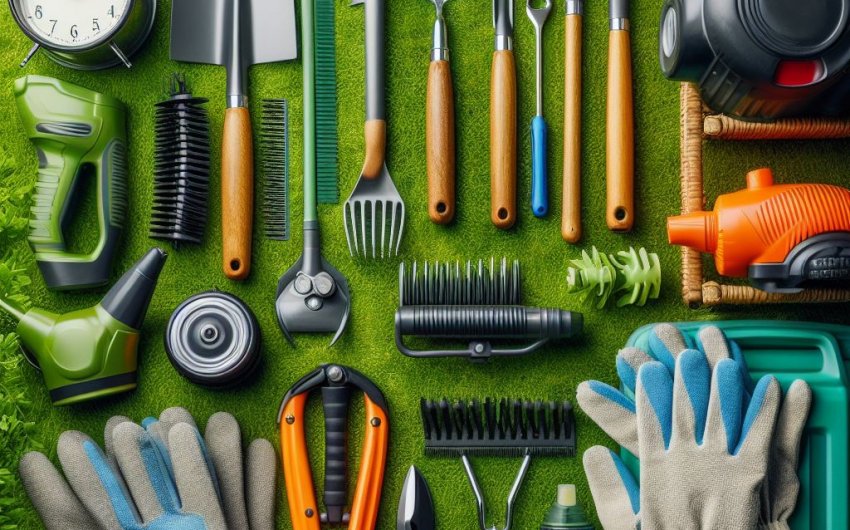
Every gardener needs a core set of essential lawn care tools to maintain a healthy, vibrant lawn. These include a reliable lawn mower, a sharp edger, a sturdy rake, a spreader for nutrients, and pruning shears for precision, ensuring you have the right equipment for effective turf management.
Why are dedicated lawn care tools important for a healthy lawn?
Dedicated lawn care tools are important for a healthy lawn because they enable precise, efficient, and effective turf management. Using the right tools for each task, from mowing to aerating, ensures your grass receives optimal care, leading to a greener, lusher, and more resilient lawn that truly thrives.
Benefits of having essential lawn care tools:
- Efficiency: Tools designed for specific tasks (e.g., a lawn mower for cutting, a spreader for even product distribution) save time and effort.
- Effectiveness: Proper tools perform tasks correctly, leading to better results (e.g., a sharp mower blade makes a clean cut, promoting healthy grass growth).
- Plant Health: Using the right tools prevents damage to your grass and soil (e.g., sharp blades reduce tearing; aerators relieve compaction).
- Safety: Ergonomically designed tools reduce strain and risk of injury during manual tasks.
- Versatility: A core set of tools can address most common lawn maintenance needs throughout the year.
- Cost Savings (Long-term): Investing in quality tools means they last longer, and effective care can prevent costly lawn repair services.
- Aesthetics: Well-maintained tools contribute to a neatly manicured, attractive lawn.
What type of lawn mower is best for a home gardener?
Choosing the best type of lawn mower is a fundamental decision for any home gardener, as it's arguably the most essential of all lawn care tools. The right mower depends on your lawn's size, terrain, and your personal preferences for power and environmental impact.
Types of lawn mowers for home gardeners:
- Reel Mowers (Manual):
- Description: A classic push mower with helical blades that shear grass like scissors.
- Pros: Eco-friendly (no fuel/electricity), very quiet, provides a very clean, healthy cut (great for turfgrass types like Bermuda or Zoysia), low maintenance.
- Cons: Best for small, flat lawns (under 1/4 acre), requires more physical effort, struggles with tall or wet grass.
- Best for: Small, eco-conscious gardeners who enjoy light exercise. You can find quality manual reel mowers.
- Electric Mowers (Corded):
- Description: Powered by an electrical cord, motor drives a spinning blade.
- Pros: Quieter than gas, no emissions, no fuel storage, less maintenance than gas, relatively lightweight.
- Cons: Limited by cord length, risk of cutting the cord, best for medium-sized lawns (up to 1/3 acre).
- Best for: Medium-sized lawns with easy access to outdoor outlets.
- Battery-Powered Mowers (Cordless Electric):
- Description: Powered by rechargeable lithium-ion batteries.
- Pros: Quiet, no emissions, no cord, highly maneuverable, less maintenance than gas, increasingly powerful.
- Cons: Battery life can limit cutting time (may need spare battery), higher initial cost than corded electric or gas.
- Best for: Medium to large lawns (up to 1/2 acre, or more with multiple batteries). Cordless electric lawn mowers are very popular.
- Gas Mowers (Push or Self-Propelled):
- Description: Powered by a gasoline engine.
- Pros: Most powerful, best for large lawns or thick grass, not limited by power source, often self-propelled for easier use.
- Cons: Noisy, emissions, requires fuel storage, more maintenance (oil changes, spark plugs), heavier.
- Best for: Large lawns (1/2 acre or more), challenging terrain, or very thick grass. Self-propelled gas lawn mowers are common.
- Robot Mowers:
- Description: Autonomous mowers that cut grass within a defined boundary.
- Pros: Fully automated, very quiet, keeps grass consistently trimmed (mulches clippings frequently).
- Cons: High initial cost, requires boundary wire installation, best for relatively flat lawns, not for tall grass.
- Best for: Busy individuals with consistently maintained lawns.
Why is a sharp edger an essential tool for a manicured lawn?
A sharp edger is an absolutely essential lawn care tool for any gardener aspiring to a truly manicured lawn, elevating its appearance beyond just a neat cut. It creates crisp, clean lines along pathways, driveways, and garden beds, defining your lawn and giving it a professional, finished look.
Benefits of using a sharp edger:
- Crisp Definition: Creates a clear, sharp boundary between your lawn and other landscape features.
- Professional Finish: Transforms a simply mowed lawn into one with a polished, well-maintained appearance.
- Prevents Encroachment: Keeps grass from creeping into garden beds or cracking driveways.
- Weed Control: A clean edge can act as a minor barrier against weeds from adjacent areas.
- Enhanced Curb Appeal: Significantly boosts the overall aesthetic appeal of your property.
- Variety of Tools:
- Manual Edger: A classic half-moon shaped blade on a stick. Eco-friendly, good for small areas, requires physical effort.
- Electric/Battery-Powered Edger: Offers power and ease of use, great for medium to large lawns.
- Gas-Powered Edger: Most powerful, best for very large properties or tough edging jobs.
Tips for using an edger:
- Choose the right type: Select a manual, electric, or gas edger based on your lawn size and budget. Battery-powered edgers are increasingly popular for home use.
- Keep it sharp: A dull blade tears grass and makes the job harder. Sharpen or replace blades regularly.
- Edge consistently: Regular edging (every 2-4 weeks) maintains sharp lines and prevents grass from becoming overgrown.
- Safety first: Always wear eye protection and sturdy shoes when operating an edger.
Why is a sturdy rake more than just a leaf collector?
A sturdy rake is far more than just a leaf collector; it's one of the most versatile and essential lawn care tools for maintaining a healthy and tidy lawn. Its utility spans across seasons, from preparing seedbeds to managing debris, making it indispensable for proper turf care.
Versatile uses for a sturdy rake:
- Leaf Collection:
- Primary function: Efficiently gathers fallen leaves, preventing them from smothering grass and fostering fungal growth. Leaf rakes with wide heads are best.
- Debris Removal:
- Clears twigs, small branches, grass clippings, and other unwanted materials from the lawn surface.
- Thatch Management:
- A dethatching rake can manually remove excess thatch (a layer of dead organic matter that builds up between green grass and soil), which improves air, water, and nutrient penetration.
- Seedbed Preparation:
- Smooths and levels soil before seeding, ensuring good seed-to-soil contact for better germination.
- Lightly covers newly sown seeds.
- Spreading Materials:
- Evenly spreads topsoil, compost, or amendments over the lawn surface.
- Breaking Up Clumps:
- Breaks up soil clumps or aerator plugs after aeration.
- General Tidying:
- Helps gather grass clippings after mowing (if not mulched) and generally keeps the lawn neat.
Types of rakes for lawn care:
- Leaf Rake: Wide, flexible tines (plastic or metal), ideal for leaves and light debris.
- Bow Rake (Garden Rake): Sturdy, rigid, short tines (metal), best for heavy debris, leveling soil, and thatch.
- Thatching Rake: Specialized rake with sharp, curved blades for aggressive thatch removal.
Tip: Choose a rake with a comfortable handle and a head size appropriate for your strength and lawn size. A good quality bow rake is a great all-around choice.
Why is a spreader critical for even lawn treatment?
A spreader is absolutely critical for achieving even and effective lawn treatment, making it one of the most essential lawn care tools for applying various products. Without it, you risk inconsistent results, uneven growth, or even damaging your lawn with hotspots of fertilizer or seed.
Benefits of using a spreader for lawn treatment:
- Even Distribution: Ensures fertilizers, seeds, herbicides, pesticides, and lime are applied uniformly across the entire lawn. This prevents:
- "Striping": Areas of lush green next to pale yellow.
- "Burning": Concentrated patches of fertilizer can burn grass.
- Missed spots: Ensures full coverage.
- Optimized Product Use: Reduces waste by applying the correct amount of product at the recommended rate.
- Improved Lawn Health: Consistent application leads to balanced nutrient uptake, proper seed germination, and effective weed/pest control.
- Time and Effort Saving: Much faster and easier than attempting to spread granular products by hand.
- Versatility: Most spreaders can handle a range of granular products.
Types of spreaders for lawn care:
- Broadcast Spreader (Rotary Spreader):
- Description: Disperses material in a wide, rotating arc.
- Pros: Fastest for large areas, covers a wide swath per pass.
- Cons: Less precise on edges, requires careful technique to avoid over-application at overlaps.
- Best for: Medium to large lawns. Find a broadcast spreader for efficiency.
- Drop Spreader:
- Description: Drops material straight down in a narrow band directly beneath the hopper.
- Pros: Very precise, ideal for small lawns, exact control on edges, less waste.
- Cons: Slower, requires more passes, can leave lines if not operated carefully.
- Best for: Small to medium lawns, precise application around beds.
- Handheld Spreader:
- Description: Small, crank-operated spreader held by hand.
- Pros: Inexpensive, good for very small areas or spot treatment.
- Cons: Less even application than walk-behind models, can be tiring for larger areas.
Why is a garden hose with a reliable nozzle important for a lush lawn?
A good quality garden hose paired with a reliable nozzle is critically important for cultivating a lush lawn, making it a foundational piece among your essential lawn care tools. Proper watering is key to grass health, and efficient water delivery ensures your lawn gets the hydration it needs without waste or frustration.
Importance of a quality hose and nozzle:
- Efficient Water Delivery:
- Hose length: Choose a hose long enough to reach all areas of your lawn without straining or needing extensions.
- Hose diameter: A larger diameter (e.g., 5/8 inch) allows for better water flow, especially for larger areas or sprinklers.
- Durability: A good quality hose resists kinking, punctures, and weathering, saving you frustration and replacement costs. Look for kink-resistant garden hoses.
- Precise Watering with a Nozzle:
- Control: A reliable nozzle allows you to adjust water flow from a gentle mist (for new seedlings) to a powerful jet (for cleaning).
- Versatility: Different spray patterns (shower, cone, flat, jet) are useful for various tasks beyond just lawn watering, like watering garden beds or cleaning tools.
- Shut-off valve: A nozzle with an on/off valve saves water and time by allowing you to easily stop flow without going back to the spigot.
- Comfort: An ergonomic handle and grip make extended watering sessions more comfortable. A quality garden hose nozzle with multiple patterns is invaluable.
- Healthy Growth:
- Deep, infrequent watering is best for lawns, encouraging deep root growth. A good hose and nozzle help deliver water effectively and precisely, ensuring water penetrates the soil rather than just running off.
- Convenience and Time Saving:
- A hose that doesn't kink and a nozzle that works reliably make watering less of a chore, ensuring you actually do it!
Why is an aerator beneficial for compacted lawns?
An aerator is incredibly beneficial for compacted lawns, making it an advanced yet essential piece of lawn care equipment for truly healthy turf. By creating small holes in the soil, it addresses compaction, which is a major impediment to deep root growth and nutrient absorption.
Benefits of aeration for compacted lawns:
- Relieves Soil Compaction:
- Cause: Heavy foot traffic, mowing equipment, and dense clay soils can compress soil particles, reducing the pore space needed for air and water.
- Solution: An aerator physically removes small plugs of soil, creating channels.
- Improves Air Circulation:
- Impact: Allows essential oxygen to reach grass roots, which is vital for respiration and growth. Reduces the buildup of harmful gases.
- Enhances Water Penetration:
- Impact: Water, fertilizer, and amendments can penetrate deeply into the soil, rather than running off the surface. This encourages roots to grow deeper, making grass more drought-resistant.
- Increases Nutrient Absorption:
- Impact: Roots can access nutrients more effectively when soil is not compacted, leading to better utilization of fertilizers.
- Stimulates Root Growth:
- Impact: Deeper, stronger roots mean more resilient grass that can better withstand stress (drought, heat, traffic).
- Helps with Thatch Breakdown:
- Impact: Bringing plugs of soil to the surface introduces beneficial microorganisms that help break down excess thatch.
Types of aerators:
- Spike Aerators: Poke holes in the ground with solid tines. Less effective than core aerators, as they can cause more compaction around the holes.
- Core Aerators (Plug Aerators): Remove small cylindrical plugs of soil. This is the most effective type.
- Manual Aerators: Handheld tools for small areas. Manual core aerator tools are good for spot treatment.
- Rental/Powered Aerators: Best for larger lawns, can be rented from equipment stores.
- Shoes: Aerator shoes are generally not effective.
When to aerate: Usually in late spring or early fall for cool-season grasses, and late spring to early summer for warm-season grasses.
Why are pruning shears important for maintaining lawn edges and beds?
Pruning shears are surprisingly important for maintaining crisp lawn edges and tidy garden beds, making them an indispensable accessory to your primary lawn care tools. While not for cutting the main lawn, they provide the precision needed for those detailed finishing touches that truly define a manicured landscape.
Uses of pruning shears in lawn care:
- Detailing Edges:
- Purpose: For trimming grass or small weeds that a mower or edger can't reach, or for perfecting the line along a pathway or flower bed.
- Impact: Creates a very neat, clean boundary that enhances the overall professional look of the lawn.
- Trimming Around Obstacles:
- Purpose: Safely cutting grass around delicate plants, statues, or intricate hardscaping where larger tools are unsuitable.
- Removing Overhanging Foliage:
- Purpose: Snip back any encroaching plant foliage from garden beds that might shade the lawn or create a messy appearance.
- Weed Removal (Spot Treatment):
- Purpose: Precisely remove individual weeds from the lawn or along edges without disturbing surrounding grass.
- General Tidying:
- For any small, stray bits of growth that detract from the overall neatness of the lawn.
Types of pruning shears:
- Bypass Pruners: Cut like scissors, best for green, living stems (most common).
- Anvil Pruners: Blade cuts against a flat surface, better for dead or woody stems.
- Hand Shears/Grass Shears: Often long-handled, specifically designed for snipping grass.
Tip: A good quality pair of bypass pruning shears is a versatile tool for both lawn detailing and general garden maintenance. Keep them sharp and clean.
Why is a wheelbarrow or garden cart essential for efficient lawn work?
A wheelbarrow or garden cart is absolutely essential for efficient lawn work, making it one of the unsung heroes among your essential lawn care tools. It drastically reduces the physical strain and time spent moving materials, allowing you to tackle larger tasks with greater ease and productivity.
Benefits of a wheelbarrow/garden cart for lawn work:
- Effortless Material Transport:
- Purpose: Easily moves heavy or bulky items around the yard.
- Examples: Bags of soil, mulch, fertilizer, grass clippings, weeds, rocks, tools, plant pots.
- Reduces Physical Strain:
- Impact: Prevents back strain and fatigue compared to carrying heavy loads by hand, especially for large areas.
- Time Saving:
- Impact: Moves more material in fewer trips, making tasks faster and more efficient.
- Versatility:
- Multi-use: Can double as a temporary collection bin for weeds or debris while working.
- Organization:
- Can be used to gather and transport all your tools to your work area.
Types of wheelbarrows/garden carts:
- Traditional Wheelbarrow (Single Wheel):
- Pros: Highly maneuverable, good for navigating tight spaces or uneven terrain.
- Cons: Can be unstable with heavy, unbalanced loads.
- Best for: General garden and lawn tasks. Look for a durable heavy-duty wheelbarrow.
- Garden Cart (Two or Four Wheels):
- Pros: More stable than a traditional wheelbarrow, can handle heavier loads, often features a dumping mechanism.
- Cons: Less maneuverable in very tight spots, typically larger.
- Best for: Larger lawns, transporting very heavy or bulky items. Heavy-duty garden carts are very popular.
Why are hand trowels and cultivators important for delicate lawn tasks?
While seemingly small, hand trowels and cultivators are crucial lawn care tools for delicate, precise tasks that larger equipment can't handle. They are essential for meticulous work around the edges of your lawn and for spot treatment within turf, ensuring a polished and healthy landscape.
Uses of hand trowels and cultivators in lawn care:
- Weed Removal (Precise):
- Trowel: Digs out individual tap-rooted weeds (like dandelions) with minimal disturbance to surrounding grass.
- Cultivator: Loosens soil around small weed clumps, making them easier to pull.
- Impact: Targets weeds effectively without using chemicals or broad disturbance.
- Patching Bare Spots:
- Trowel: Prepares small areas for seeding by loosening soil, adding compost, and gently burying seeds.
- Impact: Allows for targeted repair of damaged lawn areas.
- Planting Small Transplants/Bulbs:
- Trowel: Ideal for planting small flowering annuals or bulbs along lawn edges or in adjacent beds.
- Light Soil Aeration/Loosening:
- Cultivator (Hand Cultivator): Gently breaks up compacted soil in very small areas or along borders, improving air and water penetration.
- Defining Edges (Manual Precision):
- Trowel: Can be used to create very sharp, small edges where a mechanical edger might be too cumbersome.
Types of hand tools:
- Hand Trowel: Small, scoop-shaped blade with a handle. Ergonomic hand trowels are comfortable.
- Hand Cultivator (3-Prong Cultivator): Small tool with 3-4 prongs for scratching and loosening soil.
Why is a watering can useful even with a hose for lawn care?
Even with a robust garden hose, a watering can remains a surprisingly useful and essential lawn care tool for specific tasks. Its precision and portability allow for delicate and targeted watering that a hose often can't provide, ensuring thorough care for particular areas of your lawn.
Uses of a watering can in lawn care:
- New Seedlings/Grass Patches:
- Purpose: Delivers a gentle, even shower of water that won't dislodge newly sown grass seed or damage delicate young sprouts.
- Impact: Ensures good germination and establishment of new lawn areas.
- Spot Treatment/Localized Watering:
- Purpose: Precisely waters dry spots, areas under trees (where sprinklers might miss), or newly laid sod patches without overwatering the entire lawn.
- Impact: Efficiently addresses specific hydration needs.
- Applying Liquid Fertilizers/Treatments:
- Purpose: Allows for accurate mixing and targeted application of liquid lawn fertilizers, herbicides, or disease treatments to small areas.
- Impact: Ensures specific areas receive the correct dosage.
- Watering Containers/Adjacent Garden Beds:
- Purpose: While not strictly for the lawn itself, a watering can is ideal for hydrating nearby container plants or delicate flowers in adjacent beds without drenching the lawn.
- Impact: Versatility for overall landscape maintenance.
- Reaching Tight Spots:
- Purpose: Water awkward corners, areas around obstacles, or small pockets of grass that a hose nozzle might struggle to reach.
Tip: Choose a watering can with a rose head (sprinkler attachment) for the gentlest spray, and a size that's easy to carry when full.
A well-equipped arsenal of essential lawn care tools empowers every gardener to cultivate a truly thriving and beautiful lawn. From the power of a modern lawn mower to the precision of hand tools and the efficiency of a good watering system, each piece plays a vital role in ensuring your turf remains green, lush, and healthy throughout the seasons.