
Flower Talk: The Meaning Behind Your Blooms
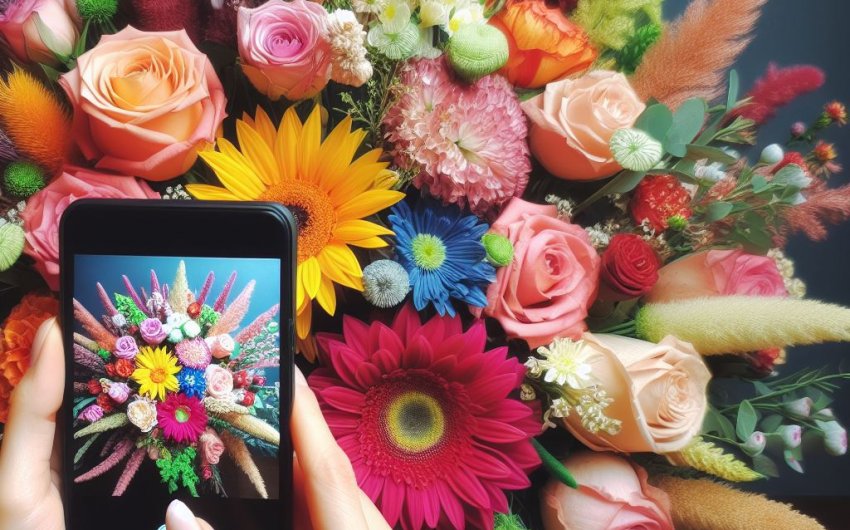
Flower talk, also known as floriography, reveals the meaning behind your blooms, transforming a simple bouquet into a deeply personal message. Understanding the symbolism of different flowers and their colors allows you to communicate heartfelt emotions, from passionate love to sincere sympathy, with elegance and grace.
What is floriography and where did "flower talk" come from?
Floriography, or "flower talk," is the art of communicating through flowers, where specific blooms, colors, and arrangements convey hidden meanings. This intricate language allows people to express emotions and messages that might be difficult to articulate verbally, transforming a simple bouquet into a nuanced conversation.
The origins of floriography:
- Ancient Roots: The practice of assigning symbolic meaning to flowers is ancient, with roots in many cultures worldwide.
- Ancient Egypt: Flowers like the lotus held spiritual significance.
- Ancient Greece & Rome: Deities were associated with specific flowers (e.g., roses with Venus/Aphrodite).
- Asian Cultures: In China and Japan, flower symbolism has deep historical ties to art, religion, and literature.
- The Victorian Era (19th Century): This period saw the most elaborate development and widespread popularity of floriography, particularly in England and America.
- Social Context: Strict Victorian social etiquette often discouraged open expression of emotions, especially romantic ones. Flowers provided a discreet and acceptable way to convey feelings.
- "Language of Flowers" Dictionaries: Numerous books and dictionaries were published, detailing the precise meaning of hundreds of flowers, plants, and even how they were presented (e.g., held in the left hand versus the right).
- Secret Messages: Lovers, friends, and family members could exchange elaborate messages coded entirely in blooms, foliage, and arrangement styles.
- Decline and Modern Revival: The popularity of floriography waned in the early 20th century as social customs changed. However, interest in the meaning behind your blooms has seen a modern revival, as people seek to add a deeper, more personal touch to their floral gifts.
What do different rose colors mean in "flower talk"?
Roses are the undisputed queens of flower talk, with each color carrying a distinct and powerful message that goes far beyond simple beauty. Understanding the meaning behind your blooms when it comes to roses allows you to convey nuanced emotions, making your gift truly speak volumes.
The meaning of rose colors:
- Red Rose:
- Meaning: Passionate love, deep affection, romance, desire, courage, respect. The ultimate symbol of "I love you."
- Nuance: A single red rose conveys "I love you deeply." A bouquet implies intense passion.
- Avoid: Generally not for platonic friends or sympathy.
- Pink Rose:
- Meaning: Admiration, joy, gratitude, appreciation, gentle affection, sweetness, grace.
- Nuance: Lighter pinks convey gentleness and sympathy; deeper pinks convey deeper gratitude and appreciation.
- Versatility: Excellent for friends, family, teachers, expressing thanks, or celebrating new relationships.
- White Rose:
- Meaning: Purity, innocence, new beginnings, reverence, spiritual love, remembrance, honor.
- Nuance: Often associated with weddings (innocence, new start) and funerals (remembrance, reverence).
- Versatility: Suitable for new babies, sympathy, weddings, or as a symbol of fresh starts.
- Yellow Rose:
- Meaning: Friendship, joy, happiness, warmth, good health, cheerfulness.
- Nuance: Historically, yellow sometimes carried a connotation of jealousy, but in modern flower talk, it's almost exclusively positive and friendly.
- Versatility: Perfect for friends, get-well messages, celebrating success, or brightening someone's day.
- Orange Rose:
- Meaning: Enthusiasm, fascination, desire, passion, energy, excitement, pride.
- Nuance: A blend of red and yellow, expressing a mix of passion and friendly warmth.
- Versatility: Great for new ventures, expressing excitement, or a bold gesture of admiration.
- Lavender/Purple Rose:
- Meaning: Enchantment, majesty, splendor, love at first sight, adoration.
- Nuance: A unique and sophisticated choice, often implying a deeper, more magical connection.
- Versatility: Romantic gestures, expressing admiration, unique love.
- Peach Rose:
- Meaning: Sincerity, gratitude, appreciation, modesty, earnestness.
- Nuance: A warm and gentle way to say "thank you" or express genuine thoughtfulness.
- Versatility: Excellent for business associates, mentors, or as a sophisticated thank-you gift.
- Mixed Roses:
- Meaning: A combination of emotions, or simply a celebration of variety and joy.
- Nuance: Red and white together can mean unity or new beginnings; yellow and red can symbolize joy and passion.
What is the meaning behind different lily types and colors?
Lilies, with their dramatic blooms and elegant forms, hold powerful symbolism in flower talk, making them significant choices when trying to convey a specific message. Understanding the meaning behind your blooms with lilies helps ensure your gift is both beautiful and deeply resonant.
The meaning of lily types and colors:
- White Lily:
- Meaning: Purity, innocence, majesty, sympathy, peace, reverence, rebirth. The classic funeral flower, often symbolizing the soul's return to peace.
- Impact: A dignified and traditional choice for moments of loss or spiritual significance.
- Stargazer Lily:
- Meaning: Specifically associated with sympathy, comfort, and aspiration. Also represents wealth and prosperity.
- Impact: Their bold, fragrant blooms make a strong, comforting statement.
- Pink Lily:
- Meaning: Femininity, admiration, compassion, love, prosperity. A softer, gentler expression than red.
- Impact: Beautiful for congratulatory messages, expressing admiration, or showing affection.
- Yellow Lily:
- Meaning: Happiness, gratitude, cheerfulness, joy, friendship.
- Impact: A bright, uplifting choice for get-well messages or brightening someone's day.
- Orange Lily:
- Meaning: Passion, enthusiasm, energy, confidence, warmth, pride.
- Impact: A bold and vibrant statement, perfect for celebrating achievements or expressing admiration.
- Calla Lily:
- Meaning: Magnificent beauty, purity, innocence, rebirth, spiritual devotion.
- Impact: Often used in weddings for their elegant, sculptural form and meaning of purity.
- Oriental Lily:
- Meaning: Represent beauty, pride, and sophistication. Often large and highly fragrant.
- Impact: Luxurious and dramatic.
- Asiatic Lily:
- Meaning: Represent enthusiasm, charm, and flair. Less fragrant than Oriental lilies.
- Impact: Bright, bold colors, great for cheerful arrangements.
General lily considerations:
- Fragrance: Many lilies, especially Oriental varieties, have a very strong fragrance. Consider this for recipients with allergies or sensitivities.
- Pollen: Lilies produce pollen that can stain. Gently remove the anthers (the pollen-bearing parts) from the center of the bloom with a tissue or tweezers as they open.
What do tulips mean in the language of flowers?
Tulips, with their elegant cup shape and vibrant colors, are among the most expressive blooms in flower talk, carrying messages of love, new beginnings, and joy. Understanding the meaning behind your blooms with tulips allows you to convey heartfelt sentiments with classic spring charm.
The meaning of tulip colors:
- Red Tulips:
- Meaning: Perfect love, true love, passion, a declaration of love. Unambiguously says "I love you."
- Impact: A bold and direct expression of romantic love.
- Yellow Tulips:
- Meaning: Cheerful thoughts, sunshine, happiness, hope. Modern interpretation is overwhelmingly positive.
- Impact: Brightens any day, perfect for friendship, get-well messages, or congratulations.
- Pink Tulips:
- Meaning: Happiness, affection, caring, good wishes, new love. A softer, gentler love than red.
- Impact: Versatile for friends, family, teachers, or expressing gratitude.
- White Tulips:
- Meaning: Forgiveness, purity, respect, honor, remembrance, new beginnings.
- Impact: Elegant for apologies, sympathy, or celebrating fresh starts.
- Purple Tulips:
- Meaning: Royalty, nobility, wealth, elegance, admiration, enchantment.
- Impact: Sophisticated and often chosen for formal gifts or expressing deep admiration.
- Orange Tulips:
- Meaning: Fascination, enthusiasm, energy, desire, warmth. A blend of red and yellow.
- Impact: A vibrant and enthusiastic message, great for celebrating achievements.
- Variegated/Multi-colored Tulips:
- Meaning: Often represent beautiful eyes or fascination due to their intricate patterns.
- Impact: Unique and charming, perfect for someone special.
General tulip considerations:
- Movement: Tulips continue to grow and bend towards light even after being cut, adding a dynamic, lively quality to arrangements.
- Seasonality: Primarily a spring flower, making them ideal for spring occasions.
What do common flowers like daisies, sunflowers, and carnations mean?
Beyond roses and lilies, common yet beloved flowers like daisies, sunflowers, and carnations each hold their own special place in flower talk. Knowing the meaning behind your blooms for these everyday favorites allows you to send thoughtful messages for any occasion, proving that even simple choices can say it with flowers profoundly.
The meaning of common flowers:
- Daisies (General):
- Meaning: Innocence, purity, new beginnings, true love, cheerfulness.
- Impact: A simple, sweet, and wholesome message.
- Gerbera Daisies: Specifically mean cheerfulness, vibrant beauty, and innocence. More bold and colorful.
- Sunflowers:
- Meaning: Adoration, longevity, loyalty, happiness, vitality, good fortune. They always turn to face the sun.
- Impact: Instantly brings joy and positive energy. Perfect for friendship, celebration, or strong admiration.
- Carnations:
- Meaning: Universally symbolize love, fascination, and distinction, but vary by color.
- Pink: Mother's love, remembrance, "I'll never forget you."
- Red: Deep love, admiration, passion.
- White: Pure love, innocence, good luck, remembrance.
- Yellow: Disappointment, rejection (historically) but also cheerfulness (modern).
- Purple: Capriciousness.
- Impact: A versatile, long-lasting, and often affordable choice.
- Meaning: Universally symbolize love, fascination, and distinction, but vary by color.
- Alstroemeria (Peruvian Lily):
- Meaning: Friendship, devotion, prosperity, good fortune.
- Impact: Long-lasting, colorful, and a symbol of enduring support and affection for friends.
- Chrysanthemums (Mums):
- Meaning: Generally mean loyalty, honesty, and joy. Symbolism varies significantly by culture and color.
- In Asia: Often symbolize nobility and long life.
- In some European countries: Associated with death and mourning (especially white).
- Yellow: Unrequited love (historically) but also joy (modern).
- Red: Love.
- White: Truth, loyal love, remembrance.
- Impact: Robust, long-lasting, and vibrant. Be mindful of cultural associations.
- Meaning: Generally mean loyalty, honesty, and joy. Symbolism varies significantly by culture and color.
- Orchids:
- Meaning: Luxury, beauty, strength, love, exotic charm, refinement.
- Impact: A sophisticated and long-lasting choice, often given as a potted plant.
- Hydrangeas:
- Meaning: Heartfelt emotions, gratitude, understanding, abundance. Can also imply boastfulness.
- Impact: Lush, abundant blooms that fill a space with color.
- Lilac:
- Meaning: First love, youthful innocence.
- Impact: Fragrant and nostalgic, perfect for conveying tender sentiments.
- Baby's Breath (Gypsophila):
- Meaning: Everlasting love, innocence, purity, rebirth.
- Impact: Classic filler that adds a delicate, airy touch.
What should I know about flower arrangements for different cultural contexts?
When you say it with flowers, understanding different cultural contexts is crucial to ensure your message is received as intended, as the meaning behind your blooms can vary significantly around the world. What is acceptable or positive in one culture might be inappropriate or even offensive in another.
Key cultural considerations for flower arrangements:
- Chrysanthemums (Mums):
- Western Countries (e.g., USA, Canada): Generally associated with joy, cheerfulness, and friendship (especially fall colors).
- European Countries (e.g., France, Belgium, Italy, Spain): Strongly associated with death, grief, and funerals (especially white mums). Giving them as a gift for a happy occasion would be highly inappropriate.
- East Asia (e.g., China, Japan, Korea): Symbolize longevity, nobility, and rebirth. White mums are often used for funerals, but others are celebrated.
- White Flowers (General):
- Western Culture: Purity, innocence, weddings, sympathy.
- Many Asian Cultures (e.g., China, Japan, Korea): Often associated with death, mourning, and funerals. Giving white flowers for a festive occasion could be seen as bad luck.
- Some Middle Eastern Cultures: Can also be associated with death.
- Red Flowers:
- Western Culture: Love, passion, romance.
- China: Symbolizes luck, prosperity, happiness, and celebration. Very positive.
- Russia: Often associated with the military and solemn occasions.
- Some South American Countries: Red and white can symbolize political affiliations.
- Yellow Flowers:
- Western Culture: Joy, friendship, happiness. (Historically some negative connotations like jealousy, but largely positive now).
- France: Can symbolize jealousy or infidelity.
- Russia: Often associated with separation or breakups.
- Even Numbers vs. Odd Numbers:
- General: Odd numbers of flowers are often preferred in arrangements for aesthetic balance.
- Some Cultures (e.g., Eastern European, Russian): Even numbers of flowers are traditionally given for funerals, while odd numbers are for celebratory events. Be cautious.
- Specific Flowers:
- Lilies: While elegant, their strong scent and common use in funerals in many cultures mean they might not always be the best "get well" choice.
- Carnations: Red and pink are widely accepted, but avoid striped carnations (rejection) and yellow (can be seen as negative).
- Orange Blossoms: Symbolize eternal love and marriage in Western culture.
- Presentation Matters:
- Unwrapping: In some cultures, it's considered impolite to present flowers still wrapped in paper or cellophane.
- Gift-giving etiquette: Use two hands, make eye contact, etc.
How can I choose flowers based on the recipient's personality?
Choosing flowers based on the recipient's personality adds an extra layer of thoughtfulness, making your message truly resonate when you say it with flowers. This approach ensures the meaning behind your blooms is tailored and personal, creating memorable and deeply appreciated gifts.
Matching flowers to personality types:
- The Bold & Dramatic Personality:
- Traits: Energetic, vibrant, confident, loves making a statement.
- Flower Choice: Large, striking blooms, intense colors, unique forms.
- Examples: Sunflowers, large Dahlias (especially 'Dinnerplate' varieties), Oriental Lilies, Birds of Paradise, Parrot Tulips, fiery red Roses, Canna Lilies.
- Arrangement Style: Tall, expansive, bold color contrasts (complementary colors), or a mass of one vibrant color.
- The Elegant & Sophisticated Personality:
- Traits: Appreciates refinement, grace, classic beauty, subtle luxury.
- Flower Choice: Classic, graceful forms, monochromatic or analogous color schemes, often fragrant.
- Examples: Roses (especially long-stemmed, classic colors), Calla Lilies, Orchids, Lily-Flowered Tulips, Peonies, white or purple Hydrangeas, Lisianthus.
- Arrangement Style: Clean lines, structured, often simple arrangements in elegant vases.
- The Cheerful & Optimistic Personality:
- Traits: Joyful, positive, loves bright colors, spirited.
- Flower Choice: Bright, sunny colors, playful forms, abundant.
- Examples: Gerbera Daisies, Sunflowers, Yellow Tulips, Daisies, Zinnias, cheerful mixed bouquets of pink, yellow, and orange.
- Arrangement Style: Loose, natural, garden-style, often in bright or simple containers.
- The Gentle & Romantic Personality:
- Traits: Sweet, sensitive, thoughtful, loves soft colors and delicate details.
- Flower Choice: Soft pastels, delicate textures, fragrant blooms.
- Examples: Pink Roses, Sweet Peas, Ranunculus, Peonies, Lavender, white Lilacs, pink Carnations, Forget-Me-Nots.
- Arrangement Style: Soft, flowing, garden-style, often in vintage or delicate containers.
- The Quirky & Creative Personality:
- Traits: Unique, unconventional, loves unexpected elements, artistic.
- Flower Choice: Unusual flower forms, unique textures, interesting foliage, unexpected color combinations.
- Examples: Pincushion Protea, Thistles, Ornamental Kale/Cabbage, Bells of Ireland, Parrot Tulips, unique colored Carnations.
- Arrangement Style: Deconstructed arrangements, mixed with found natural elements (feathers, interesting branches), in repurposed or artistic containers.
- The Calm & Serene Personality:
- Traits: Peaceful, tranquil, appreciates simplicity and harmony, seeks balance.
- Flower Choice: Cool colors (blues, greens, whites, purples), soothing fragrances.
- Examples: Blue Hydrangeas, white Lilies, Lavender, blue Iris, green Hellebores, white Roses, lush green foliage (ferns, hostas).
- Arrangement Style: Minimalist, monochromatic, flowing, naturalistic designs.
To truly say it with flowers, understanding the meaning behind your blooms empowers you to create personalized and deeply thoughtful gifts for every occasion. By considering symbolism, cultural contexts, and the recipient's unique personality, you can choose flowers that communicate your heartfelt message with unparalleled beauty and grace.