
What causes white fuzz on soil surface?
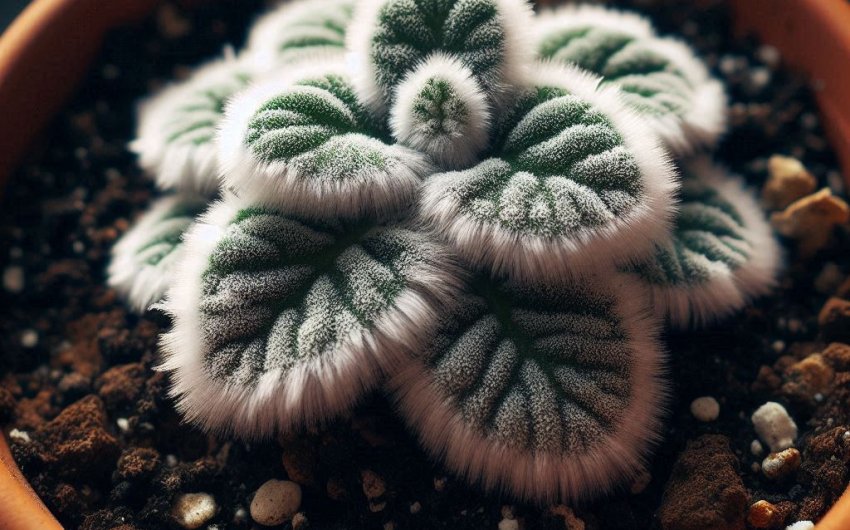
White fuzz on the soil surface of potted plants is most commonly caused by harmless saprophytic fungi (mold) or, less frequently, by mineral salt buildup from hard water or fertilizer. This fuzzy growth usually indicates an environment that is too moist and lacks adequate air circulation, which are prime conditions for mold or mineral crystallization.
What is That White Fuzz on My Potting Soil?
When you spot white fuzz on your potting soil, it's natural to be concerned. However, it's important to understand what it likely is and what it isn't. This fuzzy growth is almost always a sign of specific environmental conditions within your potted plant.
Is it Mold or Fungus?
Most commonly, the white fuzz you see is a saprophytic fungus, commonly known as mold.
- Appearance: It often looks like a white, sometimes grayish, cottony, powdery, or cobweb-like growth spreading across the soil surface. It might have a mild, earthy, or musty smell.
- Cause: This fungus feeds on decaying organic matter in the potting mix (e.g., peat moss, bark chips, compost). It thrives in environments that are consistently moist, humid, and have poor air circulation.
- Harm to Plant: Generally, saprophytic fungus is harmless to the plant itself. It does not directly attack living plant tissue or roots. In fact, it's part of the natural decomposition process and indicates a healthy organic component in your soil. Its presence suggests conditions conducive to root rot, but the mold itself is not causing the rot.
- Why it Appears: Excess moisture from overwatering, high humidity indoors, or poor ventilation (e.g., in terrariums or tight spaces) provides the perfect breeding ground for mold spores, which are always present in the air.
Could It Be Mineral Salt Buildup?
Less commonly, white fuzz can be a sign of mineral salt accumulation, though this usually appears as a crusty, crystalline white residue rather than soft fuzz.
- Appearance: Looks like a dry, crusty, powdery white or yellowish-white layer on the soil surface and often on the outside of terra cotta pots. It typically doesn't have a fuzzy texture, but it can be mistaken for a type of mold.
- Cause: Occurs when water evaporates from the soil surface, leaving behind dissolved minerals (salts) from hard tap water or excess fertilizer.
- Harm to Plant: While the residue itself isn't harmful, a significant buildup of mineral salts in the soil can be detrimental to the plant's health. High salt concentrations can draw water away from roots (osmotic stress), leading to nutrient deficiencies, leaf tip burn, and overall stunted growth.
- Distinguishing from Mold: Mineral crusts are usually hard, flaky, or gritty to the touch and don't spread like mold. They also don't typically have a musty smell.
What About Other White Pests?
It's crucial to differentiate white fuzz from actual pests that can look fuzzy.
- Mealybugs: These are pests, not mold. They look like tiny, cottony white clusters, often in leaf axils (where leaves meet stems) or on stems. They are mobile and sticky. If you poke the fuzz and it moves, it's not mold.
- Woolly Aphids: Similar to mealybugs, these are aphids covered in white, waxy, woolly secretions. They are also mobile and found on plant parts, not just the soil.
- Root Aphids: Live in the soil and on roots, often having a white, waxy coating. While they are on/in the soil, they are distinct insects, not a surface mold, and would require unpotting to properly identify.
Understanding these distinctions is the first step in knowing what causes white fuzz on soil surface and how to properly address it.
What Causes Mold on the Soil Surface?
The presence of mold on your potting mix surface is a clear indicator that the environmental conditions within your pot are perfectly suited for fungal growth. It almost always points to an excess of moisture and a lack of airflow.
How Does Overwatering Contribute?
- Constant Moisture: Mold spores are ubiquitous; they are always present in the air. For them to germinate and grow, they need consistent moisture. Overwatering creates a perpetually damp soil surface, which is exactly what mold thrives on.
- Soggy Conditions: When the soil is constantly soggy, it also leads to poor oxygen levels at the root zone, which can stress the plant and indirectly contribute to conditions that mold prefers, though the mold itself isn't the direct cause of root rot.
What Role Does Poor Air Circulation Play?
- Stagnant Air: Stagnant, humid air around the soil surface provides an ideal breeding ground for mold. Without sufficient air movement, moisture sits on the soil surface and evaporation is slow.
- Causes of Poor Circulation:
- Overcrowding: Plants placed too close together on a shelf or windowsill.
- Lack of Ventilation: Growing plants in a closed environment (e.g., terrariums without adequate vents, rooms with closed windows).
- Large Pot Size: A very large pot for a small plant will retain too much moisture, especially at the surface.
- Dense Foliage: Lush, dense plant foliage can create a humid canopy over the soil, inhibiting airflow.
How Does Organic Matter in Potting Mix Affect It?
- Food Source: Potting mixes are inherently rich in organic matter (peat moss, coco coir, bark chips, compost, vermiculite). This organic material is the mold's primary food source as it breaks down.
- Decomposition: Mold is a decomposer. Its presence on the surface is simply a sign that these organic components are naturally breaking down, releasing nutrients into the soil. It's part of a healthy soil ecosystem, even if unsightly.
- New Potting Mix: You might notice mold more frequently on newly potted plants, as the fresh organic matter provides an abundant food source, and the potting mix is often consistently moist immediately after repotting.
What About Humidity Levels?
- High Ambient Humidity: Indoor environments with high humidity (common in bathrooms, kitchens, or during certain seasons) contribute to the moist conditions that mold favors on the soil surface. This combines with overwatering or poor air circulation to create the perfect mold environment.
- Terrariums/Cloches: Plants in enclosed terrariums or under cloches are particularly prone to mold due to the consistently high humidity and lack of air movement within these closed systems.
Understanding these underlying conditions provides the foundation for effectively addressing what causes white fuzz on soil surface and preventing its return.
How Do I Get Rid of White Fuzz (Mold) on Soil Surface?
Once you've identified the white fuzz as harmless mold, addressing the environmental conditions is the key to removing it and preventing its return. Chemical treatments are rarely necessary or advisable.
What are the Immediate Removal Steps?
- Scrape It Off: Gently scrape away the top layer of soil containing the white fuzz. You can use a spoon, a small trowel, or even your fingers. Dispose of this affected soil in the trash; do not put it in your compost, especially if it's a large amount, as it can spread spores.
- Aerate the Soil Surface: After removing the mold, gently loosen the top 1-2 inches of the remaining potting mix with a fork or small cultivating tool. This helps to break up any compaction and improve aeration at the surface.
- Allow Soil to Dry: Immediately after removing the mold, refrain from watering for a bit. Let the top layer of soil dry out completely. This deprives the mold of the moisture it needs to regrow.
How Do I Adjust Watering Practices?
- Water Less Frequently: This is the most crucial step. Allow the top 1-2 inches of soil to dry out completely before watering again. For some plants, the top 2-3 inches might need to dry.
- Finger Test: Stick your finger into the soil. If it feels dry, it's time to water. If it feels cool and damp, wait.
- Weight Test: Learn to judge the weight of your pot. A light pot usually means it's dry.
- Moisture Meter: Use a soil moisture meter for precise readings.
- Water Deeply: When you do water, water thoroughly until water drains from the bottom of the pot. This encourages deeper root growth and flushes out excess salts.
- Empty Saucers: Never let your plant sit in standing water in its saucer. Always empty excess water after watering to prevent soggy soil.
How Can I Improve Air Circulation?
- Increase Ventilation:
- Open Windows: If indoors, open windows periodically to allow fresh air to circulate, especially in humid rooms.
- Fans: Use a small oscillating fan in the room to gently move air around your plants. Don't point it directly at a plant constantly, but general airflow is beneficial.
- Proper Spacing: Ensure your plants are not overcrowded. Give them enough space for air to circulate freely around their foliage and pots.
- Avoid Overpotting: Don't put a small plant into a very large pot. Excess soil will retain too much moisture, especially at the surface, and take too long to dry out.
What About Repotting?
If the mold is a persistent problem and your potting mix seems overly dense or water-retentive, consider repotting.
- Fresh Potting Mix: Repot the plant into a pot of the appropriate size using a fresh, well-draining potting mix.
- Amendments: If your current mix is too heavy, amend new potting mix with perlite, coarse sand, or bark chips to improve drainage and aeration.
By diligently implementing these steps, you directly address what causes white fuzz on soil surface and create a healthier environment for your potted plants.
How Do I Address Mineral Salt Buildup on Soil?
If the white residue on your soil surface is determined to be mineral salt buildup rather than mold, the treatment methods focus on flushing the soil and changing your watering habits to prevent future accumulation.
How Do I Flush the Soil?
This is the primary method for removing excess mineral salts from your potting mix.
- Move to Sink/Shower: Take your potted plant to a sink, shower, or outdoors where water can drain freely.
- Slow, Thorough Rinse: Slowly pour a large volume of clean, filtered, or distilled water through the potting mix. Use at least 2-3 times the volume of the pot. For example, for a 1-gallon pot, use 2-3 gallons of water.
- Allow to Drain Completely: Let the water drain completely from the drainage holes. The goal is to flush out the accumulated salts.
- Frequency: For moderate salt buildup, one thorough flush might be enough. For severe buildup or sensitive plants, you might need to repeat this monthly or every couple of months.
How Can I Change My Watering Habits for Salt Buildup?
- Use Filtered/Distilled/Rainwater: If your tap water is hard (high in minerals), switching to filtered, distilled, or collected rainwater can significantly reduce future salt accumulation. This is especially important for sensitive plants. A simple water filter pitcher can help.
- Water Until Drainage: Always water your plants thoroughly until water begins to drain from the bottom of the pot. This ensures that any accumulating salts are pushed down and out, rather than remaining in the top layers of soil.
- Avoid Constant Underwatering (and then drenching): Letting soil repeatedly dry out completely, and then giving small sips of water, can encourage salt accumulation in the upper layers.
- Avoid Fertilizer Burn: If using synthetic fertilizers, ensure you are not over-fertilizing. Always follow package directions and consider diluting to half strength. Fertilize only during the active growing season.
What About Removing Crust from the Pot Rim?
- Scrape Off: You can gently scrape off the white, crusty buildup from the rim and sides of your pot (especially terracotta pots) with a stiff brush or a damp cloth.
- Vinegar Solution: For stubborn mineral stains on pots, a diluted vinegar solution (1 part white vinegar to 3 parts water) can help dissolve the salts. Scrub with a brush and rinse thoroughly.
By implementing these strategies, you effectively manage what causes white fuzz on soil surface when it's due to mineral salts, protecting your plant from harmful accumulation.
How Can I Prevent White Fuzz (Mold or Salts) from Returning?
Prevention is the ultimate goal in managing white fuzz on the soil surface. By creating a consistently healthy environment for your potted plants, you can minimize the conditions that lead to both mold growth and mineral salt buildup.
What are Long-Term Watering Strategies?
- Know Your Plant's Needs: Different plants have different watering requirements. Research your specific plant species to understand its preferred soil moisture level. Succulents, for example, need to dry out almost completely, while ferns prefer consistent moisture.
- Potting Mix Choice: Use an appropriate potting mix for your plant.
- Well-Draining Mix: For most houseplants, a well-draining mix is crucial. This often means a standard indoor potting mix with added perlite, coco coir, or orchid bark.
- Right Pot Size: Don't overpot a small plant into a huge container. Too much soil holds too much moisture, taking longer to dry out and leading to perpetually soggy conditions.
- Bottom Watering: Consider bottom watering. Place the pot in a tray or sink filled with water (about 1/4 to 1/3 up the side of the pot) and let the plant soak up water from the drainage holes for 20-30 minutes.
- Benefits: Encourages deeper root growth and reduces surface moisture, which discourages mold. It also flushes salts from the topsoil downwards.
- Still Check Topsoil: Always check the top few inches of soil (with your finger) before watering, even if bottom watering.
- Self-Watering Pots (Use with Caution): While convenient, self-watering pots can sometimes lead to perpetually wet soil if not managed correctly, especially for plants that prefer a drier period between waterings. Use them only for plants that truly prefer constant moisture.
How Do I Improve Air Circulation and Ventilation?
- Avoid Overcrowding: Give your plants ample space. Don't cram too many pots onto one shelf or windowsill. Air needs to flow around each plant.
- Strategic Placement: Avoid placing plants in corners or against walls where air tends to stagnate. Position them where they receive natural airflow.
- Use Fans (Indoor Gardens): For larger indoor plant collections, especially in a dedicated grow space, a small oscillating fan (on a low setting) can provide gentle air movement.
- Terrarium Ventilation: If using terrariums, ensure they have proper ventilation (small openings or regular airing) to prevent excessive humidity and mold growth.
What About Humidity Control?
- Monitor Humidity: Use a hygrometer (humidity monitor) to keep track of your indoor humidity levels.
- Increase Humidity (if too low): While high humidity can contribute to mold if combined with poor airflow, very low humidity can stress plants. Use pebble trays or a room humidifier if needed, especially for tropical plants.
- Decrease Humidity (if too high and causing mold): If your indoor humidity is excessively high and causing consistent mold issues (beyond typical plant needs), consider using a dehumidifier in the room.
What General Houseplant Hygiene Practices Help?
- Clean Tools: Regularly clean your gardening tools (scoops, trowels, pruners) to prevent the transfer of mold spores or other pathogens.
- Remove Dead Material: Promptly remove any fallen leaves or decaying plant debris from the soil surface. This eliminates a food source for mold.
- Regular Inspection: Make it a habit to regularly inspect your soil surface, not just the plant itself. Catch problems early.
- Terracotta Pots: While they can contribute to mineral buildup, terracotta pots are porous and allow for better airflow and evaporation from the soil, which can help prevent mold compared to non-porous plastic or glazed pots.
By integrating these preventative measures into your regular houseplant care routine, you take proactive control over what causes white fuzz on soil surface, ensuring a healthier and more aesthetically pleasing environment for your indoor green friends.