
What causes stunted pepper plant growth?
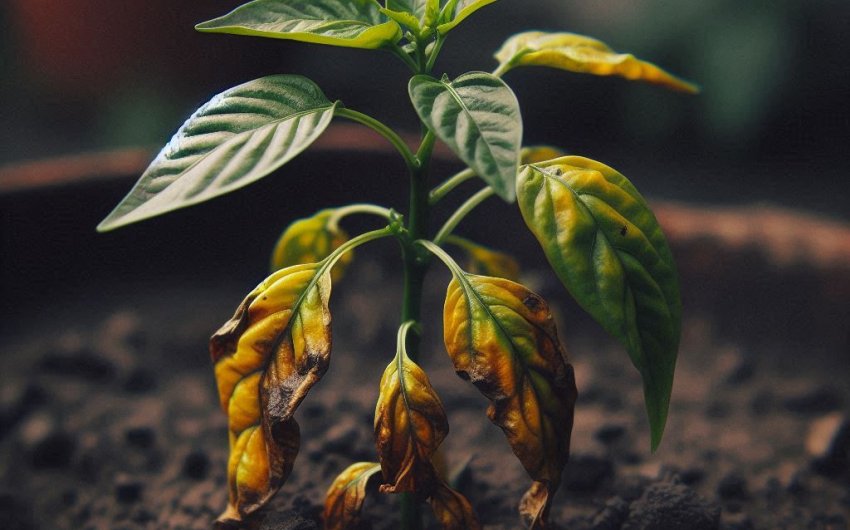
Stunted pepper plant growth is primarily caused by unfavorable environmental conditions, particularly issues with temperature, light, water, or nutrient imbalances, as well as pest infestations or diseases. Identifying the specific stress factor is crucial for helping your pepper plants recover and thrive.
Why Are Peppers So Sensitive to Stunted Growth?
Pepper plants, especially during their early stages, are quite sensitive to environmental conditions, making them particularly prone to stunted growth if their needs aren't met. They thrive in consistent, optimal conditions and react quickly to stress.
What Makes Pepper Plants Vulnerable to Stunting?
- Warm-Season Requirements: Peppers are tropical plants at heart. They demand consistent warmth, ample sunlight, and specific nutrient balances. Any deviation from these ideal conditions can quickly halt their growth.
- Root Sensitivity: Pepper plants have relatively delicate root systems that are highly susceptible to disturbance, compaction, and adverse soil conditions. A compromised root system directly impacts the plant's ability to absorb water and nutrients, leading to stunted top growth.
- Nutrient Demands: While not excessively heavy feeders, peppers need a steady supply of specific nutrients, particularly phosphorus for flowering and fruiting, and nitrogen for foliage. Imbalances can cause growth issues.
- Transplant Shock: Peppers are notoriously sensitive to transplanting. Any significant disturbance to their roots during this process can cause a temporary or prolonged stunt in growth.
- Pest and Disease Susceptibility: Peppers are targets for various pests and diseases that can weaken the plant and divert energy away from growth and fruit production.
- Long Growing Season: Peppers require a relatively long growing season to produce a good harvest. Any stunting early on can significantly impact total yield, as the plant spends valuable time recovering rather than growing fruit.
Because of these factors, careful attention to their needs is essential to prevent stunted pepper plant growth and ensure a bountiful harvest.
What Environmental Factors Cause Stunted Growth?
The most common reasons for stunted pepper plant growth stem directly from the plant's immediate surroundings. These environmental factors are often the easiest to diagnose and correct.
Is It a Temperature Problem?
Temperature is perhaps the most critical factor for pepper plant growth. They are warmth-loving plants and will suffer if conditions are too cold or too hot.
- Too Cold (Most Common Cause):
- Symptoms: Stunted growth, purpling of leaves (especially undersides), leaves dropping, overall lack of vigor. Plants may look "stuck."
- Why it happens: Pepper plants suffer when temperatures drop below 55°F (13°C), and optimal growth is typically between 65-85°F (18-29°C). Cold slows down metabolism, nutrient uptake, and overall physiological processes. Root activity virtually halts in cold soil.
- Solution:
- Planting Time: Don't plant outdoors too early in spring. Wait until all danger of frost is passed and nighttime temperatures are consistently above 55°F (13°C).
- Warm Soil: Use black plastic mulch or dark landscape fabric to warm the soil before planting.
- Protection: For cold snaps, cover plants with row covers, cloches, or blankets. For container plants, bring them indoors.
- Too Hot:
- Symptoms: Stunted growth, flower drop, leaf scorch, overall wilting during peak heat.
- Why it happens: Temperatures consistently above 90°F (32°C) can cause heat stress, leading to a halt in growth, especially if humidity is low. Photosynthesis becomes less efficient.
- Solution: Provide afternoon shade during extreme heat waves using shade cloth for plants. Ensure consistent watering to help plants cope.
How Does Light Exposure Affect Growth?
Pepper plants are sun-worshippers and require ample light for robust growth.
- Insufficient Light:
- Symptoms: Leggy (tall and spindly) growth, pale leaves, small leaves, lack of flowering or fruiting, and overall stunted appearance relative to their leggy height.
- Why it happens: Plants stretch to find light, diverting energy away from sturdy stem and leaf development. Photosynthesis is limited.
- Solution:
- Location: Plant peppers in a spot that receives at least 6-8 hours of direct sunlight per day.
- Pruning Nearby Plants: Trim back any trees or shrubs that might be casting too much shade.
- Indoor Lighting: If starting seedlings indoors, use strong grow lights for seedlings positioned just a few inches above the plants.
Is it a Watering Issue?
Both too much and too little water can severely stunt pepper plants.
- Underwatering/Inconsistent Watering:
- Symptoms: Leaves wilt, turn yellow, may curl, and growth slows or stops. Flowers may drop. Soil is dry and pulls away from the pot edges.
- Why it happens: Water is essential for nutrient transport and turgor pressure. Lack of water dehydrates the plant and halts growth processes.
- Solution: Water deeply and consistently. Feel the soil; water when the top 1-2 inches are dry. Ensure thorough soaking. Use a soil moisture meter for accuracy.
- Overwatering/Poor Drainage:
- Symptoms: Leaves yellow, may wilt or look droopy even if wet, growth is stunted, and eventually roots rot. Fungus gnats might appear.
- Why it happens: Saturated soil deprives roots of oxygen, suffocating them and leading to root rot. Damaged roots cannot absorb water or nutrients effectively.
- Solution: Ensure pots have adequate drainage holes. Amend heavy garden soil with compost to improve drainage. Allow the top few inches of soil to dry out between waterings. Never let plants sit in standing water.
By understanding these environmental factors, you can often quickly identify and resolve the cause of stunted pepper plant growth.
What Soil and Nutrient Problems Cause Stunted Growth?
Beyond the immediate environment, the quality of your soil and the availability of nutrients are fundamental to preventing stunted pepper plant growth. Issues below the surface can severely impact a pepper plant's ability to thrive.
How Does Poor Soil Quality Affect Peppers?
- Compacted Soil:
- Symptoms: Stunted growth, poor drainage (water pools on surface), shallow root system, nutrient deficiencies.
- Why it happens: Soil particles are packed too tightly, restricting air and water movement, and making it difficult for roots to penetrate. Often a problem in high-traffic areas or new construction.
- Solution: Amend heavy clay soils with ample organic matter (compost). Aerate compacted areas. For containers, use a light, well-draining potting mix.
- Poor Drainage:
- Symptoms: Similar to overwatering – yellowing leaves, wilting, stunted growth, root rot.
- Why it happens: Water accumulates around roots, depriving them of oxygen and promoting root rot.
- Solution: Ensure pots have drainage holes. Improve garden bed drainage by incorporating coarse organic matter (compost, pine bark fines) or by creating raised beds.
- Incorrect pH Level:
- Symptoms: Nutrient deficiencies (e.g., yellowing leaves, purpling leaves) even if nutrients are present in the soil, general stunted growth.
- Why it happens: Soil pH dictates nutrient availability. Peppers prefer a slightly acidic to neutral pH (6.0-7.0). If the pH is too high or too low, essential nutrients become "locked up" and unavailable to the plant, even if they are in the soil.
- Solution: Perform a soil pH test kit. Adjust pH as needed: add elemental sulfur or peat moss to lower pH; add lime or wood ash to raise pH.
What Nutrient Deficiencies Lead to Stunting?
Pepper plants need a balanced diet of macro and micronutrients. Deficiencies can quickly lead to stunted pepper plant growth.
- Nitrogen (N) Deficiency:
- Symptoms: Overall stunted growth, pale green or yellowing leaves (especially older, lower leaves).
- Why it happens: Nitrogen is crucial for leafy green growth.
- Solution: Apply a balanced fertilizer or one slightly higher in nitrogen for vegetative growth. Use organic options like blood meal or compost.
- Phosphorus (P) Deficiency:
- Symptoms: Stunted growth, leaves (especially undersides) turning dark green, reddish, or purple. Lack of flowering and fruiting.
- Why it happens: Phosphorus is vital for root development, flowering, and fruit set.
- Solution: Use a fertilizer with a higher middle number (e.g., 5-10-5). Bone meal or rock phosphate are organic options.
- Potassium (K) Deficiency:
- Symptoms: Stunted growth, yellowing or browning along leaf margins (edges), especially older leaves. Weak stems.
- Why it happens: Potassium is important for overall plant vigor, disease resistance, and water regulation.
- Solution: Use a balanced fertilizer or one higher in potassium. Greensand or kelp meal are organic choices.
- Micronutrient Deficiencies (e.g., Iron, Magnesium):
- Symptoms: Often show as interveinal chlorosis (yellowing between green veins) on new leaves (iron) or older leaves (magnesium), accompanied by stunted growth.
- Why it happens: Micronutrients are needed in small amounts but are essential for various plant functions.
- Solution: Address pH first. If pH is correct, apply a fertilizer that includes micronutrients or specific micronutrient supplements. Epsom salts (magnesium sulfate) can help with magnesium deficiency.
By regularly checking your soil and understanding your pepper plants' nutritional needs, you can prevent stunted pepper plant growth caused by these hidden issues.
Can Pests and Diseases Cause Stunted Growth?
Beyond environmental and nutritional factors, biological threats like pests and diseases can also significantly contribute to stunted pepper plant growth. These culprits directly attack the plant, diverting its energy and impairing its ability to grow and produce fruit.
Which Pests Lead to Stunting?
- Aphids:
- Symptoms: Stunted growth, distorted or curled new leaves, sticky residue (honeydew) on leaves, visible tiny pear-shaped insects (green, black, or brown) clustered on new growth and undersides of leaves.
- Why they happen: Aphids suck sap from tender new growth, weakening the plant and causing deformities.
- Solution: Spray with a strong stream of water to dislodge. Use insecticidal soap or neem oil. Encourage ladybugs.
- Spider Mites:
- Symptoms: Stunted growth, tiny yellow or white stippling (dots) on leaves, fine webbing on undersides of leaves or between stems. Leaves may look dull or bronze.
- Why they happen: These tiny arachnids suck plant sap, leading to cell damage and stunted growth. They thrive in hot, dry conditions.
- Solution: Increase humidity around the plant. Spray leaves thoroughly with insecticidal soap or neem oil, focusing on undersides.
- Thrips:
- Symptoms: Stunted, distorted growth, silvery streaks or patches on leaves, tiny, slender insects (hard to see) may be present. Flowers may be discolored.
- Why they happen: Thrips rasp on plant tissue and suck sap, causing damage and deformities.
- Solution: Neem oil or insecticidal soap. Yellow sticky traps for insects can help monitor and reduce populations.
- Nematodes (Root-Knot Nematodes):
- Symptoms: Severe stunting, wilting despite adequate watering, yellowing leaves, overall decline in plant vigor. If you unearth the roots, you'll see characteristic galls or swellings (knots) on the roots.
- Why they happen: Microscopic worms that feed on roots, causing abnormal growths that impede water and nutrient uptake.
- Solution: Very difficult to treat once established. Prevention is key: solarize soil, rotate crops, plant resistant varieties (if available), or use beneficial nematodes (a different type of nematode that preys on harmful ones).
What Diseases Cause Stunted Growth?
Many plant diseases can cause stunting, often alongside other symptoms.
- Fungal Diseases (e.g., Fusarium Wilt, Verticillium Wilt):
- Symptoms: Stunting, yellowing of lower leaves, wilting on one side of the plant, eventual collapse and death. Discoloration in the stem's vascular tissue when cut open.
- Why they happen: Fungi enter through roots and clog the plant's vascular system, preventing water and nutrient transport.
- Solution: Often incurable once symptoms appear. Prevention is key: use disease-resistant varieties, sterilize tools, avoid overwatering, and improve soil drainage. Remove and destroy affected plants to prevent spread.
- Bacterial Diseases (e.g., Bacterial Spot, Bacterial Wilt):
- Symptoms: Stunting, water-soaked spots on leaves that turn brown/black (bacterial spot), rapid wilting of entire plant despite moist soil (bacterial wilt).
- Why they happen: Bacteria infect plant tissues, disrupting functions.
- Solution: No cure. Prevention: use disease-free seeds/starts, rotate crops, avoid overhead watering, remove diseased plants immediately.
- Viral Diseases (e.g., Tobacco Mosaic Virus):
- Symptoms: Severe stunting, mosaic patterns (light and dark green patches) on leaves, puckering, distortion, reduced yield.
- Why they happen: Viruses are transmitted by sap-sucking insects (aphids!), contaminated tools, or even tobacco use.
- Solution: No cure. Remove and destroy infected plants immediately. Control sap-sucking insects. Sterilize tools. Avoid smoking near plants.
Regular inspection, good garden hygiene, and choosing resistant varieties are your best defenses against the pests and diseases that cause stunted pepper plant growth.
How Do I Prevent Stunted Pepper Plant Growth?
Preventing stunted pepper plant growth is much easier than trying to fix it once it occurs. Proactive care, from seed to harvest, ensures your pepper plants thrive and produce abundantly.
What are Best Practices for Starting Pepper Seeds?
- Start Seeds Indoors (Early): Peppers have a long growing season. Start seeds 8-10 weeks before your last expected frost date.
- Proper Lighting: Provide strong grow lights for seedlings positioned just 2-4 inches above the seedlings. Insufficient light leads to leggy, weak starts that are prone to stunting later.
- Warmth: Use a heat mat under seed trays to maintain soil temperatures around 80-85°F (27-29°C) for optimal germination and early growth.
- Sterile Seed Starting Mix: Use a high-quality, sterile seed starting mix to prevent damping-off disease and pest issues.
- Don't Overwater Seedlings: Keep soil consistently moist but never soggy to prevent root rot.
How Do I Manage Transplanting and Hardening Off?
- Proper Hardening Off: This is critical. Gradually expose seedlings to outdoor conditions (sun, wind, cooler temperatures) over 7-10 days before transplanting permanently. Start with an hour in a sheltered spot, gradually increasing time and exposure. This acclimates them and prevents shock.
- Minimal Root Disturbance: Pepper roots are sensitive. When transplanting, handle them gently.
- Method: Water seedlings well before transplanting. Dig a hole slightly larger than the root ball. Carefully remove the seedling from its tray/pot, disturbing roots as little as possible. Place in the hole and backfill gently.
- Timing: Transplant outdoors only when all danger of frost is passed and nighttime temperatures are consistently above 55°F (13°C).
What About Ongoing Care?
- Consistent Watering: Water deeply when the top 1-2 inches of soil are dry. Avoid fluctuations between very wet and very dry, which stresses plants.
- Regular Fertilization: Once plants start flowering and setting fruit, fertilize every 2-4 weeks with a balanced fertilizer or one slightly higher in phosphorus and potassium. Use organic options like compost tea or Alaska Fish Emulsion Fertilizer.
- Proper Spacing: Ensure adequate space between pepper plants for good air circulation (typically 18-24 inches apart), which reduces disease risk and competition.
- Mulching: Apply a 2-3 inch layer of organic mulch (straw, shredded leaves, wood chips) around plants once the soil has warmed. This conserves moisture, suppresses weeds, and moderates soil temperature.
- Pinching (Optional): Some gardeners pinch back the growing tip of young pepper plants (when about 6-8 inches tall) to encourage bushier growth and more branching. This can temporarily slow vertical growth but leads to a sturdier, more productive plant.
- Pest and Disease Monitoring: Regularly inspect your plants for signs of pests or diseases. Address issues immediately with organic methods to prevent them from weakening your plants.
- Staking/Support: As plants grow and set fruit, provide stakes or cages to support branches, especially for heavy fruit sets. This prevents breakage and keeps fruits off the ground.
By following these comprehensive preventative measures, you significantly reduce the chances of stunted pepper plant growth and set yourself up for a season of abundant, healthy peppers.
Can a Stunted Pepper Plant Recover and Produce Fruit?
Yes, in many cases, a stunted pepper plant can recover and still produce fruit, especially if the underlying cause of the stunting is identified and corrected early in the growing season. Patience and consistent corrective measures are key.
What Factors Influence Recovery Potential?
- Severity of Stunting: Mild stunting due to temporary stress (e.g., a cold snap or brief underwatering) is much easier to recover from than severe, prolonged stunting caused by persistent issues or root damage.
- Cause of Stunting: Problems like temperature stress or nutrient deficiencies are highly correctable. Viral diseases or severe nematode infestations are often incurable and will prevent full recovery.
- Time of Season: The earlier in the growing season you address the stunting, the more time the plant has to recover and produce a yield before the season ends. If stunting occurs late in summer, there may not be enough time left for a significant harvest.
- Plant Vigor: A plant that was otherwise healthy and just hit a temporary snag will bounce back quicker than one that has been continuously weak.
- Root Health: If the root system is largely intact and not severely rotted or damaged by pests, the plant has a much better chance of recovery.
How Do I Help a Stunted Plant Recover?
- Diagnose and Correct the Issue: This is the first and most critical step. Address the specific environmental, soil, or pest issue that caused the stunting. (Refer back to previous sections).
- Ensure Optimal Conditions: Once the immediate problem is fixed, provide ideal growing conditions:
- Consistent Warmth: Ensure soil and air temperatures are consistently in the ideal range.
- Adequate Sunlight: Provide 6-8 hours of direct sun.
- Proper Watering: Water deeply and consistently, allowing topsoil to dry between waterings.
- Gentle Fertilization: A weak solution of a balanced, organic liquid fertilizer (like fish emulsion or a balanced organic liquid feed) can provide a gentle boost to help the plant recover. Avoid over-fertilizing, which can stress a recovering plant.
- Mulching: Apply organic mulch to help stabilize soil temperature and moisture.
- Remove Stressors: Continuously monitor for and address any new pest or disease outbreaks.
- Patience: It takes time for a stressed plant to regain its vigor. Don't expect immediate dramatic growth. Continue with consistent, good care.
- Pruning (Minimal): If the plant has some severely damaged or yellowed leaves, you can prune them off to redirect energy to new, healthy growth. Avoid aggressive pruning on a stressed plant.
Even if a pepper plant recovers and grows to a smaller-than-average size, it can still produce a decent yield of peppers. The key is to act quickly, be diligent in your care, and provide the consistent, optimal conditions that pepper plants crave. By understanding what causes stunted pepper plant growth and how to respond, you empower your garden to thrive.