
What are common pests that affect berries?
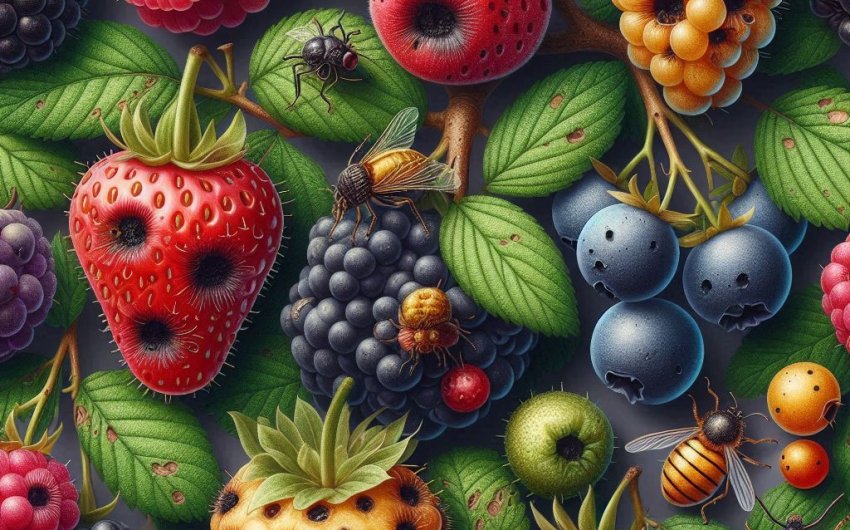
Common pests that affect berries include Spotted Wing Drosophila, Raspberry Cane Borers, Aphids, and Japanese Beetles, which cause damage to fruit, canes, and leaves. Effective management relies on proper sanitation, vigilant monitoring, and targeted organic controls.
Why Are Berries So Susceptible to Pests?
Berries, whether they are raspberries, blueberries, strawberries, or currants, are often highly susceptible to pests for several reasons related to their growth habits, fruit characteristics, and the general appeal of a berry patch.
Reasons for Berry Susceptibility:
- Sweet, Juicy Fruit: The very thing that makes berries appealing to humans also makes them highly attractive to a wide range of pests, particularly those that feed on ripe or ripening fruit. The high sugar content and soft flesh are an irresistible food source for many insects.
- Dense, Often Shrubby Growth: Many berry plants (raspberries, blueberries, currants) grow as dense bushes or canes. This dense foliage creates a sheltered, humid microclimate within the plant, which can be an ideal hiding place for pests and can also hinder air circulation, making the plant more prone to certain diseases that then stress the plant, making it more vulnerable to pests.
- Extended Fruiting Season: Unlike tree fruits that often have a concentrated harvest window, many berries (especially everbearing raspberries and strawberries) produce fruit over an extended period. This continuous availability of food allows pest populations to build up over the season, providing a steady food source.
- Nocturnal Pests: Some significant berry pests, like slugs and snails, are active at night and thrive in the cool, moist conditions often found beneath berry bushes, especially when mulched.
- Perennial Nature: Most berry plants are perennials, meaning they remain in the same location year after year. This allows pest populations to establish themselves, overwinter in the soil or on plant debris, and emerge to infest the same plants season after season. Unlike annuals, you can't simply rotate them away from a pest problem.
- "Soft" Skins: Many berries have thin, delicate skins that are easily penetrated by small insects, unlike the tougher skins of some tree fruits. This makes them vulnerable to very tiny pests like Spotted Wing Drosophila.
- Organic Gardening Practices (Paradoxically): For gardeners who avoid synthetic pesticides (which is great for pollinators!), the lack of broad-spectrum chemical controls means natural pest cycles are more active. While beneficial, it requires a higher level of vigilance and integrated pest management (IPM) to control pest outbreaks.
- Vulnerable Stages: Young, tender new growth on berry canes is often particularly attractive to sap-sucking pests like aphids.
Understanding these inherent vulnerabilities helps gardeners adopt proactive strategies, focusing on prevention, monitoring, and targeted controls to protect their precious berry harvests.
What is Spotted Wing Drosophila (SWD) and How Does it Affect Berries?
The Spotted Wing Drosophila (SWD), Drosophila suzukii, is one of the most significant and frustrating new berry pests in North America and Europe. Unlike common fruit flies that lay eggs only in overripe or rotting fruit, SWD females can lay their eggs in perfectly ripe and even firm, unripe berries, making them a devastating pest for many berry growers.
Identification:
- Adult Flies: Small fruit flies, about 1/16 to 1/8 inch long, with red eyes.
- Males: Have a distinct black spot on the leading edge of each wing, which is the easiest way to identify them.
- Females: Do not have the spot, but have a larger, serrated ovipositor (egg-laying organ) that allows them to pierce fruit skin.
- Larvae (Maggots): Tiny, white, worm-like larvae (up to 1/8 inch long) found inside infested fruit.
How it Affects Berries:
- Direct Fruit Damage:
- Egg-Laying: Female SWD flies use their saw-like ovipositor to cut a small slit in the skin of ripening (or even nearly ripe) berries and lay tiny eggs just under the surface. Often, a tiny pinprick or collapsed spot on the fruit surface is the only initial sign.
- Larval Feeding: Once the eggs hatch (within 1-3 days), the tiny white maggots (larvae) begin feeding on the fruit pulp.
- Rot and Collapse: As the larvae feed, the fruit softens, becomes discolored, and quickly breaks down or rots from the inside out. It often looks mushy and unappetizing.
- Rapid Population Growth:
- SWD has a very short life cycle (1-2 weeks depending on temperature) and can produce many generations in a single growing season, leading to rapid population explosions.
- They are active in moderate temperatures (60-80°F or 15-27°C) and prefer humid conditions.
- Broad Host Range:
- SWD affects a wide range of soft-skinned berries, including raspberries, blackberries, blueberries, strawberries, cherries, grapes, and even some tree fruits like peaches.
- Economic Impact:
- For commercial growers, SWD can lead to devastating crop losses, as infested fruit is unmarketable and even small infestations can lead to rejection of entire harvests. For home gardeners, it means losing much of your delicious berry crop.
Management Challenges:
- Invisible Damage: The initial egg-laying damage is tiny, making it hard to spot before larvae begin feeding.
- Late Season Pest: SWD often peaks in late summer and fall, coinciding with the harvest of many cane berries and fall-fruiting raspberries.
- Organic Control Difficulties: Effective organic controls require a multi-faceted approach, as broad-spectrum organic insecticides are limited.
Dealing with SWD requires vigilance, good sanitation, and often a combination of management strategies to protect your berry crop.
How to Monitor for Spotted Wing Drosophila:
Monitoring for SWD is the first crucial step to effective management, allowing you to detect their presence early before a major infestation occurs.
Building a Simple SWD Trap:
- Materials:
- A plastic container (e.g., a quart-sized yogurt container, plastic soda bottle, or clear deli container).
- A sharp knife or drill.
- Twine or wire for hanging.
- Apple cider vinegar (ACV).
- Dish soap (unscented).
- Construction:
- Drill or cut 4-6 small holes (about 1/4 inch diameter) just below the rim of the container. These holes should be large enough for the tiny fruit flies to enter, but small enough to discourage larger insects.
- Add 1-2 inches of pure, unfiltered apple cider vinegar (not distilled white vinegar) to the bottom of the container.
- Add 1-2 drops of unscented dish soap. The soap breaks the surface tension of the vinegar, causing flies that land to drown.
- Placement:
- Hang traps in the shady, cooler parts of your berry patch, especially among the foliage of ripening fruit. SWD prefers these conditions.
- Space traps every 10-15 feet for effective monitoring, or at least 2-3 traps per small berry patch.
- Place traps out 2-3 weeks before berries begin to ripen.
- Inspection and Maintenance:
- Check traps 2-3 times per week.
- Look for tiny flies with the characteristic black spot on the wing (males) or red eyes. You'll likely catch other insects too, but the goal is to identify SWD.
- Empty and refill traps every 1-2 weeks, or sooner if they are full or the vinegar becomes murky.
Other Monitoring Methods:
- Saltwater Test: If you suspect fruit is infested, pick a few questionable berries and immerse them in a shallow bowl of salt water (1 tablespoon salt per cup of water) for 15-30 minutes. If larvae are present, they will often emerge from the fruit and float to the surface.
- Visual Inspection: Closely examine ripening fruit for tiny pinpricks or collapsed spots on the skin.
Early detection of SWD is crucial because once larvae are inside the fruit, chemical controls are ineffective. Monitoring helps you know when populations are active and when to deploy other control strategies.
How to Control Spotted Wing Drosophila Organically:
Controlling Spotted Wing Drosophila (SWD) organically is challenging but possible with a multi-faceted approach that emphasizes prevention, cultural practices, and targeted organic sprays.
- Sanitation (Crucial):
- Frequent Harvesting: Harvest all ripe berries daily or every other day. The riper the fruit, the more attractive it is to SWD.
- Remove Damaged/Overripe Fruit: Immediately remove any overripe, dropped, or infested fruit from the plants and the ground. Do not compost this fruit, as it can continue to breed SWD.
- Dispose Properly: Place infested fruit in sealed plastic bags and put them in direct sunlight for several days (solarization to kill larvae) or freeze them for a few days before discarding in the trash.
- Exclusion Netting:
- This is one of the most effective non-chemical controls. Cover your berry bushes with fine mesh insect netting (Insect Netting) with a mesh size of 0.9 mm (0.035 inches) or smaller.
- Timing: Install the netting just before fruit begins to ripen and leave it in place until after harvest.
- Installation: Ensure the netting is securely fastened to the ground on all sides to prevent flies from entering underneath.
- Trap and Kill:
- Use the apple cider vinegar traps (described above) not just for monitoring but also to reduce adult fly populations. While they won't eliminate all flies, they can help lower pressure.
- Targeted Organic Sprays:
- These are often necessary for serious infestations but must be applied judiciously, especially during harvest.
- Spinosad: An organic insecticide derived from bacteria. It is highly effective against SWD larvae and adults.
- Application: Apply as a foliar spray according to label directions, typically every 5-7 days when flies are active.
- Caution: While Spinosad is less harmful to beneficial insects than many synthetics, it can still harm bees when wet. Apply in the late evening after bees have returned to their hives, allowing it to dry overnight before bees are active again.
- Pyrethrins: A broad-spectrum organic insecticide derived from chrysanthemums. Provides quick knockdown but has little residual effect.
- Caution: Highly toxic to bees on contact. Use only in the late evening or early morning when bees are not present. Not recommended as a primary SWD control due to bee toxicity and short residual.
- Neem Oil: Primarily acts as an insect growth regulator and repellent. Less effective against adult SWD than Spinosad, but can help deter egg-laying.
- Application: Apply according to label. Best used preventatively or for low infestations.
Cultural Practices:
- Pruning: Maintain an open canopy in your berry bushes through proper pruning to improve air circulation and reduce humidity, making the environment less appealing to SWD.
- Watering: Water at the base of the plant to keep foliage dry.
A combined approach of meticulous sanitation, exclusion netting, diligent monitoring, and careful application of organic sprays (especially Spinosad applied at dusk) offers the best chance to control SWD and protect your berry harvest.
What are Raspberry Cane Borers and How Do They Affect Canes?
Raspberry cane borers are destructive insect pests that specifically target the canes (stems) of raspberries and sometimes blackberries, causing wilting, dieback, and significant reduction in fruit production. They are a common nuisance for cane fruit growers.
Identification:
- Adult Beetles: Slender, elongated beetles, about 1/2 inch long. They are black with yellow or orange bands across their wings. They have long antennae.
- Larvae (Borers): Creamy white, legless grubs that tunnel inside the canes.
Life Cycle and Damage:
There are two main types of raspberry cane borers, both causing similar damage:
- Raspberry Cane Borer (Oberea bimaculata):
- Adult Activity: Adults emerge in late spring to early summer (May-July).
- Egg Laying: The female adult beetle makes two rings of punctures about 1/2 inch apart near the tip of a young, succulent cane. She then lays a single egg between these two rings.
- Larval Damage: The egg hatches, and the larva bores downward into the cane. Its tunneling causes the tip of the cane to wilt and die, creating a noticeable "flag" at the tip. The larva continues to bore down the cane, overwintering twice in the cane and eventually killing the entire cane down to the ground.
- Red-necked Cane Borer (Agrilus ruficollis):
- Adult Activity: Adults are active from May to August.
- Egg Laying: Females lay eggs in the bark of young canes.
- Larval Damage: The larvae tunnel just under the bark, creating spiral galleries that cause a distinct, elongated swelling or gall (up to 1-3 inches long) on the cane, usually about 1-3 feet above the ground. This swelling disrupts water and nutrient flow, leading to wilting, cracking, and eventual dieback of the cane above the gall.
Affected Berries:
Primarily raspberries (red, black, and purple) and blackberries.
Management Challenges:
- Hidden Damage: The larvae tunnel inside the canes, making them difficult to detect until symptoms (wilting, galls) appear.
- Life Cycle Length: The long life cycle (up to 2 years) means larvae can persist in canes.
Understanding the distinct signs of cane borer damage and their life cycle is crucial for implementing timely and effective control measures to protect your berry canes.
How to Control Raspberry Cane Borers Organically:
Controlling raspberry cane borers organically primarily relies on diligent scouting, prompt pruning, and good sanitation, as direct chemical controls are often ineffective or undesirable for home gardeners.
- Scouting and Early Detection (Crucial):
- Monitor Regularly: Begin checking your raspberry and blackberry canes in late spring (May-July) for signs of adult beetle activity or early damage.
- Look for "Flags" (for Oberea bimaculata): Inspect cane tips for wilting or a distinct "flagging" symptom, caused by the adult female's girdling punctures. This is often the first visible sign.
- Look for Galls (for Agrilus ruficollis): Inspect canes for elongated, corky swellings (galls) along the stem. These can be easier to spot.
- Pruning and Destruction (Most Effective Control):
- Immediate Action: As soon as you spot wilting tips or galls, prune the affected cane immediately.
- Proper Cut:
- For Wilting Tips (Oberea): Cut the cane several inches (at least 6-8 inches) below the lowest puncture marks or the visible wilting. This ensures you cut below where the larva is tunneling downwards.
- For Galls (Agrilus): Cut the cane several inches below the visible gall into healthy wood.
- Destroy Prunings: Crucially, destroy the pruned cane sections immediately. Do not compost them, as the larvae will continue to develop within the cane and emerge to infest new plants. Bag them and discard in the trash, or burn them if allowed.
- Sanitation (Ongoing):
- Remove Spent Canes: In late summer/fall (for summer-bearing raspberries) or late winter (for everbearing raspberries), ensure all spent fruiting canes are pruned out and removed from the patch. Inspect these canes for any signs of borer damage before disposal.
- Remove Wild Canes: Eliminate any wild raspberry or blackberry canes growing nearby, as they can serve as host plants for the borers.
- Encourage Beneficial Insects (Long-term Strategy):
- Healthy populations of parasitic wasps and predatory beetles can naturally help control borer populations, especially at the egg or early larval stages. Plant diverse flowering plants nearby to attract these beneficials.
What NOT to Do:
- No Chemical Sprays: Chemical insecticides are generally not recommended for cane borers in home gardens, especially organic options. The larvae are protected inside the cane, making sprays ineffective. Targeting adults with broad-spectrum sprays is harmful to pollinators and other beneficial insects.
Diligence in scouting and prompt, proper removal and destruction of infested canes are the most effective organic methods for controlling raspberry cane borers and protecting your berry patch from significant damage.
What are Aphids and How Do They Affect Berries?
Aphids are common, soft-bodied insect pests that can affect a wide range of plants, including most types of berries. They are prolific breeders and can quickly form large colonies, causing visible damage to new growth and overall plant vigor.
Identification:
- Appearance: Small (1/16 to 1/8 inch), pear-shaped insects. They come in various colors (green, black, pink, yellow, white) depending on the species and host plant.
- Location: Often found clustered on the undersides of new leaves, on tender new shoots, or on flower buds.
- Wings: Most aphids are wingless, but winged forms can develop when colonies become overcrowded or when they need to migrate to new host plants.
How They Affect Berries:
- Sap Sucking: Aphids have piercing-sucking mouthparts that they insert into the plant's vascular system (phloem) to feed on the sugary sap.
- Stunted and Distorted Growth: Their feeding saps the plant's energy, causing:
- Curled or Puckered Leaves: New leaves become curled, crinkled, or distorted.
- Stunted Shoots: New shoots may fail to elongate properly.
- Overall Plant Weakness: Severe infestations can weaken the entire plant, making it more susceptible to other stresses or diseases.
- Honeydew Production:
- As aphids consume large amounts of sap, they excrete excess sugar in the form of a sticky, shiny substance called "honeydew."
- Sooty Mold: Honeydew can then lead to the growth of sooty mold, a black, velvety fungus that grows on the honeydew. While sooty mold doesn't directly harm the plant, it blocks sunlight, reducing photosynthesis, and makes fruit unappealing.
- Virus Transmission:
- Perhaps the most serious impact of aphids is their ability to transmit various plant viruses from infected to healthy plants as they feed. For fruit trees and berries, this can be particularly devastating, as viral diseases are often incurable and can lead to permanent stunting, deformities, and unmarketable fruit.
- For example, aphids can transmit mosaic viruses to raspberries.
Affected Berries:
Almost all types of berries can be affected by aphids, including raspberries, blackberries, blueberries, strawberries, currants, and gooseberries.
Management Challenges:
- Rapid Reproduction: Aphids reproduce very quickly (often parthenogenetically, meaning without mating) and can go from a few individuals to a massive infestation in a very short time.
- Hidden Locations: They often hide on the undersides of leaves, making early detection difficult.
Early and consistent monitoring for aphids is crucial for preventing widespread damage and protecting your berry plants from debilitating viral diseases.
How to Control Aphids on Berries Organically:
Controlling aphids on berries organically focuses on physical removal, encouraging natural predators, and using targeted, non-toxic sprays as a last resort.
- Monitor Regularly:
- Inspect your berry plants frequently, especially new growth and the undersides of leaves, for signs of aphids.
- Physical Removal:
- Strong Stream of Water: For light to moderate infestations, a strong jet of water from a hose can effectively dislodge aphids from leaves and stems. Repeat every few days until the population is controlled. This is very effective for blueberries and larger cane berries.
- Hand-Wiping: For smaller infestations or more delicate plants (like strawberries), gently wipe aphids off leaves with your fingers or a damp cloth.
- Encourage Natural Predators (Biological Control):
- This is the best long-term strategy. Many insects naturally prey on aphids:
- Ladybugs (Adults and Larvae): Both stages are voracious aphid eaters.
- Lacewings (Larvae): Also excellent aphid predators.
- Hoverfly Larvae: Feed on aphids.
- Parasitic Wasps: Lay eggs inside aphids, eventually killing them ("mummies").
- Attract Them: Plant a diversity of small-flowered plants (like dill, cilantro, sweet alyssum, calendula, yarrow) nearby to provide nectar and pollen for adult beneficial insects.
- Avoid Broad-Spectrum Pesticides: Don't use anything that would harm these beneficial predators.
- This is the best long-term strategy. Many insects naturally prey on aphids:
- Organic Sprays (Use Judiciously):
- Insecticidal Soap:
- How it Works: Works by smothering and dehydrating soft-bodied insects on contact. Has no residual effect once dry.
- Application: Mix according to package directions. Spray thoroughly, ensuring complete coverage of aphids, especially on leaf undersides. Reapply every 5-7 days until control is achieved.
- Caution: Relatively safe for beneficial insects once dry, but can still harm them on contact. Apply in early morning or late evening when pollinators are not active.
- Neem Oil:
- How it Works: Acts as an insect growth regulator, antifeedant, and repellent. Needs to be ingested.
- Application: Mix concentrate with water. Spray thoroughly.
- Caution: Generally safer for beneficial insects once dry, but still apply in early morning/late evening.
- Insecticidal Soap:
- Pruning:
- If a specific cane or cluster of leaves is heavily infested and beyond treatment, prune it out and dispose of it (do not compost) to reduce the aphid population.
- Avoid Excessive Nitrogen Fertilizer:
- Too much nitrogen promotes lush, tender new growth, which is particularly attractive to aphids. Balance your fertilization.
By combining these methods, you can effectively manage aphid populations on your berry plants while maintaining an organic and healthy garden ecosystem.
What are Japanese Beetles and How Do They Affect Berries?
Japanese Beetles (Popillia japonica) are highly destructive and recognizable insect pests that can cause significant defoliation and fruit damage to a wide range of plants, including many types of berries. They are easily identified by their iridescent bodies and voracious appetites.
Identification:
- Adult Beetles: About 1/2 inch long, metallic green body, coppery-brown wing covers, and five tufts of white hair on each side of the abdomen.
- Larvae (Grubs): C-shaped, creamy white grubs with brown heads, found in the soil, feeding on grass roots.
Life Cycle and Damage:
- Adult Emergence: Adults typically emerge from the soil in early to mid-summer (June-July), usually after a period of warm, moist weather. They live for about 30-45 days.
- Adult Feeding: Adult Japanese Beetles are voracious eaters and are most damaging. They are known to skeletonize leaves, eating the tissue between the veins and leaving behind a lace-like skeleton. They also chew holes in fruit, making it unappetizing or unmarketable. They often feed in groups.
- Larval Feeding: The grubs live in the soil and feed on the roots of grasses and other plants, causing turf damage (brown patches) but typically less direct damage to berry plant roots.
- Affected Berries: Japanese Beetles love a wide range of fruit plants, including raspberries, blackberries, blueberries, grapes, cherries, and sometimes strawberries.
Management Challenges:
- Aggregative Feeding: They tend to feed in large groups, leading to rapid and extensive defoliation.
- Mobility: Adult beetles can fly, making them difficult to contain once present.
- Life Cycle: Their life cycle involves both damaging adults (eating foliage/fruit) and grubs (eating roots), requiring a dual approach if both are problematic.
Dealing with Japanese Beetles requires vigilance, consistent effort, and a combination of management strategies to protect your berry crop from significant aesthetic and yield damage.
How to Control Japanese Beetles Organically:
Controlling Japanese Beetles organically requires consistent effort, especially given their mobility and tendency to feed in groups. A multi-pronged approach is most effective.
- Hand-Picking (Most Effective for Small to Moderate Infestations):
- Method: Go out into your berry patch in the early morning when beetles are typically sluggish. Knock or pick them directly off the plants and drop them into a bucket of soapy water. The soap breaks the surface tension, causing them to drown quickly.
- Frequency: Do this daily, or twice a day, during peak beetle activity. This is the most direct and least harmful method for your plants and beneficials.
- Exclusion Netting (Preventative):
- For vulnerable fruit, especially blueberries or raspberries, you can cover plants with fine mesh insect netting (Insect Netting) just before beetle emergence. Ensure it's securely fastened to the ground. This prevents them from landing on and feeding on your plants.
- Japanese Beetle Traps (Use with Caution!):
- Caution: These pheromone-based traps (Japanese Beetle Traps) are highly effective at attracting beetles. However, they often attract more beetles to your yard than they catch, potentially increasing damage to your plants.
- Recommendation: If you use them, place them far away (at least 50 feet, ideally further) from your fruit garden and other desirable plants, or even on a neighbor's property (with permission!).
- Organic Sprays (Targeted Use):
- Neem Oil: Can act as an antifeedant and repellent, deterring beetles from feeding, but it may not kill large adult populations effectively. Apply according to label directions.
- Pyrethrins (Use with Extreme Caution): Derived from chrysanthemums, pyrethrins offer quick knockdown but are broad-spectrum and highly toxic to bees and beneficial insects when wet. If used, apply only in the late evening after pollinators are gone, and recognize it will kill almost anything it touches. Not recommended as a first choice.
- Kaolin Clay (Surround WP): This fine clay powder (Surround WP) is mixed with water and sprayed onto foliage. It creates a fine, white barrier that deters beetles (they don't like to land on it) and other insects. It's safe for bees once dry.
- Application: Needs to be reapplied after rain and may leave a white residue on leaves/fruit.
- Grub Control (Targeting the Larvae):
- Milky Spore (Paenibacillus popilliae): A natural bacterium that specifically infects and kills Japanese Beetle grubs in the soil. It can take several years to become fully effective but provides long-term control. Requires proper application rates and consistent presence of grubs.
- Nematodes: Specific strains of beneficial nematodes (Heterorhabditis bacteriophora or Steinernema carpocapsae) can parasitize and kill Japanese Beetle grubs in the soil. Apply when grubs are active (late summer/early fall). Available from garden suppliers.
- Maintain Plant Health:
- Healthy, vigorous plants are more resilient to pest damage. Ensure proper watering, fertilization, and soil health.
Consistent effort, especially hand-picking and diligent use of exclusion, are generally the most effective organic strategies for managing Japanese Beetles and protecting your berry harvest.
What is Crown Borer and How Does it Affect Berries?
The Raspberry Crown Borer (Pennisetia marginata), sometimes called Blackberry Crown Borer, is a destructive clearwing moth larva that targets the crown and lower canes of raspberries and blackberries. Its damage can lead to wilting, stunting, and eventual death of canes, severely impacting berry production.
Identification:
- Adult Moth: A "clearwing moth" that mimics a yellowjacket wasp, with clear wings and black and yellow bands on its abdomen. It does not sting. Active during summer.
- Larvae (Borers): White or yellowish, caterpillar-like larvae with brown heads, up to 1 inch long when mature. They are found tunneling within the crown and lower canes.
Life Cycle and Damage:
- Egg Laying: Female moths lay eggs on the undersides of berry leaves, usually in late summer to early fall.
- Larval Entry: Eggs hatch, and the tiny larvae migrate down the cane to the crown (the base of the plant at or just below the soil line) or even slightly into the larger roots. They create small burrows to spend the winter.
- Spring Feeding: In spring, the overwintered larvae become active, boring upwards into the crown and the base of new canes. They continue to tunnel and feed within the crown and lower cane for about two years.
- Symptoms:
- Wilting/Stunting: Canes may wilt, especially during hot weather, or appear stunted and generally unthrifty.
- Weak Canes: Infested canes are weakened, sometimes breaking off easily at the base.
- Reduced Yield: Fruit production on affected canes will be significantly reduced or nonexistent.
- Frass: You might see sawdust-like frass (insect excrement) at the base of affected canes.
- Swelling: Sometimes, a slight swelling may be visible at the base of the cane, though less pronounced than red-necked cane borer galls higher up the cane.
- Overwintering: Larvae overwinter in the crown, completing their development over two years, before pupating and emerging as adult moths in the summer of their second year.
Affected Berries:
Primarily raspberries (red, black, purple) and blackberries.
Management Challenges:
- Hidden Damage: The larvae feed internally, making them difficult to detect until symptoms are quite advanced.
- Long Life Cycle: The two-year life cycle means larvae are present in the plant for an extended period.
- Crown Location: Damage at the crown affects the entire plant's ability to produce new canes.
Controlling Raspberry Crown Borer requires a proactive approach focused on sanitation and physical removal, as the damage is internal and difficult to treat once established.
How to Control Raspberry Crown Borers Organically:
Controlling Raspberry Crown Borer organically relies heavily on cultural practices, physical removal, and sanitation, as the larvae are protected inside the crown and canes, making sprays ineffective.
- Monitor for Symptoms:
- Regularly inspect your raspberry and blackberry plants for symptoms like stunted, wilting canes (especially during hot, dry weather), or canes that snap easily at the base. Look for sawdust-like frass at the base of canes near the soil line.
- Digging Out and Destroying Infested Crowns (Most Effective):
- Timing: The best time to identify and remove infested plants is usually in late summer or fall, after harvest, or in early spring before new growth starts.
- Action: If you identify a cane showing symptoms that points to crown borer, carefully dig up the entire cane and its crown (the base where it connects to the root ball). Inspect the crown for tunnels or the presence of larvae.
- Destroy Infested Material: Crucially, destroy any infested crowns and canes immediately. Do not compost them. Bag them and discard them in the trash, or burn them if allowed.
- Removal of Old Canes:
- For summer-bearing raspberries, remove spent fruiting canes (floricanes) immediately after harvest. While these are usually cut to the ground anyway, inspect the bases for any unusual swelling or signs of borers before disposal.
- For everbearing raspberries, removing all canes in late winter (to get a single fall crop) can help disrupt the life cycle if borers are present.
- Crop Rotation (Difficult for Perennials):
- While difficult for perennial berries, if an area is heavily infested, consider removing the entire patch and planting in a new location for several years before replanting berries in the same spot.
- Avoid Injury to Canes:
- Try to avoid causing wounds to the lower parts of canes or the crown when weeding or cultivating, as these wounds can sometimes provide entry points for the larvae or facilitate egg-laying.
- Beneficial Nematodes (Limited Evidence for Borers):
- While beneficial nematodes can target some soil-dwelling grubs, their effectiveness against crown borers (which tunnel into woody tissue) is less proven for practical home garden use. If attempting, apply Heterorhabditis bacteriophora or Steinernema carpocapsae as a soil drench in late summer/early fall when larvae are likely migrating into the crown, or in spring when they are active.
Because Raspberry Crown Borer larvae tunnel internally, chemical sprays are ineffective. Consistent vigilance, identifying affected canes, and prompt, thorough removal and destruction of infested plant material are the most critical organic methods for controlling this pest and maintaining the health of your berry patch.
How Do I Promote General Berry Health to Resist Pests?
Promoting general berry health is one of the most effective and sustainable ways to resist pests. Healthy, vigorous plants are inherently more resilient to pest attacks and can often recover more quickly from minor infestations than stressed plants. It's a proactive, holistic approach to pest management.
Key Strategies for Promoting Berry Health:
- Proper Variety Selection:
- Choose Disease-Resistant Cultivars: Many berry varieties have been bred for resistance to common diseases (like powdery mildew, rust, leaf spots). Choosing these varieties reduces the stress on the plant, making it less attractive and more resilient to opportunistic pests.
- Choose Varieties Suited to Your Climate: Ensure the berry varieties you select are well-suited to your USDA Hardiness Zone, chilling hour requirements, and local growing conditions.
- Optimal Sunlight:
- Most berries (except some currants/gooseberries) require full sun (at least 6-8 hours of direct sunlight daily) for best health and production. Ample sun provides the energy for robust growth and strengthens plant defenses.
- Well-Draining, Nutrient-Rich Soil:
- Soil Test: Start with a Soil Test Kit to understand your soil's pH and nutrient levels. Amend based on recommendations.
- Organic Matter: Incorporate generous amounts of well-rotted compost annually. Compost improves soil structure (drainage and aeration), provides a slow-release supply of all essential nutrients, and supports a thriving soil microbial community that benefits root health.
- Correct pH: Ensure the soil pH is in the optimal range for your specific berries (e.g., pH 4.5-5.5 for blueberries, 6.0-6.8 for raspberries). Incorrect pH locks up nutrients.
- Balanced Fertilization:
- Feed with a balanced organic fertilizer in early spring, tailored to your soil test results and berry type.
- Avoid Over-Fertilizing with Nitrogen: Too much nitrogen can promote lush, tender, succulent growth that is particularly attractive to sap-sucking pests like aphids. Balanced growth is key.
- Proper Watering:
- Consistent Moisture: Keep the soil consistently moist but never waterlogged. Berries need steady water, especially during fruit development.
- Deep & Infrequent: Water deeply to encourage deep root growth.
- Avoid Overhead Watering: Water at the base of the plant (drip irrigation, soaker hoses) to keep foliage dry, which reduces fungal disease pressure.
- Adequate Air Circulation (Pruning & Spacing):
- Pruning: Annually prune your berry plants to maintain an open canopy. Remove old, dead, diseased, or crossing canes. This improves air circulation, which reduces humidity and makes the environment less favorable for many fungal diseases (and less appealing to pests like SWD).
- Spacing: Ensure plants are spaced appropriately at planting to prevent overcrowding.
- Sanitation and Garden Cleanliness:
- Regularly remove and dispose of (do not compost) any diseased plant material, fallen leaves, or overripe/rotting fruit. This removes pest eggs, larvae, and disease spores, breaking their life cycles.
- Keep the area around plants free of weeds, which can harbor pests or compete for resources.
- Mulching:
- Apply a 2-4 inch layer of organic mulch (wood chips, straw) around your berry plants. This helps retain soil moisture, suppress weeds, moderate soil temperature, and slowly adds organic matter, all contributing to plant health.
By creating an environment where your berry plants can truly thrive, you significantly boost their natural defenses, making them less appealing targets for pests and more resilient when challenges arise. This proactive approach is the backbone of organic pest management for your berry patch.