Plant Problems Gardening Tips and Plant Care
Even the healthiest gardens sometimes face challenges—but identifying and solving plant problems quickly can save your greenery and keep your garden thriving. In our Plant Problems category at GardenBotany.com, we help you recognize common issues like pests, diseases, nutrient deficiencies, and environmental stress, offering clear, practical advice to get your plants back on track. From spotting early symptoms to implementing effective treatments, our guides simplify troubleshooting so you can maintain a lush, healthy garden, indoors and out.
Recent Posts of Plant Problems - Gardening Ideas
-

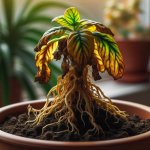
How to identify root aphids in houseplants?
To identify root aphids in houseplants, you primarily need to look for subtle signs of decline in the plant's health that don't match typical above-ground pest issues, and then carefully inspect the root ball and potting mix for tiny, waxy, white or bluish-gray insects, often accompanied by white, cottony residue. These elusive pests feed directly on plant roots.
-
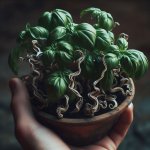
Why are my basil leaves curling downward?
When you notice basil leaves curling downward, it's usually a sign of environmental stress, often related to watering issues, temperature extremes, or nutrient imbalances. These symptoms indicate your basil plant is trying to conserve moisture or protect itself from unfavorable conditions.
-
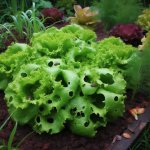
What causes holes in lettuce leaves?
Holes in lettuce leaves are almost always caused by pests that chew through the tender foliage, ranging from tiny insects to larger mollusks. Identifying the specific culprit by the type of damage and the presence of the pest itself is the first step to effective, organic control.
-
Advertisement
-
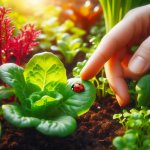
Organic Pest Control for Vegetable Seedlings
Safeguarding your tender vegetable seedlings from hungry pests without resorting to harsh chemicals is a common desire for many gardeners. This guide offers practical, eco-friendly strategies to protect your young plants, ensuring they grow strong and healthy from the very beginning.
-
Gentle Control: Natural Solutions for Aphids on Roses
Discovering tiny, soft-bodied insects clustering on the tender new growth of your prized rose bushes can be frustrating. These ubiquitous garden pests, known as aphids, multiply rapidly and can quickly weaken your plants. Fortunately, there are many effective, gentle, and natural solutions for aphids on roses that help you keep your beautiful blooms healthy without resorting to harsh chemicals. Embracing organic pest management protects not only your roses but also the beneficial insects and the overall health of your garden ecosystem.
-
Decode Your Plant's Cries: How to Identify Plant Nutrient Deficiency
Has your lush green plant started looking a bit off? Perhaps its leaves are yellowing, growth has slowed, or blooms are failing to appear. Just like us, plants need a balanced diet to thrive, and when they're missing key elements, they send out distress signals. Understanding these visual cues is the first step to becoming a plant whisperer. This comprehensive guide will equip you with the knowledge on how to identify plant nutrient deficiency, helping you diagnose and remedy common mineral imbalances to restore your green companions to vibrant health.
-
Organic Weed Control: Natural Garden Solutions
Tired of battling unwanted plants in your garden while avoiding harsh chemicals? Discovering effective organic weed control methods can transform your gardening experience, allowing you to maintain a thriving space without synthetic herbicides. This guide provides comprehensive, natural strategies to keep your garden beds clear and your plants healthy.
-
Natural Pest Control: Eco-Friendly Solutions for Gardens
Cultivating a thriving vegetable garden often comes with the inevitable challenge of managing unwelcome visitors – garden pests. While the immediate impulse might be to reach for synthetic sprays, a more sustainable and ultimately more effective approach lies in embracing natural pest control. This method focuses on creating a balanced ecosystem where your plants are strong and resilient, and natural predators keep pest populations in check. It's about working with nature, rather than against it, to protect your precious harvest. By understanding common garden pests, attracting beneficial insects, and implementing simple cultural practices, you can significantly reduce pest damage without resorting to harmful chemicals. This comprehensive guide will delve into various techniques for natural pest control in vegetable gardens, empowering you to grow healthier, safer produce for your family while nurturing a vibrant, living garden environment.
-
How to prevent sunburn in indoor succulents?
Keeping your succulent plants healthy and happy indoors is a rewarding experience, but one common issue many plant parents face is sunburn. While succulents love light, too much direct, intense sun, especially through a window, can be damaging. This guide will walk you through everything you need to know about protecting your beloved indoor succulents from getting scorched, ensuring they stay vibrant and robust. Understanding the delicate balance of light is crucial for their well-being, and by following these tips, you can prevent those unsightly burnt spots and help your plants thrive.
-
Papaya Diseases and Pests: Identification and Management
Papaya diseases and pests can significantly impact the health and productivity of papaya trees, leading to reduced fruit yield and quality. Managing these issues is crucial for successful papaya cultivation, whether you're a home gardener or a commercial farmer. The most common problems include viral infections like papaya ringspot virus, fungal diseases such as anthracnose and powdery mildew, and various insect pests like spider mites and papaya fruit flies. Early identification and proper management strategies are key to keeping your papaya trees thriving and producing delicious fruit. This article will explore common papaya ailments and effective ways to combat them.