
Organic Weed Control: Natural Garden Solutions
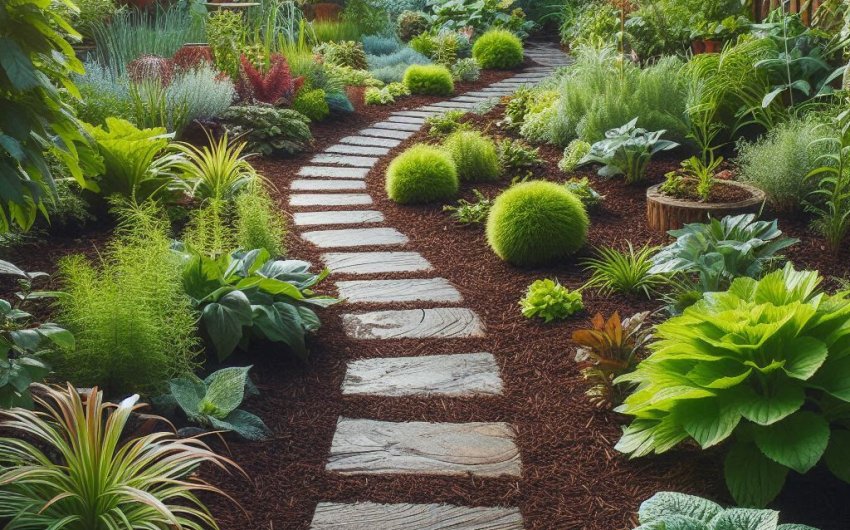
Tired of battling unwanted plants in your garden while avoiding harsh chemicals? Discovering effective organic weed control methods can transform your gardening experience, allowing you to maintain a thriving space without synthetic herbicides. This guide provides comprehensive, natural strategies to keep your garden beds clear and your plants healthy.
Why Should You Choose Organic Weed Control?
Opting for organic weed control methods brings a wealth of benefits, not just for your garden but for the broader environment and your family's well-being. The primary reason many gardeners shift away from conventional chemical weed killers is to avoid the potential harm associated with them. Synthetic herbicides can pose risks to humans, pets, and beneficial wildlife. These chemicals can drift from their intended targets, contaminating nearby plants, water sources, and soil. They might also linger in the environment for extended periods, disrupting delicate ecosystems.
Using organic approaches means you're creating a safer space. Your children and pets can play in the garden without exposure to harmful residues. You can harvest and consume your homegrown fruits and vegetables with confidence, knowing they haven't absorbed any questionable substances. This peace of mind is invaluable for anyone passionate about a healthy lifestyle.
Furthermore, organic weed control promotes a healthier, more vibrant garden ecosystem. Chemical weed killers often indiscriminately destroy all plant life they touch, including beneficial plants and even microorganisms in the soil. Organic methods, however, focus on working with nature. They enhance soil health by encouraging beneficial microbial activity, which in turn leads to stronger, more resilient cultivated plants. Healthy soil is the foundation of a productive garden.
Many conventional herbicides weaken the soil structure over time, leading to less fertile ground and increased reliance on synthetic fertilizers. Organic strategies, such as mulching and cover cropping, actually improve soil structure, increase its water-holding capacity, and add essential organic matter. This natural enrichment creates a virtuous cycle where your garden becomes more self-sustaining and less prone to weed invasions in the long run.
Finally, embracing organic weed control methods aligns with sustainable living practices. It reduces your environmental footprint by lessening chemical runoff into waterways and supporting biodiversity. By choosing natural alternatives, you contribute to a healthier planet, ensuring that your gardening passion leaves a positive impact for future generations. It's about cultivating not just beautiful plants, but a beautiful, balanced ecosystem right in your backyard.
What Are the Best Practices for Preventing Weeds Organically?
Preventing weeds is always easier and more effective than trying to remove them after they've established. Implementing strong organic weed control methods from the outset can drastically reduce your weeding chores. The goal is to stop weed seeds from sprouting and to discourage any new ones from settling in.
Understand the Weed Seed Bank
Your garden soil holds a "seed bank"—millions of dormant weed seeds, waiting for the right conditions (light, moisture, temperature) to sprout. The less you disturb the soil, the fewer new weed seeds you bring to the surface, and the fewer existing ones you encourage to germinate. This concept is fundamental to effective organic weed control.
Mulching
Applying a layer of mulch is one of the most effective and widely used organic weed control methods. Mulch acts as a physical barrier, blocking sunlight from reaching weed seeds, which prevents them from germinating. It also smothers tiny weed seedlings that might try to emerge. Beyond weed suppression, mulch offers numerous other benefits: it helps the soil retain moisture, moderates soil temperature (keeping roots cooler in summer and warmer in winter), and as organic mulches break down, they add valuable nutrients to the soil, improving its structure and fertility.
Types of Organic Mulch:
- Wood Chips: Excellent for perennial beds, trees, and shrubs. They break down slowly, providing long-lasting weed suppression. A large bag of cedar mulch can last a long time.
- Straw: Ideal for vegetable gardens. Use untreated straw, not hay (which often contains weed seeds). It breaks down relatively quickly, adding organic matter. A bale of organic straw is perfect for this.
- Shredded Leaves: Free and readily available in autumn. They create a rich, dark mulch that improves soil structure.
- Compost: While excellent for soil enrichment, compost alone might not be thick enough for strong weed suppression. Use it as an amendment, then top with a thicker mulch. A bag of organic garden compost is a great addition.
Apply a layer of mulch at least 2-4 inches (5-10 cm) thick. Replenish it as it breaks down. Keep mulch a few inches away from plant stems to prevent rot and pest issues.
Dense Planting
Planting your desired crops closely together, but not overcrowded, can significantly reduce space for weeds. When your plants grow large enough to form a canopy, they shade the soil, naturally suppressing weed growth by blocking sunlight. This strategy works well in vegetable gardens and flower beds. Ensure you still provide adequate air circulation to prevent fungal diseases.
Cover Cropping
For garden beds that will be left empty for a season or over winter, planting a cover crop is a smart organic weed control strategy. Cover crops are plants grown specifically to protect and enrich the soil. They outcompete weeds for light, water, and nutrients. When tilled into the soil (or cut and left on the surface as "chop and drop"), they add organic matter, improve soil structure, and fix nitrogen, providing a natural fertilizer for your next crop. Examples include clover, vetch, and rye. A bag of clover cover crop seeds is a popular choice.
Landscape Fabric/Cardboard Barriers
For pathways or new garden beds, installing a barrier before mulching can provide an extra layer of organic weed control.
- Landscape Fabric: While not strictly organic in its material, it is a non-chemical barrier. Choose a permeable, non-woven fabric that allows water and air to pass through. Lay it down, cut holes for your desired plants, and then cover it with mulch. Ensure you purchase a heavy-duty landscape fabric for longevity.
- Cardboard: For new beds or areas with tough weeds, a layer of flattened, unprinted cardboard (remove all tape and labels) can be laid directly on the ground. Water it thoroughly, and then cover it with 6-12 inches (15-30 cm) of soil and mulch. The cardboard will slowly decompose, suppressing weeds as it breaks down.
Minimizing Soil Disturbance
Every time you dig, till, or aggressively cultivate your garden, you bring dormant weed seeds to the surface, where they can germinate. Adopting a no-till or minimal-till approach is a key organic weed control method. Instead of digging, simply add compost and mulch to the surface of your soil. When planting, make only small holes for seeds or transplants. This keeps the weed seed bank buried and inactive.
By consistently applying these preventative measures, you'll find that the number of weeds sprouting in your garden dramatically decreases, making your gardening efforts much more enjoyable and less labor-intensive.
What Are the Best Hand-Weeding and Tool-Based Organic Methods?
Despite all the preventative measures, some weeds are bound to appear. When they do, hand-weeding and using the right tools are crucial organic weed control methods that offer immediate and precise removal without chemicals.
Hand-Weeding Techniques
Hand-weeding might seem tedious, but it's often the most effective way to eliminate weeds, especially perennial weeds with deep root systems.
- Weed Early and Often: The golden rule of weeding. Pull weeds when they are small and young. They are easier to remove, and their roots haven't had a chance to establish deeply. Plus, you prevent them from going to seed, which would add millions more to your weed seed bank.
- Weed After Rain or Watering: The soil is soft and moist after a rain or a good watering, making it much easier to pull weeds out completely, roots and all. Dry, compacted soil can cause the weed to break off at the stem, leaving the root to regrow.
- Get the Whole Root: For perennial weeds like dandelions, thistles, or bindweed, getting the entire taproot is vital. Even a small piece of root left behind can regrow.
- Don't Let Them Go to Seed: If you encounter weeds that have already flowered, remove them carefully and dispose of them in a way that prevents their seeds from spreading (e.g., in a sealed bag for municipal waste, or a hot compost pile if you're sure it reaches high enough temperatures to kill seeds). Avoid putting seedy weeds into your regular compost bin unless you are certain it gets hot enough to sterilize them, as you risk spreading weed seeds back into your garden.
Essential Hand-Weeding Tools
Having the right tools makes hand-weeding more efficient and less strenuous.
- Garden Gloves: Protect your hands from thorns, blisters, and irritating plant sap. A durable pair of garden gloves is essential.
- Hand Weeder/Dandelion Digger: These tools have a V-shaped or forked tip designed to plunge into the soil and pry up taprooted weeds. A dandelion weeder tool is specifically designed for this task.
- Hori Hori Knife: A versatile Japanese gardening knife with a serrated edge and a sharp digging blade. Excellent for weeding, digging, and planting. A Hori Hori garden knife is a favorite among many gardeners.
- Cape Cod Weeder: A small, sharp tool with an L-shaped blade designed to glide just under the soil surface to sever weed roots, particularly effective for annual weeds. Look for a Cape Cod weeder.
Hoeing
Hoeing is an effective organic weed control method for larger areas or between rows of crops. It works by severing weeds from their roots just below the soil surface.
- Shallow Hoeing: Use a hoe with a sharp blade. The key is to hoe shallowly. Deep hoeing brings dormant weed seeds to the surface, triggering new germination. Lightly skim the surface, cutting off weeds just as they emerge or are very small.
Types of Hoes:
- Action Hoe (Scuffle Hoe/Stirrup Hoe): This hoe has a stirrup-shaped blade that rocks back and forth, cutting weeds just below the soil surface with a push-pull motion. It's very efficient and requires less effort than traditional hoes. An action hoe is great for ongoing weed management.
- Collinear Hoe (Long-Handled Weeder): Features a long handle and a narrow, sharp blade that slides horizontally just below the soil surface, perfect for weeding between closely spaced rows.
- Dutch Hoe: A straight, sharp blade attached at a right angle to the handle, designed to push forward and cut weeds.
Timing: Hoe on a sunny, dry day. The severed weeds will quickly wither and die in the sun, preventing them from rerooting. Avoid hoeing on rainy days, as weeds can easily re-establish themselves in wet soil.
By combining diligent hand-weeding with the strategic use of appropriate tools, you can maintain a largely weed-free garden using purely organic weed control methods, without resorting to chemicals.
How Can You Use "Weed Killers" that Are Organic?
While true organic gardening emphasizes prevention and mechanical removal, there are some naturally derived substances that can act as "weed killers" in specific situations. It's important to understand their mechanisms and limitations, as they work differently from synthetic herbicides. These are generally used for spot treatment and should be applied carefully.
Horticultural Vinegar (Acetic Acid)
Horticultural vinegar is a popular organic weed control method for spot-treating young, tender weeds. Unlike household vinegar (which is 5% acetic acid), horticultural vinegar is much stronger, typically 10-20% acetic acid.
- How it Works: The high concentration of acetic acid rapidly breaks down the plant's cell walls, causing the foliage to shrivel and die. It works best on young, broadleaf weeds.
- Application: Apply directly to the weed leaves on a sunny, dry day. Avoid spraying on desirable plants, as it will kill them too. Use a sprayer bottle for targeted application.
- Limitations: It is a non-selective contact killer, meaning it kills anything it touches. It does not typically kill the roots of perennial weeds, so they may regrow. Repeated applications might be necessary for stubborn weeds. It can also temporarily lower soil pH, so avoid repeated use in the same spot, especially where you want to plant later.
- Safety: Wear protective gloves and eye protection when handling horticultural vinegar, as it is acidic and can cause skin and eye irritation. A gallon of horticultural vinegar is a concentrated product, so handle with care.
Boiling Water
Boiling water is a simple, effective, and completely non-toxic organic weed control method for weeds in cracks, pathways, or isolated areas.
- How it Works: The intense heat instantly scalds and kills plant cells.
- Application: Carefully pour boiling water directly onto the weeds you want to eliminate.
- Limitations: It is non-selective, so do not pour it near desirable plants. It's best for weeds in pavement cracks, gravel paths, or isolated patches. Like vinegar, it primarily kills the top growth, so perennial weeds may regrow from the root.
- Safety: Exercise extreme caution to avoid burns to yourself or splashes onto unintended plants.
Flaming
Using a flaming weeder (a propane-fueled torch) is a surprising but effective organic weed control method that uses heat to burst plant cells.
- How it Works: You don't burn the weed to a crisp; rather, you pass the flame over the weed quickly, just enough to make its leaves look shiny and slightly wilted. This indicates that the cell walls have ruptured. The weed will die back over the next few days.
- Application: Best for annual weeds and young perennials in gravel paths, driveways, or around hardscaping. Avoid using near dry flammable materials.
- Limitations: It primarily kills top growth, and perennial weeds with strong root systems will likely regrow. It's not suitable for use directly within garden beds near cultivated plants.
- Safety: Always have a water source nearby. Read and follow all manufacturer's safety instructions carefully. Never leave a lit torch unattended. A propane weeding torch can be a powerful tool when used correctly.
Corn Gluten Meal
Corn gluten meal is a natural pre-emergent herbicide. This means it prevents weed seeds from germinating rather than killing existing weeds.
- How it Works: It releases peptides into the soil that inhibit root formation in germinating seeds.
- Application: Apply granular corn gluten meal to the soil surface in spring before weed seeds have a chance to sprout. Water it in.
- Limitations: It only works on germinating seeds, not established weeds. It can also inhibit the germination of desirable seeds, so don't use it in areas where you plan to sow new seeds directly. It's best for established lawns or perennial beds where you won't be planting new seeds. It also contains nitrogen, so it can act as a mild fertilizer.
- Availability: Look for organic corn gluten meal from garden suppliers.
While these "organic weed killers" can be helpful spot treatments, remember that the most sustainable and effective organic weed control methods are those focused on prevention and diligent manual removal. Use these products as supplemental tools rather than primary solutions.
How Does Soil Health Impact Organic Weed Control?
The health of your garden soil plays an incredibly significant role in organic weed control. Healthy soil doesn't just promote vigorous growth in your desired plants; it also actively suppresses weeds. Understanding this relationship is a cornerstone of truly effective organic weed control methods.
Competitive Advantage for Cultivated Plants
When your soil is healthy and thriving, your cultivated plants have a huge advantage. They develop strong, deep root systems that can access water and nutrients more efficiently. This allows them to grow quickly, become robust, and outcompete weeds for resources like sunlight, water, and nutrients. Weeds often thrive in disturbed, nutrient-poor, or compacted soils because they are pioneer species designed to colonize such conditions. By improving your soil, you make it less hospitable for these opportunistic weeds.
Enhancing Soil Structure
Healthy soil has a good structure, meaning it has a balance of mineral particles (sand, silt, clay), organic matter, water, and air.
- Organic Matter: Adding organic matter (like compost, shredded leaves, or well-rotted manure) is key. Organic matter improves soil aggregation, creating "crumbs" that allow for better air and water penetration. It also provides a slow-release source of nutrients. A bag of quality compost is an invaluable soil amendment.
- Reduced Compaction: Healthy soil is less prone to compaction. When soil is compacted, it reduces air and water flow, stressing cultivated plants and making them vulnerable. Weeds, however, often have roots adapted to penetrate compacted soil. Good soil structure naturally discourages weeds that prefer these tough conditions.
Supporting Soil Microbes
A healthy soil teems with beneficial microorganisms (bacteria, fungi, protozoa, earthworms). These microbes are essential for breaking down organic matter, cycling nutrients, and even suppressing plant diseases.
- Mycorrhizal Fungi: These beneficial fungi form symbiotic relationships with plant roots, extending the root system and improving the plant's ability to absorb water and nutrients. Plants with strong mycorrhizal connections are more resilient and better able to compete with weeds.
- Nutrient Cycling: Microbes make nutrients available to your plants in forms they can absorb. In contrast, weeds in poor soil might be indicators of specific nutrient deficiencies, meaning they are thriving on what's available while your cultivated plants struggle.
Weed as Indicators
Sometimes, the types of weeds present can tell you something about your soil health.
- Compacted Soil: Weeds like plantain, knotweed, or crabgrass often indicate compacted soil.
- Poor Drainage: Horsetail can signal poor drainage or acidic soil.
- Low Nitrogen: Clover might be prevalent in nitrogen-deficient soil. While these are general indicators, addressing the underlying soil issue through organic amendments and improved practices can reduce their presence naturally.
Building Soil Fertility
Instead of relying on synthetic fertilizers, build your soil's natural fertility through organic amendments.
- Compost: Regularly top-dressing your garden beds with a layer of mature garden compost provides a slow, steady release of nutrients, feeding your plants and the soil microbes.
- Cover Crops: As mentioned earlier, cover crops enrich the soil with organic matter and specific nutrients (like nitrogen from legumes).
- No-Till Practices: Minimizing digging and tilling preserves the delicate soil structure and the networks of beneficial microbes, promoting a healthier environment where your plants thrive and weeds struggle.
By prioritizing soil health as a central component of your gardening strategy, you are essentially creating an environment where your desirable plants flourish effortlessly, naturally outcompeting and suppressing weeds. This holistic approach makes organic weed control methods more sustainable and less labor-intensive in the long run.
Can Companion Planting and Proper Spacing Help with Organic Weed Control?
Absolutely! Companion planting and ensuring proper plant spacing are intelligent, proactive organic weed control methods that work by creating a favorable environment for your desired plants and an unfavorable one for weeds. These strategies are all about maximizing the natural competitive advantage of your cultivated crops.
Companion Planting for Weed Suppression
Companion planting involves placing certain plants near each other because they offer mutual benefits. In terms of weed control, some companions can directly or indirectly discourage weed growth.
Shading the Soil: Taller, vining, or sprawling plants can be strategically planted to create a living "mulch" that shades the soil surface. This blocks sunlight, preventing weed seeds from germinating.
- Example: The Three Sisters (Corn, Beans, Squash): This classic Native American planting system is a prime example. The corn provides a trellis for the pole beans, the beans fix nitrogen in the soil, and the sprawling squash plants create a dense ground cover, effectively shading out weeds and keeping the soil cool and moist.
- Low-Growing Companions: Planting low-growing, dense herbs like thyme seeds or oregano seeds as a living groundcover around taller vegetables can suppress weeds and also help retain soil moisture.
Allelochemicals: Some plants release natural chemicals (allelochemicals) into the soil that inhibit the growth of nearby weeds.
- Rye and Buckwheat: These are well-known cover crops (as discussed earlier) that can have allelopathic properties, suppressing future weed growth when tilled into the soil.
- Marigolds: While primarily known for deterring nematodes and other pests, some marigold varieties might also have a mild suppressive effect on certain weeds. A packet of French marigold seeds is a good starting point.
Nutrient Competition: While sometimes negative, clever companion planting can also turn nutrient competition into an advantage. Fast-growing, low-nutrient-demanding plants can outcompete weeds for resources, thereby starving the weeds out.
The Importance of Proper Spacing
Properly spacing your plants seems simple, but it's a powerful organic weed control method.
- Maximize Canopy Cover: When plants are spaced correctly, they grow to their full size and their leaves meet, forming a dense canopy that shades the soil. This shade is the enemy of weed seeds, as most need light to germinate. Overcrowding, however, can lead to poor air circulation and increased disease risk, so there's a balance to strike.
- Efficient Resource Use: Properly spaced plants have adequate room for their roots to grow and spread, allowing them to efficiently access water and nutrients from the soil. This strong root system makes them more vigorous and better able to outcompete any weeds that do manage to sprout.
- Ease of Access for Weeding: Leaving just enough space between plants allows you to easily reach in and perform targeted hand-weeding or light hoeing if weeds do emerge. If plants are too tightly packed, it's hard to get in there without damaging your desirable crops.
- Reduce Bare Soil: Bare soil is an invitation for weeds. Proper spacing minimizes exposed soil, but even with good spacing, it's beneficial to combine this with mulching to cover any remaining bare spots.
When designing your garden, consider the mature size of each plant and arrange them to create a continuous canopy as they grow. This mindful planning, combined with the strategic placement of companion plants, makes for a proactive and highly effective organic weed control strategy, reducing your workload and contributing to a healthier garden ecosystem.
How Does Crop Rotation and Good Garden Hygiene Aid Organic Weed Control?
Crop rotation and maintaining excellent garden hygiene are often overlooked but incredibly effective organic weed control methods. They work by disrupting weed life cycles, reducing weed seed buildup, and creating an overall healthier growing environment where weeds struggle to establish.
Crop Rotation for Weed Management
Crop rotation is the practice of planting different types of crops in the same area in successive seasons. While primarily known for managing soil fertility and preventing plant-specific diseases and pests, it's also a powerful tool for organic weed control.
- Breaking Weed Cycles: Different crops require different cultivation practices and nutrient levels, which can disrupt weed populations adapted to specific conditions. For example, a row crop that allows for frequent hoeing might be followed by a dense, low-growing cover crop that smothers weeds.
- Varying Soil Disturbance: Some crops are "heavy feeders" and might require more soil disturbance for planting or harvesting, which can bring weed seeds to the surface. Following these with crops that require minimal disturbance or that allow for consistent mulching can help bury those seeds again or prevent them from germinating.
- Managing Nutrient Levels: Different weeds thrive in different nutrient conditions. By rotating crops that vary in their nutrient demands (e.g., nitrogen-fixing legumes, heavy feeders, light feeders), you subtly alter the soil chemistry over time, making it less hospitable for weed species adapted to consistent conditions.
How to Implement:
- Divide your garden into sections (e.g., four or five beds).
- Group crops by family (e.g., brassicas, legumes, solanaceae, root crops).
- Move each crop group to a different section each year. This prevents the buildup of specific weed seeds associated with a certain crop or growing condition in one spot.
Good Garden Hygiene Practices
Garden hygiene, sometimes called garden sanitation, involves practices that keep your garden clean and tidy, directly impacting organic weed control.
- Remove Weeds Before They Go to Seed: This is perhaps the most critical hygiene practice for weed control. A single weed can produce thousands, even tens of thousands, of seeds that can remain viable in the soil for years, or even decades. The adage "one year's seeding, seven years' weeding" (or more!) rings true. Inspect your garden regularly and pull or hoe weeds while they are young and before they flower or produce seeds. If a weed has already gone to seed, carefully remove it from the garden area, ideally by bagging it for municipal waste rather than composting it, unless you have a hot composting system that can truly sterilize seeds.
- Clean Tools and Equipment: Weed seeds can hitch a ride on your gardening tools, boots, and even clothing. After working in a weedy area, especially if weeds have gone to seed, take a moment to clean your tools (hoes, shovels, tillers) to prevent inadvertently spreading seeds to other parts of your garden. A simple scrub brush and water can be enough.
- Source Clean Materials: When bringing in new soil, compost, or manure, ensure it's from a reputable source that guarantees it's free of viable weed seeds. Some "bargain" soil amendments can introduce new weed problems.
- Path Management: Keep garden paths clear of weeds. Weeds in paths can quickly migrate into your garden beds. Use layers of cardboard and mulch, or employ boiling water or targeted flame weeding for stubborn path weeds.
- Edge Your Beds: Creating a clear edge between your garden beds and lawn or uncultivated areas can act as a barrier against creeping weeds like quackgrass or Bermuda grass. Edging tools or plastic/metal edgers can help define these boundaries.
By diligently practicing crop rotation and maintaining excellent garden hygiene, you're employing sophisticated organic weed control methods that reduce the long-term weed pressure in your garden, making your efforts more productive and enjoyable. It's about thinking ahead and working with the natural life cycles to your advantage.
How Can Soil Solarization and Sheet Mulching Be Used for Organic Weed Control?
For stubborn weed problems or preparing new garden beds, soil solarization and sheet mulching are powerful, large-scale organic weed control methods. These techniques leverage natural processes to eliminate weeds and improve soil, offering chemical-free solutions for significant areas.
Soil Solarization
Soil solarization uses the sun's energy to heat the soil to temperatures lethal to weed seeds, seedlings, and even some soil-borne pests and pathogens. It's most effective in areas with intense, prolonged summer sun.
- How it Works: The process involves covering a prepared soil area with clear plastic sheeting for several weeks during the hottest part of the summer. The clear plastic allows sunlight to pass through, trapping heat underneath and raising the soil temperature. The trapped moisture from previous watering turns to steam, further aiding the process.
- Steps for Solarization:
- Prepare the Area: Clear the area of any large debris, rocks, or existing weeds. Mow down or cut existing weeds as close to the ground as possible.
- Moisten the Soil: Water the soil thoroughly to a depth of at least 12 inches (30 cm). Moist soil conducts heat better than dry soil.
- Lay Clear Plastic: Use a roll of clear plastic sheeting for solarization, ideally 4-6 mil thick. Lay it directly on the moist soil, making sure it's as flat and taut as possible against the ground to maximize heat transfer.
- Seal the Edges: Crucially, bury the edges of the plastic deeply in trenches around the perimeter (at least 6-8 inches deep or 15-20 cm) or weigh them down heavily with rocks, bricks, or soil. This traps the heat.
- Leave in Place: Leave the plastic in place for 4-8 weeks during the hottest, sunniest part of your summer. The longer it's in place, and the hotter your climate, the more effective it will be.
- Benefits: Highly effective at killing a wide range of weed seeds, perennial weed sprouts, and some pathogens. It also encourages the release of nutrients, leading to improved plant growth.
- Limitations: Requires several weeks of hot weather. Not effective in cooler climates or during cloudy periods. Can temporarily reduce some beneficial soil organisms (though they usually rebound quickly).
Sheet Mulching (Lasagna Gardening)
Sheet mulching, also known as "lasagna gardening," is a no-dig organic weed control method that smothers existing weeds and builds incredibly fertile soil simultaneously. It's perfect for converting lawn or weedy areas into garden beds without digging.
- How it Works: You layer various organic materials directly over the area you want to convert. These layers break down over time, suppressing weeds below, enriching the soil, and creating a new, ready-to-plant bed.
- Steps for Sheet Mulching:
- Preparation (Minimal): Mow down existing weeds or grass as low as possible. You don't need to remove them.
- Water: Lightly water the area.
- First Layer (Carbon): Lay down a thick layer of flattened, unprinted cardboard boxes (remove all tape and labels). Overlap the edges significantly (at least 6-8 inches or 15-20 cm) to prevent weeds from growing through the seams. This layer smothers existing vegetation. Thoroughly wet the cardboard.
- Alternating Layers: Build up alternating layers of "brown" (carbon-rich) and "green" (nitrogen-rich) organic materials, much like a compost pile.
- Brown Layers: Shredded leaves, straw, wood chips, pine needles, old newspaper. A large bale of straw works well.
- Green Layers: Grass clippings (untreated), kitchen scraps (avoid meat/dairy), fresh manure (if available), green plant trimmings.
- Compost/Soil: Interspersed layers of good quality garden compost or topsoil can activate decomposition.
- Water Each Layer: Lightly water each layer as you add it to encourage decomposition.
- Top Layer: Finish with a thicker layer of compost or good topsoil if you plan to plant immediately, or a final layer of carbon-rich mulch (like wood chips) if you're letting it decompose over a few months.
- Benefits: Excellent for long-term weed suppression. Builds incredibly rich, healthy soil over time. Requires no digging.
- Limitations: Takes time for materials to break down (can plant into it after a few weeks, but better after a few months). Requires a significant amount of organic material.
Both soil solarization and sheet mulching are robust organic weed control methods that not only get rid of weeds but also contribute significantly to the health and fertility of your garden soil, setting you up for long-term gardening success.
What Are the Most Common Mistakes to Avoid in Organic Weed Control?
While adopting organic weed control methods is highly rewarding, it's easy to fall into common pitfalls that can make your efforts less effective. Knowing these mistakes and how to avoid them will save you time, effort, and frustration in your chemical-free gardening journey.
1. Waiting Too Long to Weed
This is arguably the biggest mistake. Many gardeners wait until weeds are large and established before tackling them.
- Why it's a mistake: Large weeds have extensive root systems that are harder to pull completely. More critically, they have likely gone to seed or are about to, dispersing thousands of new weed seeds into your soil, ensuring future generations of weeds.
- Solution: Weed early and often. Make quick, regular passes through your garden (even 5-10 minutes a day can make a huge difference) to pull weeds when they are tiny seedlings. They pop out easily and haven't had a chance to produce seeds. This is the cornerstone of effective organic weed control.
2. Not Getting the Entire Root
For perennial weeds, simply pulling off the top growth is a temporary fix. Many weeds can regrow from even a small piece of root left in the soil.
- Why it's a mistake: Weeds like dandelions, thistles, bindweed, and common mallow have deep taproots or creeping root systems. If you leave part of the root, the weed will simply regenerate.
- Solution: Use appropriate tools like a dandelion weeder tool or a Hori Hori garden knife to extract the entire root system. Water the soil first to soften it, making removal easier.
3. Tilling or Digging Too Much
Excessive soil disturbance is counterproductive for organic weed control.
- Why it's a mistake: Every time you deeply dig or till your garden, you bring dormant weed seeds from deep within the soil up to the surface. Once exposed to light and moisture, these seeds germinate, creating a fresh flush of weeds. You are essentially "planting" new weeds.
- Solution: Adopt a no-till or minimal-till approach. Amend your soil by adding compost and other organic matter to the surface. When planting, create only small holes for seeds or transplants. Let the soil's natural structure and microbial life work for you.
4. Not Using Enough Mulch or Not Replenishing It
Mulch is a fantastic weed barrier, but its effectiveness relies on proper application and maintenance.
- Why it's a mistake: A thin layer of mulch (less than 2 inches / 5 cm) won't effectively block light and will allow weeds to poke through. Organic mulches decompose over time, so if you don't replenish them, their weed-suppressing power diminishes.
- Solution: Apply a thick layer of organic mulch (2-4 inches / 5-10 cm, or even more for wood chips). Consistently monitor your mulch depth and top it up as it breaks down. A bulk bag of garden mulch might be a good investment.
5. Over-Reliance on "Organic Herbicides"
While horticultural vinegar, boiling water, or flaming can be useful spot treatments, they are not silver bullets and have limitations.
- Why it's a mistake: These methods often only kill the top growth and don't affect perennial weed roots. Relying solely on them without addressing the underlying causes (like poor soil health or lack of prevention) leads to endless battles and quick weed regrowth.
- Solution: Use these as supplemental tools for specific situations (e.g., weeds in cracks). Focus your main efforts on the foundational organic weed control methods: prevention through mulching, proper spacing, healthy soil, and diligent hand-weeding of young weeds.
6. Neglecting Garden Hygiene
Leaving weeds to rot in pathways or failing to clean tools can spread weed seeds.
- Why it's a mistake: Weeds that have gone to seed, even if pulled, can still release their seeds if left lying around. Dirty tools can transport seeds from one part of the garden to another.
- Solution: Remove weeds with seeds from the garden entirely. Clean your tools and boots after weeding, especially if you've been in a particularly weedy area.
By steering clear of these common missteps, you'll find your journey with organic weed control methods much more successful and your garden a much more enjoyable place to be. Your plants will thrive, and your weeding workload will significantly decrease over time.
Adopting effective organic weed control methods is a journey that gradually transforms your garden into a healthier, more balanced ecosystem, allowing you to enjoy vibrant plant growth without the ongoing fight against unwelcome invaders.