
Grow Strawberries in Containers: Your Guide
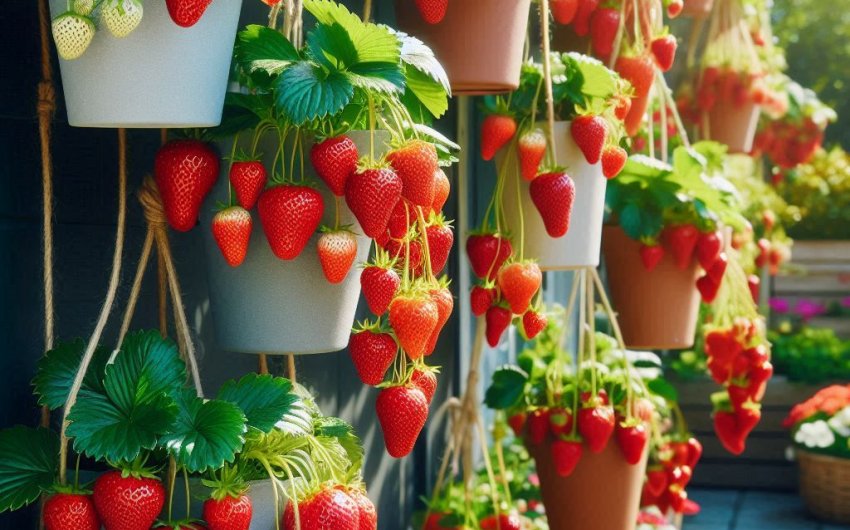
Are you dreaming of picking fresh, juicy strawberries right from your own patio or balcony? You're in the right place! Growing these delightful fruits in pots and other vessels is a fantastic way to enjoy a bountiful harvest, even if you have limited garden space. This guide will walk you through everything you need to know to cultivate delicious berries in your chosen containers.
Why Should You Grow Strawberries in Containers?
Growing strawberries in containers offers several fantastic benefits that make it an appealing option for many gardeners, from beginners to seasoned pros. One major advantage is space efficiency. Not everyone has a large backyard for traditional garden beds. Pots and hanging baskets allow you to grow a significant amount of fruit on a small patio, balcony, or even a sunny windowsill. This makes urban gardening or growing in apartments much more accessible.
Another key benefit is pest control. When strawberries are grown directly in the ground, they are often a tasty target for slugs, snails, and other ground-dwelling pests. Elevating your plants in containers makes it harder for these creatures to reach your precious berries. This can lead to a healthier crop with less damage.
Weed management also becomes much simpler. In a garden bed, weeds can quickly compete with your strawberry plants for nutrients and water. In a container, the confined space means far fewer weeds will sprout, and those that do are much easier to spot and remove. This saves you time and effort.
You also gain better control over growing conditions. With containers, you choose the exact soil mix, ensuring your strawberry plants have the perfect blend of nutrients and drainage. You can also easily move the containers to optimize sunlight exposure throughout the day or protect plants from harsh weather conditions like heavy rain or strong winds. This flexibility allows you to create an ideal environment for your berries to thrive.
Furthermore, harvesting is more convenient. Instead of bending down to pick berries from ground-level plants, your containerized strawberries are often at a more comfortable height, making the picking process much easier on your back. Plus, the fruit tends to stay cleaner, as it's not resting directly on the soil.
Finally, container gardening adds a beautiful aesthetic appeal to your outdoor space. Strawberry plants with their green foliage, white flowers, and bright red fruit can be incredibly decorative. They look lovely spilling out of hanging baskets or arranged in attractive pots, adding a touch of natural beauty to your home.
What Types of Strawberries Are Best for Containers?
Choosing the right kind of strawberry plant is crucial for success when growing them in pots. Not all varieties are equally suited to container life. There are three main types of strawberries, and knowing their characteristics will help you pick the best one for your setup.
Everbearing Strawberries
Everbearing strawberries are often considered the best choice for containers because they produce fruit throughout the growing season, typically from spring until the first frost. Instead of one large harvest, you get several smaller flushes of berries. This means a steady supply of fresh fruit for your kitchen. Popular everbearing varieties include 'Ozark Beauty', known for its large, flavorful berries, and 'Seascape', which is very productive. Their compact growth habit also makes them ideal for pots and hanging baskets, as they don't sprawl as much as other types. Look for a Strawberry 'Ozark Beauty' plant or a Strawberry 'Seascape' plant when choosing your plants.
Day-Neutral Strawberries
Day-neutral strawberries are very similar to everbearing varieties in that they also produce fruit continuously throughout the season, as long as temperatures remain between 35°F and 85°F (1°C and 29°C). The difference lies in their sensitivity to day length; day-neutrals are less affected by it. This makes them highly reliable producers in various climates. Varieties like 'Tristar' and 'Albion' are excellent choices for containers. They are known for their consistent yield and good flavor. These types are perfect if you want to maximize your harvest over a long period. Consider purchasing a Strawberry 'Tristar' plant or a Strawberry 'Albion' plant for your container garden.
June-Bearing Strawberries
June-bearing strawberries produce one large crop of berries, usually over a two to three-week period in late spring or early summer. While they offer a generous harvest all at once, they tend to produce a lot of runners (long stems that grow new plants). In a container, these runners can quickly fill up the space and compete for nutrients, making them less ideal unless you are diligent about pruning. If you only want a big flush of berries at one time, and you're prepared to manage the runners, varieties like 'Honeoye' or 'Allstar' can be grown in larger containers. However, for continuous picking, everbearing or day-neutral types are generally preferred for small spaces.
When selecting your strawberry varieties, always consider your local climate and how much fruit you want to harvest at one time. For most people looking to grow strawberries in containers on a patio or balcony, everbearing or day-neutral types will offer the most satisfying experience with their continuous yield and compact growth.
What Kind of Containers Are Best for Strawberries?
Choosing the right container is as important as choosing the right strawberry variety when you're planning to grow these fruits. The container needs to provide enough space for the roots, good drainage, and be suitable for your growing environment. Luckily, you have many options.
Traditional Pots and Planters
Standard pots and planters are a popular choice. Terracotta pots, plastic pots, or glazed ceramic pots can all work well. The key is size. Each strawberry plant needs at least 8 inches (20 cm) of space for its root system to thrive. A general rule of thumb is to use a pot that is at least 10-12 inches (25-30 cm) in diameter for 2-3 plants, or larger if you want more plants. Make sure any pot you choose has drainage holes at the bottom. This is crucial to prevent water from pooling and causing root rot. If a pot doesn't have holes, you'll need to drill them yourself. Plastic pots are lightweight and retain moisture well, while terracotta pots can look beautiful but dry out faster. Consider a large terracotta pot with drainage for a classic look, or a lightweight plastic planter for easier moving.
Strawberry Planters
You can find specialized strawberry planters designed specifically for growing these plants. These often have pockets or openings on the sides, allowing you to plant multiple strawberries around the perimeter and on top. This maximizes the number of plants you can grow in a single footprint. They come in various materials, including ceramic, plastic, and even fabric. A vertical strawberry planter can be a great space-saver. Make sure the individual pockets are large enough for the roots, usually about 6 inches (15 cm) deep and wide.
Hanging Baskets
Hanging baskets are an excellent option, especially for everbearing or day-neutral varieties that don't produce too many runners. The berries will cascade over the sides, making them easy to pick and keeping them off the ground, which helps prevent rot and pest damage. Choose a basket that is at least 10-12 inches (25-30 cm) in diameter for 3-5 plants. Use a good quality potting mix that drains well but also retains some moisture. Liner materials for hanging baskets, like coir or sphagnum moss, are essential to keep the soil in. A sturdy coir-lined hanging basket is a good choice.
Fabric Grow Bags
Fabric grow bags are increasingly popular for container gardening. They are lightweight, inexpensive, and promote excellent drainage and air circulation to the roots (a process called "air pruning" which encourages healthier root growth). They come in various sizes, and you can easily move them around. A 5-gallon (19-liter) fabric grow bag is a good size for 2-3 strawberry plants. The material helps prevent root circling, which can be an issue in hard-sided pots. Look for a pack of 5-gallon fabric grow bags to get started.
Regardless of the type of container you choose, always ensure it has sufficient drainage holes. Without proper drainage, your strawberry plants will suffer from waterlogged roots, leading to plant death. Elevating pots slightly off the ground with pot feet can also help improve air circulation and drainage.
What Soil and Nutrients Do Strawberries Need in Containers?
The right soil mix is incredibly important for happy and productive strawberry plants in containers. Unlike garden soil, which can be heavy and compacted, container soil needs to be light, airy, and drain well while still holding onto enough moisture and nutrients.
Potting Mix
Do not use garden soil directly in your containers. Garden soil can compact easily in a pot, leading to poor drainage and suffocated roots. Instead, use a high-quality potting mix specifically designed for containers. A good potting mix will typically contain a blend of peat moss or coco coir (for moisture retention), perlite or vermiculite (for drainage and aeration), and compost or other organic matter (for nutrients). This combination ensures that the soil remains loose and well-drained, which is vital for preventing root rot, a common issue in container gardening. A premium organic potting mix is a great investment for your strawberry plants.
pH Level
Strawberries prefer a slightly acidic to neutral soil pH, ideally between 5.5 and 6.5. Most commercial potting mixes are formulated within this range, so you usually don't need to adjust the pH unless you're mixing your own custom blend. If you are concerned, a simple soil test kit can help you determine the pH.
Fertilizing Strawberries
Since container plants are watered more frequently than in-ground plants, nutrients can leach out of the soil more quickly. This means regular fertilization is essential for strong growth and abundant fruit production.
When you first plant your strawberries, you can mix in a slow-release granular fertilizer into the potting mix. This provides a steady supply of nutrients over several months. Look for a fertilizer that is balanced, or slightly higher in phosphorus and potassium, which are important for flowering and fruiting. A slow-release granular fertilizer for berries is a good option.
Alternatively, you can use a liquid fertilizer applied every 2-4 weeks during the growing season, especially once the plants start to flower and fruit. Dilute the liquid fertilizer according to the package directions to avoid over-fertilizing, which can burn the roots. An organic liquid fertilizer like fish emulsion or a balanced all-purpose plant food works well. A liquid organic plant food can provide quick nutrient boosts.
Avoid high-nitrogen fertilizers once your plants start flowering, as too much nitrogen can encourage leafy growth at the expense of fruit production. The general recommendation is to feed your strawberry plants regularly but lightly throughout their active growing period to support continuous fruit development. Remember to always water your plants thoroughly before applying liquid fertilizer to prevent root burn.
How Do You Plant Strawberries in Containers?
Planting your strawberry plants correctly in containers sets them up for success. Whether you're starting with bare-root plants or young plants from a nursery, the process is straightforward.
Choosing Your Plants
You can purchase strawberry plants in two main forms: bare-root plants or potted starts. Bare-root plants are dormant plants without soil around their roots. They are often more economical and available in larger quantities, typically sold in bundles during late winter or early spring. Potted starts are already growing in a small amount of soil and are ready to plant. They usually establish more quickly. For beginners, potted starts can be a bit easier to handle.
Preparing the Container
Before you bring your plants home, prepare your chosen container. Make sure it has adequate drainage holes. If not, drill several 1/2-inch (1.2 cm) holes in the bottom. Place a layer of newspaper or a coffee filter over the drainage holes to prevent the soil from washing out, but avoid using gravel or broken pottery, as this can actually hinder drainage.
Fill the container about two-thirds full with your chosen potting mix. Gently pat it down to remove large air pockets, but don't compact it too tightly, as the soil needs to remain loose for root growth.
Planting Bare-Root Strawberries
If you're using bare-root plants, soak their roots in a bowl of lukewarm water for about 20-30 minutes before planting. This helps rehydrate them after their journey. Create a small mound of potting mix in the center of the container. Spread the roots over this mound so they fan out naturally. The most important part is to get the crown (the point where the roots meet the leaves) at the right level. The crown should be precisely at the soil surface, not buried and not too high. Burying the crown can lead to rot, while having it too high can dry out the plant.
Planting Potted Strawberry Starts
For potted starts, gently remove the plant from its nursery pot. If the roots are tightly matted (root-bound), gently loosen them with your fingers to encourage them to grow outwards into the new soil. Dig a hole in your prepared container large enough to accommodate the root ball. Place the plant in the hole, again ensuring the crown is exactly at soil level.
Filling and Watering
Once the plant is positioned correctly, fill the rest of the container with potting mix, gently firming it around the roots to remove air pockets. Don't press too hard, as this will compact the soil. Leave about an inch (2.5 cm) of space between the top of the soil and the rim of the container. This "headroom" prevents water from overflowing when you water.
After planting, water thoroughly until water drains out of the bottom of the container. This helps settle the soil around the roots and provides initial moisture. For the first few days, keep a close eye on your newly planted strawberry plants to ensure they don't dry out, especially if the weather is warm or windy.
Where Should You Place Your Container Strawberries?
The right location is key to getting a fantastic harvest from your container strawberries. Strawberries are sun-loving plants, and they need plenty of light to produce sweet, juicy fruits.
Sunlight Requirements
Strawberry plants need at least 6-8 hours of direct sunlight per day to thrive and produce a good crop. The more sun they get, the sweeter the berries will be. A south-facing balcony, patio, or deck is often an ideal spot. If you don't have a spot that gets full sun all day, try to find a location that receives morning sun, which is less intense than afternoon sun but still provides necessary light. If your location is shadier, you might still get some berries, but they will be smaller and less abundant. If you notice your plants are leggy or not flowering much, it's a sign they need more light.
Air Circulation
Good air circulation around your strawberry plants is also important. This helps prevent fungal diseases, especially in humid conditions. Avoid placing containers in cramped corners where air might stagnate. If you're using hanging baskets, make sure they have enough space to sway gently in a breeze. For pots on a patio, arrange them with a bit of space between them.
Protection from Elements
While strawberries love sun, they can be sensitive to extreme weather. In very hot climates, intense afternoon sun might be too much. If temperatures consistently soar above 85°F (29°C), consider moving your containers to a spot that gets some afternoon shade or using a shade cloth for plants to protect them during the hottest part of the day.
Similarly, strong winds can damage delicate flowers and foliage. If your location is particularly windy, consider placing your containers in a slightly more sheltered spot or using heavier pots that won't easily tip over.
Accessibility for Harvesting
Think about convenience when choosing a spot. You'll be watering frequently and harvesting regularly, so place your container strawberries somewhere that is easy to reach. This also makes it simpler to monitor for pests or diseases and to pick ripe berries before they spoil. Having them close to your kitchen door is a bonus for fresh snacking!
By providing plenty of sunshine, good air circulation, and some protection from extremes, you'll create the perfect home for your strawberry plants to flourish and produce a delicious bounty.
How Often Should You Water Container Strawberries?
Watering is one of the most critical aspects of growing strawberries in containers. Unlike plants in the ground, containerized plants rely entirely on you for their water supply. They also dry out much faster due to increased exposure to air and quicker drainage.
The Importance of Consistent Moisture
Strawberry plants need consistent moisture to produce juicy, plump berries. They don't like to be waterlogged, but they also don't like to dry out completely. Fluctuating moisture levels can lead to smaller, misshapen fruits or even cause the plant to stop producing.
How to Check for Water
The best way to know when to water is to feel the soil. Stick your finger about an inch or two (2.5-5 cm) into the potting mix. If it feels dry at that depth, it's time to water. If it still feels moist, check again later. Don't rely solely on the surface of the soil, as it can dry out quickly while the deeper soil remains wet. You can also use a soil moisture meter for a more precise reading.
Watering Frequency
During warm weather, you might need to water your container strawberries daily, or even twice a day, especially if they are in smaller pots or hanging baskets. In cooler weather or on cloudy days, they will need less frequent watering.
Always water thoroughly until you see water draining out of the bottom of the container. This ensures that the entire root ball is saturated. Avoid light, frequent sprinkles, as these only moisten the top layer of soil and don't reach the deeper roots.
What Kind of Water?
Using rainwater is ideal for strawberry plants as it's free of chlorine and other chemicals found in tap water. If you use tap water, letting it sit out for 24 hours can help dissipate chlorine.
Drip Irrigation and Self-Watering Planters
For convenience, especially if you have many strawberry plants in containers, consider a drip irrigation system for pots. These systems deliver water directly to the soil slowly, minimizing waste and ensuring consistent moisture.
Self-watering planters are another great option. They have a reservoir at the bottom that holds water, which the plant then wicks up as needed. This can significantly reduce how often you need to water, making container gardening much easier. A self-watering planter for strawberries can be a real time-saver.
No matter your watering method, paying close attention to your strawberry plants and feeling the soil will ensure they receive the right amount of hydration for a healthy and productive season.
How Do You Pollinate and Get More Berries?
For your strawberry plants to produce those delicious fruits, pollination needs to happen. While some varieties are self-pollinating, meaning they can produce fruit with their own pollen, encouraging pollinators or providing assistance can significantly increase your yield and lead to better-formed berries.
Natural Pollination
Most strawberry plants rely on natural pollinators like bees and other beneficial insects. If you place your containers outdoors, bees and other insects will usually find your strawberry flowers. Planting companion flowers nearby that attract pollinators, such as marigolds or borage, can help draw them to your area. Creating a pollinator-friendly garden environment, free from harmful pesticides, will encourage a thriving insect population to do the work for you.
Hand Pollination (If Needed)
If you're growing your strawberries indoors, or if you notice that your outdoor plants are not producing many berries despite flowering, you might need to hand pollinate. This is a simple process:
- Identify Open Flowers: Look for open strawberry flowers with visible yellow centers (stamens, which produce pollen) and a green center (pistils, which receive pollen).
- Use a Soft Brush or Cotton Swab: Take a small, soft paintbrush, a Q-tip, or even your finger.
- Transfer Pollen: Gently brush or dab the yellow stamens of one flower to pick up pollen.
- Deposit Pollen: Then, gently dab the center (pistil) of the same flower or another flower. You can also lightly shake the plant or container to help release pollen. Doing this for each open flower every few days, especially when the flowers are fully open, can greatly improve fruit set.
Removing Runners
Strawberry plants often produce runners, which are long stems that grow out from the main plant and try to root to form new plants. While these can be used to propagate new plants, in a container, runners can quickly deplete the main plant's energy, reducing fruit production.
For everbearing and day-neutral varieties, it's generally best to snip off runners as soon as you see them. This directs all the plant's energy into producing flowers and fruit, leading to a larger and more continuous harvest. Use clean scissors or garden snips to remove them close to the main plant. If you want to propagate new plants, you can allow a few runners to develop and root them in small pots filled with potting mix, then sever them from the mother plant once they are established. However, for maximum berry production in your existing containers, remove them consistently.
By ensuring good pollination and managing runners, you'll help your strawberry plants direct their energy where it's needed most: into producing a bountiful supply of delicious berries.
How Do You Protect Strawberries from Pests and Diseases in Containers?
Even though container strawberries have some natural protection compared to in-ground plants, they can still fall victim to pests and diseases. Regular monitoring and proactive measures are the best defense to keep your plants healthy and productive.
Common Pests
Birds: Birds absolutely love ripe strawberries. This is probably the most common "pest" for outdoor berries. The best way to deter them is to cover your plants with bird netting once the fruits start to ripen. A fine mesh bird netting draped over stakes or a simple frame can create an effective barrier.
Slugs and Snails: While less common in elevated containers, slugs and snails can still climb. Look for slime trails. Organic methods like placing a shallow dish of beer (they're attracted to the yeast and drown) or sprinkling diatomaceous earth food grade around the base of the plant can deter them. Diatomaceous earth is a natural powder that dehydrates soft-bodied pests.
Aphids: These tiny green or black insects cluster on new growth and the undersides of leaves, sucking plant sap. A strong spray of water can dislodge them. For more persistent infestations, use an insecticidal soap spray. Make sure to cover both sides of the leaves. An organic insecticidal soap is generally safe for edibles.
Spider Mites: These tiny arachnids cause yellowing or bronzing of leaves and fine webbing. They thrive in hot, dry conditions. Increase humidity around your plants with regular misting, and spray with insecticidal soap or neem oil spray for plants.
Common Diseases
Fungal Diseases (Powdery Mildew, Leaf Spot, Gray Mold): These are often caused by poor air circulation and excessive moisture on leaves.
- Prevention: Ensure good air circulation around your plants, avoid overhead watering (water the soil directly), and space plants adequately. Remove any infected leaves immediately.
- Treatment: For persistent issues, an organic fungicide can be used, following package directions.
- Gray Mold (Botrytis): This is a common issue, especially during wet weather, causing berries to develop a fuzzy gray mold. Remove any affected berries immediately to prevent spread.
General Prevention and Monitoring
Good Cultural Practices: Healthy plants are more resistant to pests and diseases. Ensure proper watering, adequate sunlight, and consistent fertilization.
Regular Inspection: Check your strawberry plants daily or every few days. Look under leaves, on stems, and on developing fruits. Catching issues early makes them much easier to manage.
Sanitation: Remove any fallen leaves, dead plant material, or overripe berries from your containers. This debris can harbor pests and disease spores.
Crop Rotation (if applicable): If you reuse potting mix from previous years for strawberries, it's a good idea to change it out or sterilize it, as disease spores can linger in the soil. Ideally, use fresh potting mix each year.
By being observant and taking quick action, you can keep your strawberry plants in containers healthy and maximize your chances of a delicious, disease-free harvest.
How Do You Harvest Strawberries from Containers?
Harvesting ripe strawberries is the most rewarding part of growing them! Knowing when and how to pick them correctly ensures you get the sweetest, most flavorful berries and encourages your plants to produce even more.
When to Harvest
The key is to pick strawberries when they are fully ripe. A ripe strawberry will be bright red all over, including the tip. Don't rush to pick them when they're still partly white or pink, as they won't ripen further once picked and will lack sweetness. The flavor development happens on the plant. The berries should also feel firm, not mushy. Depending on the variety and your climate, ripening can occur quickly, sometimes within just a few days after flowering.
For everbearing and day-neutral varieties, you'll be harvesting regularly, often every day or every other day, as individual berries ripen at different times. June-bearing varieties will give you a concentrated harvest over a 2-3 week period.
How to Harvest
Gently Pick: Avoid pulling the berries directly, as this can damage the plant or crush the fruit. Instead, gently grasp the stem just above the berry.
Use Your Fingers or Snips: With your thumb and forefinger, snap the stem just above the calyx (the small green leafy cap on top of the berry). You want to keep the calyx attached to the berry, as this helps it last longer. You can also use small garden snips or scissors to cut the stem, which is especially useful for larger harvests or if you want to avoid damaging the plant.
Inspect for Pests/Diseases: As you pick, quickly inspect each berry for any signs of mold, rot, or insect damage. Discard any affected berries to prevent issues from spreading to the rest of your harvest or plants.
Handle Gently: Strawberries are delicate. Place them carefully into a shallow container, like a bowl or a basket, to avoid bruising them. Don't pile them too high.
Post-Harvest Care
Don't Wash Until Ready to Eat: Store unwashed strawberries in the refrigerator. Washing them before storage can promote mold growth and make them spoil faster. Eat Fresh: Strawberries are best enjoyed fresh, ideally within a few days of picking. Their flavor and texture are at their peak right after harvest. Freezing: If you have an abundance of strawberries, you can freeze them for later use in smoothies, jams, or desserts. Wash them, pat them dry, remove the green tops (hulls), and lay them in a single layer on a baking sheet to freeze. Once solid, transfer them to a freezer-safe bag.
Regular harvesting encourages your strawberry plants to produce more flowers and, consequently, more fruit. So, keep an eye on your containers, and enjoy the sweet rewards of your labor!
How Do You Prepare Container Strawberries for Winter?
Preparing your container strawberries for winter is crucial, especially if you live in an area with cold temperatures. Unlike in-ground plants that benefit from the insulating properties of the earth, container plants are more exposed to freezing and thawing cycles, which can damage roots and crowns.
Cold Hardiness
Most strawberry varieties are perennial, meaning they can live for several years. However, their cold tolerance varies. Generally, they can withstand temperatures down to about 20°F (-6°C) without significant protection, but prolonged freezing temperatures, especially in a container, can be detrimental. The root ball in a container freezes solid much faster and more thoroughly than roots in the ground.
Methods for Winter Protection
1. Move Indoors (Cold Storage): This is often the best option for container strawberries. Find a cool, dark, unheated location where temperatures stay consistently above freezing but below 40°F (4°C). Examples include an unheated garage, shed, cold cellar, or even an unheated porch.
- Preparation: Before moving, remove any dead or yellowing leaves. Give the plants a good watering, but don't leave them soaking wet.
- Dormancy: In cold storage, the strawberry plants will go dormant. They won't need light and will require very little water. Check the soil moisture every few weeks and water just enough to keep the potting mix from completely drying out. Avoid overwatering, which can lead to root rot.
2. Bury the Containers: If you have a garden bed, you can bury the entire container in the soil. This provides excellent insulation for the root system, mimicking how in-ground plants survive winter.
- Process: Dig a hole large enough to fit the container. Place the container in the hole so its rim is at ground level. Fill around the sides with soil. You can then add a layer of mulch over the top for extra protection.
3. Insulate Outdoors: If you can't move your containers indoors or bury them, you can try to insulate them outdoors.
- Group Pots: Group all your strawberry containers tightly together. This creates a microclimate and helps protect them from harsh winds.
- Wrap Containers: Wrap the sides of the containers with insulating materials like burlap, bubble wrap, old blankets, or foam insulation rolls. Secure the material with twine or tape.
- Mulch: Apply a thick layer (4-6 inches or 10-15 cm) of straw, pine needles, or shredded leaves over the top of the soil in each container. This helps insulate the crowns of the strawberry plants.
- Elevate: If your containers are on concrete or pavement, elevate them slightly using pot feet or wooden blocks. This prevents the pot from freezing to the surface and allows for better drainage.
4. Temporary Shelters: For very cold spells, you can temporarily cover your insulated containers with a frost blanket or a tarp. Remove it on warmer days to allow for air circulation.
Watering in Winter
Even dormant plants need a little moisture. Check the soil every few weeks. If it's completely dry, give it a light watering. Be careful not to overwater, as cold, wet soil is a recipe for root rot.
Spring Awakening
As spring approaches and temperatures begin to rise, gradually bring your container strawberries out of dormancy. If they were in cold storage, slowly reintroduce them to light and warmer temperatures. Remove any insulating material and clear away mulch from the crowns. As new growth appears, you can begin regular watering and fertilizing.
By taking these steps, you can successfully overwinter your strawberry plants in containers, ensuring they return to produce another delicious crop next season.
How Do You Fertilize and Maintain Your Strawberry Plants for Best Results?
Beyond initial planting and watering, ongoing fertilization and regular maintenance are crucial for continuous production and healthy strawberry plants in containers. Their confined space means they rely entirely on you for nutrient replenishment and upkeep.
Fertilization Schedule
As mentioned earlier, container plants need regular feeding because nutrients leach out with frequent watering.
- Initial Boost: When you plant, incorporate a slow-release granular fertilizer into your potting mix. This provides a steady feed for several weeks or months.
- During Growth and Fruiting: Once your plants start actively growing and especially when they begin to flower and produce fruit, supplement with a liquid fertilizer every 2-4 weeks. Choose a balanced formula, or one slightly higher in phosphorus (P) and potassium (K) (the middle and last numbers in N-P-K), which supports flowering and fruiting rather than just leafy growth.
- Application: Always dilute liquid fertilizers according to package directions. Water your plants thoroughly before applying liquid fertilizer to prevent root burn.
- Organic Options: Fish emulsion, liquid seaweed extract, or a general organic liquid plant food for edibles are excellent choices that provide a gentle yet effective nutrient boost.
Runner Management
This is a critical maintenance task for container strawberries, particularly everbearing and day-neutral varieties.
- Why Remove? Runners are long stems that the plant sends out to create new baby plants. While useful for propagation, they consume a significant amount of energy that would otherwise go into producing flowers and fruits on the mother plant.
- How to Remove: As soon as you see runners emerge, snip them off close to the main plant using clean scissors or garden shears. Be diligent about this to maximize your berry harvest.
- Propagation (Optional): If you do want to create new plants, allow a few runners to develop. Pin them into small pots filled with potting mix adjacent to the mother plant. Once the new plant has rooted well and established its own leaves (usually a few weeks), you can snip the runner connecting it to the mother plant and grow it as a new independent plant.
Old Leaf Removal
Throughout the growing season, some of the older, outer leaves of your strawberry plants may turn yellow or brown.
- Why Remove? Removing these old leaves improves air circulation around the plant, which helps prevent fungal diseases. It also redirects the plant's energy towards new, healthy growth and fruit production.
- How to Remove: Simply snip or gently pull off any discolored or damaged leaves at the base of the plant.
Overwintering Preparation
As discussed in the previous section, proper winter preparation (moving to cold storage, burying, or insulating) is a form of maintenance that ensures your strawberry plants survive the cold months and produce again next season.
Replacing Plants
Strawberry plants are most productive in their first 2-3 years. After that, their vigor and fruit production often decline.
- Cycle Out: Plan to replace your older strawberry plants in containers every 3-4 years. You can use runners from your existing plants to start new ones, ensuring a continuous supply of young, productive plants.
By consistently fertilizing, removing runners, managing old leaves, and preparing for winter, you'll be able to enjoy a continuous, abundant harvest of strawberries from your containers for years to come.