
Nectar & Wings: Boosting Pollinators with Native Flora
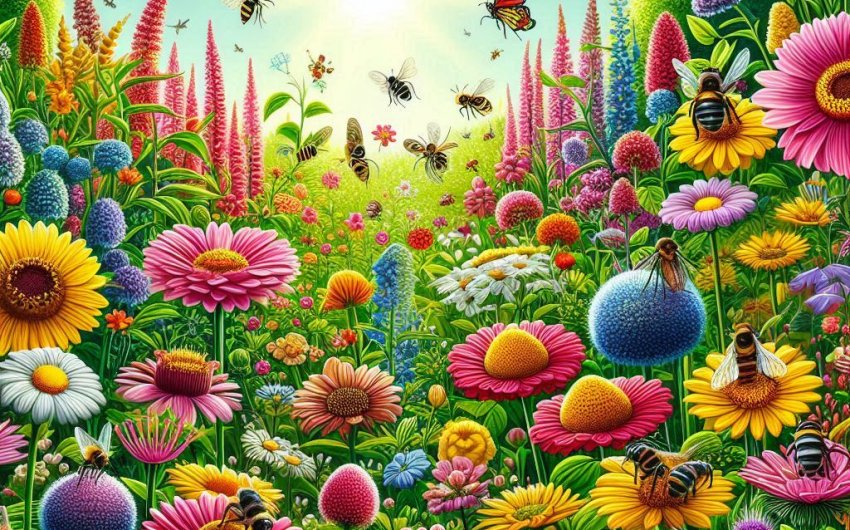
Bringing in native plants for pollinators is an excellent way to support local wildlife and create a thriving ecosystem in your own yard. These specific plant varieties provide essential food and habitat for important insects like bees, butterflies, and hummingbirds. By selecting flora that naturally belongs in your region, you offer the best possible resources for these vital creatures, which in turn helps ensure the success of our food supply and the health of our natural world.
Why are Native Plants Good for Pollinators?
When you choose plants that are naturally found in your area, you're setting up a perfect home for pollinators. Here’s why these plants are so effective:
They're adapted to the local climate:
- Native plants have evolved over thousands of years to handle your area's specific weather patterns, soil types, and rainfall. This means they generally need less water, fertilizer, and pest control than non-native plants.
- For example, if you live in a dry region, choosing drought-tolerant native plants means you won't need to constantly water them, saving both time and resources. Consider adding a rain gauge to monitor natural precipitation levels.
They offer the right food:
- Pollinators and native plants have a special relationship. The insects rely on these specific plants for their survival.
- Nectar provides energy, like a sugary drink.
- Pollen offers protein and other nutrients, like a healthy meal.
- Some native plants also serve as "host plants," meaning certain insect larvae (like caterpillars) can only eat the leaves of specific native plants. For instance, monarch butterfly caterpillars can only eat milkweed.
They create natural habitats:
- Beyond food, native plants provide shelter and places for pollinators to lay eggs or overwinter (spend the winter).
- Dense patches of native grasses or shrubs can offer protection from predators and harsh weather.
- Hollow stems of certain native plants can be nesting sites for some solitary bees. A bee house can also provide supplemental nesting opportunities.
They reduce the need for chemicals:
Advertisement- Because native plants are well-suited to their environment, they are often more resistant to local pests and diseases.
- This means you'll likely use fewer pesticides and herbicides, which are harmful to pollinators and the environment.
- Many common garden chemicals can kill pollinators outright or harm their ability to navigate and find food. An organic pest control spray can be a safer alternative for targeted issues.
Which Native Plants are Best for Different Regions?
The best native plants for pollinators depend entirely on where you live. It's like choosing clothes – you wouldn't wear a heavy coat in the desert! Here's a general guide for different broad regions of North America, but always do a quick search for your specific state or local area.
Northeast (e.g., New York, Pennsylvania, Massachusetts)
Flowering Plants:
- Common Milkweed (Asclepias syriaca): Essential for monarch butterflies. It has clusters of fragrant, pinkish-purple flowers.
- New England Aster (Symphyotrichum novae-angliae): A late-season bloomer with vibrant purple flowers, providing vital nectar for migrating monarchs and other late-season pollinators.
- Coneflower (Echinacea purpurea): Known for its daisy-like flowers with raised centers, attracting bees and butterflies.
- Wild Bergamot (Monarda fistulosa): Also called Bee Balm, it has shaggy, lavender-pink flowers that are a magnet for bees and hummingbirds.
- Goldenrod (Solidago species): Often mistaken for ragweed (which causes allergies), goldenrod is an important late-season nectar source for many insects.
Shrubs/Trees:
- Serviceberry (Amelanchier canadensis): Early spring bloomer with white flowers, providing berries for birds later.
- Buttonbush (Cephalanthus occidentalis): Spherical white flowers loved by many pollinators, especially in wet areas.
Southeast (e.g., Florida, Georgia, Carolinas)
Flowering Plants:
- Coastal Plain Phacelia (Phacelia purshii): A beautiful annual with delicate purple flowers, highly attractive to bees.
- Passionflower (Passiflora incarnata): The host plant for Gulf Fritillary butterflies and a source of nectar.
- Coral Honeysuckle (Lonicera sempervirens): A non-invasive vine with tubular red flowers, a favorite of hummingbirds.
- Liatris (Liatris spicata): Also known as blazing star, it has tall spikes of purple flowers, attracting butterflies like monarchs and swallowtails.
- Gaillardia (Gaillardia pulchella): Also called blanket flower, it has colorful red and yellow daisy-like flowers that are very drought-tolerant once established.
Shrubs/Trees:
- Fringe Tree (Chionanthus virginicus): Lacy white flowers in spring, attracting various pollinators.
- Beautyberry (Callicarpa americana): While its flowers are small, its vibrant purple berries in fall add beauty and food for birds.
Midwest (e.g., Illinois, Kansas, Minnesota)
Flowering Plants:
- Purple Coneflower (Echinacea purpurea): A reliable favorite for bees and butterflies.
- Butterfly Milkweed (Asclepias tuberosa): Bright orange flowers, another crucial milkweed species for monarchs.
- Prairie Blazing Star (Liatris pycnostachya): Tall spikes of purple flowers, excellent for prairies and attracting butterflies.
- Wild Lupine (Lupinus perennis): Beautiful blue-purple flowers, host plant for the Karner Blue butterfly (where found).
- Cup Plant (Silphium perfoliatum): Tall, striking plant with yellow flowers, the leaves form cups that collect water for birds and insects.
Shrubs/Trees:
- Redbud (Cercis canadensis): Early spring bloomer with pink-purple flowers that provide nectar for early emerging bees.
- New Jersey Tea (Ceanothus americanus): A small shrub with white flowers, excellent for bees.
Southwest (e.g., Arizona, New Mexico, Southern California)
Flowering Plants:
- Desert Willow (Chilopsis linearis): A small tree or large shrub with orchid-like flowers, attracting hummingbirds.
- Arizona Poppies (Kallstroemia grandiflora): Bright orange flowers, a short-lived perennial that reseeds easily.
- Desert Marigold (Baileya multiradiata): Cheerful yellow daisy-like flowers, very drought-tolerant.
- Penstemon (Penstemon species): Many varieties with tubular flowers, attracting hummingbirds and long-tongued bees.
- Globemallow (Sphaeralcea species): Orange, pink, or red cup-shaped flowers that are very tough and attractive to bees.
Shrubs/Trees:
- Mesquite (Prosopis species): Important shade tree, its flowers are a significant nectar source for bees.
- Desert Lavender (Hyptis emoryi): Aromatic shrub with purple flowers, attractive to various pollinators.
West/Pacific Northwest (e.g., Oregon, Washington, Northern California)
Flowering Plants:
- California Poppy (Eschscholzia californica): Iconic orange flowers, easy to grow and provides pollen.
- Oregon Grape (Mahonia aquifolium): Evergreen shrub with yellow flowers, provides early nectar.
- Bleeding Heart (Dicentra formosa): Delicate pink, heart-shaped flowers, attractive to bumblebees.
- Camas (Camassia quamash): Tall spikes of blue-purple flowers, historically important and beautiful in meadows.
- Lupine (Lupinus species): Many native varieties provide stunning flower spikes and serve as host plants for certain butterflies.
Shrubs/Trees:
- Pacific Dogwood (Cornus nuttallii): Large white bracts, a beautiful flowering tree.
- Willow (Salix species): Early spring catkins provide vital pollen and nectar for emerging bees.
How to find local native plants:
- Local Nurseries: Many nurseries now specialize in native plants for pollinators or have dedicated sections. Don't be afraid to ask staff for guidance.
- Botanical Gardens & Arboretums: These places often have native plant sections and can be great for seeing mature plants.
- Cooperative Extension Offices: Your local university extension office can provide lists of native plants suitable for your specific county or region. Look up your local Master Gardener program for excellent resources.
- Native Plant Societies: Many states have active native plant societies that offer plant sales, workshops, and valuable information.
How Can You Design a Pollinator-Friendly Garden?
Creating a garden that welcomes and sustains pollinators is more than just choosing the right plants; it’s about how you arrange and care for them. Think of it like building a nice home with a well-stocked pantry.
Choose a Sunny Spot:
- Most native plants for pollinators thrive in full sun, meaning at least 6 hours of direct sunlight per day.
- Pollinators, especially butterflies, also need sunlight to warm their bodies before they can fly. A sunny spot in your garden provides this vital energy.
- You can use a light meter to measure the sun exposure in different parts of your yard.
Plant in Groups (Drifts):
- Instead of planting one of each kind of plant, put several of the same kind together in a group. This creates a "landing strip" that pollinators can easily spot from above.
- Large patches of color are much more attractive and efficient for foraging insects than scattered individual plants.
Provide Continuous Bloom:
- Aim to have something flowering in your garden from early spring to late fall. This ensures a steady food supply for pollinators throughout their active seasons.
- For example:
- Spring: Wild Geranium, Virginia Bluebells, Serviceberry.
- Summer: Milkweed, Coneflower, Bee Balm.
- Fall: Aster, Goldenrod, Ironweed.
- A good garden planner or a gardening journal can help you track bloom times.
Offer Water Sources:
- Pollinators need water just like any other living creature.
- A shallow dish with pebbles or sand that sticks out above the water line can be a safe drinking spot for bees and butterflies. They can land on the pebbles and drink without drowning.
- A bird bath with a shallow edge can also work.
- Change the water regularly to keep it fresh and prevent mosquitoes.
Create Shelter and Nesting Sites:
- Leave some bare ground: Many native bees nest in the ground. An undisturbed patch of sandy soil can be perfect.
- Provide brush piles: Piles of twigs and branches can offer shelter for beneficial insects and small animals.
- Don't be too tidy: Leave some hollow stems from plants over winter for stem-nesting bees. Wait until spring to cut back dead plant material.
- Consider adding a solitary bee house in a sunny, sheltered spot.
- Plant host plants for caterpillars, remembering that caterpillars will eat leaves. A beautiful monarch garden might have chewed-up milkweed leaves, and that’s a good sign!
Avoid Pesticides:
- This is perhaps the most important rule. Even "organic" pesticides can harm pollinators.
- Focus on prevention: healthy plants are less prone to pest issues. Choose the right plant for the right place.
- If you must deal with pests, try hand-picking them or using strong blasts of water from a garden hose nozzle to dislodge them.
Consider a "Wild" Corner:
- If you have space, let a corner of your yard go a bit wild. Allow native grasses to grow tall or let native wildflowers self-seed. This provides even more diverse habitat.
- This also reduces the amount of lawn you need to maintain, saving you time and effort. You might consider a hand scythe for managing taller growth in these areas.
By following these simple steps, you can turn your garden into a bustling haven for pollinators, contributing to the health of your local ecosystem and enjoying the beauty of nature up close.
What Common Problems Do Pollinators Face and How Do Native Plants Help?
Pollinators, from the smallest bee to the fluttering butterfly, are facing big challenges today. Our changing world makes it harder for them to find food, shelter, and safe places to live. Understanding these problems helps us see how growing native plants for pollinators can make a huge difference.
Habitat Loss:
- The Problem: As human populations grow, more land is converted for houses, roads, and farms. This means fewer natural areas where pollinators can find food and places to live. Large stretches of lawn, for example, offer almost no value to pollinators.
- How Native Plants Help: By planting native species in your yard, you are essentially restoring a small piece of lost habitat. Even a small patch of native flowers can provide a crucial "stepping stone" for pollinators moving between larger natural areas. Think of your garden as a vital service station on a long highway for these tiny travelers.
Pesticide Use:
- The Problem: Many chemicals used in farming and gardening to kill "pests" also harm or kill pollinators. These chemicals can be sprayed directly on plants or drift onto nearby areas. Pollinators can also be harmed by simply touching surfaces where chemicals have been applied, or by eating contaminated pollen and nectar.
- How Native Plants Help: Native plants are usually more resistant to local pests and diseases because they've evolved with them. This means they often need less chemical intervention. By choosing natives and avoiding pesticides, you create a safer, toxin-free zone for pollinators. You might want to get an organic garden pest control guide for natural solutions.
Climate Change:
- The Problem: Changes in temperature and rainfall patterns can disrupt the delicate timing between when plants bloom and when pollinators are active. For example, if a plant flowers much earlier due to a warm spell, and the bee that relies on its nectar hasn't emerged yet, both suffer. Extreme weather events like droughts or floods also impact plant growth and pollinator survival.
- How Native Plants Help: Native plants are inherently more resilient to local climate fluctuations. They are better equipped to handle typical droughts, heat waves, or cold snaps in their region. This resilience makes them a more reliable food source for pollinators even as climate patterns shift. They also help improve soil health, which makes soil more resilient to weather extremes. Using a soil thermometer can help you understand local soil conditions.
Invasive Species:
- The Problem: Non-native plants (invasive species) can outcompete native plants for resources like water, nutrients, and sunlight. They often don't provide the right kind of food or habitat for native pollinators, which haven't evolved to use them.
- How Native Plants Help: By choosing native plants for pollinators, you actively combat the spread of invasive species. Native plants support the entire local food web, ensuring that insects, birds, and other wildlife have access to the specific resources they need. Always check if a plant is invasive in your area before planting it; your local weeding tool can help manage unwanted invaders.
Disease and Parasites:
- The Problem: Some diseases and parasites, often spread through human activities like moving non-native bees, can severely impact pollinator populations. For instance, certain parasites affect bumblebees, weakening colonies.
- How Native Plants Help: While native plants don't directly stop diseases, a healthy, diverse ecosystem created by native planting makes pollinators more robust. A varied diet from many different native plants provides better nutrition, which can boost a pollinator's immune system, making them less susceptible to illness.
By understanding these challenges and actively choosing native plants for pollinators, you become a vital part of the solution. Your garden, no matter its size, can be a small but powerful sanctuary contributing to the health and survival of these essential creatures. Every native plant you put in the ground is a step toward a healthier planet for everyone.
What Tools and Resources Can Help You Succeed?
Embarking on a journey to plant native plants for pollinators is exciting, and there are many helpful tools and resources to make it easier and more successful. You don't need to be an expert to create a thriving pollinator haven!
Online Plant Finders:
- Many organizations have created user-friendly websites where you can type in your zip code and get a list of native plants for your specific region.
- National Wildlife Federation (NWF) Native Plant Finder: This is a fantastic resource that not only lists plants but also shows which butterfly and moth species use them as host plants.
- Lady Bird Johnson Wildflower Center: Their plant database allows you to filter by state, light requirements, soil type, and more.
- Audubon Native Plants Database: Focuses on plants that are beneficial for birds, which often overlap with pollinator plants.
- These online tools are like having a personal botanical expert at your fingertips.
Books and Field Guides:
- While online resources are great, sometimes it's nice to have a physical book. Look for guides specific to your state or region.
- Regional Native Plant Guides: Books like "Native Plants of the Northeast" or similar titles for your area often have detailed descriptions, photos, and growing information.
- Pollinator Identification Guides: To truly appreciate your visitors, a guide like "Peterson Field Guide to Insects" or "Butterflies of North America" can help you identify the bees, butterflies, and other creatures enjoying your garden.
Local Nurseries and Garden Centers:
- As mentioned before, talk to the staff at your local independent nurseries. Many are very knowledgeable about native plants and can give you advice specific to your microclimate (even within a region, conditions can vary).
- Some nurseries even organize "native plant sales" where you can find a wide variety of species.
Gardening Tools for Easy Planting:
- You don't need a lot of fancy tools, but a few basics make the job easier:
- Hand Trowel: For digging small holes for individual plants. A sturdy stainless steel trowel will last a long time.
- Garden Spade: For turning soil and larger digging tasks. Look for a steel garden spade with a comfortable handle.
- Gardening Gloves: To protect your hands. Waterproof gardening gloves are excellent for working in damp soil.
- Watering Can or Hose with a Gentle Sprayer: To ensure young plants get enough moisture without being washed away. A watering can with a rose head provides a soft, even shower.
- Pruners: For trimming back plants when needed, especially in spring. Sharp bypass pruners are ideal for clean cuts.
- You don't need a lot of fancy tools, but a few basics make the job easier:
Soil Testing Kits:
- Knowing your soil type (sandy, clay, loam) and pH level (acidic, neutral, alkaline) can help you choose the right native plants. Most native plants are adaptable, but some have specific preferences.
- You can buy a simple home soil test kit or send a sample to your local Cooperative Extension office for a more detailed analysis.
Garden Journal or Planner:
- Keeping notes about what you plant, when it blooms, what pollinators visit, and how well it grows can be incredibly helpful for future planning.
- A simple notebook or a dedicated garden planner can make a big difference.
Community and Social Media Groups:
- Search for local native plant groups on social media platforms or community forums. These groups are excellent places to ask questions, share experiences, and even find plant swaps.
- Learning from fellow gardeners in your area can provide invaluable tips and insights.
By using these tools and resources, you’ll feel confident and well-equipped to create a beautiful and effective garden of native plants for pollinators, making a real difference for the environment.
What Are the Benefits of a Pollinator Garden Beyond Helping Insects?
While the main goal of planting native plants for pollinators is to support bees, butterflies, and other beneficial insects, the positive effects ripple far beyond just these creatures. Creating a pollinator-friendly space brings a surprising number of advantages for you, your property, and the wider environment.
Reduced Maintenance:
- Less Watering: Native plants are adapted to your local rainfall patterns, so once established, they typically need much less supplemental watering than non-native ornamentals. This means you save time, effort, and money on your water bill. A rain barrel can further reduce your reliance on tap water.
- Less Fertilizing: Native plants are accustomed to local soil conditions and often don't need additional fertilizers. This reduces costs and the risk of nutrient runoff into waterways.
- Fewer Pest Problems: As discussed, native plants are more resistant to local pests and diseases, meaning less time spent on pest control.
- No Mowing: If you convert areas of your lawn to native plant beds, you reduce the amount of grass you need to mow, saving fuel, reducing emissions, and freeing up your weekends. A push mower can be a greener alternative for remaining lawn areas.
Increased Biodiversity:
- By attracting pollinators, you also attract a wider variety of other beneficial insects, birds, and small wildlife to your yard.
- Birds: Many birds rely on insects (including caterpillars from host plants) for food for their young, and also eat the seeds and berries produced by native plants. A bird feeder can also attract additional feathered friends.
- Beneficial Insects: Your garden becomes a home for insects that prey on garden pests, creating a natural pest control system. Ladybugs and lacewings, for example, eat aphids.
- A diverse ecosystem is a healthy and resilient one.
Enhanced Beauty and Connection to Nature:
- Seasonal Interest: Native plants offer a dynamic display of beauty throughout the seasons, with varied bloom times, interesting seed heads, and fall color.
- Unique Aesthetics: They give your garden a natural, authentic look that blends with the surrounding landscape, providing a sense of place.
- Observational Opportunities: Watching bees buzz, butterflies flutter, and hummingbirds dart among your flowers is a deeply rewarding and relaxing experience. It fosters a connection to the natural world right outside your door. You might enjoy a nature journal to record your observations.
Improved Water Quality and Soil Health:
- Reduced Runoff: Native plants, especially those with deep root systems, help water soak into the ground rather than running off, which can reduce erosion and prevent pollutants from entering storm drains and waterways.
- Better Soil Structure: Their root systems improve soil structure, making it healthier and more capable of holding water and nutrients.
- Less Chemical Pollution: By reducing the need for pesticides and fertilizers, you contribute to cleaner water and soil in your local area.
Educational Opportunities:
- A pollinator garden is a living classroom. It's a wonderful way to teach children and adults about ecology, the importance of insects, and the interconnectedness of nature.
- You can learn about different life cycles, plant adaptations, and the fascinating world of pollinators just by observing your own yard.
Community Impact:
- Your garden can inspire neighbors to create their own pollinator-friendly spaces, leading to a larger network of healthy habitats across your community.
- It demonstrates a commitment to environmental stewardship and can even increase property values.
In short, cultivating native plants for pollinators is a gift that keeps on giving. It’s a powerful, yet simple, way to contribute to ecological health while enjoying a more beautiful, low-maintenance, and vibrant outdoor space.
Choosing to plant native plants for pollinators is one of the most effective and rewarding actions you can take for the environment and your own garden.