
Low Lighting Indoor Plants: Care Guide for Dim Spaces
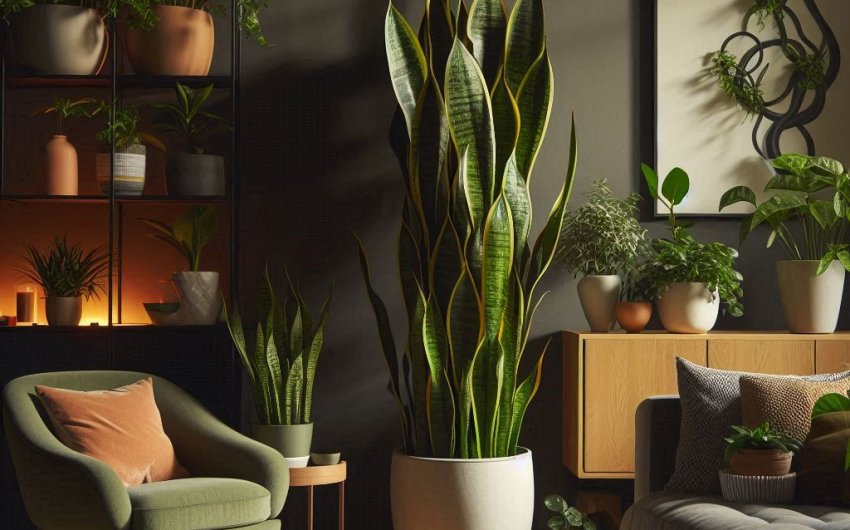
Transforming dimly lit corners, shadowy hallways, or north-facing rooms into vibrant green havens can seem like an impossible task for plant enthusiasts. The common misconception that all plants crave abundant sunshine often leads to frustration and wilting foliage in less-than-bright environments. However, the truth is that a remarkable selection of resilient and stunning plants not only tolerate but actually thrive in lower light conditions, bringing a touch of nature's tranquility and beauty to even the most challenging spots in your home. Understanding the specific needs of these shade-loving wonders is the key to their success and your satisfaction. This comprehensive guide will illuminate the possibilities, offering practical advice and showcasing a diverse array of low lighting indoor plants care strategies to ensure your green companions flourish, brightening every nook and cranny of your living space.
Understanding low light for indoor plants
Before diving into specific plant care, it's crucial to understand what "low light" truly means in the context of indoor plants. Not all dim areas are the same, and recognizing the nuances will help you choose the right plant for the right spot.
What is considered low light for indoor plants?
Low light for indoor plants generally refers to areas that receive very little to no direct sunlight. Instead, they might get indirect light filtered through a sheer curtain, or simply the ambient light from a window across the room.
- Deep Shade: An area that gets no direct sunlight and is usually dim, even during the day. Think of a hallway or a corner far from any window. Only the toughest plants will survive here.
- Low Indirect Light: An area that receives indirect light from a window, but perhaps the window is north-facing, or it's a few feet away from an east or west-facing window. This is the sweet spot for many "low light" plants.
- Bright Indirect Light: This is often confused with low light, but it's much brighter. It's a spot near a window (south, east, or west) where the plant receives strong, ambient light but no direct sunbeams on its leaves. Many plants thrive here, including some that can tolerate lower light but will do even better with more indirect brightness.
To test your light level, you can use your hand: hold your hand about 1 foot above the plant's spot at midday. If your hand casts a strong, clear shadow, it's bright light. If the shadow is soft and fuzzy, it's moderate. If there's barely any shadow, that's low light.
How do plants adapt to low light conditions?
Low lighting indoor plants have evolved clever adaptations to maximize what little light they receive:
- Larger, thinner leaves: These provide more surface area to capture diffused light.
- More chlorophyll: They often have a higher concentration of chlorophyll (the green pigment) in their leaves, allowing them to photosynthesize more efficiently with less light. This is why many low-light plants have deep green foliage.
- Lower light saturation point: They reach their maximum photosynthetic rate at much lower light levels compared to sun-loving plants.
- Variegation loss: Many variegated plants (those with patterns of white, yellow, or pink on their leaves) will lose their variegation in low light and revert to solid green, as the green parts are more efficient at photosynthesis.
Understanding these adaptations helps explain why you shouldn't force a plant that naturally thrives in bright light into a dim corner; it will likely struggle to produce enough energy.
What are the best low lighting indoor plants?
Choosing the right low lighting indoor plants is the first step to success. These resilient varieties are known for their ability to tolerate, and even prefer, dim conditions, making them perfect for challenging spots in your home.
Is the Snake Plant ideal for low light?
Absolutely! The Snake Plant (Sansevieria trifasciata), also known as Mother-in-Law's Tongue, is consistently ranked among the most indestructible low lighting indoor plants. Its upright, sword-like leaves are striking and require minimal attention.
- Light: Thrives in low light conditions, making it perfect for dimly lit corners or hallways. It can also tolerate bright, indirect light, where it will grow faster.
- Watering: Its greatest enemy is overwatering. Allow the soil to dry out completely between waterings, often every 2-4 weeks.
- Humidity: Tolerates average indoor humidity.
- Care tips: Less is truly more with this plant. It's very forgiving of neglect. Varieties like Sansevieria trifasciata 'Laurentii' with yellow edges or the more compact Sansevieria cylindrica (Cylindrical Snake Plant) are popular.
How easy is a ZZ Plant to care for in dim areas?
The ZZ Plant (Zamioculcas zamiifolia) is another champion among low lighting indoor plants, revered for its extreme tolerance to neglect. Its waxy, dark green leaves grow on thick, upright stems. It stores water in its large, potato-like rhizomes underground, making it incredibly drought-tolerant.
- Light: Can survive in very low light conditions, even in rooms with only artificial light. It thrives in moderate to low indirect light.
- Watering: Water infrequently. Allow the soil to dry out completely and stay dry for at least a week or two before watering again. Overwatering is the most common killer.
- Humidity: Tolerates average indoor humidity.
- Care tips: Highly resilient. If leaves turn yellow, it's usually a sign of overwatering. The Raven ZZ Plant is a popular darker variety.
Are Pothos plants good for low light?
Pothos (Epipremnum aureum) is a versatile and incredibly forgiving trailing vine, making it an excellent choice for low lighting indoor plants. Its heart-shaped leaves come in many attractive variegations.
- Light: Tolerates low to bright, indirect light. In lower light, variegated varieties may lose some of their patterning and revert to more green.
- Watering: Water when the top inch or two of soil feels dry. It's quite communicative – leaves will subtly droop when thirsty, perking up quickly after watering.
- Humidity: Adapts to average household humidity.
- Care tips: Very easy to propagate from stem cuttings. Look for Golden Pothos, Marble Queen Pothos, or Neon Pothos.
How well do Peace Lilies tolerate dim conditions?
Peace Lilies (Spathiphyllum) are graceful flowering plants that are surprisingly tolerant of low light conditions, especially when it comes to their elegant white "flowers" (actually modified leaves called spathes).
- Light: Prefers low to moderate, indirect light. Too much direct sun will scorch their leaves, but too little light can reduce blooming.
- Watering: They prefer consistently moist soil, but they are also very dramatic communicators – their leaves will visibly droop when thirsty, then quickly revive after watering. Do not let them sit in soggy soil.
- Humidity: Tolerates average humidity but appreciates higher humidity.
- Care tips: Known for their air-purifying qualities. You can find Peace Lily plants in various sizes.
Can Cast Iron Plants thrive in very low light?
The Cast Iron Plant (Aspidistra elatior) truly earns its name as one of the toughest and most forgiving low lighting indoor plants. It can survive in remarkably dim conditions where other plants would perish.
- Light: Thrives in very low light conditions, including deep shade. It absolutely avoids direct sunlight, which can burn its dark green, glossy leaves.
- Watering: Very infrequent. Allow the soil to dry out completely between waterings, and then wait a bit longer. Overwatering is the biggest risk.
- Humidity: Not particular about humidity.
- Care tips: Perfect for north-facing rooms, hallways, or corners far from windows. Its resilience makes it an excellent choice for beginner gardeners or those who travel frequently.
What about Prayer Plants for low to medium light?
Prayer Plants (Maranta leuconeura) are beautiful low lighting indoor plants known for their stunning foliage patterns and unique habit of folding their leaves upwards at night, resembling praying hands.
- Light: Prefer low to medium indirect light. Direct sun will scorch their delicate leaves.
- Watering: Like consistently moist soil, but not soggy. They are sensitive to hard water or chemicals in tap water, which can cause brown leaf tips.
- Humidity: Requires high humidity to thrive. Grouping with other plants, using a pebble tray, or a humidifier is often necessary.
- Care tips: Use distilled or filtered water if possible. Pinch off flower stalks to encourage bushier foliage. You can find Prayer Plants with various leaf patterns.
Essential care guide for low lighting indoor plants
While low lighting indoor plants are forgiving, understanding their specific needs in terms of watering, soil, and occasional feeding will ensure they remain healthy and vibrant in your home.
How do you properly water low light indoor plants?
Proper watering is arguably the most critical aspect of caring for low lighting indoor plants, and it's where most beginners make mistakes. Plants in low light use water much more slowly than those in bright light.
- Less is More: The golden rule is to underwater rather than overwater. Overwatering is the quickest way to kill a low-light plant, leading to root rot.
- Check Soil Moisture: Always check the soil moisture before watering. Stick your finger 1-2 inches deep into the soil. If it feels dry, it's likely time to water. For plants like Snake Plants and ZZ Plants, allow the soil to dry out completely and then wait a few more days before watering.
- Thorough Watering (with drainage): When you do water, water deeply until water drains from the bottom of the pot. This ensures all roots get moisture.
- Drainage Holes: Always use pots with drainage holes to allow excess water to escape. Empty any standing water from the saucer after about 30 minutes.
- Reduce in Winter: Plants' growth slows significantly in winter, so they will need even less water.
What kind of soil is best for low light plants?
Most low lighting indoor plants thrive in a well-draining potting mix that also retains some moisture.
- Standard Potting Mix: A good quality all-purpose indoor potting mix is usually suitable.
- Enhance Drainage: For plants that are particularly sensitive to overwatering (like Snake Plants and ZZ Plants), you can amend the potting mix by adding 1 part perlite or cactus and succulent mix to 2-3 parts regular potting mix. This improves aeration and drainage.
- Avoid Garden Soil: Never use garden soil in pots, as it compacts easily and can introduce pests or diseases.
Do low light plants need fertilizer?
Low lighting indoor plants are generally not heavy feeders, and they grow more slowly in dim conditions, so they require less fertilizer than plants in brighter spots.
- Less is More: Over-fertilizing can burn roots and harm the plant.
- Frequency: Fertilize sparingly, usually once or twice during their active growing season (spring and summer). Many low-light plants can go a year or more without any fertilizer.
- Type: Use a balanced liquid houseplant fertilizer at half or quarter strength.
- Apply to Moist Soil: Always water the plant before applying fertilizer to prevent root burn. Never fertilize dry soil.
- Don't fertilize dormant plants: Avoid fertilizing in fall and winter when growth slows.
How important is humidity for low light indoor plants?
While many low lighting indoor plants are adaptable to average household humidity, some (like Prayer Plants or certain ferns) appreciate higher levels.
- Average Humidity: Snake Plants, ZZ Plants, Pothos, and Cast Iron Plants are generally fine with typical indoor humidity levels.
- Higher Humidity: If you notice brown, crispy leaf tips on humidity-loving plants, consider increasing humidity by:
- Misting: Misting leaves with water occasionally.
- Pebble Tray: Place the pot on a tray filled with pebbles and a little water (ensure the pot itself doesn't sit in the water).
- Grouping Plants: Plants release moisture through their leaves, creating a microclimate when grouped together.
- Humidifier: For very dry environments, a room humidifier can benefit all your plants.
When should you repot low light indoor plants?
Low lighting indoor plants grow slowly, so they don't need frequent repotting. Many prefer to be a bit root-bound.
- Frequency: Typically, repot every 2-3 years, or when you see clear signs of the plant being root-bound (roots growing out of drainage holes, water running straight through, stunted growth).
- Pot Size: When repotting, choose a pot that is only slightly larger (about 1-2 inches wider in diameter) than the current one. Too large a pot holds excess moisture and increases the risk of root rot.
- Fresh Soil: Always use fresh potting mix when repotting to replenish nutrients and improve aeration.
Troubleshooting common problems with low lighting indoor plants
Even with resilient plants, issues can arise. Knowing how to identify and address common problems will help you keep your low lighting indoor plants thriving.
Why are my low light plant leaves turning yellow?
Yellowing leaves on low lighting indoor plants are most commonly a sign of overwatering.
- Symptoms: Leaves may also feel soft, mushy, or discolored. The soil might remain wet for too long.
- To fix: Stop watering immediately. Allow the soil to dry out significantly. If the problem is severe, consider gently removing the plant from its pot to inspect for root rot (mushy, black roots) and repotting into fresh, dry soil after trimming any rotted parts. Always ensure proper drainage.
What causes brown tips on low light plant leaves?
Brown tips on leaves can indicate several issues for low lighting indoor plants:
- Low Humidity: Common for plants that prefer higher humidity (like Prayer Plants).
- Underwatering: If the plant consistently dries out too much between waterings.
- Salt/Chemical Buildup: From excess fertilizer or chemicals (like fluoride/chlorine) in tap water.
- To fix: Increase humidity (misting, pebble tray). Adjust watering frequency. If chemical buildup is suspected, flush the soil thoroughly with distilled or filtered water. Consider using distilled or filtered water for sensitive plants.
Why are my low light plant leaves drooping?
Drooping leaves can signal different problems for low lighting indoor plants:
- Underwatering (most common for dramatic droopers): If the leaves look limp and the soil is dry, the plant is thirsty. Water thoroughly, and it should perk up.
- Overwatering (less common, but severe): If the soil is soggy and the leaves look limp, yellow, or mushy, it's root rot. Stop watering immediately and follow steps for yellowing leaves.
- Sudden Temperature Change/Drafts: Can cause temporary shock.
How do you deal with pests on low light indoor plants?
While less common, low lighting indoor plants can still get pests, especially if stressed. Common culprits include mealybugs, spider mites, or fungus gnats.
- Mealybugs: Look like small, white, cottony masses. Dab directly with a cotton swab dipped in rubbing alcohol. For widespread infestation, spray with diluted neem oil.
- Spider Mites: Tiny, almost invisible, causing stippling on leaves and fine webbing. Thrive in dry conditions. Increase humidity, spray with insecticidal soap or neem oil.
- Fungus Gnats: Small, black flies hovering around the soil, indicating consistently wet conditions. Let soil dry out, use bottom watering, and yellow sticky traps.
Regularly inspecting your low lighting indoor plants for signs of stress or pests will ensure they remain a beautiful and thriving part of your home, even in those challenging dim spots.