
Best Mulch Types for Flower Beds: Beautify & Protect
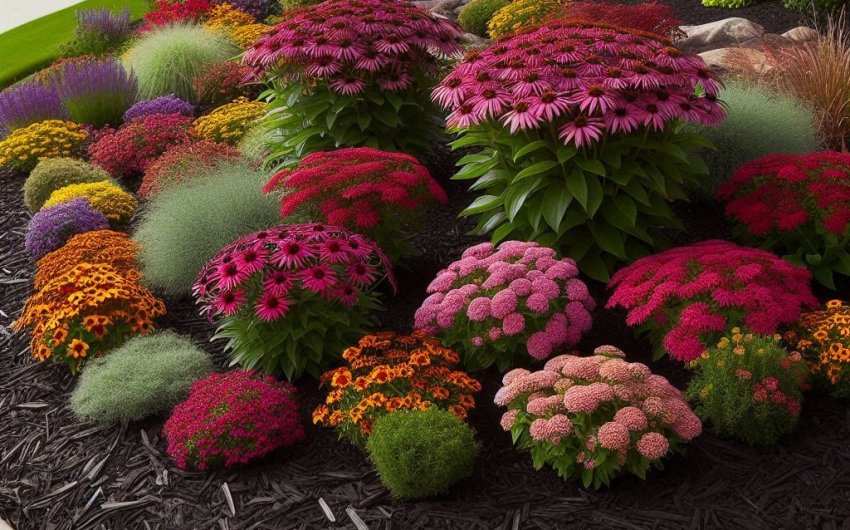
A vibrant flower bed, bursting with color and life, is a gardener's pride and joy. Yet, beneath the beauty, common challenges like relentless weeds, rapidly drying soil, and fluctuating temperatures can constantly threaten its vitality. This is where the unsung hero of the garden steps in: mulch. More than just a decorative top layer, applying the right type of mulch is one of the simplest yet most effective practices for promoting plant health, reducing maintenance, and enhancing the overall aesthetics of your floral displays. From conserving precious water to suppressing stubborn weeds and enriching the soil, a strategic layer of material can transform your gardening experience. This comprehensive guide will delve into the various best mulch types for flower beds, exploring their unique benefits, ideal applications, and aesthetic qualities to help you choose the perfect protective blanket for your blooming beauties.
Why use mulch in flower beds?
Mulching your flower beds offers a wealth of benefits that directly contribute to healthier plants, reduced maintenance, and a more polished garden aesthetic. It's a fundamental practice in both traditional and sustainable garden design.
What are the main benefits of mulching?
Applying a layer of mulch to your flower beds provides numerous advantages:
- Weed Suppression: This is often the primary reason gardeners mulch. A sufficient layer of mulch blocks sunlight from reaching weed seeds, preventing them from germinating and growing. The few weeds that do emerge are typically weaker and much easier to pull. This significantly reduces the time and effort spent on weeding.
- Moisture Retention: Mulch acts as an insulating barrier, reducing water evaporation from the soil surface due to sun and wind. This means your plants stay hydrated longer, reducing your watering frequency and conserving precious water, especially in hot or dry climates.
- Temperature Moderation: Mulch helps regulate soil temperature. It keeps the soil cooler in summer, protecting plant roots from scorching heat, and warmer in winter, providing insulation against cold snaps and preventing soil heaving (where the freezing and thawing of soil push plants out of the ground).
- Soil Health Improvement: As organic mulches break down, they slowly release nutrients into the soil, feeding beneficial microorganisms and improving soil structure, aeration, and fertility over time. This creates a healthier, more vibrant root environment.
- Erosion Control: Mulch protects the soil from the impact of heavy rain and wind, preventing soil erosion and keeping valuable topsoil in place.
- Pest and Disease Control: A layer of mulch can create a barrier between soil-borne pathogens and plant foliage, reducing splash-back that can spread diseases. It can also deter some pests.
- Enhanced Aesthetics: Mulch provides a clean, finished, and uniform look to flower beds, making plants stand out and giving your garden a professional, well-maintained appearance.
How much mulch should you apply to flower beds?
For most flower beds, a layer of 2 to 4 inches of mulch is ideal.
- Too little: Less than 2 inches won't provide sufficient weed suppression or moisture retention.
- Too much: More than 4 inches can smother plants, prevent water from reaching roots, create a breeding ground for pests (like voles or slugs), or lead to root rot by keeping the soil perpetually too wet.
- Critical Tip: Always keep mulch a few inches away from the base of plant stems and tree trunks. Piling mulch directly against them (creating a "mulch volcano") can lead to moisture buildup, rot, and provide shelter for rodents that can gnaw on bark.
How often should you reapply mulch?
The frequency of mulch reapplication depends on the type of mulch you use and how quickly it decomposes.
- Organic Mulches: Most organic mulches (bark, shredded leaves, compost) need to be replenished annually, usually in spring before new growth begins, or in fall after cleanup. Over time, they break down and become part of the soil. You may only need to add 1-2 inches each year to top up the existing layer.
- Inorganic Mulches: Inorganic mulches (gravel, stone) are much more permanent and rarely need replenishment, though they may need occasional cleaning or refreshing.
Reapply when you notice weeds starting to penetrate the layer or when the mulch layer has significantly thinned.
What are the best organic mulch types for flower beds?
Organic mulches are derived from natural materials and decompose over time, enriching the soil while providing all the benefits of mulching. They are often the preferred choice for flower beds due to their soil-building properties.
Is shredded bark mulch good for flower beds?
Shredded bark mulch (often from pine, cypress, or hardwood) is one of the most popular and aesthetically pleasing choices for flower beds.
- Pros: Attractive appearance, good weed suppression, excellent moisture retention, slow decomposition (lasting longer than other organic mulches), and helps improve soil structure over time. Comes in various colors (natural brown, black, red). Shredded hardwood mulch is a common option.
- Cons: Can be more expensive than other options, some dyed mulches may contain questionable chemicals (choose natural or vegetable-dyed options), can sometimes float away in heavy rain on slopes.
- Best Use: Permanent flower beds, around trees and shrubs, formal landscapes.
How effective is wood chip mulch for flowers?
Wood chip mulch is similar to shredded bark but often consists of larger, more uniform chips.
- Pros: Long-lasting, excellent weed suppression, good moisture retention, good for perennial flower beds, can be inexpensive if sourced from local arborists (ask for untreated chips).
- Cons: Larger chips may not be as aesthetically pleasing for all flower beds, can initially tie up some nitrogen in the soil as they decompose (a minor issue for established plants), and can be slow to break down.
- Best Use: Larger flower beds, pathways, naturalistic gardens. Look for bulk wood chips from landscape suppliers.
Can you use shredded leaves as mulch for flower beds?
Yes, shredded leaves are an exceptional and free organic mulch for flower beds, often called "leaf mold" when fully decomposed.
- Pros: Abundant and free resource (especially in autumn!), provides excellent insulation, suppresses weeds, and breaks down into fantastic soil amendment rich in micronutrients. They mimic natural forest floor conditions.
- Cons: Can blow away if not shredded, may mat down if applied too thickly and not regularly fluffed, less aesthetically uniform than bark.
- Best Use: Vegetable gardens, perennial beds, around trees and shrubs. Use a leaf shredder or lawnmower to chop leaves before applying.
Is straw a good mulch for annual flowers?
Straw (stalks of grains like wheat, oats, or barley) is a lightweight and inexpensive organic mulch, particularly good for annual flower beds and vegetable gardens.
- Pros: Excellent for weed suppression and moisture retention, easy to apply and remove, inexpensive, and breaks down quickly, adding organic matter.
- Cons: Can be messy and blow around, less aesthetic for formal gardens, ensure it's "weed-free straw" (not hay, which contains weed seeds).
- Best Use: Vegetable gardens, newly planted annual flower beds, or as winter protection. You can find bales of straw at garden centers or farm supply stores.
How beneficial is compost as a mulch?
Compost is an exceptional organic mulch that doubles as a soil amendment, providing unmatched benefits for flower beds.
- Pros: Highly nutrient-rich, constantly feeding the soil and plants as it breaks down, improves soil structure, enhances water retention and drainage, suppresses diseases, and attracts beneficial earthworms. It also provides excellent weed suppression.
- Cons: Can be more expensive to buy in large quantities than other mulches, might break down faster, requiring more frequent replenishment.
- Best Use: Any flower bed, especially those where you want to continuously improve soil fertility. Apply a 1-2 inch layer of finished compost annually.
What are the best inorganic mulch types for flower beds?
Inorganic mulches are non-plant based materials that do not decompose. They are primarily used for aesthetics, long-term weed suppression, and low maintenance.
Is gravel or stone mulch good for flower beds?
Gravel or stone mulch offers a permanent, low-maintenance solution for flower beds, particularly in certain design styles.
- Pros: Extremely durable and long-lasting (rarely needs replenishment), excellent weed suppression (especially with a landscape fabric barrier underneath), fire-resistant, and provides excellent drainage. Comes in various colors and sizes (decorative gravel).
- Cons: Does not add organic matter or nutrients to the soil, can increase soil temperature (bad for plants that like cool roots), difficult to remove once applied, expensive upfront, can be difficult to plant new plants through, and heavy to transport.
- Best Use: Rock gardens, succulent beds, xeriscapes (drought-tolerant gardens), pathways, or areas where permanence and low maintenance are prioritized. Not ideal for perennial beds where you frequently add or move plants.
What about rubber mulch for flower beds?
Rubber mulch is made from recycled tires and is an increasingly common inorganic mulch option.
- Pros: Very long-lasting (does not decompose), good for weed suppression, often comes in attractive colors, can be good for play areas (soft impact).
- Cons: Does not add nutrients to the soil, can give off a rubber smell (especially when hot), can increase soil temperature, does not moderate temperature as well as organic mulches, can be expensive, and concerns exist about chemicals leaching from tires over time, especially into edible gardens.
- Best Use: Playgrounds, pathways, borders where plants aren't directly consuming from the soil, or areas where a permanent, non-decomposing mulch is desired. Generally not recommended for vegetable gardens or direct contact with food-producing plants.
Should you use landscape fabric under inorganic mulch?
Yes, when using inorganic mulches like gravel or rubber, it is highly recommended to lay down a layer of landscape fabric first.
- Benefits: The heavy-duty landscape fabric acts as an effective barrier to prevent weeds from growing up through the mulch and keeps the gravel/rubber from sinking into the soil over time. It still allows water and air to pass through.
- Installation: Lay the fabric directly on prepared soil, cutting holes for existing plants. Overlap seams by at least 6 inches and secure with landscape fabric staples. Then spread your inorganic mulch on top.
How to properly apply mulch to flower beds?
Applying mulch correctly ensures you maximize its benefits and avoid common pitfalls. Follow these steps for healthy and beautiful flower beds.
Step 1: Prepare the flower bed before mulching
Proper preparation of the flower bed is essential for successful mulching.
- Weed Thoroughly: Before applying mulch, remove all existing weeds, roots and all. Mulch will suppress new weeds, but it won't kill established ones.
- Clear Debris: Remove any fallen leaves, sticks, or other debris.
- Edge the Bed: If desired, create a clean edge around your flower bed using an edger or spade. This helps contain the mulch and creates a tidy look.
- Water if Dry: If the soil is very dry, give the bed a good watering before mulching. This ensures moisture is locked in.
Step 2: Apply the correct depth of mulch
Once your bed is prepared, it's time to apply the mulch.
- Spread Evenly: Using a rake or gloved hands, spread the chosen mulch type evenly over the entire surface of the flower bed.
- Maintain Depth: Aim for a consistent layer of 2 to 4 inches of organic mulch. For inorganic mulches, 1-2 inches may be sufficient.
- Avoid Plant Stems: Crucially, keep the mulch a few inches away from the base of all plant stems and tree trunks. Do not create "mulch volcanoes." This gap prevents moisture buildup that can lead to rot, disease, and pest problems.
- Extend to Drip Line: Ideally, extend the mulch layer out to the drip line of trees and shrubs (the imaginary line where the outer branches extend) to benefit the entire root zone.
Step 3: Maintain your mulched flower beds
Maintaining your mulched flower beds ensures the mulch continues to perform its best throughout the season.
- Check Depth: Periodically check the depth of your mulch, especially organic types that decompose. Top up with another 1-2 inches annually or as needed.
- Fluff if Matted: If using shredded leaves or fine wood mulches that tend to compact or mat down, gently fluff them with a rake periodically to ensure good air circulation to the soil below.
- Replenish as Needed: As organic mulches break down, they integrate into the soil. You'll notice the layer thinning. This is a good time to reapply.
- Weed Patrol: While mulch greatly reduces weeds, a few persistent ones may still emerge. Pull them promptly while they're small, which is easy to do through the loose mulch layer.
- Monitor Moisture: While mulch conserves water, still monitor soil moisture, especially during prolonged dry spells or for new plants. You'll simply need to water less often.
By understanding the unique properties of the best mulch types for flower beds and applying them correctly, you can create a healthier, more beautiful, and significantly lower-maintenance garden that truly thrives.