
Perennial Flowers for Shady Gardens: Your Guide
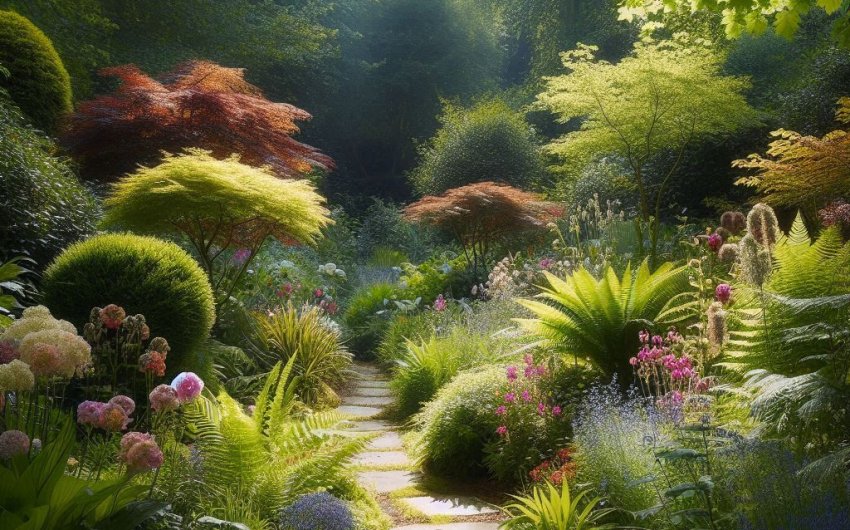
Do you have a garden area that doesn't get much sun, leaving you wondering what to plant? Finding the right perennial flowers for shady gardens can transform those dim spots into enchanting havens of color and texture. This comprehensive guide will help you select and cultivate a stunning array of plants that thrive in low-light conditions, ensuring your shaded areas are anything but dull.
What Defines a Shady Garden?
Before diving into plant choices, it's essential to understand what "shade" truly means in gardening terms. Not all shade is created equal, and knowing the specific type of shade your garden receives will help you select the most suitable perennial flowers for shady gardens. The amount of sunlight a spot receives directly impacts which plants will flourish there.
Full Shade
Full shade refers to an area that receives less than 3 hours of direct sunlight per day, often no direct sun at all. This might be under dense evergreen trees, on the north side of a building, or in a narrow space between two structures. In full shade, light levels are consistently low. While some plants can survive here, many that prefer brighter conditions will become leggy, weak, and produce few flowers. Think of these as the darkest corners of your garden.
Partial Shade / Part Sun
This is often the most common type of shaded condition in many gardens and is sometimes used interchangeably, though there's a subtle difference.
- Partial Shade: An area that receives 3-6 hours of direct sunlight per day, but typically the softer morning sun, or dappled light throughout the day. Dappled light means sunlight filtered through tree leaves, creating a shifting pattern of light and shadow. This is an ideal condition for many perennial flowers for shady gardens, as they get enough light to thrive without being scorched by intense afternoon sun.
- Part Sun: An area that also gets 3-6 hours of direct sunlight, but often includes some exposure to the hotter afternoon sun. Plants labeled "part sun" usually need protection from the most intense mid-day light, especially in warmer climates. They might perform better with morning sun and afternoon shade.
Deep Shade
Deep shade is an even more extreme version of full shade, typically found under dense conifers or in very enclosed spaces where light is severely limited. Growing anything here, especially flowering plants, can be a significant challenge. Often, the best choices for deep shade are plants primarily valued for their foliage, such as some ferns or very tolerant groundcovers. The soil in deep shade can also be very dry due to tree root competition, or very wet if it's constantly damp and cool.
Understanding Your Light Conditions
To accurately determine your garden's shade levels, observe the area throughout the day.
- Note where the direct sun hits and for how long.
- Observe if the light is dappled, filtered, or consistently dim.
- Consider how overhead trees or buildings might change light conditions throughout the seasons, especially when deciduous trees lose their leaves in winter.
Knowing these nuances will empower you to make informed decisions and create a beautiful and thriving shade garden filled with stunning perennial flowers for shady gardens.
What Are the Best Perennial Flowers for Shady Gardens Valued for Their Blooms?
Even in the shade, you can have a riot of color! Many perennial flowers for shady gardens produce exquisite blooms that brighten up dim corners. Here are some top choices, known for their captivating flowers.
1. Astilbe (False Spirea)
Astilbe is a true superstar among perennial flowers for shady gardens, known for its feathery, plume-like flowers that come in shades of pink, red, purple, and white. They create a soft, ethereal look in the garden.
- Growing Conditions: They thrive in partial to full shade and prefer consistently moist, rich, well-drained soil. They can tolerate more sun if the soil stays wet, but full shade is best in hot climates to prevent leaf scorch.
- Bloom Time: Late spring to late summer, depending on the variety.
- Foliage: Attractive fern-like foliage, often bronze or dark green, adds texture even when not in bloom.
- Height: Varies widely by cultivar, from dwarf varieties that are 1 foot tall to towering ones over 4 feet.
- Uses: Excellent for mass plantings, woodland gardens, borders, and alongside water features. Their upright plumes provide vertical interest.
- Popular Varieties: 'Visions' (rosy-purple), 'Fanal' (deep red), 'Bridal Veil' (white). A pack of Astilbe 'Visions' bare roots can get you started.
2. Bleeding Heart (Dicentra spectabilis)
The Bleeding Heart is truly iconic, especially the classic 'Spectabilis' variety, with its heart-shaped, pink-and-white flowers dangling elegantly from arching stems. It's one of the most charming perennial flowers for shady gardens.
- Growing Conditions: Prefers partial to full shade and moist, rich, well-drained soil. Avoid soggy conditions.
- Bloom Time: Early to mid-spring.
- Foliage: Delicate, fern-like green foliage.
- Unique Trait: Many traditional varieties (like Dicentra spectabilis) tend to go dormant and disappear in mid-summer, especially in warmer climates or dry conditions. Don't worry, they'll return next spring! Newer hybrids (like Dicentra spectabilis 'Alba' or Dicentra formosa) can have a longer season of interest.
- Height: 2-3 feet tall and wide.
- Uses: Perfect for woodland gardens, cottage gardens, or as a focal point in a shaded border. Pair with later-emerging plants to fill the void when it goes dormant. A Dicentra spectabilis bare root can quickly establish.
3. Hellebore (Lenten Rose)
Hellebores are cherished for their incredibly early blooms, often appearing in late winter or early spring, even pushing through snow. They offer a sophisticated palette of colors, from white and pink to deep plum and nearly black. They are truly long-lasting perennial flowers for shady gardens.
- Growing Conditions: Partial to full shade. They prefer well-drained soil rich in organic matter. They are surprisingly drought-tolerant once established.
- Bloom Time: Late winter to early spring, sometimes extending into spring.
- Foliage: Leathery, evergreen leaves provide year-round interest. This makes them especially valuable.
- Height: 1-2 feet tall and wide.
- Uses: Excellent for mass planting under deciduous trees, borders, or rock gardens. They naturalize well.
- Popular Varieties: Helleborus orientalis (Lenten Rose) varieties offer a wide range of colors. You can find Hellebore bare root plants in various colors.
4. Lungwort (Pulmonaria)
Lungwort offers charming bell-shaped flowers in shades of pink, blue, and white, often appearing simultaneously on the same plant. Its main appeal, however, lies in its beautiful spotted or variegated foliage, making it attractive even out of bloom. It's a wonderful multi-purpose addition to your perennial flowers for shady gardens.
- Growing Conditions: Partial to full shade and moist, well-drained soil. Avoid overly dry conditions.
- Bloom Time: Early to mid-spring.
- Foliage: Ovate to lance-shaped leaves are often heavily spotted with silver, creating striking patterns.
- Height: 1 foot tall and wide.
- Uses: Excellent groundcover, border plant, or in rock gardens. The foliage provides year-round interest in milder climates.
- Popular Varieties: 'Raspberry Splash', 'Diana Clare', 'Silver Shimmers'. Consider adding Pulmonaria 'Raspberry Splash' plants for unique foliage and blooms.
5. Foamflower (Tiarella cordifolia)
Foamflower is a delightful native perennial with delicate, foamy spires of white to pale pink flowers that hover above attractive, deeply lobed foliage. It's a fantastic groundcover and a great choice for your perennial flowers for shady gardens.
- Growing Conditions: Partial to full shade, consistently moist, well-drained, acidic soil.
- Bloom Time: Mid to late spring.
- Foliage: Evergreen or semi-evergreen foliage often takes on bronze or reddish hues in cooler weather.
- Height: 8-12 inches tall.
- Uses: Excellent groundcover, woodland gardens, front of borders, or naturalized areas. Spreads by runners to form colonies.
- Availability: Look for Tiarella cordifolia plants to create a beautiful carpet.
These are just a few examples of the many stunning perennial flowers for shady gardens that will bring vibrant blooms and intriguing textures to those often-challenging areas. Remember to match the plant's specific needs with your garden's conditions for the best results.
What Are the Best Perennial Flowers for Shady Gardens Valued for Their Foliage?
While blooms provide bursts of color, the true backbone of many shady gardens lies in the diverse textures, shapes, and colors of foliage. Many perennial flowers for shady gardens are cherished primarily for their stunning leaves, which provide year-round interest and form a rich tapestry that outlasts fleeting flowers.
1. Hosta (Plantain Lily)
Hostas are arguably the kings and queens of the shade garden, revered for their incredible diversity in leaf color, size, shape, and texture. No list of perennial flowers for shady gardens would be complete without them.
- Foliage Features: Leaves range from tiny and heart-shaped to huge and architectural. Colors include various shades of green, blue-green, chartreuse, gold, and often feature striking variegation with white or cream margins or centers. Textures can be smooth, corrugated, puckered, or rippled.
- Growing Conditions: Partial to full shade. Blue varieties generally need more shade to maintain their color, while yellow and gold varieties can tolerate more sun. They prefer consistently moist, rich, well-drained soil.
- Bloom Time: Summer (flowers are typically lavender or white spikes, attractive but secondary to foliage).
- Height: From miniature (a few inches tall) to giant (over 3 feet tall and 5 feet wide).
- Uses: Mass plantings, borders, groundcover, specimens, containers.
- Popular Varieties: 'Sum and Substance' (giant gold), 'Blue Angel' (large blue), 'Patriot' (green with white margin), 'Guacamole' (chartreuse with fragrance). Explore the vast selection of Hosta bare roots to find your perfect variety.
2. Coral Bells (Heuchera)
Coral Bells are incredibly versatile, known for their dazzling array of foliage colors that outshine many flowers. They are essential perennial flowers for shady gardens for vibrant, long-lasting color.
- Foliage Features: Leaves come in an astonishing palette: lime green, chartreuse, gold, bronze, deep purple, burgundy, silver, and various patterns with contrasting veins or ruffled edges. They are often evergreen or semi-evergreen.
- Growing Conditions: Partial shade is ideal; some varieties can tolerate more sun with consistent moisture. They need well-drained soil.
- Bloom Time: Spring to summer (tiny bell-shaped flowers on tall, slender stalks, typically white, pink, or red, attract hummingbirds).
- Height: Foliage mounds typically 1-2 feet tall and wide; flower stalks can reach 2-3 feet.
- Uses: Front of borders, mass plantings, containers, rock gardens.
- Popular Varieties: 'Palace Purple' (classic purple), 'Lime Marmalade' (bright lime), 'Obsidian' (nearly black), 'Caramel' (amber-orange). Consider a Heuchera 'Palace Purple' plant for dramatic dark foliage.
3. Japanese Painted Fern (Athyrium niponicum 'Pictum')
For delicate beauty and striking color, the Japanese Painted Fern is a standout among perennial flowers for shady gardens. It's renowned for its exquisite fronds.
- Foliage Features: Fronds are a stunning blend of silvery-gray, burgundy, and green, creating a metallic, ethereal appearance.
- Growing Conditions: Partial to full shade and consistently moist, well-drained soil rich in organic matter.
- Bloom Time: Non-flowering (ferns reproduce via spores).
- Height: 1-2 feet tall and wide.
- Uses: Woodland gardens, mass plantings, borders, rock gardens, containers. Perfect for adding fine texture and cool colors.
- Availability: Find Japanese Painted Fern plants to add unique silver and purple hues.
4. Lenten Rose (Hellebore) - Reiterate for Foliage
While noted for its early blooms, Hellebore deserves a second mention here for its year-round evergreen foliage. Its leathery, dark green leaves provide structure and interest through winter, making it a valuable addition to your list of perennial flowers for shady gardens.
- Foliage Features: Deep green, often deeply lobed and somewhat leathery leaves form an attractive clump that remains green even in winter in many climates.
- Growing Conditions: Partial to full shade, well-drained soil. Drought-tolerant once established.
- Uses: All-season interest, woodland gardens, mass planting under deciduous trees, where their winter foliage is particularly appreciated.
5. Barrenwort (Epimedium)
Barrenwort is a graceful groundcover that offers both delicate flowers and beautiful foliage. It's an excellent, tough plant for dry shade, a challenging spot for many perennial flowers for shady gardens.
- Foliage Features: Heart-shaped or arrow-shaped leaves emerge with bronzy or reddish tints in spring, maturing to green, and often turning red or purple in autumn. Many varieties are semi-evergreen or evergreen.
- Growing Conditions: Partial to full shade. Tolerates dry shade once established, making it valuable under trees. Prefers well-drained soil.
- Bloom Time: Early spring (delicate, orchid-like flowers in white, yellow, pink, or red, hovering above the foliage).
- Height: 8-15 inches tall.
- Uses: Groundcover, woodland gardens, rock gardens, borders, particularly good for difficult dry shade areas.
- Availability: Look for Epimedium plants for a versatile groundcover.
These foliage-focused perennial flowers for shady gardens allow you to create a sophisticated and dynamic landscape, relying on varied leaf forms and colors to maintain interest throughout the entire growing season and often into winter.
What Are Some Unique and Less Common Perennial Flowers for Shady Gardens?
Beyond the popular choices, there's a world of fascinating and less common perennial flowers for shady gardens that can add unique texture, form, and surprise to your landscape. These plants can create truly memorable and distinctive shade garden designs.
1. Rodgersia (Rodgersia spp.)
Rodgersia is a majestic plant, perfect for bold statements in large, moist shade gardens. It's often valued for its dramatic, deeply textured foliage, but its flowers are also impressive. It makes a grand addition to perennial flowers for shady gardens.
- Foliage: Enormous, textured leaves, often bronze when they emerge, maturing to green. They can be palm-like or horse chestnut-like, adding a very tropical feel.
- Blooms: Tall, feathery plumes of white, pink, or cream flowers rise above the foliage in summer.
- Growing Conditions: Partial shade is best, especially in hotter climates. Requires consistently moist to wet soil; excellent for bog gardens or near water features.
- Height: 3-6 feet tall and wide, depending on the species.
- Uses: Specimen plant, woodland gardens, large borders, pond edges.
- Availability: Seek out Rodgersia plants for a truly dramatic effect.
2. Toad Lily (Tricyrtis hirta)
Toad Lily is a late-season bloomer that brings unique, orchid-like flowers to the shade garden when many other plants are fading. It's a delightful and intriguing choice for perennial flowers for shady gardens.
- Blooms: Exquisite, star-shaped or bell-shaped flowers are heavily speckled or spotted, often in shades of white, purple, pink, or yellow, giving them a very exotic look. They appear along the stems or at the tips.
- Foliage: Green, often hairy leaves.
- Growing Conditions: Partial to full shade. Prefers consistently moist, humus-rich, well-drained soil. Avoid soggy conditions.
- Bloom Time: Late summer to fall.
- Height: 1-3 feet tall, depending on the variety.
- Uses: Woodland gardens, borders, naturalized areas, especially nice planted where you can appreciate their intricate blooms up close.
- Popular Varieties: 'Miyazaki' (white with purple spots), 'Empress' (white with heavy purple spotting). You can find Tricyrtis plants for their unique late-season interest.
3. Goatsbeard (Aruncus dioicus)
Goatsbeard is a magnificent, large perennial that creates a stunning focal point in a shaded landscape. It's truly one of the showstoppers among perennial flowers for shady gardens.
- Blooms: Produces huge, fluffy, creamy-white plumes of flowers that resemble giant astilbe plumes but on a much larger scale.
- Foliage: Large, attractive, fern-like foliage that creates a dense, lush backdrop.
- Growing Conditions: Partial shade is best, especially in warmer climates. Prefers consistently moist, rich soil.
- Height: Can reach 4-6 feet tall and wide, sometimes even taller.
- Uses: Specimen plant, back of a large shade border, woodland gardens, naturalized areas. A striking alternative to shrubs.
- Availability: Consider planting Aruncus dioicus plants for a commanding presence.
4. Leopard Plant (Farfugium japonicum 'Aureomaculatum')
This plant is grown almost entirely for its stunning, bold foliage, particularly the 'Aureomaculatum' variety, which features large, glossy green leaves adorned with bright yellow spots, resembling leopard print. It's a vibrant choice for adding unique pattern to your perennial flowers for shady gardens.
- Foliage: Large, rounded, leathery, glossy green leaves with prominent yellow spots (the 'Aureomaculatum' cultivar).
- Blooms: Yellow, daisy-like flowers in autumn, but they are generally secondary to the foliage.
- Growing Conditions: Partial to full shade. Prefers consistently moist, well-drained soil. Needs protection from winter winds and deep freezes in colder zones.
- Height: 1-2 feet tall and wide.
- Uses: Containers (especially in colder climates where it can be brought indoors), woodland gardens, borders, or as an accent plant.
- Availability: Look for Farfugium japonicum 'Aureomaculatum' plants for bold, speckled foliage.
5. Solomon's Seal (Polygonatum spp.)
Solomon's Seal offers graceful, arching stems with bell-shaped, often fragrant, green-tipped white flowers dangling beneath in spring. Its architectural form makes it a unique addition to perennial flowers for shady gardens.
- Blooms: Delicate, pendulous, bell-like flowers hanging in rows beneath the leaves, followed by dark berries in autumn.
- Foliage: Oval, ribbed leaves arranged alternately along the arching stems. Some varieties have attractive variegation.
- Growing Conditions: Partial to full shade. Prefers consistently moist, humus-rich soil. Tolerates some dry shade once established.
- Height: 2-4 feet tall, depending on the species.
- Uses: Woodland gardens, naturalized areas, borders, especially effective when planted in groups.
- Popular Varieties: Polygonatum odoratum 'Variegatum' has striking cream-edged leaves. A Polygonatum odoratum 'Variegatum' plant is a truly elegant choice.
These unique perennial flowers for shady gardens allow you to expand your design possibilities, adding unexpected beauty and intriguing forms to those often-challenging low-light areas. Don't be afraid to experiment beyond the usual suspects!
How Do You Prepare the Soil for Perennial Flowers in Shady Gardens?
Proper soil preparation is absolutely critical for the success of perennial flowers for shady gardens. Shaded areas often present unique soil challenges, such as dryness due to tree roots, compaction from foot traffic, or low nutrient levels. Addressing these issues before planting will give your shade-loving perennials the best possible start.
The Importance of Organic Matter
The single most important amendment for almost all garden soils, especially in shade, is organic matter. Many perennial flowers for shady gardens evolved in woodland environments, where fallen leaves and decaying wood constantly enrich the soil.
- Improves Drainage: In heavy, clay soils, organic matter helps break up compaction, allowing water to drain more freely.
- Retains Moisture: In sandy or root-filled soils, organic matter acts like a sponge, holding onto water and nutrients that would otherwise quickly leach away. This is crucial in dry shade where tree roots compete for water.
- Provides Nutrients: As organic matter decomposes, it slowly releases essential nutrients, feeding your plants naturally.
- Enhances Microbial Life: It supports a healthy population of beneficial soil microbes, which are vital for nutrient cycling and overall soil health.
Step-by-Step Soil Preparation
Assess Your Soil: Before you add anything, get a sense of your existing soil.
- Texture: Grab a handful and squeeze. Does it feel sandy (gritty, falls apart)? Clayey (sticky, forms a tight ball)? Loamy (crumbly, holds together loosely)?
- Drainage: Dig a hole about 1 foot deep and fill it with water. If it drains within an hour, drainage is good. If it takes several hours or longer, drainage is poor and needs improvement.
- pH: While not always necessary for perennial flowers for shady gardens (most tolerate a range), a soil test kit can tell you your soil's pH and nutrient levels, guiding your amendments. Most shade perennials prefer slightly acidic to neutral soil (pH 6.0-7.0).
Clear the Area: Remove any existing weeds, especially aggressive perennial weeds, as thoroughly as possible. You can hand-weed, or for large areas, consider sheet mulching or solarization (as discussed in an earlier blog post on organic weed control) to kill existing vegetation.
Address Dry Shade (Tree Root Competition): This is a common challenge in shaded areas. Tree roots are very efficient at soaking up moisture and nutrients.
- Deep Watering: Be prepared to water deeply and regularly, especially during dry spells, to ensure water gets past the tree roots to your new plants.
- Root Barriers (Limited Use): For very aggressive tree roots, you might consider installing a root barrier (a heavy-duty plastic or fabric that directs roots downward) when preparing the bed, but be cautious not to harm the tree.
- Elevated Beds: If tree roots are overwhelming, consider building raised beds. Line the bottom with heavy-duty landscape fabric or cardboard to slow root penetration, and fill with good quality soil mix.
Incorporate Organic Matter: This is the most crucial step.
- Compost: Spread a 2-4 inch (5-10 cm) layer of high-quality, finished garden compost over the entire bed.
- Other Amendments: You can also add well-rotted leaf mold, aged manure, or finely shredded bark.
- Gentle Incorporation: Instead of deep digging, which can disturb tree roots and dormant weed seeds, gently incorporate the organic matter into the top 6-8 inches (15-20 cm) of your existing soil using a garden fork. This improves structure without excessive disturbance. If you prefer a no-dig method, simply lay the organic matter on top; earthworms and microbes will pull it down.
Level and Refine: Rake the bed smooth, breaking up any large clumps. You should have a loose, crumbly, dark soil texture that is a joy to work with.
By taking the time to properly prepare the soil, you'll provide your perennial flowers for shady gardens with the ideal foundation, leading to healthier plants, better growth, and a more vibrant display for years to come.
How Do You Plant and Care for Perennial Flowers in Shady Gardens?
Once your soil is prepared, the actual planting and ongoing care for your perennial flowers for shady gardens are relatively straightforward. Following a few key steps will ensure your plants establish well and thrive in their low-light environment.
Planting Your Perennials
- Water Before Planting: Thoroughly water your perennial plants while they are still in their nursery pots. This ensures the root ball is moist and minimizes transplant shock.
- Dig the Right Size Hole: Dig a hole that is as deep as the plant's root ball and 2-3 times as wide. This gives the roots plenty of loosened soil to spread into.
- Remove from Pot and Inspect Roots: Gently remove the plant from its container. If the roots are circling tightly around the pot (root-bound), gently tease them apart or make a few vertical cuts with a clean knife to encourage them to grow outwards.
- Position the Plant: Place the plant in the hole so that the top of the root ball is level with the surrounding soil. Avoid burying the crown (where the stems emerge from the roots) too deeply, as this can lead to rot.
- Backfill and Firm: Backfill the hole with the prepared soil, gently firming it around the root ball to remove any large air pockets. Don't compact the soil too tightly.
- Water Thoroughly: After planting, water the area deeply until water starts to pool on the surface and then slowly drains. This helps settle the soil around the roots.
- Mulch: Apply a 2-3 inch (5-7.5 cm) layer of organic mulch (like shredded leaves, wood chips, or compost) around your newly planted perennials. Keep the mulch a few inches away from the plant stems to prevent rot. Mulch conserves moisture, suppresses weeds, and moderates soil temperature – all crucial for perennial flowers for shady gardens.
Ongoing Care and Maintenance
- Watering: This is paramount, especially for perennial flowers for shady gardens under trees, where root competition is high.
- Frequency: Check the soil moisture regularly. Stick your finger 1-2 inches (2.5-5 cm) into the soil. If it feels dry, it's time to water.
- Deep and Infrequent: Water deeply rather than frequently. This encourages roots to grow deeper, making plants more resilient to dry spells. Aim for a thorough soaking that penetrates the root zone.
- Morning Watering: Water in the morning if possible. This allows foliage to dry before nightfall, reducing the risk of fungal diseases.
- Monitor: Young plants will need more frequent watering until their root systems are established (usually a full season). Established plants will be more tolerant but still require supplemental water during dry periods.
- Fertilizing: With rich, organically amended soil, perennial flowers for shady gardens often don't need heavy fertilization.
- Spring Boost: A light application of a balanced organic granular fertilizer in early spring, as new growth emerges, can be beneficial.
- Compost Top-Dressing: Annually applying a 1-2 inch layer of compost over the soil surface is often enough to replenish nutrients and feed your plants naturally. This is generally preferred over chemical fertilizers.
- Avoid Over-Fertilizing: Too much nitrogen can lead to lush leafy growth at the expense of flowers, and can make plants more susceptible to pests and diseases.
- Pruning and Deadheading:
- Deadheading: Removing spent flowers (deadheading) can encourage some perennials to produce more blooms or maintain a tidier appearance. However, for plants primarily grown for foliage (like Hostas), it's optional.
- Cutting Back: Most perennial flowers for shady gardens can be cut back after they have finished blooming or in late fall/early spring. This tidies up the plant and encourages fresh growth. Some evergreen or semi-evergreen perennials (like Hellebores or Coral Bells) may only need old, damaged leaves removed.
- Pest and Disease Management:
- Vigilance: Regularly inspect your plants for signs of pests or diseases. Catching problems early makes them easier to manage.
- Good Air Circulation: Space plants appropriately to ensure good air circulation, which helps prevent fungal issues.
- Organic Solutions: For common pests like slugs or snails (which love Hostas), use organic methods like beer traps, diatomaceous earth food grade, or hand-picking. For aphids, a strong spray of water or organic insecticidal soap can be effective.
- Division: Over time, many perennial flowers for shady gardens (like Hostas and Astilbes) can become overcrowded and their vigor might decline. Dividing them every 3-5 years helps rejuvenate the plants. This is typically done in early spring or fall. Dig up the clump, divide it into smaller sections with a sharp spade or knife, and replant them.
By providing consistent care, especially proper watering and mulching, you'll ensure your perennial flowers for shady gardens not only survive but truly flourish, creating a beautiful and low-maintenance landscape.
How Can You Design a Visually Appealing Shady Garden?
Designing a visually appealing space with perennial flowers for shady gardens involves more than just selecting the right plants. It's about combining colors, textures, and forms to create depth, interest, and a sense of harmony in areas that might otherwise feel dull. Think of your shade garden as a living tapestry.
1. Embrace Foliage Diversity
Since flowering might be less abundant or shorter-lived in shade compared to sun, foliage becomes your primary design tool.
- Color: Beyond greens, incorporate plants with blue (many Hostas), gold/chartreuse (some Hostas, Heucheras), silver (Japanese Painted Fern, Pulmonaria), and burgundy/purple (Heucheras, Ajuga). The contrast between these colors can be stunning even without blooms.
- Texture: Mix different leaf textures:
- Bold/Coarse: Large-leaved Hostas, Rodgersia, Farfugium.
- Fine/Delicate: Ferns (like Maidenhair or Japanese Painted Fern), Astilbe foliage, Bleeding Heart.
- Smooth/Glossy: Many Hostas, Hellebores, Farfugium.
- Ruffled/Corrugated: Some Hosta varieties, Heuchera cultivars.
- Shape: Combine various leaf shapes: heart-shaped (Hosta, Epimedium), strap-like (Liriope), fern-like (Astilbe, Ferns), rounded (Farfugium).
2. Play with Height and Layering
Create depth and visual interest by incorporating plants of different heights.
- Background: Use taller plants like Goatsbeard (Aruncus), larger Hostas, or mature shrubs (like Hydrangeas or Rhododendrons) at the back of your border.
- Mid-ground: Fill in with medium-sized plants such as Astilbe, Bleeding Hearts, or standard Hostas.
- Foreground/Edging: Use shorter plants and groundcovers like Foamflower (Tiarella), smaller Hostas, Pulmonaria, or Barrenwort (Epimedium) at the front edge of the beds. This layering prevents the garden from looking flat and creates a natural, lush feel.
3. Consider Bloom Color and Timing
While foliage is key, thoughtful placement of blooming perennial flowers for shady gardens provides delightful accents.
- Brighten Dark Spots: Use white or pale-colored flowers (white Astilbe, Hellebore 'Winter Jewels White', white Bleeding Heart) to stand out and "glow" in dimly lit areas.
- Repeat Colors: Repeat small bursts of a single flower color (e.g., pink Astilbe, pink Bleeding Heart) throughout the garden to create a cohesive look.
- Succession of Blooms: Choose plants with different bloom times (Hellebores in late winter, Bleeding Hearts in spring, Astilbes in summer, Toad Lilies in late summer/fall) to ensure there's always something flowering.
4. Incorporate Hardscaping and Accessories
Don't forget that non-plant elements can significantly enhance your shady garden design.
- Pathways: Create meandering paths with stepping stones for gardens or gravel to invite exploration.
- Benches or Seating: A quiet bench nestled in the shade provides a peaceful retreat and a focal point.
- Statuary or Art: A subtle piece of garden art or a bird bath for shade gardens can add character.
- Water Features: A small bubbling fountain or bird bath adds soothing sound and attracts wildlife. The sparkle of water can also reflect light in dim areas.
- Lighting: Discreet outdoor lighting can illuminate pathways or highlight favorite plants, making your shade garden enjoyable even after sunset.
5. Add Annuals for Extra Punch (Optional)
For immediate and continuous color, you can strategically tuck in a few shade-loving annuals among your perennials. Impatiens, Begonias, and Coleus are excellent choices that provide season-long vibrant color in shaded areas until perennial fill in or begin to flower.
By thoughtfully combining the diverse characteristics of perennial flowers for shady gardens with smart design principles and complementary elements, you can transform any low-light area into a captivating and inviting part of your landscape, a true oasis of natural beauty.