
Building a Herb Spiral Garden: Your Complete Guide
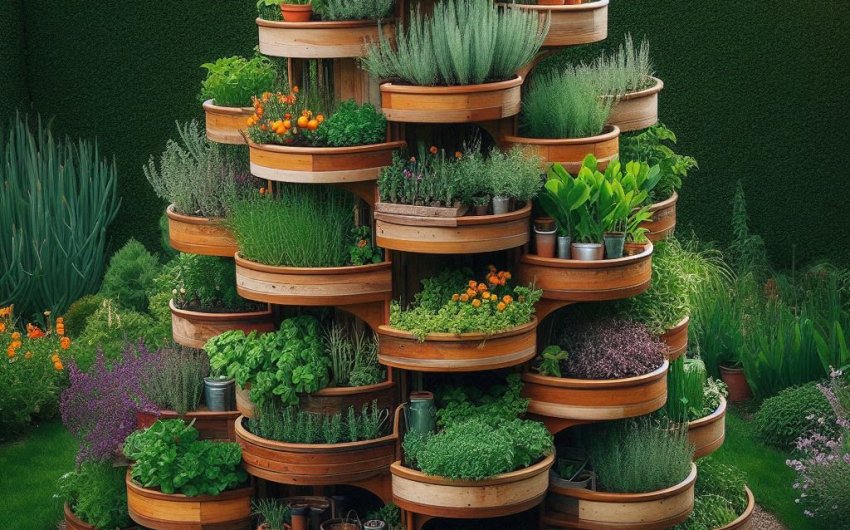
Dreaming of a garden overflowing with fresh, aromatic herbs, but short on space? Building a herb spiral garden might be the perfect solution! This clever, vertical design maximizes growing area and creates diverse microclimates, allowing you to cultivate a wide variety of herbs, each thriving in its ideal conditions. Get ready to transform your gardening approach and enjoy a bounty of flavors right outside your door.
What Exactly Is a Herb Spiral Garden?
A herb spiral garden is an ingenious and sustainable gardening system, a core concept in permaculture design. Imagine a raised garden bed that spirals upwards like a snail shell, creating a three-dimensional planting area. This unique design isn't just visually appealing; it's incredibly functional, allowing you to grow a wide array of herbs (and even some vegetables) in a relatively small footprint.
How Does It Work?
The magic of a herb spiral garden lies in its ability to create multiple microclimates within a single structure. A microclimate is essentially a small area that has a different climate from the general area around it.
- Sun Exposure: As the spiral rises, different sections naturally receive varying amounts of sunlight. The top, southern-facing side will be the warmest and sunniest, while the northern-facing lower sections will be cooler and shadier. This gradient allows you to place sun-loving herbs at the top and shade-tolerant herbs at the bottom.
- Drainage: Due to the sloped, spiral design, water naturally drains down from the top to the bottom. This creates distinct zones of moisture: the top will be the driest, while the base will be the wettest. This is perfect for herbs with different water requirements. For example, Mediterranean herbs like rosemary and thyme prefer well-drained, drier conditions, while mint and watercress thrive in more moisture.
- Temperature: The stones or bricks used to build the spiral absorb heat during the day and release it slowly at night, creating a slightly warmer environment within the spiral than the surrounding ground. The higher parts of the spiral will be warmer, and the lower parts cooler.
- Soil Richness: You can even vary the soil composition in different sections, adding more sand for herbs that prefer poor, gritty soil, or more organic matter for those that like rich, fertile conditions.
Benefits of a Herb Spiral Garden
- Space-Saving: This vertical design packs a lot of growing power into a small area, making it perfect for small gardens, patios, or even large balconies.
- Diverse Growing Conditions: As explained above, it naturally creates zones for sun/shade, dry/wet, and warm/cool, accommodating a wider range of herbs than a flat bed.
- Ergonomic: The raised nature of the spiral means less bending and kneeling for planting, weeding, and harvesting.
- Water Efficiency: The design promotes efficient water use, as excess water from the top trickles down to the bottom, minimizing waste. Many designs even incorporate a small pond or bog area at the very base to collect excess water for bog-loving plants.
- Aesthetic Appeal: A well-built herb spiral garden is a beautiful focal point in any garden, adding visual interest and a touch of unique design.
- Pest and Disease Management: Elevated plants can sometimes be less susceptible to ground-dwelling pests. The diversity of plants can also create a healthier mini-ecosystem.
In essence, building a herb spiral garden is about cleverly mimicking natural variations found in landscapes, but on a miniature scale, allowing you to grow a thriving and diverse collection of culinary and medicinal herbs with remarkable efficiency.
What Materials Do You Need to Build a Herb Spiral Garden?
Building a herb spiral garden requires a few key materials, primarily for the structure itself and then for filling it with soil. The beauty of this project is its flexibility – you can often use repurposed or readily available materials for the walls, making it a very sustainable choice.
1. Materials for the Structure/Walls
The most common materials for the spiral's walls are durable and can withstand the elements.
- Rocks or Stones: This is the most traditional and natural-looking choice. You'll need a significant amount, especially larger, flatter ones for the base and facing. They absorb and release heat, creating warmth for the herbs. You can often find suitable rocks locally, or purchase a bulk delivery of landscaping rocks.
- Bricks: Bricks offer a more formal or rustic look. They are uniform in size, which can make construction easier for beginners. You can use new bricks or reclaimed used bricks from demolition sites.
- Concrete Blocks/Cinder Blocks: These are economical and easy to stack. Their hollow cores can even be filled with soil and planted with small herbs or succulents for extra growing space. Look for standard concrete blocks at a hardware store.
- Reclaimed Concrete/Rubble: If you have access to broken concrete pieces (often called "urbanite") or other suitable construction rubble, this can be an excellent, free, and sustainable option. Just ensure it's free of harmful chemicals.
- Gabion Baskets: These are wire cages filled with rocks or other sturdy materials. They offer a very modern look and can be quickly assembled, then filled. You would need gabion baskets and appropriate fill material.
Quantity: The amount of material needed depends on the size and height of your desired spiral. A typical herb spiral might be 5-6 feet (1.5-1.8 meters) in diameter at the base and 2-3 feet (0.6-0.9 meters) high at its peak. It's always better to over-estimate slightly than run out halfway through.
2. Materials for Filling (Soil Mixes)
The fill material is crucial for nourishing your herbs and creating the various microclimates. You'll need a significant volume.
Base Layer (Drainage): At the very bottom, you might want a layer of coarse material for drainage, especially if you plan a pond at the base.
- Gravel or Crushed Rock: A layer of drainage gravel can help prevent waterlogging.
- Logs/Branches: A permaculture approach often involves a layer of decaying wood at the very bottom, which helps with water retention and releases nutrients as it breaks down (hugelkultur principle).
Main Fill (Soil Substrate): This will be the bulk of your spiral.
- Good Quality Topsoil: A bulk delivery of organic topsoil is a good start.
- Compost: Ample amounts of well-rotted garden compost are essential for enriching the soil, improving drainage, and boosting fertility. You'll want to mix this generously with your topsoil.
- Sand: For the drier, sunnier upper sections, you'll want to add coarse horticultural sand to improve drainage and create a lean, gritty soil that Mediterranean herbs prefer.
- Clay (Optional): For the very bottom, wettest section, if you're building a pond or bog area, a layer of natural clay can help seal it.
- Worm Castings: To boost soil life and fertility, a bag of organic worm castings can be mixed in.
3. Optional Materials
- Pond Liner: If you're incorporating a small pond or bog at the base, you'll need a piece of pond liner.
- Stakes and String: For marking out your spiral shape.
- Shovel, Wheelbarrow, Trowel, Rake: Standard gardening tools will be essential. A sturdy wheelbarrow is particularly helpful for moving rocks and soil.
- Measuring Tape: For precise measurements.
- Level: To ensure your walls are stable, particularly if using bricks or blocks.
Careful planning of materials, especially for the structure, can often make building a herb spiral garden an affordable and enjoyable DIY project. Don't be afraid to scavenge or repurpose!
How Do You Choose the Best Location for a Herb Spiral Garden?
Selecting the right location is perhaps the most crucial first step in building a herb spiral garden. The success of your diverse herb collection hinges on positioning the spiral where it can capture varying levels of sunlight, which in turn influences moisture and temperature zones.
1. Sunlight Exposure
- South-Facing is Ideal: The most important factor. To achieve the full range of microclimates, your herb spiral garden should be built in an area that gets as much sun as possible, ideally full sun for at least 6-8 hours a day, especially during the peak growing season.
- Orientation: When built in full sun, the south-facing side of the spiral will naturally receive the most direct sunlight and heat. This is where you'll plant your sun-loving, heat-loving, and drought-tolerant herbs. As the spiral curves around to the north, it will be progressively shadier and cooler.
- Avoid Overhanging Trees/Structures: While a little dappled afternoon shade in very hot climates might be okay for some herbs, generally avoid building under large trees or too close to tall buildings that will cast significant shade over the entire spiral for most of the day. If your only spot is somewhat shaded, you'll need to adjust your plant choices accordingly, favoring herbs that tolerate partial sun.
2. Drainage and Level Ground
- Well-Drained Site: Choose a spot that already has decent drainage. While the spiral's design helps with drainage, building on an already boggy area can lead to perpetually wet conditions, which most herbs (especially those at the top) won't appreciate.
- Relatively Level Ground: While you can compensate for slight slopes, starting on relatively level ground will make the construction process much easier and ensure stability. If the area is very uneven, you may need to do some preliminary grading.
3. Accessibility and Convenience
- Close to the Kitchen: One of the greatest joys of a herb spiral garden is having fresh herbs readily available for cooking. Locate your spiral close to your kitchen door or main outdoor living area for easy access. This encourages frequent use and harvesting.
- Water Source: Consider its proximity to a water source. While herbs generally don't need excessive watering once established, especially the dry-loving types, you'll still need to water during dry spells and for new plants. Hauling water long distances can be a chore.
- Visibility (Optional): Many people build herb spirals as a beautiful focal point in their garden. If aesthetics are important, choose a spot where the spiral can be admired.
4. Size and Scale
- Diameter: A common size for a herb spiral garden is about 5-6 feet (1.5-1.8 meters) in diameter at the base. This size is manageable for construction and provides enough surface area for a good variety of herbs. Make sure you have enough space for the spiral itself, plus room to walk around it for maintenance and harvesting.
- Height: The peak of the spiral typically rises 2-3 feet (0.6-0.9 meters) from the base.
5. Consider Local Regulations or Utilities
- Underground Utilities: Before you dig, even for shallow foundations, check for any underground utility lines (water, gas, electric, communication). In many regions, you can call a "dig safe" or "call before you dig" service to have lines marked for free.
- Setbacks: If your property has specific setback rules from property lines or structures, ensure your chosen location complies.
By carefully evaluating these factors, you'll be able to pinpoint the perfect spot for building a herb spiral garden that maximizes its functionality and aesthetic appeal, setting the stage for a thriving herbal oasis.
What Are the Step-by-Step Instructions for Building a Herb Spiral Garden?
Building a herb spiral garden is a rewarding DIY project that can be completed over a weekend, depending on its size and your chosen materials. Follow these steps for a sturdy and functional spiral.
Step 1: Mark Out the Spiral Base
- Find the Center: Drive a stake into the ground at the chosen center of your spiral. This will be the highest point.
- Determine Diameter: Decide on the diameter of your spiral. A common and manageable size is 5-6 feet (1.5-1.8 meters) across. Tie a string to the center stake that is half your desired diameter (e.g., 2.5-3 feet).
- Mark the Outer Circle: With a spray can or by dragging the end of the string in the dirt, draw a perfect circle on the ground for the base of your spiral.
- Mark the Inner Spiral: From the center, use a measuring tape or another string to mark out the spiral path. Start at the edge of your circle (which will be the lowest, wettest point) and draw a spiral inward towards the center stake. This will be the inner edge of your wall. Aim for a path that is about 1.5-2 feet (0.45-0.6 meters) wide, which allows enough planting space. You might want to practice drawing it a few times to get a smooth, appealing curve.
Step 2: Prepare the Base
- Clear the Area: Remove any existing grass, weeds, or debris from within your marked circle.
- Dig a Shallow Trench (Optional, but Recommended): For added stability, especially if using rocks or bricks, dig a shallow trench (about 2-4 inches deep and the width of your wall material) along your marked spiral lines. This helps anchor the first layer of materials. Ensure the trench is level, or gently slopes down if you're building on a slight incline.
- Lay Drainage Layer (Optional): If you're building on heavy clay soil, or if you plan to have a pond at the base, you can lay down a thin layer of gravel or small stones in the lowest trench area for extra drainage.
Step 3: Build the Walls
- Start at the Base (South Side): Begin laying your chosen material (rocks, bricks, concrete blocks) at the lowest point of the spiral (typically the outer edge, on the south-facing side). This will be the start of your upward-spiraling wall.
- Stack and Secure:
- Rocks: Choose flatter, larger rocks for the base. Stack them carefully, interlocking them like puzzle pieces to create a stable wall. Try to tilt the rocks slightly inward towards the center of the spiral for added stability.
- Bricks/Blocks: Lay them neatly, staggering joints like brickwork. You can use a small amount of mortar for extra stability, but it's often not necessary for a low-height spiral. A rubber mallet can help seat them firmly.
- Build Upwards: As you lay each layer of wall material, you will also gradually build up the soil behind it. The wall should steadily rise as it spirals inward towards the center. The highest point will be at the center stake.
- Create Planting Pockets: Ensure there's enough space (at least 1.5-2 feet) between the walls for planting. The path should be wide enough for your herbs to grow without being cramped.
- Small Pond/Bog (Optional): If incorporating a pond at the very base, dig a small depression at the lowest point of your spiral. Line it with pond liner, securing the edges under the bottom layer of your wall.
Step 4: Fill with Soil and Ameliorate Microclimates
This is where you create the varied growing conditions.
- General Fill: As you build the walls, immediately start filling the inside of the spiral with your main soil mix (topsoil mixed with generous amounts of garden compost).
- Top (Dry/Sunny) Zone: For the highest, most sun-exposed section, incorporate extra horticultural sand into the soil mix. This will create a lean, very well-drained, almost sandy loam perfect for Mediterranean herbs.
- Middle Zone: The middle sections will have a more balanced mix of topsoil and compost, suitable for herbs that prefer moderate moisture and sun.
- Bottom (Wet/Shady) Zone: The lowest sections and the pond/bog area should retain more moisture. Add extra compost and potentially a layer of clay (if using a pond liner) or heavy loam to help retain water. This zone is ideal for water-loving herbs.
- Tamp Gently: As you fill, gently tamp down the soil to remove large air pockets, but avoid over-compacting.
- Fill the Pond (If Applicable): If you created a pond, fill it with water now.
Step 5: Final Touches and Curing
- Settle: Once filled, give the spiral a good watering. This will help the soil settle. You might need to top up the soil in a few days as it settles further.
- Allow to "Cure" (Optional): If time permits, letting the spiral sit for a week or two allows the soil and structure to settle and for initial decomposition to begin.
You've built your herb spiral garden structure! Now it's ready for the exciting part: planting your herbs.
Which Herbs Are Best for a Herb Spiral Garden and Where to Plant Them?
The beauty of a herb spiral garden lies in its ability to cater to a diverse range of herbs, thanks to its built-in microclimates. Choosing the right herb for the right spot is key to success. Here’s a guide to popular herbs and their ideal locations within your spiral.
The Top (South-Facing, Warmest, Driest, Sunniest) Zone
This is the peak of your spiral, where the soil is leanest, driest, and receives the most intense sunlight and heat. These conditions mimic the native habitats of many Mediterranean herbs.
- Rosemary: Loves full sun, excellent drainage, and doesn't mind poorer soil.
- Thyme: Thrives in dry, well-drained soil and full sun. Many varieties available (creeping, lemon, common).
- Oregano: Similar to thyme, prefers hot, dry conditions and excellent drainage.
- Lavender: Needs full sun and very well-drained, even sandy soil.
- Sage: Prefers full sun and moderate to dry conditions.
- Marjoram: Similar needs to oregano, thriving in sunny, dry spots.
- Chives: Can tolerate these conditions, but will perform better with a bit more moisture.
- Bay Laurel: If you're in a warm enough climate (Zone 8+), a small Bay tree can be grown at the top, or grown in a pot that can be moved indoors in winter.
The Middle (Moderate Sun and Moisture) Zone
As you descend the spiral, this zone receives good sun but retains slightly more moisture and offers richer soil. It's suitable for many general-purpose herbs.
- Parsley: Prefers partial sun to full sun with consistent moisture.
- Cilantro: Needs good sun but can bolt (go to seed) quickly in intense heat, so a slightly cooler middle spot helps. Keep soil consistently moist.
- Dill: Likes full sun but also needs consistent moisture.
- Fennel: Prefers full sun and well-drained soil.
- Chamomile: Thrives in full sun to partial shade with moderate moisture.
- Tarragon (French): Likes full sun but needs consistent moisture and good drainage.
- Summer Savory: Prefers full sun and well-drained soil.
- Calendula: Needs full sun but is adaptable to various soil conditions.
- Stevia: Likes full sun and consistently moist soil, but not wet.
The Bottom (North-Facing, Coolest, Wettest, Shadiest) Zone
This lowest section of the spiral will be the coolest, shadiest, and most consistently moist, especially if you've incorporated a small pond or bog area at the base.
- Mint: This is the ideal spot for mint! Mint is notoriously vigorous and invasive, so containing it in the wet, low-lying area of the spiral (and potentially within a sunken pot if you're extra cautious) is perfect. Different varieties like peppermint, spearmint, or chocolate mint will thrive here.
- Lemon Balm: Similar to mint in its vigorous growth and preference for moist, shadier conditions.
- Watercress: If you have a true boggy or shallow pond area at the very base, watercress can thrive with its roots in water.
- Lovage: Prefers partial shade and consistently moist, rich soil.
- Chervil: Prefers cooler temperatures and partial shade.
- Comfrey: A large plant that thrives in moist, rich soil in sun to partial shade, making it a good candidate for the outer, lower rings if you have space. It's often used as a "chop and drop" fertilizer for other plants.
Planting Considerations
- Purchasing Plants: You can buy small herb plants from your local nursery or start them from herb seeds indoors before transplanting.
- Spacing: Remember to give your herbs enough space to grow to their mature size. Even though it's a spiral, overcrowding will reduce air circulation and vigor.
- Watering After Planting: Water all newly planted herbs thoroughly to help them settle into their new homes. For the first few weeks, monitor all zones for moisture, as they establish.
By carefully considering the light, moisture, and temperature preferences of each herb, you can effectively utilize the unique microclimates of your herb spiral garden to grow a diverse and thriving collection of culinary delights.
How Do You Care for Your Herb Spiral Garden?
Once your herb spiral garden is built and planted, ongoing care is relatively simple, but crucial for ensuring your herbs remain healthy, productive, and vibrant. The key is to understand the unique needs of each microclimate zone.
1. Watering
This is the most critical aspect of care in a herb spiral garden. The varied drainage means different zones will dry out at different rates.
- Top/Dry Zone: Herbs here (rosemary, thyme, sage, lavender) prefer to dry out between waterings. Water them less frequently than the lower zones. Overwatering can lead to root rot.
- Middle Zone: These herbs (parsley, cilantro, dill) prefer consistently moist soil, but not soggy. Check them regularly and water when the top inch or two of soil feels dry.
- Bottom/Wet Zone: Herbs like mint and lemon balm love consistent moisture and may appreciate more frequent watering, especially during hot spells. If you have a pond at the base, ensure it stays adequately filled.
- Observation is Key: The best way to know when to water is to feel the soil with your finger. If it feels dry, water. Adjust your watering frequency based on weather conditions (hot, windy days will require more frequent watering). A watering can with a long spout can help you reach all areas easily.
2. Fertilizing
With good initial soil preparation, a herb spiral garden often doesn't need heavy fertilizing. Most herbs actually prefer less fertile soil, which can concentrate their aromatic oils and flavor.
- Organic Matter: The best way to feed your herbs is to periodically top-dress the soil with a thin layer (1-2 inches) of well-rotted garden compost in spring or early summer. This provides a slow, steady release of nutrients and replenishes organic matter.
- Avoid Excess Nitrogen: Be cautious with high-nitrogen fertilizers, as they can promote lush leafy growth but may dilute the flavor of your culinary herbs.
3. Pruning and Harvesting
Regular pruning and harvesting are essential for keeping your herbs productive and preventing them from becoming leggy or going to seed prematurely.
- Pinch Back: For bushy herbs like basil, oregano, and marjoram, pinch off the top sets of leaves to encourage bushier growth and prevent flowering, which extends their harvest period.
- Trim as Needed: For woody herbs like rosemary and sage, trim regularly to maintain shape and promote new growth. Avoid cutting into old, woody stems unless necessary for renovation.
- Harvesting: Harvest regularly! This encourages the plant to produce more. Harvest in the morning after the dew has dried for the best flavor. Use clean herb snips for clean cuts.
- Deadheading (for flowering herbs): If your goal is more leaves, snip off flower buds from herbs like basil, chives, and mint as they appear. For herbs grown for their flowers (like chamomile), allow them to bloom.
4. Weed Control
The dense planting in a herb spiral garden can help suppress weeds, but some will inevitably appear.
- Hand-Weeding: Pull weeds promptly when they are small. This prevents them from competing with your herbs for resources and from going to seed.
- Mulching (Lightly): A very thin layer of fine organic mulch (like straw or leaf mold) can be used, but generally, the plants themselves, once mature, will provide a good living mulch. Avoid thick mulch in the dry zone.
5. Pest and Disease Management
- Healthy Plants: Well-cared-for herbs are more resistant to pests and diseases.
- Good Air Circulation: Ensure plants aren't too crowded to allow for airflow, which helps prevent fungal issues.
- Regular Inspection: Check your herbs regularly for signs of pests (aphids, spider mites) or diseases.
- Organic Solutions: For minor infestations, a strong spray of water can dislodge pests. For more persistent issues, an organic insecticidal soap spray can be effective.
6. Winter Protection (If Applicable)
In colder climates, some tender perennial herbs (like rosemary, some varieties of lavender) may need protection or to be moved indoors.
- Mulch: For hardier herbs, a layer of straw or shredded leaves around the base can provide insulation.
- Potted Herbs: If you've placed tender herbs in pots within the spiral, you can easily lift them and bring them inside for winter.
- Trim Back: Cut back dormant perennials in late fall or early spring.
By providing consistent, tailored care to the different zones within your herb spiral garden, you'll ensure a bountiful and flavorful harvest throughout the growing season.
What Are the Benefits of a Herb Spiral Garden for Sustainable Living?
A herb spiral garden is not just a clever design; it's a shining example of sustainable living principles put into practice. Its inherent efficiency and ecological advantages make it a cornerstone of permaculture and a fantastic addition to any environmentally conscious home.
1. Maximized Space and Resources
- Vertical Gardening: The most obvious benefit is its incredibly efficient use of space. By going vertical, a herb spiral garden allows you to grow a large number of diverse herbs in a footprint that might only accommodate a few plants in a traditional flat bed. This is perfect for urban dwellers, small yards, or even large balconies.
- Optimized Microclimates: As previously discussed, the spiral naturally creates a range of sun/shade, wet/dry, and warm/cool zones. This means you can grow a wider variety of plants, each in its preferred conditions, leading to healthier, more productive plants without needing separate dedicated beds for different needs. This optimized environment reduces plant stress and the need for external inputs.
2. Water Conservation
- Gravity-Fed Irrigation: The design of the herb spiral garden promotes efficient water use. When you water the top, excess moisture naturally trickles down through the spiral, irrigating the lower levels. This gravity-driven system ensures that water is distributed effectively, minimizing runoff and waste.
- Reduced Evaporation: The density of planting, combined with the thermal mass of the rocks or bricks, helps shade the soil and keep it cooler, reducing water evaporation compared to exposed flat beds. If you incorporate a pond at the base, it can act as a water reservoir and habitat.
3. Reduced Waste and Resource Use
- Repurposed Materials: The structural walls of a herb spiral garden are often built using reclaimed materials like broken concrete, old bricks, or local stones. This reduces waste in landfills and the need for new, energy-intensive manufacturing.
- Less Transportation: By growing your own herbs, you reduce reliance on commercially grown herbs that often travel long distances, cutting down on transportation-related carbon emissions and packaging waste.
4. Enhanced Soil Health
- Organic Matter: When you initially fill your herb spiral garden, you incorporate significant amounts of organic garden compost and other rich materials. This creates a highly fertile and biologically active soil environment from the start.
- No-Till Potential: Once established, a herb spiral requires minimal soil disturbance, maintaining the delicate soil structure and supporting a thriving community of beneficial microbes and earthworms. These organisms naturally improve soil fertility and plant health.
- Nutrient Cycling: As plants grow and shed leaves, and as you add occasional compost, nutrients are naturally cycled within the system, reducing the need for synthetic fertilizers.
5. Increased Biodiversity and Ecosystem Support
- Plant Diversity: The ability to grow a wide range of herbs in one compact area inherently increases plant diversity in your garden. This rich mix of plants can attract more beneficial insects (pollinators like bees and butterflies, and natural pest predators), creating a more resilient ecosystem.
- Pollinator Support: Many herbs, when allowed to flower, produce blooms that are excellent sources of nectar and pollen for local pollinators. A small solar-powered bird bath can also be added nearby to provide a water source for beneficial insects.
- Reduced Chemical Use: By design, herb spiral gardens encourage organic growing practices. There's no need for synthetic pesticides or herbicides when you have healthy soil and a diverse range of plants.
In essence, building a herb spiral garden is a practical and beautiful way to contribute to a more sustainable lifestyle. It provides fresh, healthy produce, conserves precious resources, and nurtures a thriving micro-ecosystem, all from a compact, intelligently designed space. It embodies the permaculture principle of "stacking functions"—getting multiple benefits from one element.