
How to Care for Bonsai Trees: A Beginner's Guide
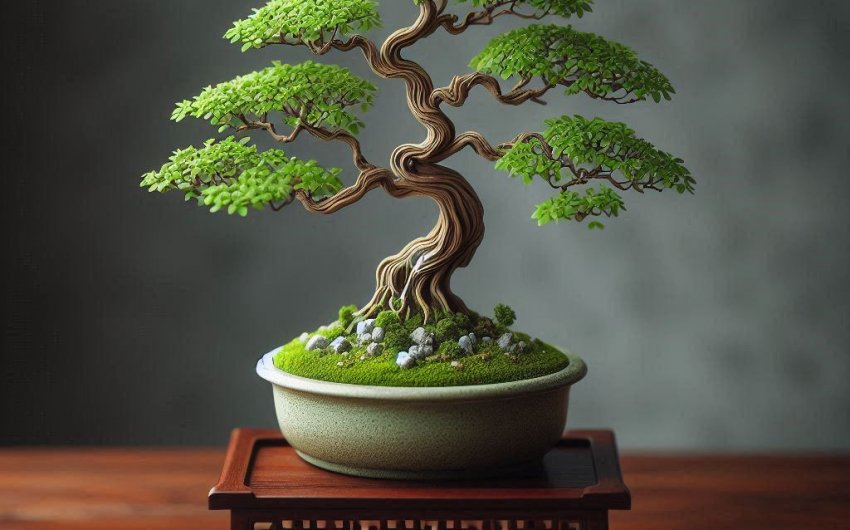
Bringing a miniature tree into your home or garden can be a truly rewarding experience. Learning how to care for bonsai trees involves understanding their unique needs, from precise watering to careful shaping. Far from being a houseplant, a bonsai is a living art form, a tiny tree that needs specific conditions to thrive. This comprehensive guide will equip you with the knowledge to nurture your very own masterpiece, ensuring its health and beauty for years to come.
What Exactly is a Bonsai Tree?
Before diving into the specifics of how to care for bonsai trees, it's important to understand what a bonsai truly is. The word "bonsai" (pronounced bone-sigh) is a Japanese term that literally translates to "planted in a container." It's not a specific species of tree; rather, it's an art form where regular trees and shrubs are cultivated to remain small and grow in containers, mimicking the appearance of mature, full-sized trees in nature.
The art of bonsai has been practiced for centuries, originating in China before being developed further in Japan. It involves a combination of horticulture (the science of growing plants) and aesthetics (the principles of beauty). The goal is to create a miniature tree that evokes the grandeur and natural beauty of its full-sized counterparts, often portraying scenes from nature, such as ancient trees clinging to cliffs or sprawling in open fields.
Key Characteristics of Bonsai
- Miniaturization: This is the most striking feature. Through various techniques like precise pruning of branches and roots, wiring, and careful environmental control, bonsai artists keep trees small while maintaining their mature appearance.
- Container Grown: Bonsai are always grown in specialized, shallow pots. These pots are carefully chosen to complement the tree, becoming an integral part of the overall artistic composition. The limited space in the pot restricts root growth, which in turn limits top growth.
- Aesthetic Principles: Bonsai isn't just about keeping a tree small. It's about artistic expression. Bonsai artists follow established styles (like formal upright, informal upright, slanted, cascade, semi-cascade, forest, etc.) that dictate the shape of the trunk, branches, and overall form. The tree should ideally appear aged and natural, even though it's miniature.
- Continuous Cultivation: A bonsai is never truly "finished." It requires ongoing care, including regular watering, feeding, pruning, and sometimes repotting and wiring, to maintain its shape, health, and artistic vision. It's a living sculpture that evolves over time.
What is NOT a Bonsai?
- A "Bonsai Tree" species: There's no such thing as a "bonsai tree" species. Any tree or shrub species that can be cultivated in a container and responds well to the necessary training techniques can potentially become a bonsai. Common choices include Japanese Maples, Ficus, Junipers, Pines, Elms, and many more.
- A Dwarf Variety: While some dwarf varieties of trees exist, they are not automatically bonsai. A dwarf tree simply grows naturally small. A bonsai, on the other hand, is a full-sized tree kept small through careful cultivation.
Understanding that a bonsai is a normal tree skillfully cultivated in miniature form is the first step to truly appreciating the art and mastering how to care for bonsai trees. It's a commitment to a living art piece that brings a piece of nature into your immediate environment.
Where Should You Place Your Bonsai Tree?
The placement of your bonsai tree is one of the most critical decisions when learning how to care for bonsai trees. It directly impacts its health and survival, as different tree species have different light and temperature needs. The most common mistake beginners make is treating all bonsai like indoor houseplants.
Outdoor vs. Indoor Bonsai
The first and most important distinction is whether your bonsai is an outdoor species or an indoor species.
Outdoor Bonsai (Temperate Species)
The vast majority of traditional bonsai species are outdoor trees. This includes maples, pines, junipers, elms, oaks, and most flowering or fruiting deciduous trees.
- What they need: These trees require the natural cycle of seasons, including a period of winter dormancy (cold temperatures) to thrive and survive long-term. They need fresh air, sunlight, and natural changes in temperature and humidity.
- Best Placement: Outdoors, in a location that provides the right amount of sunlight for that specific species (e.g., full sun for pines, partial shade for maples in hot climates). They need protection from extreme heat (intense afternoon sun in summer), extreme cold (freezing winds, prolonged deep freezes), and heavy precipitation (like hail or torrential rain).
- Winter Care: During winter, they need to be protected from freezing winds and cycles of thawing and refreezing, but they still need to be cold. This often involves placing them in an unheated garage, shed, cold frame, or burying their pots in the ground.
- Do NOT bring indoors: Bringing outdoor bonsai indoors for prolonged periods, especially in winter, can disrupt their natural cycles, weaken them, and ultimately kill them because they don't get the necessary dormancy.
Indoor Bonsai (Tropical and Subtropical Species)
Only tropical and subtropical tree species can genuinely thrive indoors year-round because they do not require a cold dormancy period. The most common indoor bonsai is the Ficus. Other examples include Chinese Elm (though some varieties are semi-deciduous and can also be grown outdoors in warmer climates), Portulacaria afra (Dwarf Jade), and various tropical scheffleras.
- What they need: Consistent warm temperatures, high humidity, and bright light.
- Best Placement: Indoors, near a bright window (south-facing is often ideal), where they receive plenty of indirect or direct sunlight. Rotate the tree regularly to ensure all sides get light.
- Humidity: Indoor environments are typically dry, especially with heating or air conditioning. Indoor bonsai often require increased humidity through daily misting, using a humidity tray (a tray filled with pebbles and water, making sure the pot sits above the water line), or a room humidifier.
- Temperature: Protect from cold drafts (e.g., near exterior doors or drafty windows) and sudden temperature fluctuations.
- Summer Outdoors (Optional): Many indoor bonsai benefit from spending the summer outdoors when temperatures are consistently warm, but gradually acclimatize them to brighter light.
Specific Light Requirements
Once you've identified whether your bonsai is an indoor or outdoor species, consider its specific light needs.
- Full Sun: Most conifers (Pines, Junipers) and many deciduous trees (Elms, Maples) prefer full sun (6+ hours of direct sunlight) for optimal growth and health.
- Partial Sun/Bright Indirect: Some species, particularly maples in very hot climates, can benefit from afternoon shade to prevent leaf scorch. Indoor bonsai often thrive in bright, indirect light rather than scorching direct sun.
By correctly identifying your bonsai's species and understanding its environmental requirements, you're well on your way to mastering how to care for bonsai trees and providing a thriving home for your miniature work of art.
How Often Should You Water Your Bonsai Tree?
Watering is perhaps the most critical and often misunderstood aspect of how to care for bonsai trees. It's both an art and a science. The shallow pots and specialized soil mixes mean bonsai dry out much faster than garden plants, requiring frequent and precise attention.
The Golden Rule: Water When Needed, Not on a Schedule
There's no universal "water every day" rule. The frequency of watering depends on many factors:
- Tree Species: Some trees (e.g., Maples, Azaleas) prefer more moisture than others (e.g., Junipers, Pines, Ficus).
- Season: Bonsai need much more water during active growth (spring/summer) than during dormancy (winter).
- Climate/Weather: Hot, dry, windy weather dries out pots much faster. Cool, humid, or rainy weather means less frequent watering.
- Pot Size: Smaller pots dry out faster.
- Soil Type: Well-draining bonsai soil dries faster than standard potting mix.
How to Tell When Your Bonsai Needs Water
The best way to determine if your bonsai needs water is to check the soil moisture directly.
- Feel the Soil: Stick your finger about half an inch to an inch (1-2.5 cm) into the top layer of the soil. If it feels dry, it's likely time to water. If it still feels moist, check again later.
- Observe Soil Color: Dry soil often appears lighter in color than moist soil.
- Lift the Pot: A dry pot will feel significantly lighter than a recently watered one. This takes some practice to learn the difference.
- Chopstick Method: Insert a wooden chopstick into the drainage hole from the bottom, or gently push it into the soil from the top. Leave it for a few minutes. If the stick is dark and moist when removed, the tree doesn't need water. If it's light and dry, water thoroughly.
How to Water Your Bonsai
When you do water, do so thoroughly and completely.
- Water from Above: Use a watering can with a fine rose or a bonsai watering can to avoid disturbing the soil.
- Apply Water Until it Drains: Water slowly and evenly over the entire surface of the soil. Apply water until it freely drains out of the bottom drainage holes. This ensures that the entire root ball is saturated.
- Repeat (If Needed): For very dry soil, the first watering might just run off. Wait 5-10 minutes for the water to soak in, then water again until you see drainage. This "double watering" ensures deep saturation.
- Don't Let it Sit in Water: Never let your bonsai sit in a tray of standing water for prolonged periods, as this can lead to root rot. If you use a humidity tray, ensure the pot is elevated on pebbles above the water level.
Common Watering Mistakes to Avoid
- Underwatering: The most common cause of bonsai death. Leads to shrivelled leaves, brittle branches, and eventually death.
- Overwatering: Almost as dangerous as underwatering. Constantly soggy soil deprives roots of oxygen, leading to root rot and plant death. Symptoms can sometimes look similar to underwatering (wilting leaves).
- Using a Schedule: Watering "every Tuesday" without checking the soil ignores the varying needs of the tree and environment.
- Shallow Watering: Only moistens the top layer of soil, leaving the deeper roots dry.
Mastering watering is fundamental to how to care for bonsai trees. It requires observation, consistency, and a willingness to adapt your habits to the specific needs of your unique miniature tree.
What Kind of Soil and Fertilization Does a Bonsai Tree Need?
The soil and fertilization for bonsai trees are vastly different from what you'd use for regular potted plants. They are crucial components of how to care for bonsai trees, directly influencing the tree's health, growth, and ability to stay contained in its shallow pot.
Bonsai Soil: The Importance of Drainage and Aeration
Traditional potting soil (the kind you buy for houseplants) is too heavy and retains too much water for bonsai. Bonsai soil mixes are engineered for specific properties:
- Excellent Drainage: Prevents waterlogging and root rot. Water must flow freely through the pot.
- Good Aeration: Roots need oxygen. A coarse, open soil mix allows air pockets to remain even after watering.
- Moisture Retention: While draining well, the soil particles must also retain enough moisture to provide water to the roots between waterings.
- Nutrient Retention: The soil needs to be able to hold onto nutrients, but without becoming overly dense.
Common Bonsai Soil Components:
Bonsai soil mixes are typically a blend of inorganic materials, sometimes with a small amount of organic matter.
- Akadama: This is a key component in many traditional Japanese bonsai mixes. It's a hard-baked clay granular that drains well, retains water, and holds nutrients. Over time, it breaks down, indicating when repotting is needed. A bag of Akadama bonsai soil is a good start.
- Pumice: A lightweight, porous volcanic rock that offers excellent drainage and aeration while retaining some moisture.
- Lava Rock: Similar to pumice, providing good drainage and aeration. It's heavier than pumice.
- Kiryu/Kanuma: Specialized grans for specific trees (e.g., Kiryu for pines/conifers, Kanuma for azaleas due to its acidity).
- Horticultural Grit/Gravel: Small, coarse particles (like decomposed granite or fine gravel) add drainage and weight.
- Organic Components (in small amounts): High-quality composted bark, coir, or peat moss can be added for moisture and nutrient retention, but usually in very small percentages (e.g., 10-20%) for most species, or slightly more for very thirsty trees.
Mixing Your Own Soil:
A common beginner mix might be 1 part Akadama, 1 part pumice, 1 part lava rock. Adjust ratios based on your climate (more water retention in hot, dry areas) and tree species (more drainage for pines, more organic for maples). You can purchase pre-mixed bonsai soil if you're unsure.
Fertilizing Your Bonsai Tree
Because bonsai soil is very free-draining and contains little organic matter, nutrients quickly leach out. Therefore, regular fertilization is essential for how to care for bonsai trees and keep them healthy.
Timing:
- Growing Season: Fertilize regularly during the tree's active growing season (spring and summer for outdoor bonsai; year-round for indoor tropicals, slightly reduced in winter).
- Dormancy: Do not fertilize outdoor bonsai during their winter dormancy period.
- After Repotting: Wait at least 4-6 weeks after repotting before resuming fertilization to allow roots to heal.
Type of Fertilizer:
- Balanced N-P-K: Look for a balanced fertilizer (e.g., 10-10-10 or 20-20-20) or one with slightly higher phosphorus (P) for root development and potassium (K) for overall plant health.
- Slow-Release Pellets: Many bonsai enthusiasts prefer slow-release bonsai fertilizer pellets placed on the soil surface, which release nutrients gradually with each watering.
- Liquid Fertilizers: Can also be used, but must be diluted significantly. "Weakly, weekly" or "weakly, bi-weekly" is a good motto – meaning dilute to half or quarter strength and apply more frequently. A liquid bonsai fertilizer is a common choice.
- Organic vs. Chemical: Both can be used. Organic fertilizers tend to release nutrients more slowly and can improve soil life. Chemical fertilizers are more precise but require careful dilution to avoid root burn.
Application:
- Always water your bonsai thoroughly before fertilizing to prevent root burn.
- Follow the package instructions carefully, and when in doubt, use less than recommended. It's safer to under-fertilize slightly than to over-fertilize.
Proper soil and consistent, appropriate fertilization are vital for strong growth and the overall well-being of your bonsai, playing a significant role in mastering how to care for bonsai trees.
How Do You Prune and Shape Your Bonsai Tree?
Pruning and shaping are the artistic heart of how to care for bonsai trees. These techniques are what allow you to maintain the tree's miniature size, define its form, and create the illusion of age. While daunting at first, with practice and understanding, they become incredibly rewarding.
1. Pruning (Maintaining Size and Health)
Pruning is essential for both the health and size management of your bonsai. It involves removing parts of the tree.
A. Maintenance Pruning (Pinching and Trimming)
This type of pruning is done regularly throughout the growing season to maintain the tree's shape, encourage ramification (fine branching), and promote overall vigor.
- Purpose: Keeps the canopy dense and compact, stimulates back-budding (new shoots closer to the trunk), and directs energy where you want it.
- When to do it: Continuously during the active growing season as new shoots emerge and extend.
- How to do it:
- Pinching: For many deciduous and some conifer species, you'll pinch off new, soft shoot tips with your fingers or fine shears. For example, if a shoot has grown 6-8 leaves, you might pinch it back to 2-3 leaves. This stops outward growth and encourages two new buds to form behind the pinch, increasing branching.
- Trimming: Use sharp bonsai shears to cut back longer branches or shoots to maintain the desired silhouette and ramification. Always cut just above a bud or a smaller side branch that is pointing in the direction you want new growth to go.
- Defoliation (Partial or Full): For some deciduous species, removing all or part of the leaves in mid-summer can trigger a flush of smaller new leaves, helping to miniaturize the foliage and promote ramification. This is an advanced technique and should only be done on very healthy, strong trees.
B. Structural Pruning (Major Branch Removal)
This involves removing larger branches to define the overall shape, create taper (a gradual reduction in trunk and branch thickness), and eliminate unwanted growth.
- Purpose: To establish the basic form of the tree and refine its silhouette.
- When to do it: Typically in late winter or early spring, just before new growth begins, or in late summer after the main growth flush has hardened off. Avoid major pruning during intense heat or cold.
- How to do it: Use sharp bonsai concave cutters to make clean cuts flush with the trunk or main branch. Concave cutters leave a concave wound that heals more smoothly than a flat cut, eventually disappearing. Consider where the new branch will emerge relative to the cut.
2. Shaping (Directing Growth)
While pruning removes parts of the tree, shaping techniques are used to direct the growth of branches and the trunk into specific positions.
A. Wiring
This is the most common and effective shaping technique.
- Purpose: To bend branches and the trunk into desired positions that emulate natural tree forms.
- When to do it: During the active growing season when branches are flexible. For some species, it can be done year-round if the branch is not too stiff.
- How to do it: Use specialized bonsai training wire (aluminum or copper). Wrap the wire around the branch or trunk at a 45-degree angle, making sure the coils are even and snug but not too tight. Bend the wired branch into the desired position.
- Monitoring: Regularly check the wire to ensure it's not cutting into the bark as the branch thickens. Remove the wire before it causes damage (usually a few weeks to several months, depending on growth rate). Once the branch holds its new position, the wire can be removed.
- Tools: Wire cutters for bonsai are essential for safe removal.
B. Guy Wires
For very thick branches or trunks that are difficult to bend with direct wiring, a guy wire can be used. This involves anchoring a wire from the branch to the pot or another part of the tree to pull it into position.
C. Branch Spreading
Using small props, weights, or branch jacks can help gently lower branches without wiring, especially for more mature or brittle branches.
Safety and Cleanliness
- Sharp Tools: Always use sharp, clean bonsai tools. Dull tools tear tissue and increase the risk of disease.
- Sterilize: Sterilize your tools between trees, especially if you're pruning a diseased branch, using rubbing alcohol or a flame.
- Cut Paste (Optional): For larger cuts, some bonsai artists apply bonsai cut paste to help protect the wound and promote faster healing, especially for outdoor trees.
Mastering pruning and shaping requires patience, observation, and an understanding of your tree's growth habits. It's a continuous process that allows your bonsai to evolve into a unique and beautiful living sculpture, truly embodying the art of how to care for bonsai trees.
When and How Should You Repot Your Bonsai Tree?
Repotting is a vital, yet often intimidating, part of how to care for bonsai trees. It's not just about giving the tree a new pot; it's about renewing the soil, maintaining a healthy root system, and controlling the tree's growth and vigor.
Why Repotting is Necessary
In its shallow pot, a bonsai tree's roots quickly fill the container, becoming root-bound.
- Depleted Soil: Over time, the excellent drainage of bonsai soil also means nutrients are washed away, and the inorganic components can break down, reducing aeration and drainage.
- Root Bound: When roots become too dense, they choke each other out, reduce the tree's ability to absorb water and nutrients, and limit new growth.
- Maintain Size: Root pruning, done during repotting, is one of the primary techniques for keeping the tree miniature.
When to Repot
The frequency of repotting depends primarily on the tree species, its age, and its growth rate.
- Young, Vigorous Trees: May need repotting every 1-2 years.
- Mature, Slower-Growing Trees: May need repotting every 3-5 years, or even longer for very old, established trees.
- Timing:
- Deciduous Trees: Best done in early spring, just as the buds begin to swell but before leaves fully emerge. This allows the tree to recover quickly with the surge of spring growth.
- Conifers: Also best in early spring, before or just as the candles (new growth) start to push.
- Tropical/Indoor Bonsai: Can often be repotted at any time of year if conditions (warmth, humidity) are favorable, but spring is usually optimal as growth resumes.
- Signs It's Time to Repot:
- Water drains very slowly or pools on the surface.
- Roots are circling vigorously around the inside of the pot when you lift the tree.
- Roots are growing out of the drainage holes.
- The tree's growth has slowed, and it looks generally unhealthy despite proper watering and feeding.
How to Repot Your Bonsai Tree
Preparation:
- Tools: Gather your bonsai repotting tools: root hook/root rake, sharp root shears, chopstick, wire cutters, and new bonsai soil.
- New Pot (Optional): You can use the same pot (cleaned) or move to a slightly larger or smaller pot depending on your design goals. Ensure it has drainage holes and screen for them.
- Wire for Anchoring: Prepare lengths of plastic-coated wire or copper/aluminum wire to anchor the tree securely in the pot after repotting.
- Water Tree: Water the tree thoroughly a day or two before repotting so the soil is moist but not saturated.
Remove the Tree from the Pot:
- Gently slide a bonsai root hook around the inside edge of the pot to loosen the root ball.
- Carefully tip the pot and slide the tree out, supporting the trunk and root ball. If the tree is anchored, use wire cutters to snip the anchor wires from below.
Root Pruning:
- Use the root hook or rake to gently untangle and loosen the outer, circling roots. Work from the bottom up and outwards.
- With sharp bonsai root shears, prune back about 1/4 to 1/3 of the outer, thick, circling roots. Focus on removing thick, woody roots that don't absorb water well, and leave plenty of fine, fibrous feeder roots. Avoid removing too much, as this can shock the tree.
- Trim any roots growing straight down ("taproots") if present. The goal is to encourage a wide, flat root mat that spreads horizontally.
Prepare the Pot:
- Place a drainage screen over the drainage holes. You can secure it with wire.
- Thread your anchoring wires up through the drainage holes.
- Add a thin layer of fresh bonsai soil mix at the bottom of the pot.
Place and Anchor the Tree:
- Position the tree in the pot, adjusting its height and angle for the best aesthetic.
- Thread the anchor wires over a main root or through the base of the root ball and twist them tightly together on the underside of the pot to secure the tree firmly. This prevents movement that can damage new feeder roots.
Backfill with New Soil:
- Carefully fill around the root ball with fresh bonsai soil. Use a chopstick or a thin stick to gently work the soil down into all the gaps and air pockets among the roots. Tap the pot gently to help settle the soil. Fill just below the rim of the pot.
Post-Repotting Care:
- Water Thoroughly: Water deeply until water drains clear from the bottom.
- Shade and Shelter: Place the freshly repotted bonsai in a sheltered, shaded location for 2-4 weeks. This protects it from harsh sun and wind while the roots recover.
- Avoid Fertilizer: Do not fertilize for at least 4-6 weeks after repotting to allow the roots to heal and new feeder roots to develop.
- Monitor: Keep a close eye on watering. The new soil may drain faster initially.
Repotting is a stressful event for a bonsai, but a necessary one for its long-term health and vitality. Mastering this skill is a crucial part of knowing how to care for bonsai trees as a committed enthusiast.
How Do You Protect Your Bonsai Tree from Pests and Diseases?
Protecting your bonsai from pests and diseases is an ongoing aspect of how to care for bonsai trees. While they are miniature, bonsai are still living trees and are susceptible to many of the same issues as full-sized trees. Vigilance and early intervention are key to keeping your tiny masterpiece healthy.
1. Prevention is the Best Defense
- Healthy Trees: A strong, healthy bonsai is much more resistant to pests and diseases. Ensure proper watering, correct light, appropriate soil, and consistent fertilization. Stressed trees are more vulnerable.
- Good Air Circulation: Overcrowded branches or dense foliage can create humid, stagnant conditions that favor fungal diseases. Regular pruning helps improve airflow.
- Cleanliness: Remove any fallen leaves, dead branches, or debris from the pot surface and around the tree. This eliminates hiding spots for pests and breeding grounds for diseases. Regularly clean your tools (with rubbing alcohol) to prevent spreading pathogens between trees.
- Quarantine New Plants: Before introducing any new bonsai or nursery plant to your collection, isolate it for 2-4 weeks. Inspect it daily for any signs of pests or diseases before placing it with your other trees.
- Inspect Regularly: Make it a habit to closely examine your bonsai at least once a week, ideally during watering. Look at the tops and undersides of leaves, stems, and the trunk. Early detection makes treatment much easier.
2. Common Bonsai Pests and How to Deal with Them
If you spot pests, aim for the least toxic and most targeted solution first.
- Aphids: Small, soft-bodied insects (green, black, red, or brown) that cluster on new growth and suck plant sap, causing distorted leaves.
- Solution: A strong spray of water can dislodge them. For persistent infestations, use a ready-to-use organic insecticidal soap spray, ensuring to cover the undersides of leaves.
- Spider Mites: Tiny arachnids that cause yellowing or bronzing of leaves and fine webbing, especially on the undersides. They thrive in hot, dry conditions (common on indoor bonsai).
- Solution: Increase humidity (mist daily, use a humidity tray). Spray with insecticidal soap or neem oil spray for plants (a natural pesticide/fungicide derived from neem tree seeds).
- Mealybugs: White, cottony insects that cling to stems and leaf axils, sucking sap.
- Solution: For small infestations, dab them with a cotton swab dipped in rubbing alcohol. For larger issues, use insecticidal soap or neem oil.
- Scale: Small, immobile bumps (brown, black, or white) on stems and branches. They are hard-shelled and suck sap.
- Solution: Light infestations can be scraped off with a fingernail or soft brush. Treat with horticultural oil (dormant oil in winter or summer oil during growing season, carefully following instructions) or systemic insecticides for severe cases (if you are not strictly organic).
- Caterpillars/Larvae: Chewing insects that can quickly defoliate a tree.
- Solution: Hand-pick and remove them. For larger infestations, use a bacterial insecticide like Bt (Bacillus thuringiensis), which is organic and specific to caterpillars.
3. Common Bonsai Diseases and How to Deal with Them
Most bonsai diseases are fungal and are often linked to poor air circulation, overwatering, or prolonged humidity.
- Powdery Mildew: White, powdery spots on leaves, especially in humid conditions.
- Solution: Improve air circulation. Spray with a baking soda solution (1 teaspoon baking soda in 1 quart water with a few drops of dish soap) or an organic copper fungicide if severe.
- Rust: Orange, powdery spots on leaves (often on the undersides) that can resemble rust.
- Solution: Remove affected leaves. Improve air circulation. Use a specific fungicide if persistent.
- Root Rot: The most dangerous disease, caused by overwatering or poor drainage. Symptoms include wilting, yellowing leaves, and a general decline, often mimicking underwatering.
- Solution: Immediately stop overwatering. Improve drainage. If severe, repot the tree, pruning away rotten, mushy roots, and replant in fresh, well-draining bonsai soil. Prevention through proper watering is crucial.
4. General Best Practices
- Read the Label: Always read and follow the instructions on any pesticide or fungicide product you use, even organic ones.
- Test First: If using a new product, test it on a small, inconspicuous part of the tree first to ensure no adverse reaction.
- Integrated Pest Management (IPM): Combine methods: prevention, cultural control (air circulation, watering), mechanical removal (hand-picking), biological control (beneficial insects), and finally, least-toxic chemical control as a last resort.
By being observant and proactive, you can effectively manage pests and diseases, ensuring your bonsai remains a healthy and captivating part of your living art collection. Knowing how to care for bonsai trees includes safeguarding their well-being from these common threats.