
Best Soil Mix for Succulents: A Complete Guide
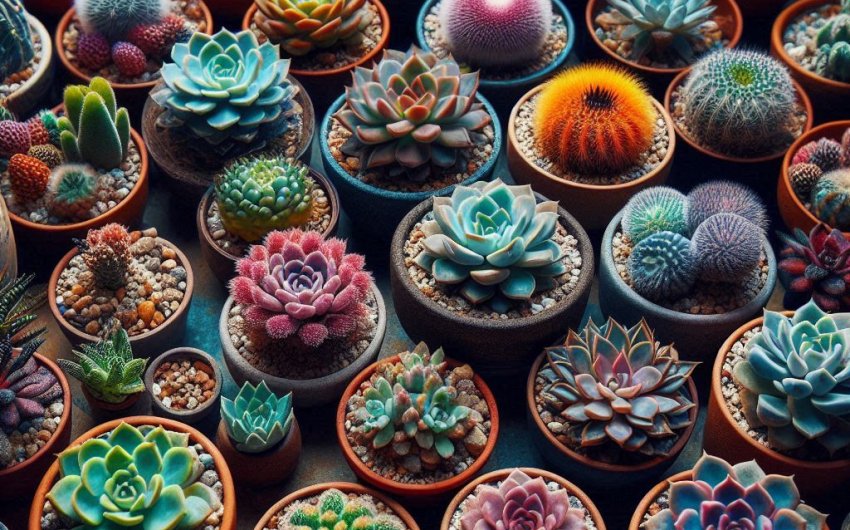
Succulents are adored for their striking forms and low-maintenance reputation, but their secret to thriving lies beneath the surface: the right soil. Unlocking the best soil mix for succulents is fundamental to their health, preventing common issues like root rot and ensuring vigorous growth. This guide will delve into what makes an ideal succulent soil, helping you create the perfect foundation for your cherished collection.
Why Do Succulents Need Special Soil?
Understanding why succulents require a specific type of soil is the first step in providing the best soil mix for succulents. These fascinating plants have evolved in some of the world's harshest, driest environments, developing unique adaptations to survive where other plants cannot. Their soil needs are a direct reflection of their desert and arid homeland.
Water Storage Adaptations
The most defining characteristic of succulents is their ability to store water in their fleshy leaves, stems, or roots. This is their survival mechanism against prolonged periods of drought.
- Fleshy Leaves: Think of a plump Echeveria or a thick-leaved Aloe; these are natural water reservoirs.
- Thick Stems: Cacti, with their ribbed or columnar stems, are prime examples of stem-succulents.
- Swollen Roots: Some succulents store water primarily underground in their root systems.
Because they store their own water, succulents do not need to constantly absorb it from the soil. In fact, consistently wet soil is their arch-enemy.
The Problem with Standard Potting Soil
Most commercially available standard potting soils are designed for plants that prefer consistent moisture, like typical houseplants or vegetables. These soils usually contain a high percentage of organic matter (like peat moss or coco coir) and fine particles that are excellent at retaining water for long periods.
- Water Retention: While good for moisture-loving plants, this characteristic is detrimental to succulents. When succulents sit in damp soil for too long, their roots, which are not adapted for constant moisture, begin to suffocate and rot. This condition, known as root rot, is the leading cause of death for container-grown succulents.
- Poor Drainage: Standard potting mixes often become compacted over time, further inhibiting water flow and air circulation around the roots.
- Lack of Aeration: Roots, like all living tissues, need oxygen. Dense, soggy soil deprives succulent roots of the air they need to respire, contributing to their demise.
What Makes an Ideal Succulent Soil?
The best soil mix for succulents prioritizes two critical factors:
- Excellent Drainage: Water must pass through the soil quickly and efficiently, preventing prolonged wetness around the roots.
- Superior Aeration: The soil must remain loose and airy, providing ample oxygen to the root system even after watering.
By providing a fast-draining, airy medium, you mimic the conditions found in their natural rocky, sandy habitats. This allows their roots to dry out completely between waterings, preventing rot and encouraging the robust root development necessary for a healthy, thriving succulent. It's not about providing "nutrients" as much as it is about providing the right structural environment.
What Are the Key Components of the Best Soil Mix for Succulents?
Crafting the best soil mix for succulents involves combining specific ingredients, each playing a vital role in ensuring rapid drainage and excellent aeration. You'll typically combine organic components for light nutrient and water retention with inorganic materials for structure and porosity.
1. Organic Component (Base)
While succulents need fast drainage, they still need some organic material to provide light nutrients and retain a minimal amount of moisture for absorption. This usually forms a smaller percentage of the overall mix compared to traditional potting soil.
- Coarse Potting Mix / Cactus & Succulent Mix: Start with a base of a good quality cactus and succulent potting mix. These are often formulated with a higher ratio of perlite or sand than general potting mixes, but usually still need to be amended further. If using standard potting mix, choose one that is labeled "fast draining" and has a coarser texture.
- Composted Bark Fines / Coconut Coir: These provide excellent structure and some moisture retention without becoming soggy.
- Composted Bark Fines: Small, decomposed pieces of bark (often pine bark). They are coarser than peat, providing aeration and breaking down slowly. A bag of pine bark fines can be a great addition.
- Coconut Coir: A sustainable alternative to peat moss. It holds water well but also releases it easily, and has good aeration properties. Look for coco coir bricks that expand when rehydrated.
- Peat Moss: While traditionally used, it can become very water-retentive when dry and then repel water, making rewetting difficult. If using peat, ensure it's mixed well with plenty of inorganic materials. Many gardeners prefer bark fines or coir.
2. Inorganic Components (Drainage & Aeration)
These are the superheroes of succulent soil, ensuring that water rushes through and roots get plenty of air. They should make up the bulk of your mix.
- Perlite: White, lightweight, volcanic glass that is heat-treated to expand. It's widely available and excellent for increasing drainage and aeration. It's often found in standard potting mixes but you'll need more. A large bag of perlite is an economical choice.
- Pumice: A lightweight, porous volcanic rock. It's superior to perlite because it doesn't float to the top over time, provides excellent drainage and aeration, and also has good water-holding capacity (without staying soggy) and nutrient-retention properties. Many professional growers consider it essential for the best soil mix for succulents. Look for horticultural pumice.
- Coarse Sand / Horticultural Sand: Not to be confused with play sand or builder's sand, which are too fine and can actually impede drainage by filling in air pockets. You need coarse, sharp horticultural-grade sand that creates space for aeration. A bag of coarse horticultural sand can be added, but pumice or perlite are generally preferred for aeration as sand can add significant weight.
- Gritty Inclusions (Optional but Recommended):
- Crushed Granite (Cherry Stone): A hard, insoluble grit that adds weight, excellent drainage, and won't break down. Often used for poultry grit, but check for additives.
- Turface (Calcined Clay): A baked clay product (similar to cat litter, but horticultural grade and free of deodorizers) that has a high internal porosity, meaning it absorbs a lot of water but also releases it readily. It's excellent for aeration and moisture retention.
- Akadama: Another type of baked clay granule from Japan, commonly used in bonsai soil. It changes color when wet, making it easy to see when to water. It breaks down over time, indicating when repotting is needed. A bag of Akadama is a great choice for finer mixes.
Choosing Your Ratio
The ideal ratio of organic to inorganic material varies depending on your climate, watering habits, and the specific succulent species.
- General Rule of Thumb (Beginner): A good starting point for the best soil mix for succulents is a 50:50 blend of potting mix (or bark/coir) and perlite/pumice.
- More Advanced (Grittier Mix): Many experienced growers prefer a grittier mix, often using 20-30% organic and 70-80% inorganic. A popular mix for robust drainage might be 1 part composted bark, 2 parts pumice, and 1 part gritty granite.
- Tropical Cacti: Some tropical cacti (like Christmas Cactus) might prefer a slightly higher organic content.
- Arid Cacti: Desert cacti often appreciate an even grittier mix.
Experimentation is key! The goal is a mix that drains incredibly fast, allows the roots to dry within a few days of watering, and still provides stability for the plant.
How to Mix Your Own Succulent Soil: Recipes and Ratios
Creating your own succulent soil allows you to customize the mix for your specific plants and growing conditions, often saving money in the long run. When aiming for the best soil mix for succulents, remember that fast drainage and excellent aeration are paramount. Here are some popular recipes, ranging from simple to more advanced, along with considerations for different needs.
Basic DIY Succulent Soil Mix (Easy Start)
This is a great starting point if you're new to mixing your own soil. It's much better than straight potting mix.
Ratio: 1 part (volume) cactus and succulent potting mix (or regular potting mix) to 1 part perlite (or pumice).
Why it works: The potting mix provides a minimal organic base and some nutrients, while the perlite/pumice dramatically improves drainage and aeration. This blend is significantly faster draining than commercial succulent mixes alone.
- Best for: Most common succulents (e.g., Echeveria, Sedum, Crassula) and those who tend to be a bit heavy-handed with watering.
Enhanced Drainage Mix (Most Popular for Variety)
This mix strikes a good balance between drainage, aeration, and light nutrient retention. It's often considered the best soil mix for succulents by many enthusiasts for a general collection.
Ratio: 1 part composted pine bark fines (or coco coir) to 1 part pumice to 1 part crushed granite (or horticultural sand if crushed granite is unavailable).
Why it works: The bark fines or coir provide a minimal organic component. Pumice offers excellent, stable aeration and water retention without sogginess. Crushed granite adds heft and superior drainage. This mix is very gritty and drains extremely fast.
- Best for: Most cacti, arid-loving succulents, and a general collection where you want superior drainage.
Fine-Textured Gritty Mix (For Smaller Succulents/Specific Cacti)
Some succulents, particularly smaller species or those from very rocky habitats, prefer an even finer but still gritty mix. This blend is excellent for those looking for the absolute best soil mix for succulents that are particularly sensitive to moisture.
- Ratio: 1 part Akadama to 1 part pumice to 1 part lava rock. (This is often a variation of bonsai soil mixes).
- Why it works: These are all highly porous, inorganic components that provide superb drainage and aeration. They also absorb and release water efficiently. Akadama's ability to change color helps indicate watering needs.
- Best for: Small succulents, cacti, Lithops (Living Stones), and other highly sensitive species that absolutely despise moisture around their roots.
Considerations When Mixing
- Sieve Your Ingredients: For finer particles or if your ingredients have a lot of dust, you might want to sift them using a garden sieve. This removes the smallest particles that can impede drainage.
- Sterilize (Optional): If you're concerned about pathogens or pests, you can bake your ingredients (especially organic ones) in the oven at 200°F (93°C) for 30 minutes, or microwave them. This is often unnecessary if buying from reputable sources.
- Mixing Container: Use a large bucket, tub, or tarp to thoroughly mix your ingredients. Wear a dust mask to avoid inhaling fine particles, especially with perlite.
- Adjust for Your Climate and Habits:
- Humid Climates/Heavy Waterers: Lean towards more inorganic material (e.g., 70-80% inorganic) to ensure rapid drying.
- Arid Climates/Light Waterers: You might be able to get away with slightly more organic material (e.g., 50-60% inorganic) to provide more moisture retention.
- Specific Species: Research the specific needs of rarer or more sensitive succulents. For instance, Lithops prefer almost no organic material.
By understanding the role of each component and adjusting ratios, you'll consistently provide the best soil mix for succulents, setting them up for long-term health and vibrant growth.
Does the Pot Material Matter for Succulent Soil?
When talking about the best soil mix for succulents, the type of pot you choose plays a significant, often underestimated, role in how well your plants thrive. The material of the pot directly influences how quickly the soil dries out, and this interacts closely with your soil mix and watering habits.
1. Terracotta Pots (Unglazed Clay)
- Pros:
- Porous: This is their biggest advantage for succulents. Unglazed terracotta is a porous material, meaning it allows air and moisture to pass through its walls. This wicks excess water away from the soil, causing it to dry out much faster than in plastic or glazed pots. This property significantly reduces the risk of root rot, especially for beginners who might be prone to overwatering.
- Breathable: The porosity also allows for better air circulation to the root zone, which succulents absolutely love.
- Aesthetic: Many gardeners find the rustic, earthy look of terracotta pots very appealing, complementing the natural beauty of succulents. A collection of terracotta pots with drainage holes can create a beautiful display.
- Cons:
- Dries Out Quickly: While a pro for drainage, this means you might need to water more frequently, especially during hot, dry weather. If you tend to underwater, this could be a drawback.
- Fragile: Terracotta is more prone to breaking if dropped or knocked over.
- Salt Buildup: Over time, mineral salts from water and fertilizer can leach through the porous walls and create a white crust on the outside of the pot. This is largely aesthetic and usually harmless to the plant.
- Ideal For: Almost all succulents, especially those prone to overwatering, or if you live in a humid climate. Excellent for beginners.
2. Plastic Pots
- Pros:
- Retain Moisture: Plastic is non-porous, so it retains moisture in the soil for much longer. This can be an advantage if you live in a very hot, dry climate, or if you tend to forget to water.
- Lightweight: Easy to move around.
- Durable: Less likely to break than terracotta.
- Affordable: Generally less expensive than other pot types.
- Cons:
- Poor Airflow: The non-porous nature means less air exchange through the pot walls, potentially leading to less aeration around the roots.
- Higher Risk of Root Rot: Because the soil stays wet for longer, there's a significantly higher risk of root rot if you overwater or if your soil mix isn't extremely fast-draining.
- Ideal For: Gardeners who tend to underwater, or for succulents that appreciate slightly more consistent moisture (though still well-drained), provided you use a very gritty, fast-draining soil mix. Less ideal for beginners prone to overwatering. Always ensure plastic pots with ample drainage holes.
3. Glazed Ceramic Pots
- Pros:
- Aesthetic: Come in a vast array of colors, finishes, and designs, adding significant decorative value.
- Durable: Very sturdy and less fragile than unglazed terracotta.
- Cons:
- Non-Porous: Like plastic, glazed pots do not allow water or air to pass through their walls, increasing the risk of root rot if drainage isn't perfect and watering is excessive.
- Heavier: Can be quite heavy, especially for larger pots.
- More Expensive: Generally pricier.
- Ideal For: Experienced succulent growers who are confident in their watering habits and use an extremely well-draining soil mix. Always choose glazed ceramic pots with drainage holes.
The Drainage Hole is Non-Negotiable!
Regardless of the pot material, a drainage hole (or multiple holes) at the bottom is absolutely non-negotiable for succulents. Without drainage, excess water has nowhere to go, and your soil will quickly become waterlogged, inevitably leading to root rot. If a decorative pot doesn't have a drainage hole, either drill one (if feasible) or use it as a cachepot (a decorative outer pot) and keep your succulent in a well-draining inner pot.
In summary, while the best soil mix for succulents is critical, the pot material acts as a secondary regulator of soil moisture. Terracotta is generally the safest bet for most succulents and beginners due to its natural porosity, but plastic and glazed pots can work with an appropriately gritty soil mix and careful watering.
How to Properly Water Succulents in the Best Soil Mix?
Having the best soil mix for succulents is only half the battle; knowing how to properly water them in that mix is equally vital. The goal is to drench the soil thoroughly and then allow it to dry out completely before watering again. This mimics their natural desert environment and prevents the dreaded root rot.
The "Soak and Dry" Method
This is the golden rule for watering succulents, regardless of your specific soil mix or pot material.
- Soak Thoroughly:
- Water generously until you see water freely draining from the bottom holes of the pot.
- For very dry soil (especially if it's been a while since the last watering), the water might initially run straight through without soaking in. In this case, water a second time after 5-10 minutes, ensuring the entire root ball gets saturated.
- Use a watering can with a fine spout or a succulent watering bottle for precise application to avoid splashing leaves or dislodging top dressing.
- Allow to Dry Completely: This is the most crucial part. After watering, do not water again until the soil has completely dried out.
- Check the Soil: The best way to know is to stick your finger deep into the soil (at least 1-2 inches). If it feels bone dry, it's time to water. If it feels even slightly moist, wait.
- Observe Pot Weight: Lift the pot. A dry pot will feel significantly lighter than one that has just been watered. This takes practice to gauge.
- Use a Moisture Meter (Optional): A soil moisture meter can provide an objective reading, but your finger is often the best tool.
Factors Affecting Watering Frequency
Even with the best soil mix for succulents, watering frequency is not a fixed schedule. It's an adaptive process influenced by:
- Climate & Environment:
- Hot, Dry, Sunny, Windy Weather: Your succulents will dry out much faster and need more frequent watering.
- Cool, Humid, Cloudy Weather: They will dry out much slower and need less frequent watering. Indoor succulents, especially in heated or air-conditioned homes, often dry out quicker than you'd expect due to low humidity.
- Pot Material: As discussed, terracotta pots dry out faster than plastic or glazed pots.
- Pot Size: Smaller pots dry out quicker than larger ones.
- Succulent Species: Some succulents (like Haworthia or many tropical cacti) prefer slightly more frequent watering than very arid desert cacti or Lithops. Research your specific plant!
- Season:
- Active Growing Season (Spring/Summer): Water more frequently during these months when succulents are actively growing.
- Dormancy (Winter): Most succulents go into a period of slower growth or dormancy in winter. Reduce watering significantly, often to once every few weeks or even once a month, depending on conditions. Some extremely arid succulents may need almost no water during deep dormancy.
Common Watering Mistakes to Avoid
- Watering on a Schedule: "Every Sunday" is a recipe for disaster. Always check the soil.
- Misting Instead of Soaking: Misting only wets the surface and can lead to fungal issues on leaves, while not reaching the roots for proper hydration. Save misting for very specific propagation methods, not established plants.
- Shallow Watering: Only gives enough water for the top roots, leaving deeper roots thirsty. Leads to weak, shallow root systems.
- Leaving Water in Saucers: Never let your succulent sit in standing water. Always empty drainage saucers shortly after watering to prevent root rot.
Mastering the "soak and dry" method in conjunction with the best soil mix for succulents is the most crucial skill for any succulent enthusiast. It ensures your plants get adequate hydration when needed, followed by essential dry periods that keep their roots healthy and happy.
What About Fertilizing and Repotting Succulents in Their Special Soil?
Even with the best soil mix for succulents, proper fertilizing and timely repotting are crucial for the long-term health and vitality of your plants. These practices ensure your succulents receive adequate nutrients and remain in a thriving environment.
Fertilizing Succulents
Unlike many plants, succulents are not heavy feeders. They are adapted to survive in nutrient-poor environments. Over-fertilizing is far more detrimental than under-fertilizing.
- When to Fertilize:
- Active Growing Season: Fertilize only during their active growing season (typically spring and summer for most common succulents). Reduce or cease fertilization during their dormant period (usually winter).
- After Repotting: Wait at least 4-6 weeks after repotting before applying any fertilizer. This gives the roots time to heal and adjust to the new soil.
- Type of Fertilizer:
- Low Nitrogen (N): Choose a balanced fertilizer or one with a lower nitrogen (N) content (the first number in the N-P-K ratio). High nitrogen can promote soft, leggy growth that is more susceptible to disease.
- Liquid Fertilizer: A liquid succulent fertilizer or a balanced all-purpose liquid houseplant fertilizer (like 5-10-5 or 10-10-10) is suitable.
- Granular/Slow-Release: Some growers prefer a granular slow-release fertilizer for succulents mixed into the soil during repotting or scattered on the surface.
- Dilution and Frequency:
- Dilute Heavily: This is critical! Always dilute liquid fertilizers to 1/4 or 1/2 the strength recommended on the package for other plants.
- Infrequent Application: Fertilize sparingly, usually once a month or once every other month during the growing season.
- Application Method:
- Always water your succulents thoroughly before applying liquid fertilizer to a wet soil. Applying fertilizer to dry soil can cause root burn.
- Pour the diluted fertilizer evenly over the soil surface.
Repotting Succulents
Even with the best soil mix for succulents, regular repotting is necessary for their long-term health.
- Why Repot?
- Nutrient Depletion: Over time, even good succulent soil will lose its small amount of organic nutrients.
- Root Bound: As succulents grow, their roots fill the pot. A crowded root system can lead to stunted growth and reduced water/nutrient uptake.
- Soil Breakdown: Inorganic components can slowly break down, and the soil can become compacted, reducing drainage and aeration.
- Refresh Soil: Repotting allows you to provide fresh, aerated, well-draining soil.
- When to Repot:
- Frequency: Most succulents need repotting every 1-2 years, or when they outgrow their current pot. Faster-growing succulents may need it more often.
- Signs: Roots growing out of drainage holes, stunted growth, or the plant becoming top-heavy in its pot.
- Timing: The best time to repot is at the beginning of their active growing season (typically spring or early summer). Avoid repotting during their dormant period or during extreme heat or cold.
- How to Repot:
- Prepare: Have your fresh batch of the best soil mix for succulents ready, along with a clean pot (same size or slightly larger, ensuring it has drainage holes).
- Remove the Plant: Gently remove the succulent from its old pot. If it's stubborn, tap the pot or use a blunt tool to loosen the edges.
- Inspect Roots: Gently shake off as much old soil as possible. Inspect the roots. Healthy roots are usually white or light-colored and firm. Trim away any mushy, black, or rotting roots with clean, sharp scissors. You can also trim overly long or circling roots to encourage new growth.
- Dry Callus (Optional but Recommended for Cacti/Large Cuts): For cacti or succulents with extensive root pruning, or if you notice any damaged areas on the stem or roots, allow the plant to sit bare-root in a dry, shaded place for a few days to a week. This allows any cuts to form a protective callus, preventing rot when replanted.
- Replant: Place a small layer of fresh succulent soil at the bottom of the new pot. Position the succulent so that its base is at the same level it was in the old pot. Fill around the roots with the new soil, gently tamping it down to remove air pockets. Don't bury the stem too deeply.
- Post-Repotting Care: Do not water immediately after repotting. Wait at least a few days to a week (or longer if root pruning was significant). This allows any minor root damage to heal and reduces the risk of rot. Place the newly repotted succulent in a bright location, but out of intense direct sun for the first week or two. Resume watering sparingly after the initial dry period.
By properly fertilizing and repotting, you ensure your succulents get a refreshed foundation and the minimal nutrients they need, contributing significantly to their overall vitality when combined with the best soil mix for succulents.
What Other Factors Impact Succulent Health Besides Soil?
While the best soil mix for succulents is undeniably fundamental, it's just one piece of the puzzle for cultivating truly thriving plants. Several other environmental and care factors work hand-in-hand with ideal soil to ensure your succulents flourish.
1. Sunlight
Succulents are sun-worshippers! This is a common point of confusion for beginners who try to keep them in dimly lit indoor spaces.
- Requirement: Most succulents need a minimum of 6 hours of bright, direct sunlight per day to thrive. Without enough light, they will become "etiolated" (stretched out, leggy, pale green, and weak), losing their compact, colorful forms.
- Indoor Placement: Place indoor succulents in the brightest window available (south-facing is often ideal). If natural light is insufficient, consider using a grow light for succulents. Rotate the plant regularly to ensure all sides get light.
- Outdoor Placement: Outdoors, place them in a spot that receives full sun. In extremely hot climates (e.g., desert regions), some varieties might benefit from a little afternoon shade to prevent scorching.
- Acclimatization: If moving a succulent from a low-light environment to a bright, sunny spot (especially outdoors), do so gradually over a week or two to prevent sunburn.
2. Air Circulation
Good airflow around your succulents is just as important as good drainage in the soil.
- Prevents Disease: Stagnant, humid air creates ideal conditions for fungal diseases (like powdery mildew) and can exacerbate pest problems.
- Aids Drying: Air circulation helps the soil and foliage dry out more quickly after watering, further reducing the risk of rot.
- Placement: Avoid placing succulents in cramped, enclosed spaces. Ensure adequate spacing between plants. Indoors, open a window occasionally or use a small fan in the room to promote air movement.
3. Proper Pot Size
Choosing the right pot size is crucial for managing soil moisture.
- Not Too Big: A common mistake is planting a small succulent in a pot that is too large. Excess soil in a large pot holds more moisture than the small root system can absorb, leading to prolonged wetness and root rot, even with the best soil mix for succulents.
- Match Size to Root Ball: Choose a pot that is only slightly larger than the succulent's root ball. This ensures the soil dries out at an appropriate rate for the plant's needs.
4. Pest and Disease Management
Even healthy succulents can encounter pests or diseases.
- Common Pests: Look out for mealybugs (white, cottony masses), aphids, and spider mites.
- Diseases: Root rot (caused by overwatering/poor drainage) is the most common and fatal. Fungal spots can occur from excessive humidity on leaves.
- Vigilance: Regularly inspect your plants. Isolate new plants before introducing them to your collection.
- Treatment: For pests, hand-pick, use rubbing alcohol on a cotton swab for mealybugs, or spray with organic insecticidal soap. Address root rot by repotting into fresh, dry, well-draining soil after trimming diseased roots.
5. Temperature
Most succulents are hardy in warm temperatures, but some can be sensitive to cold.
- Avoid Frost: Most succulents are not frost-tolerant. If outdoor temperatures drop below freezing, bring sensitive varieties indoors or provide frost protection (like a frost cloth for plants).
- Indoor Temperature: Maintain consistent indoor temperatures (generally 60-80°F / 15-27°C) and avoid cold drafts or sudden temperature drops.
By paying attention to these vital environmental factors in addition to providing the best soil mix for succulents, you'll create a holistic care routine that truly allows these resilient and beautiful plants to thrive in your home or garden.