
Winter Care Tips for Potted Plants: Your Ultimate Guide
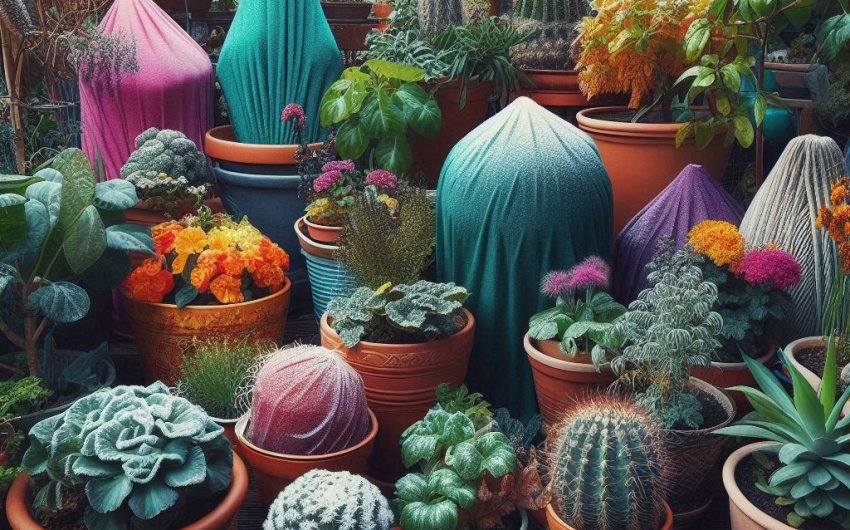
As the days shorten and temperatures drop, your beloved container plants need a little extra attention. Mastering winter care tips for potted plants is essential to ensure they survive the cold months and bounce back vigorously in spring. Whether you're dealing with tender tropicals or hardy perennials, this guide will help you prepare your cherished potted greenery for the challenges of winter, safeguarding their health and beauty.
Why Do Potted Plants Need Special Winter Care?
Understanding the unique challenges faced by plants in containers during winter is the first step in providing effective winter care tips for potted plants. While their in-ground counterparts might manage fine, potted plants are far more vulnerable to cold and changes in environmental conditions.
1. Root Exposure and Freezing
- No Insulation: Plants growing in the ground benefit from the insulating properties of the earth. The large mass of soil acts like a blanket, moderating temperature fluctuations and protecting roots from extreme cold. Potted plants, however, have their entire root system exposed to the air from all sides (and often the bottom if on a patio), leaving them highly susceptible to freezing.
- Root Hardiness vs. Top Hardiness: A plant's roots are often less cold-hardy than its top growth (stems and leaves). For example, a rose bush might be hardy to USDA Zone 5 in the ground, meaning its top can handle temperatures down to -20°F (-29°C). But its roots might only tolerate temperatures down to 20°F (-6°C). In a container, the root ball can quickly freeze solid when air temperatures drop below freezing, killing the roots even if the air temperature isn't low enough to kill the leaves.
- Freeze-Thaw Cycles: Repeated cycles of freezing and thawing are particularly damaging. As water in the soil freezes, it expands, which can damage delicate root hairs. When it thaws, the roots can be left in a waterlogged condition if drainage is poor, leading to rot.
2. Moisture Imbalance
- Frozen Soil = No Water Absorption: When the soil in a pot freezes solid, the plant cannot absorb water, even if there's plenty of ice. This means plants can suffer from "winter desiccation" or "winter burn" – essentially drying out due to lack of accessible water, even in freezing conditions. Evergreen plants are particularly susceptible as they continue to lose moisture through their leaves.
- Overwatering Risk Indoors: For plants brought indoors, the environment changes dramatically. Lower light levels, reduced air circulation, and cooler indoor temperatures (compared to summer) mean plants need significantly less water. Overwatering indoors is a leading cause of plant death in winter, as continuously soggy soil leads to root rot.
3. Light Reduction
- Shorter Days, Weaker Sun: Winter brings shorter days and a lower sun angle, meaning much less light for plants, especially indoors. Many plants go into a semi-dormant state in response, reducing their need for water and nutrients.
- Indoor Light Challenges: Windows block a significant amount of light, and indoor spaces are generally much darker than outdoor environments. Plants that were thriving in full sun outdoors will struggle indoors without supplemental light.
4. Humidity Fluctuations
- Dry Indoor Air: Heating systems (furnaces, radiators) drastically lower indoor humidity. This dry air can stress plants, leading to brown leaf tips, dropping leaves, and increased susceptibility to pests like spider mites.
- Outdoor Humidity: While outdoor humidity might be higher, cold winds can still desiccate foliage.
5. Pest Infestations
- Coming Indoors: Bringing outdoor plants indoors can introduce hitchhiking pests (aphids, spider mites, mealybugs) into your home, where they can quickly multiply in the warm, dry indoor environment and spread to other houseplants.
- Stressed Plants: Plants stressed by changing conditions (low light, low humidity) are more vulnerable to pest attacks.
By understanding these vulnerabilities, you can implement the specific winter care tips for potted plants that will help them survive and even thrive until spring returns.
What is the Hardiness Zone and Why Does it Matter for Potted Plants?
Understanding your USDA Plant Hardiness Zone is absolutely fundamental to providing effective winter care tips for potted plants. This zone map helps you determine which plants are likely to survive the winter in your geographical area. However, there's a crucial distinction when it comes to plants in containers.
What is the USDA Plant Hardiness Zone?
The USDA Plant Hardiness Zone Map divides North America (and similar maps exist globally) into different zones based on the average annual extreme minimum winter temperature. Each zone represents a 10°F (5.5°C) difference, and each zone is further divided into 'a' and 'b' subzones (e.g., 6a, 6b) representing a 5°F (2.8°C) difference.
- Example: If you live in Zone 7, it means the lowest winter temperature in your area is typically between 0°F and 10°F (-18°C to -12°C).
- Purpose: This map is primarily designed to help gardeners choose perennial plants, trees, and shrubs that can survive the winter when planted in the ground.
Why the Zone Changes for Potted Plants
The hardiness zone rating of a plant assumes it is planted in the ground, where the vast mass of surrounding earth provides crucial insulation for its roots. For potted plants, this insulation is lost.
- Lack of Insulation: As discussed, a plant's roots are often less cold-hardy than its top growth. In a container, the entire root ball is exposed to ambient air temperatures. When air temperatures drop below freezing, the soil in a pot will freeze solid much faster and stay frozen longer than ground soil.
- Container Effect: Because of this, a plant that is "hardy to Zone 7" in the ground might only be hardy to Zone 8 or even Zone 9 when grown in a pot. Essentially, its effective hardiness zone is often one to two zones warmer than its listed hardiness.
How to Use Hardiness Zones for Potted Plants
When considering winter care tips for potted plants, adjust your thinking based on the "container effect":
- "Marginally Hardy" Plants: If a plant's listed hardiness zone is the same as your zone, it will likely need winter protection in a pot. For example, if you're in Zone 7 and have a plant hardy to Zone 7, it needs protection.
- "Tender" Plants: If a plant's listed hardiness zone is significantly warmer than yours (e.g., a Zone 9 plant in Zone 6), it will need to be brought indoors or into a protected, reliably frost-free environment for the winter. These are often treated as tropicals.
- "Truly Hardy" Plants: Only plants whose listed hardiness zone is at least two zones colder than yours (e.g., a Zone 4 plant in Zone 7) might be able to survive winter outdoors in pots without significant protection, but even then, insulation is beneficial for root health and long-term vitality.
Example Scenarios:
- You are in Zone 6.
- A Hydrangea (Zone 4) in a pot: Can likely stay out with protection.
- A Rosemary (Zone 7) in a pot: Needs to be brought indoors or into a very protected, unheated space.
- A Lemon Tree (Zone 9) in a pot: Definitely needs to come indoors to a warm, bright spot.
By properly accounting for the "container effect" and your local hardiness zone, you can make informed decisions about whether your potted plants need to be moved indoors, heavily insulated, or can brave the winter outdoors with minimal intervention. This understanding is key to successful winter care tips for potted plants.
Which Potted Plants Need to Come Indoors for Winter?
Deciding which potted plants need to come indoors is a major part of winter care tips for potted plants, especially for gardeners in regions with freezing temperatures. This decision hinges primarily on the plant's natural hardiness zone and its specific temperature tolerances.
1. Tropical Plants
These plants originate from regions that never experience frost. They are generally the first ones you'll want to bring inside once outdoor temperatures consistently drop below 50°F (10°C), and definitely before any risk of frost.
- Examples:
- Hibiscus: Often grown as a bush or tree-form in pots. Very sensitive to cold.
- Mandevilla / Dipladenia: Popular vining plants.
- Ficus trees (e.g., Fiddle Leaf Fig, Weeping Fig): While many are indoor houseplants, if they've spent summer outdoors, they need to come back in.
- Citrus Trees (Lemons, Limes, Oranges): Extremely sensitive to frost. A dwarf lemon tree for pots is a popular choice for containers.
- Bougainvillea: Needs warm temperatures.
- Elephant Ear (Colocasia/Alocasia): Tubers can often be dug and stored, but if left in pots, they need to be moved indoors.
- Cannas: Similar to Elephant Ears, corms can be dug and stored, or moved indoors.
- Impatiens, Begonias, Coleus: While often treated as annuals, large specimens of these shade-loving plants can sometimes be overwintered indoors if given proper conditions.
- Where to put them indoors: Bright, indirect light is generally best. A south-facing window is often ideal. Avoid cold drafts from windows or doors. Increase humidity with a room humidifier or pebble trays.
2. Tender Perennials and Herbs
These are plants that are perennial in warmer zones but won't survive a freeze in colder climates, especially in pots. Their roots are too exposed.
- Examples:
- Rosemary: While hardy in the ground down to Zone 7-8, it struggles in pots in colder zones (below 7). A potted rosemary plant needs protection.
- Geraniums (Pelargonium): The common annual geraniums are actually tender perennials.
- Fuchsias: Many varieties are tender.
- Dahlia (some varieties): Tuberous dahlias can be dug up, or potted plants moved indoors.
- Herbs: Lemon verbena, bay laurel (unless in a very warm zone), lemongrass.
- Where to put them indoors: Often, a cooler, less bright spot (like an unheated garage, shed, or basement window) is suitable for many tender perennials that will go semi-dormant. They just need to be protected from freezing. They typically don't need bright light if they're not actively growing.
3. Succulents and Cacti
Most succulents and cacti are not frost-tolerant. While they prefer dry conditions, they still need to be protected from freezing temperatures.
- Examples: Echeveria, Sedum, Aloe, Agave (many varieties), most cacti.
- Where to put them indoors: They need very bright light, ideally a south-facing window or under a succulent grow light. Reduce watering significantly during winter dormancy. Ensure excellent air circulation.
4. Overwintering Strategy: Before You Bring Them In!
Before moving any potted plants indoors for the winter, prepare them:
- Pest Inspection: Thoroughly inspect every part of the plant (undersides of leaves, stems, soil surface) for pests. Treat any infestations before bringing them inside. A horticultural oil spray or insecticidal soap can be used.
- Clean Up: Remove any dead leaves, spent flowers, or debris.
- Prune (if needed): Lightly prune back leggy growth to reduce overall size.
- Clean Pots: Wipe down the outside of the pots to remove dirt and potential hitchhiking pests.
By categorizing your potted plants by their hardiness and preparing them for their indoor stay, you can successfully implement crucial winter care tips for potted plants and ensure their survival until spring.
What Are the Best Ways to Protect Potted Plants Left Outdoors?
For potted plants that are hardy enough to remain outdoors through winter in your zone (but still benefit from protection due to the "container effect"), strategic insulation and placement are key. These winter care tips for potted plants help protect roots from freezing and thawing damage.
1. Grouping and Placement
- Huddle Together: Group your pots closely together. This creates a microclimate, where the plants collectively insulate each other, moderating temperature fluctuations within the cluster.
- Against a Wall: Place the grouped pots against the south-facing side of a house or building. The building will absorb heat during the day and radiate it back at night, offering significant warmth and protection from cold northern winds.
- Avoid Windy Spots: Cold, dry winds can be very damaging, causing desiccation (drying out) even when temperatures aren't extremely low. Move pots to sheltered locations.
- Elevate Slightly (But Not Too Much): While roots need to be off freezing concrete, avoid placing pots on tall plant stands where they are fully exposed to cold air underneath. Pot feet or wooden blocks that allow drainage but keep the pot low to the ground are ideal. You can use plant caddies with wheels to make grouping and moving easier.
2. Insulating the Pots
The goal here is to add layers of insulation around the root ball.
- Mulch the Pot Surface: Apply a thick layer (2-4 inches / 5-10 cm) of organic mulch like straw, shredded leaves, or wood chips on top of the soil in each pot. This insulates the crown of the plant and the top layer of soil.
- Wrap the Pots: Wrap the sides of the pots with insulating material.
- Bubble Wrap: Layers of bubble wrap for plants secured with tape or twine can provide good insulation.
- Burlap: Several layers of burlap fabric wrapped around the pot and secured.
- Old Blankets/Towels: Can also be used in a pinch.
- Straw/Leaves in a Cage: For larger pots, you can create a "cage" around the pot using chicken wire or stakes, and then fill the space between the pot and the cage with straw or shredded leaves for excellent insulation.
- "Pot-in-Pot" Method: This is a highly effective method. Plant your primary pot inside a larger, decorative pot. Fill the gap between the two pots with insulating material like straw, leaves, or even more bubble wrap.
3. Burying the Pots
If you have a garden bed, this is one of the most effective ways to protect the roots.
- Process: Dig a hole in the ground large enough to accommodate the entire pot. Place the potted plant into the hole so the rim of the pot is level with the ground. Backfill around the pot with soil.
- Benefits: The earth's natural insulation will protect the roots just as it would for an in-ground plant.
4. Temporary Covers for Cold Snaps
For short periods of extreme cold, or for plants that are borderline hardy outdoors, temporary covers can provide crucial extra protection.
- Frost Cloth/Row Covers: Drape a lightweight frost cloth for plants or garden fleece over the plants. Secure it so it doesn't blow away. Remove it once temperatures rise again to allow light and air.
- Old Sheets/Tarps: Can also be used for temporary protection, but ensure they don't smother the plant and remove them as soon as the cold snap passes.
- Bring Indoors Temporarily: For truly frigid nights, even hardy plants in pots might benefit from being moved into an unheated garage or shed for just a few nights, then returned outdoors.
By combining these strategies, you can provide robust winter care tips for potted plants that need to remain outdoors, safeguarding their roots and ensuring their survival until spring's warmth returns.
How Do You Adjust Watering and Fertilizing for Potted Plants in Winter?
Adjusting watering and fertilizing is paramount among winter care tips for potted plants, whether they are indoors or out. Plants' needs change dramatically as light levels drop and temperatures cool, and failing to adapt your routine can lead to serious issues.
Watering in Winter
This is where most beginners make mistakes, leading to root rot for indoor plants or desiccation for outdoor ones.
For Indoor Potted Plants:
- Reduce Frequency: Plants moved indoors experience significantly lower light levels, cooler temperatures, and often go into a state of semi-dormancy or greatly slowed growth. Their need for water plummets. Overwatering is the leading cause of indoor plant death in winter.
- Check Soil Moisture: Do NOT water on a schedule. Instead, check the soil moisture. Stick your finger 1-2 inches (2.5-5 cm) into the soil. If it feels moist, wait. Only water when the soil feels mostly dry. For many plants, this might mean watering only once every 2-4 weeks, or even less, depending on the plant and indoor conditions.
- Water Thoroughly (When You Do Water): When you determine it's time to water, still water deeply until water drains from the bottom. This ensures the entire root ball is hydrated. Empty any excess water from saucers promptly.
- Signs of Overwatering: Yellowing leaves, wilting despite moist soil, brown tips with soft leaves, mold on the soil surface, or a musty smell. These are indicators of root rot.
- Signs of Underwatering: Drooping leaves that perk up after watering, dry and brittle leaves, or very lightweight pot. This is less common indoors in winter unless completely neglected.
For Outdoor Potted Plants:
- Reduce, But Don't Stop: Outdoor plants still need water in winter, especially evergreens which continue to lose moisture. However, they need much less frequent watering than in summer.
- Monitor Temperatures: Only water when temperatures are consistently above freezing (ideally above 40°F / 4°C). Watering when temperatures are below freezing can lead to ice formation that damages roots.
- Check Soil: Check the soil for dryness before watering. Often, melting snow or winter rain will provide sufficient moisture.
- Winter Desiccation: Be aware that plants can "dry out" even when it's cold if the soil is frozen solid and they can't access water. This is common on windy, sunny winter days for evergreens. If temperatures are above freezing for a few days, give them a good drink.
Fertilizing in Winter
Most potted plants need little to no fertilizer during winter.
For Indoor Potted Plants:
- Cease or Greatly Reduce: As light levels drop and growth slows, plants use very few nutrients. Fertilizing heavily in winter can lead to salt buildup in the soil and burn the roots, as the plant isn't actively absorbing the nutrients.
- When to Resume: Begin a light fertilization schedule in early spring as light levels increase and new growth emerges.
- Exceptions: Some specific indoor plants that actively bloom or grow significantly in winter (e.g., Christmas Cactus, African Violets if under grow lights) might benefit from a very diluted, low-phosphorus fertilizer, but this is rare for most general houseplants.
For Outdoor Potted Plants:
- Cease Entirely: Outdoor potted plants that are dormant or semi-dormant do not need fertilizer. The goal in winter is survival, not active growth. Fertilizing can push out tender new growth that will easily be damaged by cold.
- When to Resume: Start fertilizing again in early spring when plants break dormancy and begin to show signs of new growth.
By thoughtfully adjusting your watering and completely holding off on fertilization during the colder months, you are providing crucial winter care tips for potted plants that align with their natural dormancy cycles, ensuring their health and vigor come spring.
What Are Other Important Winter Care Tips for Potted Plants?
Beyond watering, fertilizing, and placement, several other winter care tips for potted plants contribute to their overall health and survival during the challenging colder months. These practices address common indoor and outdoor winter stresses.
1. Humidity Management (Indoors)
Heated indoor environments are notoriously dry, often with humidity levels far lower than what most plants prefer. This can lead to brown leaf tips, crispy leaves, and increased susceptibility to spider mites.
- Humidity Trays: Place pots on a humidity tray filled with pebbles and water. Ensure the bottom of the pot does not sit directly in the water, as this can lead to root rot. The evaporating water from the pebbles increases humidity around the plant.
- Misting: Daily misting can provide a temporary humidity boost, especially for plants with smooth leaves. However, ensure leaves dry quickly to prevent fungal issues. Avoid misting fuzzy-leaved plants.
- Group Plants: Clustering plants together can create a small microclimate with higher humidity.
- Humidifier: For extensive collections, a room humidifier is the most effective way to raise ambient humidity.
2. Light Adjustment (Indoors)
Even in a bright window, winter light is significantly weaker.
- Maximize Natural Light: Place plants in the brightest available window. Clean windows regularly to allow maximum light penetration. Rotate plants weekly to ensure all sides receive light.
- Supplemental Lighting: For plants that are struggling with low light or those that you want to keep actively growing (like citrus, herbs you want to harvest, or flowering plants), invest in a grow light for houseplants. Place them close to the plant according to manufacturer instructions.
- Observe Etiolation: Watch for signs of etiolation (stretching, pale leaves, sparse growth), which indicates insufficient light.
3. Pest Vigilance and Treatment (Indoors & Out)
Pests can be a major problem in winter.
- Pre-Winter Inspection/Treatment: As mentioned, thoroughly inspect and treat any pests on plants before bringing them indoors. This is crucial.
- Indoor Outbreaks: Dry indoor air and stressed plants can lead to outbreaks of common houseplant pests like spider mites, mealybugs, and aphids. Inspect regularly.
- Treatment: For small infestations, use a cotton swab dipped in rubbing alcohol (for mealybugs, scale) or manually remove pests. For larger outbreaks, use organic insecticidal soap or neem oil spray for plants, ensuring full coverage on both sides of leaves.
- Outdoor Protection: For outdoor plants, healthy growth and appropriate winter protection methods can help prevent pest stress.
4. Avoiding Sudden Changes and Drafts (Indoors)
Plants are sensitive to sudden environmental shifts.
- Acclimatization: When bringing plants indoors, try to do it gradually if possible (e.g., move to a shadier outdoor spot for a week, then a garage, then indoors). This helps them adjust to lower light and humidity.
- No Drafts: Keep plants away from cold drafts from exterior doors, drafty windows, or heating vents. These sudden temperature changes and blasts of dry air can stress and damage foliage.
5. Pruning and Tidying Up (Both)
- Before Bringing In: Remove any dead, diseased, or damaged leaves/branches. This reduces the risk of pests and diseases indoors and makes the plant more manageable. You can also lightly prune to reduce the size of overly large plants.
- During Winter: Only do light pruning if absolutely necessary (e.g., removing dead leaves). Avoid heavy pruning during winter dormancy, as it can stress the plant when it's not actively growing. Save major pruning for early spring.
- Cleanliness: Regularly remove fallen leaves or debris from the pot's surface.
6. Pot Material Considerations (Outdoors)
If leaving pots outdoors, be mindful of their material:
- Terra Cotta: Unglazed terracotta is porous and can absorb water. If left outside in freezing conditions, the absorbed water can freeze, expand, and crack the pot. Consider moving empty terracotta pots into a shed or garage for winter, or covering full ones.
- Plastic/Fiberglass/Metal: Generally more resilient to freezing temperatures and less likely to crack than terracotta or ceramic.
By incorporating these additional winter care tips for potted plants into your routine, you can provide comprehensive care that ensures your green companions survive the season and emerge healthy and ready for vigorous growth in spring.