
Decode Your Plant's Cries: How to Identify Plant Nutrient Deficiency
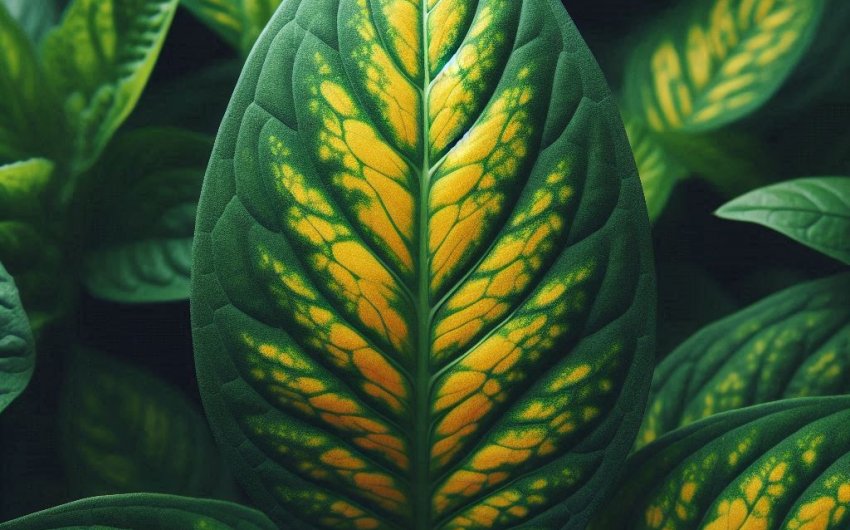
Has your lush green plant started looking a bit off? Perhaps its leaves are yellowing, growth has slowed, or blooms are failing to appear. Just like us, plants need a balanced diet to thrive, and when they're missing key elements, they send out distress signals. Understanding these visual cues is the first step to becoming a plant whisperer. This comprehensive guide will equip you with the knowledge on how to identify plant nutrient deficiency, helping you diagnose and remedy common mineral imbalances to restore your green companions to vibrant health.
Why Do Plants Need Specific Nutrients?
Plants require a balanced array of essential elements to perform all their vital functions, from growth to reproduction. This section explains the fundamental role of nutrients.
Just like our bodies need vitamins and minerals, plants depend on specific chemical elements from their environment to grow, flower, and produce fruit. These elements act as building blocks, energy transporters, and catalysts for countless processes within the plant. Without the right balance of these essential ingredients, a plant simply cannot function optimally, making understanding how to identify plant nutrient deficiency crucial.
What are Macronutrients and Why are They Important?
Macronutrients are elements that plants need in relatively large quantities for healthy growth.
These three primary macronutrients, often represented by the N-P-K ratio on fertilizer bags, are the most frequently discussed for their significant impact on plant vigor. Understanding how to identify plant nutrient deficiency often starts here.
- Nitrogen (N):
- Role: Essential for leafy growth, chlorophyll production (which makes plants green), and overall plant vigor. It's a key component of proteins and enzymes.
- Deficiency Symptoms:
- General yellowing (chlorosis) of older, lower leaves first. The plant may appear pale green all over.
- Stunted growth and weak stems.
- Reduced branching.
- Solution: Apply a nitrogen-rich fertilizer like fish emulsion, blood meal, or composted manure.
- Phosphorus (P):
- Role: Critical for root development, flowering, fruiting, and overall energy transfer within the plant. It's vital for healthy DNA and RNA.
- Deficiency Symptoms:
- Dark green or purplish discoloration, especially on older leaves and stems. The underside of leaves may turn purple.
- Stunted growth, particularly root growth.
- Delayed flowering and poor fruit/seed development.
- Solution: Use a phosphorus-rich fertilizer like bone meal, rock phosphate, or a "bloom booster" formula.
- Potassium (K):
- Role: Important for overall plant strength, water regulation, disease resistance, and fruit ripening. It helps regulate opening and closing of stomata (leaf pores).
- Deficiency Symptoms:
- Yellowing or browning of leaf margins (edges), especially on older leaves, which may look scorched. This is called "scorching."
- Weak stems and poor resistance to pests and diseases.
- Poor fruit development or unripe fruit.
- Solution: Apply a potassium-rich fertilizer like wood ash (use sparingly and test soil pH first), kelp meal, or green sand.
- Calcium (Ca):
- Role: Essential for cell wall structure, root growth, and regulating nutrient transport. It helps strengthen plant tissues.
- Deficiency Symptoms:
- Distorted or stunted new growth at the growing tips (e.g., small, curled, or puckered leaves).
- Blossom end rot in tomatoes, peppers, and squash (dark, sunken spot on the bottom of the fruit).
- Weak stems and underdeveloped roots.
- Solution: Add calcium sources like gypsum, eggshells (crushed finely), or bone meal.
- Magnesium (Mg):
- Role: A central component of chlorophyll, vital for photosynthesis (food production), and activates many enzymes.
- Deficiency Symptoms:
- Interveinal chlorosis on older leaves, meaning the areas between the veins turn yellow while the veins remain green.
- Leaves may curl upwards or develop reddish-brown spots.
- Stunted growth.
- Solution: Apply Epsom salts (magnesium sulfate) as a foliar spray or mixed into the soil.
- Sulfur (S):
- Role: Essential for protein formation, chlorophyll production, and enzyme activity. Similar to nitrogen in some ways.
- Deficiency Symptoms:
- General yellowing of the entire plant, similar to nitrogen, but often more pronounced on new, younger leaves first.
- Stunted growth.
- Solution: Add elemental sulfur or gypsum to the soil.
What are Micronutrients and Why are They Important?
Micronutrients are elements plants need in very small amounts, but they are just as crucial for health.
Even though they're needed in tiny quantities, a deficiency in any of these can significantly impair plant growth, making it important to know how to identify plant nutrient deficiency for these elements too.
- Iron (Fe):
- Role: Crucial for chlorophyll production and enzyme function.
- Deficiency Symptoms:
- Interveinal chlorosis on new, young leaves (yellowing between green veins), with the youngest leaves often appearing almost white.
- Overall stunted growth.
- Solution: Lower soil pH if it's too high (iron becomes unavailable in alkaline soil), apply chelated iron supplement.
- Manganese (Mn):
- Role: Important for photosynthesis, respiration, and nitrogen assimilation.
- Deficiency Symptoms:
- Interveinal chlorosis on younger leaves, often with dark spots or streaks between veins. Leaves may appear mottled.
- Stunted growth and poor root development.
- Solution: Adjust soil pH (manganese availability is sensitive to pH), apply manganese sulfate if deficiency is confirmed.
- Boron (B):
- Role: Essential for cell wall formation, cell division, and pollen development.
- Deficiency Symptoms:
- Stunted growth of new shoots and root tips.
- Deformed or brittle new leaves.
- Poor fruit set or hollow stems.
- Can affect overall plant structure severely.
- Solution: Apply borax (use very sparingly, too much is toxic) or a trace mineral mix.
- Zinc (Zn):
- Role: Involved in hormone production and enzyme systems.
- Deficiency Symptoms:
- Small, distorted, or "rossetted" leaves (leaves clustered together with short internodes).
- Yellowing between veins on younger leaves.
- Stunted growth.
- Solution: Apply zinc sulfate or a foliar spray containing zinc.
- Copper (Cu):
- Role: Important for photosynthesis and cell wall strength.
- Deficiency Symptoms:
- Dark green leaves with stunted growth.
- Wilting of young shoots, sometimes with a bluish tint.
- Poor flowering or fruit development.
- Solution: Apply copper sulfate if deficiency is confirmed.
- Molybdenum (Mo):
- Role: Essential for nitrogen fixation in legumes and nitrate reduction.
- Deficiency Symptoms:
- General yellowing and stunting, similar to nitrogen deficiency.
- "Whiptail" in brassicas (narrow, strap-like new leaves).
- Solution: Very rare; typically solved by adjusting pH or using a general trace mineral mix.
- Chlorine (Cl):
- Role: Involved in osmosis and ion balance.
- Deficiency Symptoms: Wilting, reduced root growth. Very rare in garden settings.
How Can You Diagnose Plant Nutrient Deficiency?
Pinpointing the exact nutrient deficiency requires careful observation and a systematic approach. This section outlines key diagnostic steps.
Becoming a detective in your garden, especially when learning how to identify plant nutrient deficiency, involves keen observation and ruling out other potential problems. The visual cues plants give us are often the first and most accessible clues.
What are the Key Visual Clues to Look For?
Specific symptoms on leaves, stems, and overall plant growth can indicate a nutrient problem.
Learning these tell-tale signs is fundamental to understanding how to identify plant nutrient deficiency simply by looking at your plants.
- Chlorosis (Yellowing):
- General Yellowing of Older Leaves: Often points to Nitrogen deficiency.
- Interveinal Chlorosis (Yellowing between veins, veins stay green): If on older leaves, likely Magnesium deficiency. If on younger leaves, likely Iron or Manganese deficiency.
- Yellowing of New Growth/Stunted Tips: Can indicate Calcium or Boron deficiency.
- Necrosis (Dead Spots/Browning):
- Scorched Leaf Margins: Classic sign of Potassium deficiency.
- Random Dead Spots: Can indicate a severe deficiency of various nutrients or other issues like disease.
- Blossom End Rot: Specifically points to Calcium deficiency in fruits like tomatoes.
- Color Changes (Other than Yellowing):
- Purplish Tint: Often a sign of Phosphorus deficiency, especially on undersides of older leaves.
- Dark Green/Stunted: Can be Phosphorus deficiency.
- Bluish-Green with Wilting: Possible Copper deficiency.
- Growth Habits:
- Stunted Overall Growth: A general sign of many deficiencies.
- Leggy Growth (Tall and spindly): Often indicates insufficient light, but can also be nitrogen deficiency.
- Distorted or Malformed New Leaves: Common with Calcium or Boron deficiency.
- Rosetted or Clustered New Growth: Can indicate Zinc deficiency.
- Weak Stems: Suggests Potassium or Calcium deficiency.
- Flowering and Fruiting:
- Lack of Flowers/Fruit: Often linked to Phosphorus or Boron deficiency.
- Poor Fruit Development/Ripening: Points to Potassium deficiency.
Where Do Symptoms Appear on the Plant?
The location of the symptoms (on old leaves, new leaves, or evenly throughout) provides a crucial clue. This is due to how nutrients move within the plant.
Understanding nutrient mobility is a critical piece of the puzzle when learning how to identify plant nutrient deficiency.
- Mobile Nutrients (Symptoms on Older/Lower Leaves): These nutrients (Nitrogen, Phosphorus, Potassium, Magnesium, Molybdenum, Chlorine) can be moved by the plant from older leaves to newer, actively growing parts when supplies are low. Therefore, deficiencies first show up on older leaves as the plant sacrifices them to support new growth.
- Immobile Nutrients (Symptoms on Younger/Newer Leaves): These nutrients (Calcium, Boron, Iron, Manganese, Sulfur, Copper, Zinc) cannot be easily relocated within the plant. When these are deficient, the newest growth suffers first because the plant cannot pull supplies from older leaves.
How Do You Rule Out Other Problems?
Many other issues can mimic nutrient deficiencies, so it's important to consider all possibilities.
Before you jump to a nutrient solution, it's vital to consider other common plant stressors that can show similar signs when learning how to identify plant nutrient deficiency.
- Watering Issues:
- Overwatering: Can cause yellowing leaves (especially older ones), wilting (even when soil is wet), and root rot. Roots can't get oxygen, so they can't absorb nutrients.
- Underwatering: Causes wilting, crispy leaves, and stunted growth. Leaves may turn yellow or brown.
- Solution: Use a soil moisture meter and adjust your watering schedule. Ensure good drainage in pots.
- Pests and Diseases:
- Pest Damage: Insects can cause yellowing, spotting, holes, distorted growth, or sticky residue. Look for tiny bugs on leaves or stems.
- Diseases: Fungal, bacterial, or viral infections can cause spots, wilting, discoloration, or stunted growth.
- Solution: Inspect plants thoroughly (top and bottom of leaves). Use organic pest control or identify and treat diseases if present.
- Light Levels:
- Insufficient Light: Often leads to leggy, pale, or yellowing growth (especially general yellowing). Plants may stretch towards the light.
- Too Much Sun/Sunburn: Can cause scorched, crispy, or bleached leaves.
- Solution: Move the plant to a more appropriate light location. For indoor plants, consider a grow light if natural light is consistently insufficient.
- Temperature Stress:
- Too Cold: Can cause yellowing, wilting, or purplish discoloration (mimicking phosphorus).
- Too Hot: Can cause wilting, scorching, or reduced growth.
- Solution: Ensure plants are in their ideal temperature range.
- Soil pH Imbalance: This is a major underlying cause of nutrient deficiencies, as pH affects nutrient availability. Even if a nutrient is present in the soil, the plant can't absorb it if the pH is wrong.
- Solution: Get a soil pH meter or send a soil sample to a lab. Adjust pH with amendments like garden lime (to raise pH) or elemental sulfur (to lower pH).
- Over-fertilization (Nutrient Burn): Too much fertilizer can also cause yellowing, browning of leaf tips/edges, and stunted growth due to salt buildup.
How Do You Correct Nutrient Deficiencies?
Once you've identified a suspected nutrient deficiency, the next step is to apply the appropriate remedy. This section details various approaches to correcting imbalances.
Effectively correcting deficiencies is the goal once you've learned how to identify plant nutrient deficiency. The approach varies depending on the specific nutrient and the overall health of your soil.
What are Quick Fixes for Immediate Relief?
For plants showing acute deficiency symptoms, a fast-acting solution can provide immediate help.
When a plant is clearly struggling, these quick applications can offer a rapid response to how to identify plant nutrient deficiency and treat it swiftly.
- Foliar Feeding: Applying a dilute liquid fertilizer directly to the leaves allows for rapid absorption of nutrients. This is especially useful for immobile nutrients like iron, as it bypasses any soil pH issues. Use a fine mist spray bottle and apply in the early morning or late evening to prevent leaf burn.
- Liquid Fertilizers: Water-soluble liquid fertilizers provide nutrients that are immediately available to plant roots. Choose a formula specific to the deficient nutrient (e.g., a high-nitrogen or high-phosphorus liquid feed).
- Epsom Salts (for Magnesium): A quick and effective way to address magnesium deficiency. Dissolve 1 tablespoon of Epsom salts per gallon of water and apply as a soil drench or foliar spray.
What are Long-Term Solutions for Soil Health?
For lasting plant health, it's essential to address the root cause of nutrient imbalances, often related to overall soil health.
Sustainable gardening relies on building robust soil, and these methods are key for how to identify plant nutrient deficiency and prevent its recurrence.
- Soil Testing: This is the absolute best long-term solution. A professional soil test kit from your local extension office or a reputable lab provides a detailed report on your soil's pH, nutrient levels, and recommendations for amendments. It takes the guesswork out of nutrient management.
- Amend Soil with Organic Matter: This is arguably the most important long-term strategy. Regularly incorporating compost, aged manure, or other organic materials improves soil structure, water retention, and provides a slow-release source of a wide range of nutrients as it breaks down.
- Adjust Soil pH: As discussed, incorrect pH can lock up nutrients. Use a soil pH meter to determine your pH.
- To Raise pH (make more alkaline): Add garden lime (calcium carbonate, often with magnesium) or wood ash (use sparingly).
- To Lower pH (make more acidic): Add elemental sulfur, peat moss, or acidifying fertilizers (e.g., those for blueberries or azaleas).
- Use Slow-Release/Granular Fertilizers: For ongoing nutrient supply, incorporate granular organic fertilizers (like bone meal, blood meal, kelp meal, rock phosphate) into the soil. These break down slowly, feeding plants over time.
- Cover Cropping: Growing cover crops during off-seasons adds organic matter, prevents nutrient leaching, and can even add nitrogen (legumes) or scavenge nutrients from deep in the soil (radishes).
- Crop Rotation: Rotating different plant families around your garden beds each season helps prevent specific nutrient depletion in one area and can break pest/disease cycles.
- Mulching: A layer of organic mulch (straw, wood chips, shredded leaves) suppresses weeds, conserves moisture, and slowly breaks down to add organic matter and nutrients to the soil.
By keenly observing your plants' signals, systematically diagnosing issues, and applying both quick fixes and long-term soil health strategies, you'll master how to identify plant nutrient deficiency and empower your garden to flourish.