
Elevate Your Kitchen: Creative Vertical Herb Garden Wall Ideas
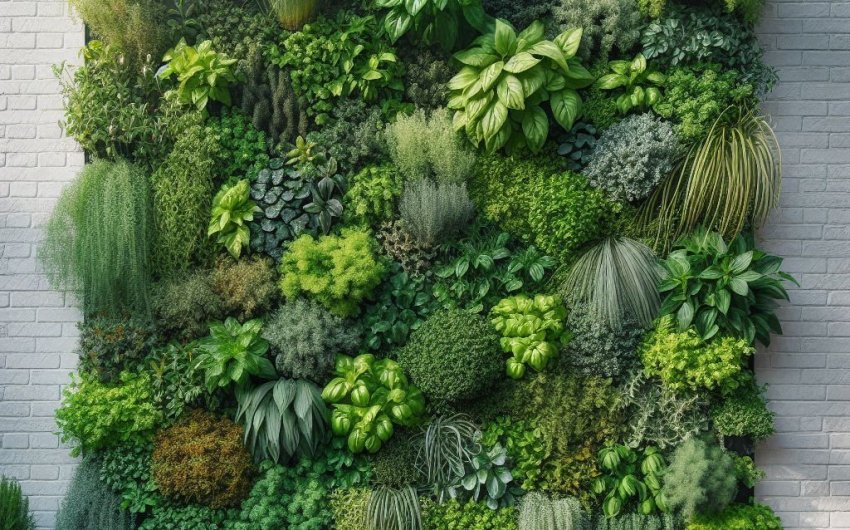
Dreaming of fresh, fragrant herbs at your fingertips, even if your living space is limited? Whether you're in a cozy apartment, a suburban home with a small patio, or simply want to add a unique green touch to your kitchen, growing upwards is a brilliant solution. This comprehensive guide will explore diverse and imaginative vertical herb garden wall ideas, transforming unused vertical space into a thriving, aromatic oasis.
Why Choose a Vertical Herb Garden Wall?
Vertical gardens are an ingenious way to maximize planting space, particularly for growing culinary herbs. This section highlights the compelling advantages of going vertical.
Embracing vertical herb garden wall ideas offers a multitude of benefits, making it an increasingly popular choice for urban dwellers, small-space enthusiasts, and anyone seeking efficiency in their gardening efforts. It’s a smart, stylish, and sustainable way to bring fresh flavors and natural beauty into your home or outdoor area.
What are the Benefits of Growing Herbs Vertically?
Cultivating herbs upwards offers practical advantages that address common gardening challenges.
The decision to install a vertical herb garden wall comes with a host of practical perks that enhance both your gardening experience and your daily life.
- Space Saving: This is the most significant advantage. Vertical gardens allow you to grow a large number of plants in a small footprint, making them perfect for balconies, small patios, kitchen walls, or even indoor hallways.
- Easy Access and Harvesting: Herbs are at a convenient height, eliminating the need to bend down or crouch, making harvesting quick and comfortable. This is especially beneficial for those with mobility issues.
- Aesthetic Appeal: A living wall of vibrant herbs is a stunning visual feature, adding natural beauty, texture, and a touch of organic design to any space. It transforms a blank wall into a dynamic work of art.
- Improved Air Quality: Like all plants, herbs contribute to better indoor air quality by absorbing carbon dioxide and releasing oxygen. Many herbs also release pleasant, natural aromas.
- Reduced Pests and Diseases: Vertical placement often provides better air circulation around plants, which can help reduce humidity-related fungal diseases. Also, some crawling pests are less likely to reach elevated plants.
- Ergonomics: No more bending over to weed or harvest. Everything is at an accessible height.
- Efficient Watering: Many vertical systems are designed for efficient watering, with water trickling down from top to bottom, minimizing waste.
- Portability (for some systems): Certain modular vertical garden setups can be moved indoors or outdoors as seasons change, offering flexibility.
What Considerations Are Important for Vertical Herb Gardens?
While beneficial, vertical herb gardens also come with specific requirements that need careful planning.
To ensure the success of your vertical herb garden wall, it's important to anticipate and address these practical considerations.
- Sunlight: Herbs generally need at least 4-6 hours of direct sunlight per day to thrive. Choose a location (indoor or outdoor) that receives ample light. South-facing windows are often best indoors. If natural light is insufficient, you might need a grow light panel as a supplement for vigorous growth.
- Watering Frequency: Vertical gardens can dry out faster than traditional pots because they are more exposed to air. You'll likely need to water more frequently, possibly even daily in hot, dry conditions. An indoor watering can with a long spout is helpful.
- Drainage: Proper drainage is critical to prevent root rot. Ensure your system allows excess water to escape and doesn't leave herbs sitting in soggy soil.
- Weight: Consider the weight of your chosen system when filled with wet soil and plants. Ensure the wall or structure you're attaching it to can support the load. Use appropriate heavy-duty wall anchors if needed.
- Herb Compatibility: Not all herbs have the same water and light needs. Group herbs with similar requirements together. For example, rosemary and thyme prefer drier conditions than mint or basil.
- Maintenance: Regular harvesting, occasional pruning, and monitoring for pests will still be necessary.
- Water Runoff: Plan for where excess water will go, especially for indoor systems. A water collection tray is essential indoors to protect floors and furniture.
What Are DIY Vertical Herb Garden Wall Ideas?
Creating your own vertical herb garden can be a fun and budget-friendly project, utilizing repurposed or easily accessible materials. This section provides creative DIY concepts.
Embracing the do-it-yourself spirit for your vertical herb garden wall allows for maximum customization and often significantly reduces costs, turning everyday items into functional works of art.
How Can You Use Pallets for a Vertical Garden?
Wooden pallets, often found for free, can be transformed into rustic and charming vertical planters.
Repurposing wooden pallets is a popular and budget-friendly way to create a sturdy and attractive vertical herb garden wall.
- Finding and Preparing Pallets: Look for heat-treated (HT stamped) pallets, not chemically treated (MB stamped) ones, especially if growing edibles. Clean them thoroughly with a stiff brush and soapy water.
- Creating Pockets:
- Method 1 (Simple Pockets): Turn the pallet on its side. The spaces between the slats naturally form pockets. You can add a piece of landscape fabric or heavy-duty plastic sheeting stapled to the inside bottom of each "pocket" to hold soil, ensuring drainage holes are poked.
- Method 2 (Shelves): Attach extra pallet slats or other pieces of wood to the open sides of the pallet to create small shelves. Place individual potted herbs on these shelves. You'll need wood screws and a cordless drill.
- Mounting: Lean the pallet against a sturdy wall or fence, or for added stability, secure it directly to the wall with appropriate heavy-duty L-brackets and screws, ensuring it can hold the weight of wet soil and plants.
- Planting: Fill the pockets or place potted herbs in your chosen potting mix. Remember to match herb needs to light exposure for each section of the pallet.
What are Upcycled Bottle or Can Gardens?
Transform discarded plastic bottles or tin cans into a creative and eco-friendly vertical herb display.
Using upcycled containers is a fantastic way to engage in vertical herb garden wall ideas with minimal cost and maximum creativity.
- Plastic Bottle Planters:
- Horizontal: Cut large plastic soda bottles horizontally, leaving a flap that acts as a hinge. Fill the bottom with soil and plant. You can string them together vertically using strong rope or wire, creating a "waterfall" effect for irrigation (water from the top bottle drips to the one below). Punch drainage holes in the bottom of each bottle.
- Vertical Pockets: Cut out a rectangular opening on the side of horizontal bottles. Fill with soil and plant. These can be secured to a wooden board or fence with screws or zip ties.
- Self-Watering: Cut the bottle in half, invert the top half (with cap removed or hole poked) into the bottom half. Place a wick from the plant roots into the water reservoir in the bottom half.
- Tin Can Planters:
- Preparation: Clean out old food cans (coffee, vegetable, soup). Remove labels and smooth any sharp edges. Punch several drainage holes in the bottom with a nail and hammer or a drill with a metal bit.
- Decoration: Paint cans in vibrant colors using weather-resistant spray paint, wrap them in twine, or decorate them with fabric scraps using strong outdoor glue.
- Mounting: Attach cans to a wooden board or a lattice panel using jubilee clips (hose clamps) or by drilling holes and wiring them on. You can also hang them from a rail with S-hooks.
What are Other Simple DIY Vertical Garden Structures?
Think beyond traditional containers and repurpose household items or simple materials for unique vertical herb displays.
These innovative approaches highlight the versatility of vertical herb garden wall ideas, allowing for personalized and budget-friendly solutions.
- Shoe Organizer Garden: A fabric over-the-door shoe organizer with clear pockets can be repurposed. Line each pocket with a small amount of landscape fabric (for extra support and to prevent soil leakage), fill with potting mix, and plant small herbs. Hang it on a sunny wall or fence.
- Terracotta Pot Stack/Tower: Stack terracotta pots of decreasing size onto a central rebar stake, offsetting each pot to create planting spaces. This forms a charming vertical tower. Use rebar caps for safety.
- Crate or Box Stack: Securely stack old wooden crates or plastic storage bins (drill drainage holes) to create tiered planting levels. Paint them for a cohesive look. Use tie-down straps or screws to keep them stable.
- Gutters as Planters: Section off lengths of old rain gutters, cap the ends, drill drainage holes, and mount them horizontally on a wall or fence using gutter brackets.
- Lattice Panel with Hooks: A simple wooden or plastic lattice panel can be mounted to a wall. Then, hang small potted herbs from the lattice using S-hooks or specially designed hanging pot brackets.
Which Herbs Thrive in Vertical Gardens?
Choosing the right herbs for your vertical garden is essential, considering their growth habits and light requirements. This section details suitable herb varieties.
Not all herbs are equally suited for the confines of a vertical space. Selecting varieties that either stay compact or can be easily managed will ensure your vertical herb garden wall remains lush and productive.
What Herbs Are Best for Sunny Vertical Gardens?
For locations receiving 6+ hours of direct sun, a wide array of sun-loving and drought-tolerant herbs will flourish.
When your vertical herb garden wall receives ample sunshine, you have the luxury of growing a diverse selection of the most aromatic and commonly used herbs.
- Rosemary (Rosmarinus officinalis): Prefers well-drained soil and plenty of sun. Choose a smaller, upright variety or trim regularly to keep it compact. Rosemary plants are great for the top sections.
- Thyme (Thymus vulgaris): Many varieties are available, from upright to creeping. All love sun and good drainage. Thyme plants are perfect for pockets or top edges where they can spill over.
- Basil (Ocimum basilicum): A warmth-loving annual that needs consistent moisture and full sun. Pinch off flowers to encourage leafy growth. Basil seeds or young plants thrive.
- Oregano (Origanum vulgare): A vigorous, spreading herb that needs sun and good drainage. Its trailing habit makes it good for cascading from pockets. Oregano plants are very adaptable.
- Sage (Salvia officinalis): With its attractive silvery-green leaves, sage loves sun and well-drained soil. It's a perennial that will provide year-round interest in many climates.
- Chives (Allium schoenoprasum): Easy to grow from chive seeds or small plants, they offer mild onion flavor and pretty purple flowers. They tolerate a range of light conditions but do best in sun.
- Lavender (Lavandula): While not strictly a culinary herb for many, its fragrant flowers and foliage make lavender a wonderful addition to a sunny vertical garden, attracting pollinators.
Which Herbs are Suitable for Shadier Vertical Gardens?
For spots with less direct sunlight (4 hours or less), some herbs are more tolerant of partial shade.
Even if your ideal location doesn't get full sun, you can still have a successful vertical herb garden wall by selecting shade-tolerant varieties.
- Mint (Mentha species): Mint is known for its vigorous growth and can tolerate partial shade, though it prefers consistent moisture. It's best kept in its own pot within the vertical system, as it can be very invasive.
- Parsley (Petroselinum crispum): Both curly and flat-leaf parsley can do well in partial shade, especially in hotter climates where full sun can cause them to bolt (go to seed) too quickly.
- Cilantro (Coriandrum sativum): Similar to parsley, cilantro will grow in partial shade, particularly benefiting from it in warm weather to extend its growing season before bolting.
- Lemon Balm (Melissa officinalis): A member of the mint family, lemon balm also tolerates partial shade and offers a delightful lemony scent and flavor. Like mint, it can be vigorous.
- Watercress (Nasturtium officinale): If your vertical system has a consistent water source or even a small reservoir, watercress can thrive in partial shade and moist conditions.
How Do You Care for Your Vertical Herb Garden?
Proper maintenance is essential for keeping your vertical herb garden healthy, productive, and looking its best. This section covers key care practices.
Consistent and thoughtful care will ensure your vertical herb garden wall remains a thriving source of fresh herbs and a beautiful feature in your home or garden.
What are Essential Watering Strategies?
Due to their unique structure, vertical gardens often have different watering needs than traditional containers.
Efficient watering is paramount for successful vertical herb garden wall ideas because these systems can dry out quickly.
- Water from the Top: In most tiered or pocket systems, water from the very top row, allowing excess water to trickle down through the layers to the plants below. This ensures even saturation. Use a watering can with a narrow spout for precision.
- Check Soil Moisture Daily: Especially in warm or sunny conditions, or when plants are mature, check the soil moisture daily. Stick your finger into the soil up to your first knuckle. If it feels dry, it's time to water.
- Consistency is Key: Try to maintain consistent soil moisture, avoiding extreme dry spells followed by drenching, which can stress plants.
- Self-Watering Systems (DIY or Purchased): Consider incorporating passive self-watering elements (like wicks from a reservoir) or investing in a small drip irrigation kit for larger or outdoor vertical gardens, which can automate watering and reduce maintenance.
- Drainage Check: Always ensure water is draining out of the bottom of your system. If water pools, you may have an issue with clogged drainage holes or insufficient drainage material.
How Should You Harvest and Prune Herbs?
Regular harvesting and strategic pruning encourage bushier growth and prevent herbs from becoming leggy or going to seed prematurely.
Proper harvesting and pruning techniques are crucial for maintaining the productivity and aesthetic appeal of your vertical herb garden wall.
- Harvest Regularly: The more you harvest, the more your herbs will produce. Pinch off outer leaves or stem tips frequently. Use small herb snips for clean cuts.
- Pinch Back Flowers: For most culinary herbs (like basil, mint, oregano), pinch off any flower buds as soon as you see them. Flowering signals the end of the plant's leafy growth cycle and can make the leaves taste bitter.
- Prune for Shape and Airflow: As herbs grow, prune them to maintain a compact shape and ensure good air circulation, especially in the denser vertical environment. Remove any yellowing or dead leaves.
- Don't Over-Harvest: Never remove more than about one-third of the plant at once to ensure it can recover and continue to grow.
- Root Pruning/Repotting (if needed): If herbs become root-bound in their pockets or containers, they may need to be repotted into slightly larger pots (if your system allows) or have their roots gently trimmed and returned to the same container. This is less common in vertical systems designed for smaller plants.
What About Nutrients and Pest Control?
Even in a compact vertical system, plants need proper nutrition and protection from common indoor garden pests.
Addressing nutrition and pest control thoughtfully ensures the long-term health and vitality of your vertical herb garden wall.
- Potting Mix: Start with a high-quality potting mix that is light, well-draining, and contains some initial nutrients. Avoid using heavy garden soil, which can compact and retain too much moisture in containers.
- Fertilizing: Herbs generally don't need a lot of fertilizer, especially if you start with good potting mix. If growth slows or leaves look pale, use a balanced liquid organic fertilizer at half strength every 4-6 weeks during the active growing season (spring and summer). Avoid fertilizing in winter.
- Pest Monitoring: Inspect your herbs regularly for signs of common indoor pests like spider mites, aphids, or whiteflies. Look under leaves and along stems.
- Organic Pest Control:
- Wipe Down: For minor infestations, wipe affected leaves with a damp cloth or cotton swab dipped in rubbing alcohol.
- Insecticidal Soap: For more persistent pests, spray with an organic insecticidal soap solution, ensuring good coverage, especially on undersides of leaves.
- Neem Oil: Diluted Neem oil spray can be effective as both a repellent and a pest control measure.
- Isolation: If you bring new plants into your vertical garden, isolate them for a week or two to ensure they are pest-free before integrating them.
With creative designs and attentive care, establishing a thriving vertical herb garden wall is an achievable and incredibly rewarding way to enjoy fresh herbs and add vibrant greenery to even the smallest of spaces.