
Grow More, Spend Less: Low-Cost Garden DIY Projects
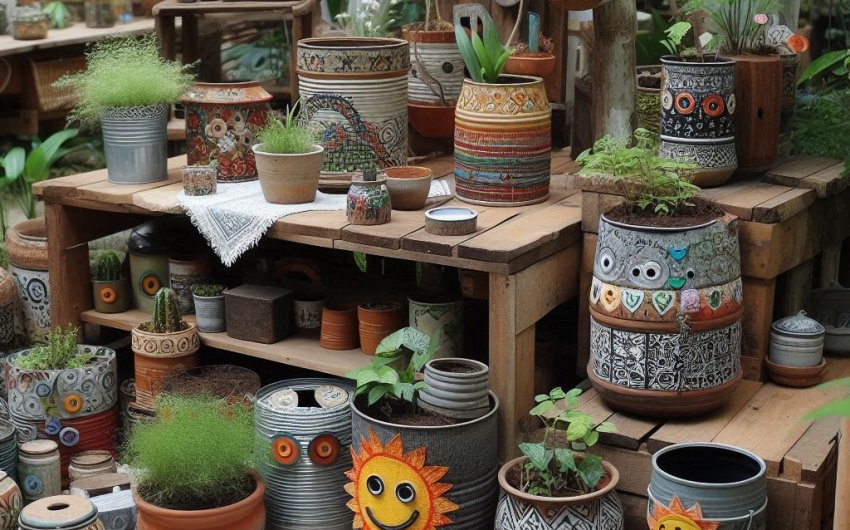
Dreaming of a beautiful, functional garden but working with a tight budget? Transforming your outdoor space doesn't have to break the bank. With a little creativity and some elbow grease, you can craft unique and practical additions to your garden using affordable, repurposed, or readily available materials. This comprehensive guide is packed with fantastic low-cost garden DIY projects that will help you cultivate the garden of your dreams without overspending.
Why Embrace Low-Cost Garden DIY Projects?
DIY garden projects are a fantastic way to personalize your outdoor space, save money, and get creative with materials. This section explores the benefits of hands-on gardening.
Opting for low-cost garden DIY projects is more than just a way to save money; it's a journey into creativity, sustainability, and personal satisfaction. Building things with your own hands infuses your garden with unique character and a sense of pride that store-bought items simply can't replicate. It's about resourceful gardening that makes every penny and every piece of material count.
What are the Benefits of DIY Gardening?
Taking a do-it-yourself approach to your garden offers numerous advantages, from financial savings to enhanced creativity.
The decision to embark on low-cost garden DIY projects brings a wealth of positive outcomes for both your wallet and your green space.
- Significant Cost Savings: This is often the primary driver. Store-bought garden decor, planters, and structures can be surprisingly expensive. DIY allows you to use reclaimed materials or purchase inexpensive supplies, drastically reducing costs.
- Personalization and Uniqueness: Your garden reflects you! DIY projects allow you to create one-of-a-kind items that perfectly match your style and the unique character of your outdoor space, avoiding generic mass-produced items.
- Sustainability and Resourcefulness: Repurposing old items (like tires, plastic bottles, or pallets) for new uses in the garden reduces waste and promotes a more eco-friendly lifestyle. It's about giving items a second life.
- Learning New Skills: Each project is an opportunity to learn something new – woodworking, painting, basic construction, or even just creative problem-solving. These skills can be applied to other areas of your home and life.
- Sense of Accomplishment: There's immense satisfaction in looking at something in your garden and knowing you built it yourself. This hands-on involvement deepens your connection to your garden.
- Therapeutic and Relaxing: For many, the process of creating and building is a wonderful way to de-stress and engage in a fulfilling hobby.
- Customization: You can tailor your DIY projects to fit specific spaces, plant needs, or design preferences, something often difficult with off-the-shelf products.
Where Can You Find Low-Cost or Free Materials?
Finding affordable or free materials is key to keeping your DIY garden projects within budget.
The hunt for materials is half the fun when you're planning low-cost garden DIY projects. A keen eye for discarded items can lead to amazing finds.
- Curbside Alerts: Drive or walk around on trash day in your neighborhood. You might find discarded wooden pallets, old tires, plastic containers, broken furniture, or even old bricks that can be repurposed. Always ask permission if items are on private property.
- Online Freebie Groups: Websites like Craigslist (free section), Facebook Marketplace (free groups), and local Buy Nothing groups are treasure troves for free materials. People often give away moving boxes, old fencing, pavers, or leftover building materials.
- Construction Sites (with permission): Sometimes, construction sites have leftover wood scraps, bricks, or even metal pieces that they might be willing to let you take for free, especially if it saves them disposal costs. Always ask the site manager first!
- Friends, Family, and Neighbors: Spread the word that you're looking for old items. They might have things in their garage or shed that they'd be happy to give away.
- Local Businesses: Ask small businesses (like nurseries, hardware stores, or lumber yards) if they have broken pallets or other waste materials they need to get rid of.
- Garage Sales/Thrift Stores: While not always free, you can often find very inexpensive items like old tools, unique pots, baskets, or decorative elements that can be repurposed.
- Nature: Stones, fallen branches, logs, and pinecones can all be used in creative ways in your garden. Just ensure you're allowed to collect them from public lands.
- Your Own Home: Look around your house! Old jeans can become hanging planters, plastic bottles can be turned into watering devices, and tin cans can become herb pots.
What are Creative DIY Planter Ideas?
Repurposing everyday items into unique and affordable planters adds character and charm to your garden. This section explores imaginative container ideas.
Planters don't have to be expensive. With a bit of imagination, you can transform ordinary objects into extraordinary homes for your plants, perfectly embodying the spirit of low-cost garden DIY projects.
How Can You Turn Old Tires into Planters?
Old tires, often discarded, can be given a vibrant new life as sturdy and interesting garden planters.
Reclaiming old tires is a fantastic way to engage in low-cost garden DIY projects, turning potential waste into eye-catching features.
- Preparation: Clean the tire thoroughly with a stiff brush and soapy water to remove dirt and grime. Ensure it's completely dry before proceeding.
- Painting: Paint the tire with bright, weather-resistant outdoor paint to add a pop of color and cover the black rubber. Use a good quality exterior spray paint or brush-on paint designed for plastics/rubber. Let it dry completely.
- Stacking (Optional): For a tiered planter, you can stack two or three tires, offsetting them slightly for visual interest.
- Drainage: If using a single tire flat on the ground, ensure there's good drainage. You can drill a few holes in the bottom if it's sitting on a solid surface. If on soil, simply ensure the tire is placed on a slightly elevated, well-drained spot.
- Filling: Line the bottom with a layer of landscape fabric to prevent soil from washing out if drainage holes are present. Fill with a suitable potting mix and plant your flowers or vegetables.
- Safety Note: Be aware that some people have concerns about chemicals leaching from tires over time, especially for edible crops. If this is a concern, consider lining the entire inside of the tire with heavy-duty plastic sheeting before adding soil, or use them exclusively for ornamental plants.
What are Unique Upcycled Container Ideas?
Look around your home for discarded items that can be transformed into quirky and functional planters.
Upcycling is at the heart of low-cost garden DIY projects, turning trash into garden treasures.
- Plastic Bottles: Cut large plastic water or soda bottles horizontally to create mini planters for herbs or seedlings. Punch drainage holes in the bottom. You can also hang them vertically in a "bottle garden."
- Tin Cans: Remove labels and clean out old food cans. Punch drainage holes in the bottom with a can opener or nail and hammer. Paint them in bright colors for a cheerful display of small flowers or herbs.
- Old Drawers: If you have an old dresser, remove the drawers. Line them with weed fabric or plastic, drill drainage holes, and fill with soil. They make charming elevated garden beds.
- Broken Ceramics/Tiles: Don't throw away chipped teacups, cracked pitchers, or broken ceramic tiles! They can be used as unique small planters for succulents or as beautiful mosaic decorations within larger beds. Use strong waterproof glue for mosaics.
- Old Shoes/Boots: A pair of well-worn boots or shoes can make a fun, quirky planter for small annuals or succulents. Just ensure drainage by poking holes.
- Colanders: An old metal colander, especially if it's seen better days, already has drainage holes and can be a charming hanging basket.
- Pallets: Wooden pallets can be disassembled to create vertical planters (stacking boards to form shelves) or used whole as a rustic fence or a base for a raised bed. A pry bar is helpful for disassembling pallets. Ensure pallets are heat-treated (HT stamp) and not chemically treated (MB stamp) if growing edibles.
How Can You Build Functional Garden Structures on a Budget?
Creating essential garden structures like raised beds, trellises, and compost bins can be surprisingly affordable using repurposed materials. This section provides DIY ideas for structures.
Functional structures are key to an organized and productive garden, and building them yourself using budget-friendly materials is a core principle of low-cost garden DIY projects.
What are Easy DIY Raised Bed Options?
Raised beds offer many gardening benefits, and they don't have to be expensive to build.
Building raised beds from scratch is a prime example of low-cost garden DIY projects that greatly improve your gardening experience.
- Pallet Wood Raised Beds: Disassemble wooden pallets into individual planks. You can then nail or screw these planks together to form the sides of a raised bed. Choose heat-treated (HT) pallets, not chemically treated (MB) ones, especially for edibles. You'll need wood screws and a cordless drill.
- Cinder Block Beds: Arrange cinder blocks (often available cheaply or free) in a rectangle or square. The holes can even be filled with soil to plant small herbs or flowers. This method requires no special tools and is very sturdy.
- Log or Rock Borders: If you have access to fallen logs or abundant rocks, these can be stacked to create natural-looking, inexpensive raised bed borders.
- Corrugated Metal Beds: If you can find salvaged corrugated metal roofing, it can be cut and bent (carefully, with appropriate safety gear) into a circular or rectangular raised bed. Use tin snips and work gloves.
- Wattle Fencing (Branch Weaving): For a truly rustic look, weave flexible branches (like willow or hazel) between vertical stakes to create a beautiful, naturalistic raised bed border.
How Can You Make DIY Trellises and Supports?
Provide support for climbing plants using simple, found materials.
Creating your own supports is a practical and creative aspect of low-cost garden DIY projects, helping your vining plants thrive.
- Branch Trellises: Collect sturdy, fallen branches (ensure they are dead or from pruning, not freshly cut from live trees unless permitted). Arrange them in a teepee shape, or weave them into a grid, securing with garden twine or zip ties.
- Old Ladder Trellis: An old wooden ladder, propped against a wall or secured, can provide fantastic support for climbing beans, cucumbers, or even small squash.
- Rebar or Metal Scraps: If you have access to thin rebar or other scrap metal rods, they can be bent and inserted into the ground to create sturdy, long-lasting supports for tomatoes or other vining plants. A rebar bender might be helpful.
- Cattle Panels or Remesh: Often found at farm supply stores, these large, sturdy wire panels can be cut (with bolt cutters) and bent into arches or straight trellises, providing robust support for heavy vining crops.
- String or Netting: For lighter climbers like peas or nasturtiums, simply string garden netting between two sturdy posts or use taught lines of heavy-duty garden string.
What are Simple DIY Compost Bin Designs?
Composting is essential for healthy soil, and you can build a functional bin with minimal expense.
Creating your own compost system is one of the most rewarding and truly low-cost garden DIY projects, turning kitchen and yard waste into valuable soil amendment.
- Pallet Compost Bin: This is a classic and very easy option. Stand four wooden pallets upright to form a square, securing them at the corners with zip ties or screws. This creates a breathable, open-sided bin.
- Wire Mesh Bin: Form a cylinder or square with a roll of hardware cloth or chicken wire, securing the ends with wire or zip ties. This simple bin is great for aeration.
- Trash Can Composter: Drill numerous holes (about 1 inch diameter) all over an old plastic trash can for aeration and drainage. Add a lid. You can even insert a sturdy rod through the middle to help with turning.
- Cinder Block Compost Pile: Similar to the raised bed, simply stack cinder blocks to create an open-top, multi-bay compost system, allowing for turning and aging of compost.
How Can You Create Low-Cost Garden Decor and Accessories?
Add personality and practical elements to your garden without spending a fortune, using creative decorations and accessories. This section explores imaginative and affordable decor.
Injecting your personal flair into your outdoor space is effortlessly achieved through low-cost garden DIY projects that focus on charming decor and helpful accessories.
What are Easy DIY Garden Markers?
Clear plant markers help you remember what you've planted, and they can be decorative too!
Making your own garden markers is a small but impactful way to personalize your garden through low-cost garden DIY projects.
- Painted Rocks: Collect smooth, flat rocks. Use weather-resistant outdoor paint pens or acrylic paints and a sealant to label plants or draw fun designs.
- Wine Corks: Glue wine corks onto skewers or sticks, then write the plant names on the corks with a permanent marker.
- Popsicle Sticks: Simple and effective for seedlings or annuals. Write names on them with a permanent marker. These are great for temporary marking.
- Spoon/Fork Markers: Bend old metal spoons or forks, flatten the bowl/tines, and engrave or write the plant name using an engraving tool or tough permanent marker.
- Broken Pottery Shards: Write plant names on pieces of broken terra cotta pots or ceramic plates. Stick the pointed end into the soil.
How Can You Make DIY Bird Feeders and Baths?
Attract feathered friends to your garden with homemade feeders and refreshing bird baths.
Inviting wildlife into your garden through homemade elements is another delightful aspect of low-cost garden DIY projects.
- Plastic Bottle Bird Feeder: Cut holes in an old plastic bottle, insert wooden spoons for perches, and fill with birdseed. Hang it with string.
- Tin Can Bird Feeder: Decorate a clean tin can, attach a small perch (a twig works), and fill it. Hang it horizontally or vertically.
- Terra Cotta Saucer Bird Bath: Glue an upside-down terra cotta pot to a larger terra cotta saucer using strong outdoor adhesive. Fill the saucer with a shallow layer of water.
- Upcycled Bowl Bird Bath: Find an old, shallow ceramic bowl or a sturdy, wide serving dish. Elevate it on a tree stump, stack of bricks, or an old plant stand.
- Pinecone Bird Feeder: Spread peanut butter (or a non-toxic fat substitute) into the scales of a large pinecone, roll it in birdseed, and hang.
What are Other Creative Decor Ideas?
Add whimsy and personality to your garden with repurposed everyday items.
These creative touches truly elevate the aesthetic of your garden, proving that low-cost garden DIY projects can be both practical and beautiful.
- Bottle Tree: Collect colorful glass bottles and slide them onto the ends of bare tree branches or sturdy metal rods embedded in the ground. The sun sparkling through the bottles creates a beautiful effect.
- Painted Rocks/Pavers: Beyond markers, paint large rocks or pavers with vibrant designs, patterns, or even "welcome" messages to create garden art or informal pathway accents.
- Old Tool Display: Hang antique or rusted garden tools (rakes, shovels, watering cans) on a fence or shed wall for a rustic, vintage look.
- Shell or Glass Orb Wind Chimes: String together collected seashells, smooth glass shards (tumbled beach glass is ideal), or colorful beads onto fishing line or thin wire to create charming, tinkling wind chimes. Use a piece of driftwood or a sturdy branch as a top bar.
- Mirror Garden Art: Secure an old mirror (ensure it's weatherproof or in a sheltered spot) to a fence or wall to create the illusion of more space and reflect light into darker corners of the garden.
By embracing the spirit of resourceful creation, you can achieve a uniquely charming and highly functional garden space through various low-cost garden DIY projects, proving that gardening doesn't have to be an expensive hobby to be incredibly rewarding.