
Grow Indoors: Your Guide to Indoor Gardening Without Grow Lights
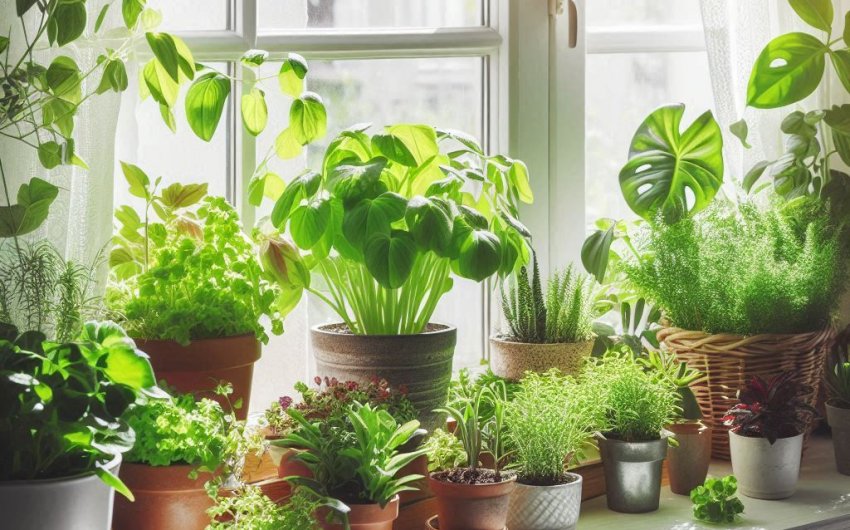
Dreaming of a lush indoor oasis, brimming with vibrant greenery and perhaps even fresh herbs, but worried about the cost or complexity of specialized equipment? Fear not! Cultivating plants within your home doesn't always require fancy setups. This comprehensive guide will show you how to master indoor gardening without grow lights, making the most of natural illumination and smart plant choices to bring the joy of nature indoors.
Why Choose Indoor Gardening Without Grow Lights?
Indoor gardening offers numerous benefits, from fresh produce to improved air quality, and doing so without grow lights simplifies the process. This section explores the advantages of natural-light indoor gardening.
Embracing indoor gardening without grow lights opens up a world of possibilities for urban dwellers, apartment residents, or anyone looking to add a touch of green to their living space with minimal fuss. It's a budget-friendly and energy-efficient way to connect with nature, bringing beauty, fresh flavors, and improved air quality right into your home.
What are the Benefits of Indoor Gardening?
Cultivating plants inside your home offers a surprising array of advantages, both practical and personal.
The appeal of indoor gardening without grow lights extends beyond just having pretty plants; it contributes positively to your well-being and home environment.
- Fresh Produce at Your Fingertips: Imagine having a ready supply of herbs, leafy greens, or even small fruits year-round, right in your kitchen. This provides convenience and ensures you have access to fresh, healthy ingredients whenever you need them.
- Improved Air Quality: Plants are natural air purifiers. They absorb carbon dioxide and release oxygen, and some species can even filter out common indoor pollutants, leading to a healthier living environment.
- Stress Reduction and Well-being: Studies show that interacting with plants and being surrounded by nature can significantly reduce stress, improve mood, and boost overall mental well-being.
- Aesthetic Appeal: Plants add beauty, texture, and a vibrant touch to any interior design, transforming sterile spaces into inviting havens.
- Cost Savings: Growing your own herbs and some vegetables can reduce your grocery bill over time, especially for expensive specialty items.
- Year-Round Enjoyment: Unlike outdoor gardens limited by seasons, indoor gardens allow you to continue cultivating and enjoying plants no matter the weather outside.
- Educational Opportunity: For families, indoor gardening is a fantastic way to teach children about botany, nature, and where their food comes from.
- Pest and Disease Control: Indoor plants are generally less susceptible to outdoor pests and diseases, simplifying plant care.
What are the Challenges of Gardening Without Grow Lights?
While beneficial, relying solely on natural light presents specific hurdles that gardeners must understand and overcome.
Successfully navigating indoor gardening without grow lights means being aware of and adapting to the limitations of natural illumination.
- Limited Light Availability: The biggest challenge is that natural indoor light is significantly weaker and less consistent than outdoor sunlight. Windows filter out much of the light, and angles can mean plants receive only a few hours of direct sun.
- Seasonal Fluctuations: Light intensity and duration change dramatically with the seasons. A sunny spot in summer might become too dim in winter, especially in northern latitudes.
- Plant Selection: Not all plants can thrive indoors without supplemental light. You'll need to choose species specifically adapted to lower light conditions.
- Leggy Growth: Plants stretching excessively towards a light source, resulting in long, weak stems and sparse foliage, is a common sign of insufficient light. This is called "etiolation."
- Reduced Flowering/Fruiting: Plants need a lot of light energy to produce flowers and fruit. Low light often means beautiful foliage but little to no bloom or harvest.
- Window Orientation Matters: The direction your windows face (North, South, East, West) dramatically impacts the amount and intensity of light received.
- Obstructions: Overhanging eaves, nearby buildings, or large trees outside your windows can block valuable natural light.
How Do You Assess Your Indoor Lighting Conditions?
Understanding the amount and type of natural light your home receives is the first and most critical step for successful indoor gardening without grow lights. This section guides you through evaluating your light.
Before you even think about buying plants, take stock of your home's natural light. This crucial assessment will dictate what you can grow and where, making your venture into indoor gardening without grow lights much more successful.
What are the Different Types of Natural Indoor Light?
Indoor light isn't a single entity; it varies in intensity and duration depending on location and window orientation.
Knowing these categories helps you correctly place your plants when practicing indoor gardening without grow lights.
- Bright, Direct Light (Full Sun Equivalent): This is typically found in south-facing windows (in the Northern Hemisphere) or west-facing windows that receive direct, unfiltered sunlight for 4-6 hours or more per day. This is the strongest indoor light you'll get, but it can also be intense and cause sunburn on sensitive plants.
- Bright, Indirect Light (Partial Sun/Partial Shade Equivalent): This is a bright area, but the sun's rays don't directly hit the plant. It can be a few feet away from a very sunny window, or near an east or west-facing window that receives morning or late afternoon sun, but no harsh midday sun. Most houseplants prefer this type of light.
- Medium Light (Moderate Shade Equivalent): This is a room that feels generally bright but receives no direct sunlight. It might be near a north-facing window or a few feet into a room from a bright, indirect source. Plants here can read a book comfortably.
- Low Light (Deep Shade Equivalent): This is an area far from any window or near a window that faces a wall or is heavily shaded. It's often enough light for reading, but very few plants thrive here.
How Can You Measure Your Indoor Light?
Beyond simply looking, there are practical ways to gauge the actual light levels in your home.
Getting a more accurate picture of your light conditions is invaluable for successful indoor gardening without grow lights.
- The "Hand Test": On a sunny day, hold your hand (or a piece of white paper) about 12 inches above where your plant will sit.
- Direct Sun: You'll see a sharp, distinct shadow.
- Bright Indirect: The shadow will be soft and blurry but still noticeable.
- Medium Light: You'll see a very faint, almost imperceptible shadow.
- Low Light: No discernible shadow.
- Smart Phone Light Meter Apps: While not professional-grade, many free or inexpensive smartphone apps can give you a rough Lux or Foot-Candle reading (units of light intensity). Use these as a comparative tool to see how light levels vary in different spots in your home. Search your app store for "light meter."
- Observe Throughout the Day and Season: Pay attention to how the light changes in a particular spot throughout the day and as the seasons shift. A great summer spot might be too dark in winter.
- Note Obstructions: Look outside your windows. Are there trees, buildings, or awnings that block light? How much glass is there, and is it clean? Clean windows let in more light! Use a window cleaning kit to maximize light transmission.
- Reflective Surfaces: Consider how light bounces off walls. Light-colored walls and ceilings can reflect more light, making a space brighter. You can even use reflective panels (like white foam board or aluminum foil on cardboard) to bounce light towards plants.
What are the Best Plants for Low-Light Indoor Gardening?
Many beautiful and resilient plants can thrive in less-than-ideal light conditions, making them perfect for indoor gardening without grow lights. This section lists popular choices.
Successfully engaging in indoor gardening without grow lights hinges entirely on selecting plants that are naturally adapted to lower light levels. These species will not only survive but truly flourish in the dimmer corners of your home.
Which Foliage Plants Tolerate Low Light?
These plants are prized for their attractive leaves and can brighten up even dimly lit spaces.
Foliage plants are the unsung heroes of indoor gardening without grow lights, providing lush greenery and texture even when flowers are out of the question.
- ZZ Plant (Zamioculcas zamiifolia): Incredibly tolerant of neglect and low light, the ZZ Plant features glossy, dark green leaves. It's nearly indestructible, making it perfect for beginners.
- Snake Plant (Sansevieria trifasciata): Also known as Mother-in-Law's Tongue, Snake Plants are incredibly forgiving and thrive in very low light. Their upright, sword-like leaves come in various patterns.
- Pothos (Epipremnum aureum): A classic trailing plant, Pothos comes in many variegated forms and can tolerate low to medium light. It's great for hanging baskets or shelves where its vines can cascade.
- Peace Lily (Spathiphyllum): Known for its elegant white "flowers" (actually modified leaves called spathes) and dark green foliage, Peace Lilies thrive in medium to low light, though flowering may be reduced in very dim conditions. They are also excellent at purifying air.
- Chinese Evergreen (Aglaonema): These plants come in a stunning array of patterns and colors, from deep green to reds and pinks. Chinese Evergreens are very adaptable to low light.
- Cast Iron Plant (Aspidistra elatior): As its name suggests, the Cast Iron Plant is incredibly tough and can tolerate very low light, inconsistent watering, and even cool temperatures. It has long, dark green leaves.
- Dracaena (Dracaena species): Many varieties, such as Dracaena fragrans ('Corn Plant') or Dracaena marginata ('Dragon Tree'), tolerate medium to low light and offer interesting architectural forms.
Which Edible Plants Can Be Grown in Low Light?
While most edibles prefer bright light, some can still produce in dimmer conditions, especially leafy greens and certain herbs.
Even if you're restricted to indoor gardening without grow lights, you can still enjoy a small harvest of fresh, homegrown edibles.
- Lettuce (Loose-leaf varieties): Many loose-leaf lettuce types, especially red-leaf or green-leaf varieties, can produce usable leaves in medium to low light. They won't form full heads but can be harvested for salads. Try a small indoor lettuce planter.
- Spinach: Similar to lettuce, spinach can tolerate medium light and produce edible leaves.
- Mint (Mentha species): Most mint varieties are quite adaptable and can grow well in medium light, providing fragrant leaves for tea or cooking. It's often best in a dedicated herb pot as it can spread vigorously.
- Chives (Allium schoenoprasum): These oniony herbs are relatively low-light tolerant and can provide fresh clippings for cooking. Chives are easy to grow from seed or a small plant.
- Cilantro (Coriandrum sativum): While it prefers brighter light, cilantro can produce a modest harvest in medium light. Keep it cool to prevent bolting (going to seed).
- Parsley (Petroselinum crispum): Both curly and flat-leaf parsley can do reasonably well in medium light conditions.
- Scallions/Green Onions (from scraps): You can easily regrow scallions from their root ends in a glass of water on a windowsill, providing continuous fresh greens.
What Are Essential Care Tips for Low-Light Indoor Plants?
Even light-tolerant plants need proper care to thrive indoors. This section covers crucial aspects like watering, potting, and feeding.
Mastering indoor gardening without grow lights means paying close attention to every aspect of plant care, as their resilience doesn't mean they can simply be ignored.
How Should You Water and Fertilize Low-Light Plants?
Watering and feeding routines need to be adjusted for plants living in lower light environments, as they metabolize slower.
Precision in watering and fertilizing is key for plants in indoor gardening without grow lights to prevent common issues like root rot or nutrient burn.
- Water Less Frequently: Plants in low light use less water because photosynthesis is slower, and there's less evaporation. Overwatering is the biggest killer of indoor plants. Always check the soil moisture before watering. Stick your finger an inch or two into the soil; if it feels dry, then water. Consider a soil moisture meter for accuracy.
- Ensure Good Drainage: Always use pots with drainage holes and a drainage tray to prevent water from sitting around the roots.
- Fertilize Sparingly: Low-light plants grow slower and therefore need less fertilizer. Over-fertilizing can burn roots. Use a balanced liquid houseplant fertilizer at half strength, maybe once every 2-4 months during the growing season (spring and summer), and avoid fertilizing in winter.
- "Leaching" Soil: If you notice a white crust on the soil surface or pot rim (salt buildup from water and fertilizer), periodically flush the pot with plain water. Let water run through for several minutes, allowing excess salts to drain out.
What are the Best Potting and Humidity Practices?
Choosing the right pot and managing humidity levels are important for the health of your indoor plants.
Attention to detail in potting and environmental factors significantly impacts the success of indoor gardening without grow lights.
- Pot Size: Don't over-pot. A pot that's too large holds too much moisture, leading to root rot. Choose a pot that's only slightly larger than the root ball. Many low-light plants prefer to be a bit "root-bound."
- Potting Mix: Use a high-quality indoor potting mix that offers good drainage and aeration. Avoid heavy garden soil, which can compact and suffocate roots indoors.
- Humidity: Most indoor environments, especially with central heating/cooling, are drier than plants prefer. Low-light plants often come from humid tropical regions.
- Pebble Trays: Place pots on a pebble tray filled with water, ensuring the pot sits on the pebbles, not in the water. As the water evaporates, it increases humidity around the plant.
- Misting: Lightly misting foliage with a plant mister can provide a temporary humidity boost.
- Grouping Plants: Grouping plants together naturally increases humidity as they release moisture through transpiration.
- Humidifier: For serious plant enthusiasts, a small room humidifier can create a more ideal environment.
- Clean Leaves: Dust can block light absorption. Periodically wipe down plant leaves with a soft, damp cloth to keep them clean and maximize photosynthesis.
What are General Maintenance Tips?
Consistent observation and minor adjustments will keep your indoor garden thriving.
Regular attention to these details will ensure your efforts in indoor gardening without grow lights are rewarded with healthy, vibrant plants.
- Rotate Plants: Periodically rotate your plants (e.g., once a week) so all sides receive equal exposure to the light source. This prevents plants from leaning excessively towards the window.
- Monitor for Pests: Even indoors, pests can appear (e.g., spider mites, mealybugs). Inspect your plants regularly. Address issues quickly with organic insecticidal soap or by wiping them off with rubbing alcohol on a cotton swab.
- Pruning: Remove any yellowing, dead, or diseased leaves. Pruning can also encourage bushier growth.
- Repotting: Repot plants only when they become root-bound (roots are circling the bottom of the pot or growing out of drainage holes), typically every 1-2 years, using a pot only one size larger.
- Observe Your Plants: The most important tip is to pay attention. Your plants will tell you what they need through their appearance. Yellowing leaves, drooping, or leggy growth are all signals.
By understanding your natural light, choosing the right species, and applying mindful care techniques, you can enjoy the rewarding experience of indoor gardening without grow lights, transforming your living space into a thriving green sanctuary.