
Supercharge Your Garden: Regenerating Soil with Cover Crops
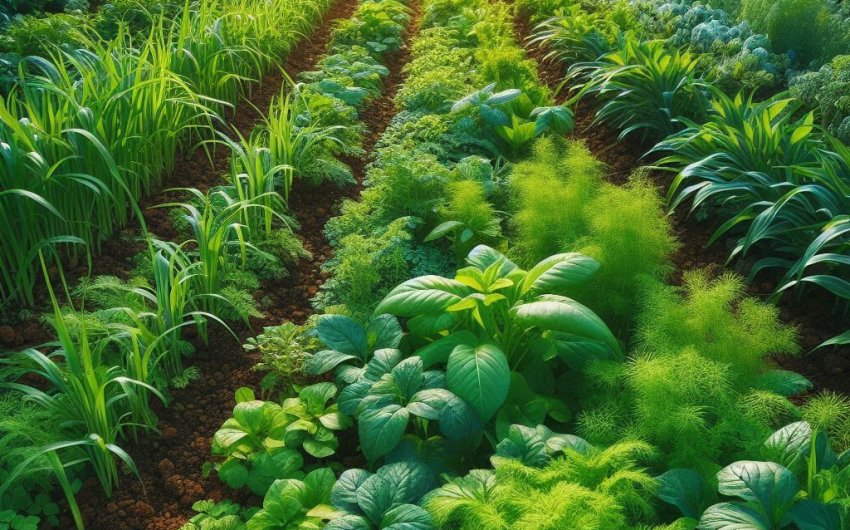
For any gardener aiming to boost their harvest and nurture a thriving ecosystem beneath their feet, understanding how to improve soil vitality is paramount. The secret often lies in harnessing nature's own processes, particularly through the strategic use of beneficial plants. This comprehensive guide delves into the transformative power of regenerating soil with cover crops, exploring how these green allies can revolutionize your garden's health and productivity.
Why is Soil Health So Important for Your Garden?
Healthy soil is the foundation of a productive garden, providing essential nutrients, water, and support for plant roots. This section explains the critical role of vibrant soil.
Just as a strong foundation is crucial for a house, robust soil is indispensable for a flourishing garden. It’s not merely dirt; it’s a living, breathing ecosystem teeming with microorganisms, fungi, and invertebrates that all work together to support plant life. Without good soil, plants struggle to absorb water and nutrients, making them weak and vulnerable to pests and diseases. The key to successful gardening truly begins below the surface.
What Makes Soil "Healthy"?
Healthy soil possesses specific characteristics that enable it to support vigorous plant growth and a vibrant underground ecosystem.
Understanding these characteristics helps you work towards regenerating soil with cover crops and other organic methods.
- Rich in Organic Matter: This is the decomposed remains of plants and animals. Organic matter acts like a sponge, holding water and nutrients, and is the primary food source for beneficial soil microbes. Good soil typically has 3-5% organic matter.
- Good Structure (Tilth): Healthy soil has a crumbly, porous structure with spaces for air and water. This allows roots to grow easily and prevents waterlogging. It feels loose and easy to work with.
- Abundant Microbial Life: Billions of bacteria, fungi, protozoa, and other tiny organisms live in healthy soil. These microbes break down organic matter, cycle nutrients, and help protect plants from diseases.
- Balanced Nutrients: Healthy soil provides a balanced supply of essential plant nutrients (like nitrogen, phosphorus, and potassium), as well as micronutrients. These nutrients become available to plants through the activity of soil organisms.
- Good Drainage and Water Retention: Healthy soil allows excess water to drain away while still holding enough moisture for plants to thrive, preventing both drought stress and root rot.
- Proper pH Level: Soil pH (acidity or alkalinity) affects how well plants can absorb nutrients. Most garden plants prefer a slightly acidic to neutral pH (6.0-7.0). A soil testing kit can help you determine your soil's pH.
What Problems Arise from Unhealthy Soil?
When soil lacks these vital characteristics, gardens face a host of challenges that hinder plant growth and productivity.
Poor soil health can lead to a frustrating cycle of struggles, making the concept of regenerating soil with cover crops even more appealing.
- Nutrient Deficiencies: Without enough organic matter and microbial activity, soil can't hold or supply enough nutrients, leading to stunted growth, yellowing leaves, and poor yields.
- Compaction: When soil is heavily used or walked on without organic matter, it becomes dense and hard (compacted). This limits air and water movement, making it difficult for roots to penetrate and for water to drain. A soil penetrometer can measure compaction.
- Erosion: Bare soil is vulnerable to being washed away by rain or blown away by wind, leading to loss of topsoil, which is the most fertile layer.
- Poor Water Management: Compacted soil can't absorb water well, leading to runoff and wasted water. Loosely structured soil might drain too quickly, causing plants to dry out.
- Increased Pests and Diseases: Weakened plants in unhealthy soil are more susceptible to pest infestations and plant diseases.
- Low Yields: Ultimately, all these issues combine to reduce the quantity and quality of your garden's produce.
What Are Cover Crops and How Do They Work?
Cover crops are plants grown specifically to benefit the soil, rather than for harvest. This section defines them and explains their general functions.
A cover crop is like a superhero for your garden beds when they're not actively growing your main crops. Instead of leaving the soil bare and exposed, you plant these special allies to work their magic. They build up the earth's natural strength and fertility, ensuring a robust foundation for future plantings.
What are the Main Functions of Cover Crops?
Cover crops perform multiple valuable services that contribute to building healthy, vibrant soil.
Understanding these functions highlights why regenerating soil with cover crops is such an powerful strategy for gardeners.
- Erosion Control: Their roots hold the soil in place, preventing wind and water from carrying away precious topsoil. The foliage also acts as a barrier, cushioning the impact of raindrops.
- Weed Suppression: By growing thickly, cover crops outcompete weeds for sunlight, water, and nutrients, effectively smothering them. This means less weeding for you later!
- Adding Organic Matter: When cover crops are tilled into the soil (or left on the surface as "chop and drop"), their plant material breaks down, adding valuable organic matter. This improves soil structure, water retention, and provides food for soil microbes.
- Nutrient Cycling and Retention: Cover crops take up nutrients that might otherwise leach out of the soil. When they decompose, these nutrients are released back into the soil, making them available for your main crops. Some, like legumes, even "fix" nitrogen from the air.
- Improving Soil Structure: Their roots penetrate deep into the soil, creating channels that improve aeration and drainage, especially in compacted soils. As roots decay, they leave behind tiny tunnels that help water and air move freely.
- Increasing Biodiversity: Cover crops provide habitat and food for beneficial soil organisms, from earthworms to microscopic bacteria and fungi, leading to a more vibrant and resilient soil ecosystem.
- Pest and Disease Management: Some cover crops can deter specific pests or break pest and disease cycles in the soil. For instance, certain mustards release compounds that can suppress soil-borne pathogens.
When is the Best Time to Plant Cover Crops?
The timing of planting depends on your climate, the type of cover crop, and your main crop rotation.
Generally, cover crops are planted during periods when your main garden beds would otherwise be empty, fitting perfectly into a plan for regenerating soil with cover crops.
- Fall Planting (Most Common): After your summer crops are harvested (late summer to early fall), planting cover crops like winter rye or hairy vetch allows them to establish before cold weather sets in. They will either grow slowly through winter or go dormant and then resume growth in spring.
- Spring Planting: If a bed becomes free in early spring before you're ready to plant warm-season crops, a fast-growing cool-season cover crop like oats or peas can be planted. They will grow for a few weeks and then be tilled in before your main crops go in.
- Summer Planting (Short-Term Fallow): If you have a bed that will be empty for a short period in summer, a warm-season cover crop like buckwheat or sudangrass can be planted to prevent weeds and add organic matter. These grow quickly.
- Undersowing/Interseeding: In some cases, low-growing cover crops (like clover) can be sown beneath taller main crops (like corn or tomatoes) to provide continuous soil benefits without competing too much. A handheld seed spreader can help distribute seeds evenly.
Which Types of Cover Crops Should You Choose?
Cover crops fall into different categories, each offering unique benefits to the soil. This section describes the main types and their uses.
Selecting the right kind of plant is critical for successfully regenerating soil with cover crops, as each group offers specific advantages to your garden.
What are Legume Cover Crops?
Legumes are famous for their ability to add nitrogen to the soil, a vital nutrient for leafy growth.
Legumes form a special partnership with tiny bacteria in their roots (Rhizobium bacteria). These bacteria take nitrogen gas from the air and turn it into a form that plants can use, a process called nitrogen fixation. This makes them invaluable for naturally enriching your soil.
- Hairy Vetch (Vicia villosa): A popular winter annual legume that can provide a good nitrogen boost and significant biomass (plant material). Hairy vetch seeds are often sown in the fall.
- Crimson Clover (Trifolium incarnatum): Known for its beautiful red flowers in spring, crimson clover seeds are excellent for nitrogen fixation and attracting pollinators. It's a popular choice for fall planting in milder climates.
- Alsike Clover (Trifolium hybridum): A perennial clover that tolerates a wide range of soil types and can be a good choice for longer-term cover.
- Field Peas (Pisum sativum arvense): A cool-season annual that grows quickly and provides good organic matter and nitrogen. Field pea seeds are good for spring or fall planting.
- Soybean (Glycine max): A warm-season legume that provides excellent nitrogen fixation and biomass in hotter climates.
What are Non-Legume Cover Crops?
These cover crops offer benefits like weed suppression, organic matter addition, and deep root systems, without necessarily fixing nitrogen.
Non-legume cover crops play different but equally important roles in regenerating soil with cover crops, focusing on improving soil structure, preventing erosion, and scavenging nutrients.
- Cereal Rye / Winter Rye (Secale cereale): This is one of the most popular and hardy cool-season cover crops. Winter rye seeds grow well in cold temperatures, effectively suppressing weeds and preventing erosion. It produces a lot of biomass.
- Oats (Avena sativa): A quick-growing cool-season annual that winter-kills (dies off with hard frosts) in many northern climates, making it easier to manage in spring. Oat seeds are good for erosion control and adding organic matter.
- Buckwheat (Fagopyrum esculentum): A warm-season annual that grows incredibly fast (matures in 30-45 days), making it ideal for short fallow periods in summer. Buckwheat seeds are excellent for weed suppression and attracting beneficial insects.
- Sudangrass (Sorghum x drummondii): A warm-season grass that produces a tremendous amount of biomass and has deep roots that break up compacted soil. Sudangrass seeds are great for severe compaction issues.
- Rapeseed / Forage Radish (Raphanus sativus): These brassicas have deep, powerful taproots that can break up hardpans (dense layers of soil) and scavenge nutrients from deep in the soil. Forage radish seeds are a fantastic "bio-tiller."
- Mustard (Brassica juncea): Certain mustard varieties, when tilled into the soil, release compounds that can act as a biofumigant, helping to suppress soil-borne diseases and nematodes. Mustard cover crop seeds can be a natural pest deterrent.
Can You Mix Cover Crops?
Mixing different types of cover crops can maximize their benefits, leveraging the strengths of each.
Combining various species creates a synergy, leading to even better results for regenerating soil with cover crops.
- Legume-Grass Mixes: This is a very common and highly effective strategy. For example, mixing hairy vetch (for nitrogen fixation) with winter rye (for biomass, erosion control, and weed suppression) gives you the best of both worlds. The grass provides a "scaffold" for the vetch to climb, and both contribute significant organic matter. You can often find cover crop mixes specifically formulated for this purpose.
- Biodiversity Benefits: A diverse mix of root systems (deep taproots, fibrous roots) and above-ground growth habits (creeping, upright) can improve soil structure at different depths and provide a wider range of benefits.
- Seasonal Suitability: Some mixes are designed for specific planting seasons (e.g., a "winter mix" or a "summer quick fix").
- Attracting Pollinators and Beneficial Insects: Diverse flowering cover crops (like clovers or buckwheat) can provide nectar and pollen for pollinators and attract beneficial insects to your garden.
How Do You Plant and Terminate Cover Crops?
Proper planting and timely termination are crucial for maximizing the benefits of cover crops and preparing your beds for main crops. This section provides practical guidance.
Successfully regenerating soil with cover crops involves more than just scattering seeds; knowing when and how to plant them, and critically, how to end their growth cycle, is paramount for integrating them into your garden plan.
How Do You Plant Cover Crops?
The method for planting cover crop seeds is usually straightforward but depends on the scale of your garden.
Planting cover crops can be a simple process, making it accessible for any gardener looking to improve their soil.
- Prepare the Seedbed: While not as critical as for vegetables, a somewhat clear seedbed helps. Remove large weeds and lightly rake the soil surface to create good seed-to-soil contact. A bow rake can be useful.
- Broadcast Seeds: The most common method is to simply scatter the seeds evenly over the prepared bed. You can do this by hand for small areas or use a handheld broadcast spreader for larger gardens. Follow the seeding rates recommended on your cover crop seed packaging.
- Lightly Cover Seeds: After broadcasting, gently rake the seeds into the top 1/4 to 1/2 inch of soil. This protects them from birds and helps them germinate. Some smaller seeds may only need to be pressed into the soil surface with a roller or the back of a shovel.
- Water In: If rainfall isn't expected, water the newly sown seeds to encourage germination. Keep the soil consistently moist until seedlings emerge.
- Timing is Key: Plant at the recommended time for your chosen cover crop and climate. Planting too late in the fall can result in poor establishment before winter, while planting too late in spring can cause issues with your main crop schedule.
When and How Do You Terminate Cover Crops?
Terminating (killing) your cover crop at the right time is crucial to ensure it releases nutrients for your main crops and doesn't become a weed itself.
The timing and method of terminating your cover crop are vital steps in the process of regenerating soil with cover crops.
- Timing:
- Before Flowering: Most cover crops should be terminated before they go to seed. Allowing them to set seed can create a weed problem for your garden.
- At Least 2-3 Weeks Before Planting Main Crops: This allows the cover crop material to begin breaking down and releasing nutrients before your main crops need them. If you plant too soon, the decomposition process can temporarily "tie up" nitrogen, making it unavailable to your vegetables.
- When Growth is Lush: Terminate when the cover crop has put on significant growth but is not woody or tough. This ensures maximum organic matter and nutrient cycling.
- Methods of Termination:
- "Chop and Drop" (No-Till): For many small-scale gardeners, this is the easiest method. Simply chop down the cover crop with a hoe, sharp spade, or even pruning shears, leaving the plant material on the soil surface as a mulch. The organic matter slowly breaks down. This is ideal for no-dig or raised bed gardening.
- Tilling/Digging In: For a quicker breakdown of organic matter, the chopped-down cover crop can be lightly tilled or dug into the top few inches of soil. A rototiller or garden fork can be used. Be careful not to over-till, as this can damage soil structure.
- Winter-Kill: Some cover crops (like oats in cold climates) naturally die off with hard frosts, making termination very easy. You simply plant through the residue in spring.
- Smothering/Occultation: For a no-till approach, cover the terminated cover crop (or even a standing one) with an opaque tarp for several weeks. This starves the plants of light and "cooks" them down, leaving a clean, weed-free bed.
- Mowing/Flaming (Larger Scale): For larger areas, a lawn mower can be used to chop down cover crops. Flame weeders can also be used for quick termination of small areas but require caution.
What Are the Long-Term Benefits of Using Cover Crops?
The positive impacts of using cover crops extend far beyond a single growing season, building a healthier, more resilient garden over time. This section outlines the lasting advantages.
The decision to commit to regenerating soil with cover crops is an investment that yields compounding returns, creating a more sustainable and productive gardening system for years to come.
How Do Cover Crops Build Soil Resilience?
Over time, consistent use of cover crops makes your garden soil more robust and better able to handle environmental stresses.
A resilient soil can bounce back from challenges, and cover crops are central to building this strength in your garden.
- Improved Water Management: As soil structure improves with added organic matter and root channels, the soil can absorb heavy rains without runoff and retain moisture better during dry spells. This means less wasted water and less stress on your plants.
- Enhanced Nutrient Cycling: A healthy soil food web, fueled by decomposing cover crops, efficiently cycles nutrients, making them consistently available to your main crops. This reduces the need for synthetic fertilizers.
- Drought and Flood Tolerance: Soils with good structure and high organic matter are more forgiving. They drain well in wet conditions and hold moisture longer in dry conditions, making your garden less vulnerable to extreme weather.
- Reduced Compaction Issues: The deep roots of many cover crops naturally break up compacted layers, preventing hardpans from forming and making it easier for roots to grow and for you to work the soil.
- Less Reliance on Inputs: As your soil becomes healthier, it becomes more self-sufficient, requiring fewer external inputs like fertilizers and pesticides. Your garden becomes a naturally productive system.
- Carbon Sequestration: By increasing organic matter, cover crops help draw carbon from the atmosphere and store it in the soil, contributing to environmental health beyond your garden.
What Impact Do Cover Crops Have on Plant Health and Yield?
Ultimately, the goal of improving soil health is to grow stronger, healthier plants and achieve more bountiful harvests.
The benefits of regenerating soil with cover crops directly translate into a more vigorous and productive garden.
- Increased Yields: Healthier soil with better nutrient availability and water retention directly supports more robust plant growth and higher yields of fruits, vegetables, and flowers.
- More Nutrient-Dense Produce: Plants grown in rich, living soil often produce food that is more nutrient-dense and flavorful.
- Reduced Pest and Disease Pressure: Strong, healthy plants are naturally more resistant to pests and diseases. The increased biodiversity in the soil also promotes natural predator-prey relationships that keep pest populations in check.
- Better Root Development: Loose, well-aerated soil allows plant roots to grow deep and wide, anchoring the plant firmly and enabling it to access a larger volume of water and nutrients.
- Earlier and Later Harvests: In some cases, a more vigorous soil can support earlier planting or a longer harvest season for your main crops.
By actively regenerating soil with cover crops, gardeners can build a foundation of enduring fertility, leading to a garden that is not only more productive and resilient but also contributes positively to the wider ecosystem.