
Discover the Best Plants for Your Cottage Garden
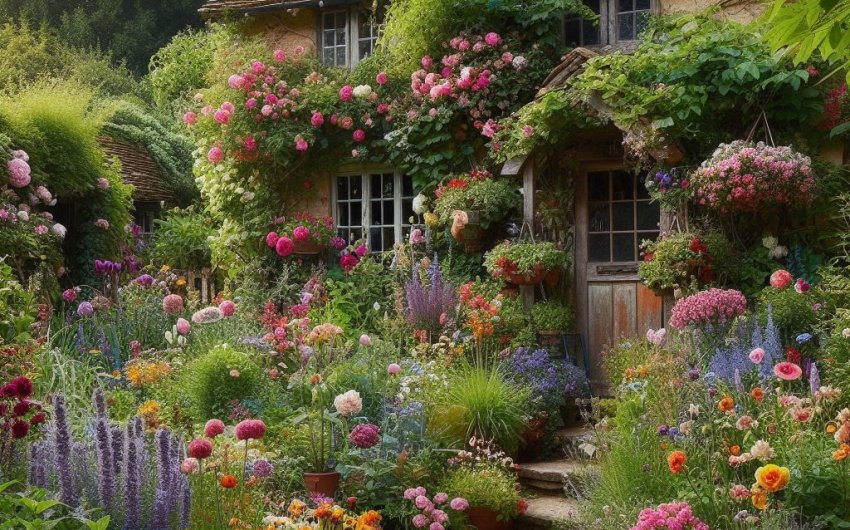
Dreaming of a whimsical and inviting garden space that feels like a natural extension of your home? Cultivating a charming plot filled with a delightful jumble of blossoms, fragrant herbs, and meandering vines is at the heart of this classic design. This comprehensive guide will explore the best plants for cottage garden style, helping you select the perfect flora to create that idyllic, informal aesthetic you desire.
What Defines a Cottage Garden Style?
A cottage garden is known for its informal, abundant, and romantic look, often featuring a mix of flowers, herbs, and vegetables. This section explores the key characteristics.
Unlike formal gardens with strict patterns and manicured lawns, a cottage garden style embraces a relaxed, overflowing feel. It's about abundance, layered textures, and a harmonious blend of colors, creating a vibrant, living tapestry. The goal is to make it look as though nature playfully arranged itself, rather than a rigid design.
What are the Key Elements of Cottage Garden Design?
Several core principles guide the creation of a beautiful cottage garden, making it distinct from other garden types.
To achieve the quintessential cottage garden style, consider these defining features:
- Abundance and Density: Fill every available space with plants. There's little bare soil in a traditional cottage garden. This creates a lush, full look that discourages weeds.
- Layered Planting: Use plants of varying heights and forms. Taller plants create a backdrop, mid-sized plants fill the middle ground, and low-growing flowers and groundcovers spill over edges.
- Informal Layout: Avoid straight lines and rigid patterns. Beds often curve, and plants are allowed to self-seed and mingle freely, creating a natural, slightly wild appearance.
- Mix of Plant Types: Combine flowers (annuals and perennials), herbs, vegetables, and even small shrubs and fruit trees. This creates diversity and a feeling of self-sufficiency.
- Emphasis on Scent: Fragrant flowers and herbs are essential, adding another sensory layer to the garden experience.
- Charming Structures: Incorporate elements like picket fences, arbors, bird baths, and stone pathways to enhance the rustic charm.
- Traditional Materials: Use natural materials like stone, brick, wood, and reclaimed items to create a sense of history and charm.
- Pollinator-Friendly: Many traditional cottage garden plants are excellent for attracting bees, butterflies, and other beneficial insects.
Which Perennials are Best for Cottage Gardens?
Perennials are the backbone of a cottage garden, returning year after year and providing consistent structure and bloom. This section lists popular perennial choices.
The enduring charm of a cottage garden style relies heavily on its perennial inhabitants. These plants come back each growing season, building a lasting framework of color and texture that evolves beautifully over time. Choosing the right perennials means less work in the long run and a garden that feels established and timeless.
What are the Tall and Structural Perennials?
These plants add vertical interest and provide a leafy backdrop for shorter flowers.
Tall perennials create a sense of depth and enclosure, often forming the "walls" of your garden rooms. They provide dramatic spikes of color and elegant foliage.
- Delphinium: With their impressive spires of blue, purple, pink, or white flowers, delphiniums are quintessential cottage garden plants, adding vertical elegance. They often need staking to support their heavy blooms, especially in windy areas, using a plant stake kit.
- Hollyhock (Alcea rosea): These stately plants produce tall stalks covered in large, cup-shaped flowers, often self-seeding to appear randomly throughout the garden. Hollyhocks are classic choices that evoke a sense of nostalgic charm.
- Foxglove (Digitalis purpurea): Known for their striking bell-shaped flowers on tall stalks, foxgloves add an ethereal touch and are excellent for attracting hummingbirds. Be aware that all parts of the plant are poisonous if ingested.
- Lupine (Lupinus): These plants boast impressive flower spikes in a kaleidoscope of colors. Lupines thrive in full sun and well-drained soil, adding a bold, vertical statement.
- Tall Phlox (Phlox paniculata): Producing large clusters of fragrant flowers in summer, tall garden phlox are excellent for providing continuous color and attracting butterflies. Look for mildew-resistant varieties.
Which Mid-Height Perennials Offer Abundant Bloom?
These flowers fill the middle ground, creating layers of continuous color and texture.
Mid-height perennials are the workhorses of the cottage garden style, bridging the gap between tall background plants and low-growing groundcovers. They offer a prolonged display of blooms and dense foliage.
- Lavender (Lavandula): Famous for its soothing fragrance and beautiful purple spikes, lavender is a must-have for its sensory appeal and drought tolerance once established. It's fantastic along pathways or as a low hedge.
- Peony (Paeonia): With their large, luscious blooms, peonies are symbols of romance and abundance. They are long-lived and provide stunning, often fragrant, flowers in late spring to early summer.
- Coneflower (Echinacea purpurea): A native perennial, coneflowers are hardy and resilient, attracting bees and butterflies with their daisy-like flowers. They come in various shades of purple, pink, white, and even yellow.
- Daylily (Hemerocallis): Available in an incredible array of colors and forms, daylilies are incredibly adaptable and provide successive blooms throughout the summer, though each flower lasts only one day.
- Catmint (Nepeta): A tough and beautiful plant, catmint produces airy spikes of purple-blue flowers for a long period, attracting pollinators and tolerating dry conditions.
- Bee Balm (Monarda didyma): With its unique, shaggy flower heads, bee balm is a magnet for bees and hummingbirds. It comes in shades of red, pink, purple, and white.
- Lady's Mantle (Alchemilla mollis): Known for its soft, scalloped leaves that hold dewdrops like pearls, Lady's Mantle is excellent as an edging plant or for filling gaps, producing frothy yellow-green flowers.
What are the Best Low-Growing Perennials and Edging Plants?
These plants define the edges of beds and spill over paths, creating a soft, natural look.
Low-growing perennials provide a gentle transition from paths to garden beds, softening hard edges and creating a sense of overflow essential to the cottage garden style.
- Dianthus (Pinks): Sweetly scented with fringed petals, Dianthus varieties are perfect for edging paths or rock gardens. They come in shades of pink, white, and red.
- Creeping Phlox (Phlox subulata): This low-growing, mat-forming phlox creates a carpet of colorful blooms in spring, ideal for rockeries or spilling over retaining walls. Creeping Phlox adds early season vibrancy.
- Hardy Geranium (Cranesbill): These easy-care perennials offer a long season of delicate flowers and attractive foliage. Hardy Geraniums come in various shades and sizes, often forming lovely mounds.
- Thyme (Thymus): Many varieties of creeping thyme can be used as fragrant groundcovers, tolerating foot traffic and releasing scent when brushed against.
- Aubrieta: A vibrant, mat-forming perennial, Aubrieta produces a cascade of purple, pink, or blue flowers in early spring, excellent for rock gardens and spilling over walls.
Which Annuals Bring Continuous Color to Your Cottage Garden?
Annuals are vital for providing continuous, vibrant color throughout the growing season, filling in gaps and adding pops of cheer. This section highlights popular annuals.
While perennials form the backbone, annuals are the ephemeral jewels that provide constant bursts of color and fill empty spaces, adapting to the ever-evolving nature of a cottage garden style. They are perfect for introducing new hues or experimenting with different plant combinations each year.
What are the Best Tall Annuals for a Cottage Garden?
These annuals offer height and show-stopping blooms, perfect for adding drama and vertical interest.
Tall annuals can mimic the effect of structural perennials, providing quick height and long-lasting floral displays, which is invaluable in a developing cottage garden style.
- Cosmos (Cosmos bipinnatus): With their cheerful, daisy-like flowers and airy foliage, cosmos come in a range of heights and colors. They are easy to grow from seed and attract pollinators.
- Cleome (Spider Flower): Known for their unique, spidery flowers that attract hummingbirds, cleome adds an exotic yet whimsical touch. They can self-seed readily.
- Nicotiana (Flowering Tobacco): Many varieties of flowering tobacco produce fragrant, trumpet-shaped flowers, often opening in the evening. Taller varieties provide excellent vertical accents.
- Zinnia: Highly versatile and easy to grow, zinnias come in an astonishing variety of colors, shapes, and sizes, making them perfect for cutting gardens and attracting butterflies. Taller varieties create impactful displays.
Which Mid-Height Annuals Provide Consistent Bloom?
These annuals provide ongoing color and texture, blending seamlessly with perennials in the middle ground.
Mid-height annuals are essential for maintaining the dense, overflowing look characteristic of a cottage garden style, ensuring there's always something in bloom.
- Sweet Alyssum (Lobularia maritima): This low-growing annual forms a sweet-smelling carpet of tiny white, pink, or purple flowers, perfect for edging or filling gaps. Sweet alyssum also attracts beneficial insects.
- Nasturtium (Tropaeolum majus): With their vibrant, edible flowers and lily-pad-like leaves, nasturtiums can trail or bush out, adding a playful touch. Both flowers and leaves are edible.
- Pansy/Viola: These charming, cool-season annuals come in a huge range of "faces" and colors, perfect for early spring and fall color, or even mild winters. Pansies and violias add a delicate charm.
- Marigold (Tagetes): Known for their bright orange and yellow blooms, marigolds are hardy and long-blooming. They are also believed to deter some garden pests.
- Petunia: While some modern hybrids can look too formal, older "heirloom" or "old-fashioned" petunias with single blooms and a more relaxed habit fit perfectly into the cottage garden.
- Snapdragon (Antirrhinum majus): With their tall, colorful spikes, snapdragons add vertical interest and are great for cutting. They often re-bloom if deadheaded.
What Climbing Plants Enhance a Cottage Garden?
Climbing plants are essential for adding vertical dimension, softening structures, and creating an enchanting, overgrown feel. This section explores popular climbers.
No cottage garden style is complete without plants that ascend walls, scramble over fences, or drape gracefully from pergolas and arbors. These vertical elements add romance, provide shade, and maximize planting space.
Which Perennial Climbers Are Ideal?
These long-lasting climbers provide consistent coverage and beauty year after year.
Perennial climbers offer a stable and enduring vertical display, forming the living architecture of your cottage garden style. They grow stronger and more impressive with each passing season.
- Climbing Roses: Indisputably a classic, climbing roses come in an astonishing variety of colors and fragrances. They are perfect for adorning walls, fences, or arbors, providing cascades of romantic blooms. Choose varieties known for disease resistance.
- Clematis: With their stunning, often large flowers in a huge range of colors, clematis are incredibly versatile. Some bloom in spring, others in summer, and some even in fall, offering continuous interest. They require a trellis or support for their twining stems.
- Wisteria (Wisteria sinensis): Known for its breathtaking cascades of fragrant purple or white flowers in late spring, wisteria is a truly romantic choice. It requires strong support and regular pruning to control its vigorous growth.
- Honeysuckle (Lonicera): Many varieties of honeysuckle offer deliciously fragrant flowers, attracting hummingbirds and butterflies. Choose native or non-invasive varieties.
- Ivy (Hedera helix): While sometimes considered invasive, common ivy can be used effectively on stone walls or as a groundcover in shadier spots, adding lush, evergreen foliage. Be mindful of its vigorous growth.
- Trumpet Vine (Campsis radicans): A vigorous climber with showy, trumpet-shaped orange or red flowers, trumpet vine is a hummingbird magnet. It requires strong support and can be very aggressive in some climates.
Which Annual Climbers Provide Quick Vertical Growth?
Annual climbers are excellent for adding temporary vertical interest or quickly covering a new structure.
Annual climbers are perfect for filling in new spaces or providing a burst of vertical color while slower-growing perennials establish themselves, contributing to the ever-changing beauty of a cottage garden style.
- Sweet Pea (Lathyrus odoratus): Highly fragrant with delicate, ruffled flowers, sweet peas are quintessential cottage garden annuals. They require a trellis or netting to climb.
- Morning Glory (Ipomoea purpurea): With their large, trumpet-shaped flowers that unfurl in the morning sun, morning glories quickly cover fences or trellises, offering a burst of color.
- Moonflower (Ipomoea alba): A close relative to morning glory, moonflower has large, pure white, fragrant flowers that open in the evening, adding a magical element to the night garden.
- Hyacinth Bean (Lablab purpureus): This vigorous vine offers beautiful purple stems, leaves, and flowers, followed by striking deep purple bean pods. Hyacinth bean is both ornamental and edible.
- Black-Eyed Susan Vine (Thunbergia alata): A charming and cheerful climber, Black-Eyed Susan vine produces bright orange, yellow, or white flowers with a dark center, perfect for pots or smaller trellises.
How Can Herbs and Edibles Fit into Your Cottage Garden?
Incorporating herbs and edible plants is a classic feature of cottage gardens, blending practicality with beauty. This section explains how to integrate them seamlessly.
Historically, cottage garden style wasn't just about pretty flowers; it was a practical space where families grew food and medicine. Integrating herbs and edibles adds another layer of charm, fragrance, and utility, blurring the lines between ornamental and productive gardening.
What are the Best Herbs for a Cottage Garden?
Herbs offer delightful fragrances, interesting textures, and culinary uses, making them perfect additions.
Herbs are indispensable in a cottage garden style due to their sensory appeal, varied forms, and usefulness in the kitchen. Many also attract beneficial insects.
- Lavender (Lavandula): As mentioned, lavender is a fragrant showstopper, perfect for edging paths or as a centerpiece.
- Rosemary (Rosmarinus officinalis): An evergreen herb with aromatic needles, rosemary can be grown as a bush or trained as a small standard. It thrives in sunny, well-drained spots.
- Thyme (Thymus vulgaris): Many varieties, from creeping forms to upright bushes, offer diverse textures and scents. Thyme is excellent for groundcover, rock gardens, or simply tucked into gaps.
- Sage (Salvia officinalis): With its silvery-green leaves and lovely purple flowers, sage is both beautiful and culinary.
- Chives (Allium schoenoprasum): Offering delicate purple globe flowers in spring and oniony leaves, chives are easy to grow and re-seed readily.
- Mint (Mentha): While vigorous, mint is incredibly fragrant and versatile. It's best grown in a container to prevent it from spreading too aggressively.
- Fennel (Foeniculum vulgare): With its feathery foliage and upright habit, fennel adds architectural interest and attracts beneficial insects.
- Borage (Borago officinalis): A beautiful annual herb with star-shaped blue flowers that bees adore. Borage self-seeds easily and is great for adding to salads.
What Edible Plants Blend Well with Flowers?
Many vegetables and fruits have ornamental qualities that make them perfect for mixing into flower beds.
Integrating edibles into your ornamental beds is a hallmark of the charming and practical cottage garden style. Look for varieties with attractive foliage or flowers.
- Swiss Chard (Beta vulgaris subsp. cicla): Varieties like 'Bright Lights' have incredibly colorful stems that make them as ornamental as any flower. Swiss chard provides continuous harvests.
- Lettuce (Lactuca sativa): Loose-leaf and red-leaf varieties of lettuce offer a range of textures and colors, especially in cooler weather.
- Kale (Brassica oleracea var. sabellica): Ornamental kale and edible varieties like 'Redbor' or 'Lacinato' (Dinosaur Kale) have beautiful, textured leaves that hold up well to frost.
- Strawberries (Fragaria x ananassa): These low-growing plants make excellent groundcovers with pretty white flowers and delicious red berries. Plant strawberry plants along edges or in pockets.
- Bush Beans (Phaseolus vulgaris): Some varieties of bush beans have attractive foliage and flowers before they produce pods, fitting well into the mid-layer of a garden.
- Cherry Tomatoes (Solanum lycopersicum): Bush varieties of cherry tomatoes can be tucked into sunny spots, providing cheerful color and fresh snacks. Provide a small cage for support.
- Artichoke (Cynara scolymus): If you have space, the striking silvery foliage and large, thistle-like flowers (if left unharvested) of artichokes make them excellent architectural plants.
What Woody Plants and Shrubs Are Suitable for a Cottage Garden?
Shrubs and small trees provide year-round structure, privacy, and additional layers of interest in a cottage garden. This section outlines appropriate choices.
Beyond the overflowing beds of flowers and herbs, woody plants provide the foundational structure that anchors a cottage garden style. They offer year-round interest, especially in winter, and can serve as important backdrops or focal points.
Which Flowering Shrubs are Best?
These shrubs offer beautiful blooms and often provide a longer season of interest than herbaceous perennials.
Flowering shrubs contribute significantly to the layered abundance of a cottage garden style, offering substantial bursts of color and often lovely fragrances.
- Roses (Shrub and Old Garden Varieties): Beyond climbers, many shrub roses and old garden roses (such as David Austin varieties) fit the cottage garden aesthetic perfectly with their abundant, often fragrant, blooms and informal growth habit.
- Hydrangea (Hydrangea macrophylla): With their large, captivating flower heads, hydrangeas are cottage garden favorites. They come in various colors and forms, thriving in partial shade.
- Lilac (Syringa vulgaris): The intoxicating fragrance and abundant clusters of purple, pink, or white flowers in spring make lilacs a classic choice, evoking nostalgic charm.
- Mock Orange (Philadelphus): Known for its incredibly fragrant white flowers in late spring to early summer, mock orange adds a beautiful scent to the garden.
- Spirea (Spiraea): Many varieties of Spirea offer attractive foliage and clusters of small flowers, some blooming in spring and others in summer.
- Weigela (Weigela florida): Producing abundant, often bell-shaped flowers in shades of pink, red, or white, weigela is a colorful and easy-to-grow shrub.
Which Evergreen Shrubs Provide Year-Round Interest?
Evergreen shrubs offer consistent greenery and structure, especially important during the colder months.
Evergreen shrubs ensure your cottage garden style maintains visual appeal even when herbaceous plants die back, providing a steady framework and winter interest.
- Boxwood (Buxus): While often used in formal settings, looser, more naturalistic plantings of boxwood can provide excellent evergreen structure and hedging in a cottage garden.
- Holly (Ilex): Many varieties of holly offer glossy evergreen foliage and bright red berries (on female plants), providing winter color and attracting birds.
- Daphne: Known for their intensely fragrant flowers in late winter or early spring, many daphne varieties are evergreen and provide subtle year-round texture.
- Conifers (Dwarf Varieties): Small, dwarf conifers can add evergreen texture and unique shapes without overwhelming the informal style.
What Are Some Essential Tips for Planting a Cottage Garden?
Creating a thriving cottage garden involves more than just choosing plants; thoughtful planting techniques are key. This section provides practical advice.
Beyond selecting the best plants for cottage garden style, how you arrange and care for them dramatically impacts the final look and health of your vibrant space. These tips will help you achieve that beloved, abundant, and natural feel.
How Should You Plan Your Planting Layout?
While informal, a cottage garden benefits from some underlying planning to ensure year-round interest and plant health.
Even with its wild charm, a successful cottage garden style has a subtle underlying structure that ensures continuous beauty and healthy growth.
- Layer, Layer, Layer: Think about the mature height of your plants. Place taller plants at the back or center of beds, mid-height plants in the middle, and shorter plants or groundcovers at the front.
- Embrace Density: Plant closer than you might in a more formal garden. This minimizes bare soil, suppresses weeds, and creates the overflowing, lush look.
- Consider Bloom Times: Plan for continuous bloom by selecting plants that flower at different times of the year (spring, summer, fall). This ensures there's always something in flower.
- Color Harmonies: Choose a color palette that appeals to you. While a jumble of colors is typical, a general scheme (e.g., cool blues and purples, or warm reds and yellows) can create a more cohesive look.
- Repeat Plants: Repeating certain plants or color combinations throughout the garden creates a sense of unity and flow, even in an informal setting.
- Pathways and Structure: Incorporate winding gravel pathways or stone steps that invite exploration. Use charming structures like arbors or picket fences to define areas.
- Site-Specific Choices: Always choose plants suited to your specific climate, soil type, and sunlight conditions. A soil testing kit can help you understand your soil.
What are Key Maintenance Tips for Cottage Gardens?
While they appear wild, cottage gardens still require ongoing care to thrive and remain beautiful.
Maintaining a cottage garden style involves less rigid grooming and more observant nurturing, allowing nature to play a strong role while guiding it for best results.
- Watering: Ensure new plants get enough water to establish themselves. Once established, many traditional cottage garden plants (like lavender or coneflower) are relatively drought tolerant. Consider a soaker hose system for efficient watering.
- Deadheading: Regularly removing spent flowers (deadheading) encourages many plants to produce more blooms, extending their display. A sharp pair of garden snips is helpful.
- Fertilizing: While cottage gardens often thrive on rich, well-amended soil, occasional feeding with an organic slow-release fertilizer can boost bloom and growth.
- Weeding: The dense planting in a cottage garden helps suppress weeds, but some persistent ones will always appear. Regular, light weeding is important. A hand weeder tool is invaluable.
- Pruning and Shaping: Periodically prune shrubs and climbers to maintain their shape, encourage fuller growth, and remove dead or diseased branches. Use sharp garden pruners.
- Dividing Perennials: Every few years, many perennials benefit from being dug up and divided. This rejuvenates the plant and provides new plants for other areas or to share. A garden digging fork can assist with this.
- Allow for Self-Seeding: Embrace the spontaneous nature of cottage gardens by allowing some annuals and biennials to self-seed. This contributes to the informal, natural feel. You can always pull out seedlings that sprout in unwanted locations.
- Winter Preparation: In colder climates, mulch tender perennials and clean up spent annuals in the fall to prepare for winter.
By carefully selecting from the best plants for cottage garden style and embracing these planting and care techniques, you can cultivate a truly enchanting and personal outdoor sanctuary that offers beauty, fragrance, and a sense of timeless charm throughout the seasons.