
Companion Flowers for Vegetable Gardens
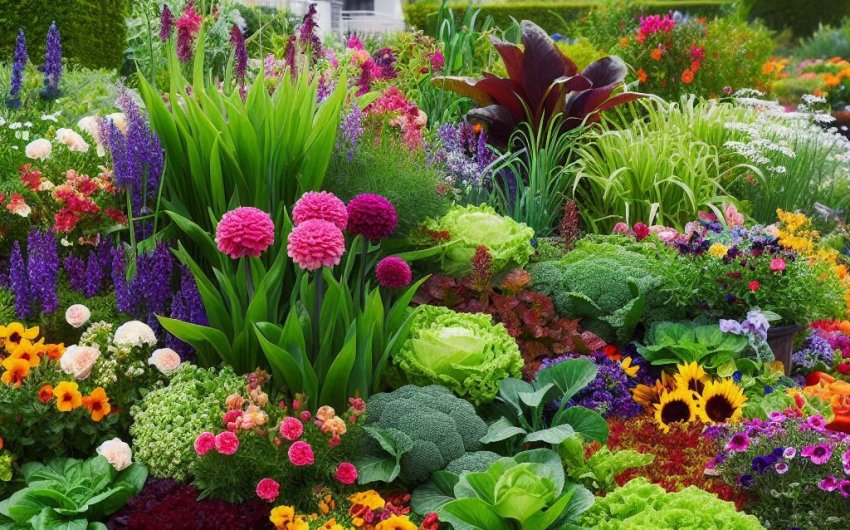
Creating a vibrant and productive vegetable garden involves more than just planting your favorite produce; it's about fostering a thriving ecosystem. Incorporating specific companion flowers alongside your vegetables can dramatically improve plant health, deter pests, attract beneficial insects, and even enhance flavors. This guide will explore how strategically placed blooms can transform your garden into a more bountiful and beautiful space, working in tandem with your edible crops.
Why Should I Plant Flowers with My Vegetables?
Planting flowers with vegetables might seem counterintuitive if you're solely focused on edible yields, but it's a practice rooted in centuries of observation and ecological understanding. These floral allies offer a multitude of benefits, from protecting your precious crops to improving the overall vitality of your garden. It’s a smart way to implement a natural pest control system and boost pollination without relying on harsh chemicals.
Do Companion Flowers Deter Pests?
Absolutely! Many companion flowers act as natural pest repellents, either by emitting scents that confuse or deter unwanted insects, or by containing compounds that are unpalatable to them. This biological approach to pest management is much healthier for your garden, your family, and the environment than synthetic pesticides. Understanding which flowers deter which pests is key to a successful strategy.
For instance, marigolds (specifically French marigolds like Nema-Gone Marigolds) are renowned for their ability to repel nematodes, tiny microscopic worms that can damage plant roots. Planting them near tomatoes, potatoes, or roses can significantly reduce nematode populations. The strong, distinct smell of marigolds also deters other common garden pests such as aphids and whiteflies. Their roots release a chemical that is toxic to nematodes, making them an excellent choice for a long-term pest management solution in the soil.
Another excellent pest deterrent is nasturtiums. These cheerful, edible flowers are often referred to as "trap crops" because aphids and other sap-sucking insects prefer them over your vegetables. Instead of attacking your cabbage or broccoli, pests will flock to the nasturtiums, leaving your primary crops relatively untouched. You can then easily remove the infested nasturtium plants, effectively removing the pests from your garden. The leaves, flowers, and seed pods of nasturtiums are also edible, adding a peppery kick to salads.
Chrysanthemums contain natural pyrethrins, which are potent insecticidal compounds. While you wouldn't directly use them as a spray, planting them around your garden can help keep a wide range of pests, including Japanese beetles, spider mites, and ants, at bay. The scent of chrysanthemums can be off-putting to these unwelcome visitors, making them less likely to settle on your vegetable plants.
Lantana is another flower known for its pest-repelling qualities, particularly against whiteflies. The strong scent of the leaves and flowers tends to confuse and deter these small, winged insects, which can quickly multiply and damage a wide variety of vegetable crops. Planting lantana near tomatoes, squash, or beans can provide a natural barrier.
Consider also borage, which is excellent for deterring tomato hornworms and cabbage worms. Its slightly fuzzy leaves and blue flowers seem to repel these common garden destroyers. Borage is also known to improve the growth and flavor of tomatoes.
How Do Companion Flowers Attract Beneficial Insects?
Beyond deterring harmful pests, many companion flowers are irresistible to beneficial insects that act as natural pest control agents. These helpful bugs, such as ladybugs, hoverflies, and predatory wasps, feed on or parasitize the very pests that plague your garden. By providing a diverse array of nectar and pollen sources, you create an inviting habitat that encourages these insects to take up residence and do the hard work for you.
For example, dill and fennel (while technically herbs, their flowers are excellent) are magnets for ladybugs and hoverflies. Ladybugs are voracious eaters of aphids, while hoverfly larvae consume large quantities of aphids and other soft-bodied pests. Planting dill seeds and fennel seeds around your leafy greens or pepper plants can bring in these tiny, effective protectors.
Sweet alyssum is another fantastic choice for attracting a wide range of beneficial insects. Its tiny, sweet-smelling flowers provide nectar for parasitic wasps and hoverflies, which are excellent at controlling aphids and other small pests. Planting a carpet of sweet alyssum around the base of taller vegetable plants can create a living mulch that also serves as an insectary.
Coriander (cilantro when young, coriander when it flowers and goes to seed) is another unsung hero. When allowed to bolt and flower, it attracts a host of beneficial insects, including predatory wasps that target cabbage worms and other caterpillars. Allowing some coriander plants to flower in your garden can significantly boost your natural pest control efforts.
Cosmos are beautiful and easy-to-grow flowers that attract hoverflies, lacewings, and predatory mites. Their open, daisy-like blooms provide easily accessible nectar and pollen, making them a favorite among these helpful insects. Planting cosmos seeds in a border around your vegetable beds can provide a continuous food source for these beneficial creatures throughout the growing season.
Finally, sunflowers are not just for beauty; their large flower heads attract a diverse array of pollinators and beneficial insects, including various types of bees and predatory bugs. While they take up more space, a strategically placed sunflower can act as a beacon, drawing beneficial insects into your garden.
Do Companion Flowers Improve Pollination?
Yes, many companion flowers are excellent at attracting pollinators, which are essential for the production of many vegetable fruits. While some vegetables are self-pollinating (like tomatoes), others, such as squash, cucumbers, peppers, and most fruit trees, rely heavily on bees and other insects to transfer pollen between flowers. A garden rich in pollinator-friendly blooms ensures a more abundant harvest.
Borage, with its vibrant blue, star-shaped flowers, is a known favorite of bees. Planting borage near cucumbers, squash, or strawberries can significantly increase pollination rates, leading to more fruit.
Zinnias are another fantastic choice for attracting a wide variety of pollinators, including bees and butterflies. Their bright, cheerful colors and diverse shapes make them irresistible to these beneficial insects. Planting zinnia seeds near your melon or pumpkin patches can encourage more frequent visits from pollinators, ensuring good fruit set.
Coneflowers (Echinacea) are not only beautiful but also highly attractive to bees and butterflies, making them excellent for boosting pollination in your vegetable garden. Their sturdy, long-lasting blooms provide a consistent nectar source. Adding coneflowers to your garden border can create a pollinator superhighway.
Calendula (pot marigold) is another simple yet effective flower for attracting pollinators. Its cheerful orange and yellow blooms draw in bees and other beneficial insects. Calendula petals are also edible and can add color to salads.
Phacelia (Phacelia tanacetifolia) is often called "bee's friend" for a good reason. It produces beautiful lavender-blue flowers that are exceptionally attractive to bees, hoverflies, and other pollinators. It's an excellent cover crop to plant when a bed is fallow, or as a beneficial insect attractor among your vegetables. You can easily find Phacelia seeds to broadcast.
Can Companion Flowers Improve Soil Health?
While not their primary role, some companion flowers can indirectly contribute to improved soil health. Their root systems can help break up compacted soil, and when they eventually die back, their organic matter contributes to the soil's structure and nutrient content. Certain flowers, like marigolds, have even been shown to suppress harmful soil nematodes, indirectly improving the soil's ability to support healthy plant growth.
Specifically, as mentioned earlier, French marigolds (Tagetes patula) release chemicals from their roots that are toxic to several species of nematodes, tiny soil-dwelling worms that can severely damage the roots of many vegetable crops. Planting a dense bed of French marigolds as a cover crop for a season or incorporating them throughout your garden can significantly reduce nematode populations, thus fostering healthier soil for future plantings.
Sweet clover (Melilotus officinalis), while more of a cover crop than a decorative flower, can also be used. It's a nitrogen fixer, meaning it draws nitrogen from the air and converts it into a form usable by plants, enriching the soil. When it flowers, it also attracts pollinators. Sweet clover seeds are widely available.
Even the simple act of having diverse root systems in the soil from different plant types can improve soil structure over time. The roots create channels, allow for better water penetration, and encourage microbial activity.
Which Flowers Are Best for Specific Vegetables?
Choosing the right companion flowers means understanding the specific needs of your vegetables and the unique benefits each flower offers. A well-planned interplanting scheme can lead to a more harmonious and productive garden. It’s about creating a synergistic relationship where plants support each other's growth and protection.
What Flowers Go Well with Tomatoes?
Tomatoes are a popular garden staple, and several companion flowers can help them thrive. Marigolds are excellent for deterring nematodes and other soil-borne pests that can harm tomato roots. Planting a ring of French marigolds around your tomato plants can offer significant protection.
Borage is another fantastic choice for tomatoes. It's believed to improve tomato flavor and vigor, and it deters tomato hornworms. Its beautiful blue flowers also attract beneficial pollinators. Consider adding borage seeds near your tomato plants.
Nasturtiums can act as a trap crop for aphids, luring them away from your tomato plants. While they might get infested, your tomatoes will likely be left alone. Plus, the bright colors of nasturtiums add beauty to the garden.
What Flowers Should I Plant with Cucumbers and Squash?
Cucumbers and squash plants benefit greatly from companion flowers that attract pollinators, as both rely heavily on insects for fruit production. They also can suffer from squash bugs and cucumber beetles, making pest-deterring flowers valuable.
Nasturtiums are excellent for deterring squash bugs and cucumber beetles, which can wreak havoc on these plants. They can also act as a trap crop, drawing the pests away. Plant nasturtium seeds around the base of your cucumber and squash plants.
Borage is a top choice for increasing cucumber and squash yields due to its strong attraction to bees. More bees mean better pollination and more fruit. Spread borage seeds liberally nearby.
Sunflowers can act as a living trellis for climbing squash and cucumbers, and their large blooms attract a host of pollinators. Just be sure to plant them far enough away so they don't shade out your vegetables too much. Sunflower seeds are a fun addition.
What Flowers Pair Well with Leafy Greens (Lettuce, Spinach, Cabbage)?
Leafy greens, especially those in the Brassica family (cabbage, broccoli, kale), are often targets for cabbage worms and aphids. Companion flowers can provide essential protection.
Sweet alyssum is a fantastic groundcover that attracts beneficial insects like hoverflies and parasitic wasps, which prey on aphids and other small pests that bother leafy greens. Its low-growing habit won't compete with your greens for sunlight. Scatter sweet alyssum seeds around your lettuce and spinach.
Calendula can help deter cabbage worms and also attracts beneficial pollinators, contributing to overall garden health. Its bright orange flowers add a splash of color. Plant calendula seeds among your greens.
Nasturtiums can also serve as a trap crop for aphids on your greens, luring them away from the tender leaves. They are also edible, making them a dual-purpose plant. Add nasturtium seeds to your greens bed.
What Flowers Are Good for Peppers and Eggplants?
Peppers and eggplants can benefit from flowers that attract pollinators and deter common pests like aphids and flea beetles.
Marigolds are again a strong contender for deterring nematodes and other soil pests that might affect the roots of peppers and eggplants. Their pungent scent also helps deter aphids. Surround your pepper and eggplant plants with French marigolds.
Nasturtiums can be used as a trap crop for aphids on peppers and eggplants, just as they are for other vegetables. They offer an alternative food source for pests, protecting your main crop. Place nasturtium seeds nearby.
Sweet alyssum will attract tiny beneficial wasps and hoverflies that prey on aphids, which are a common problem for both peppers and eggplants. A border of sweet alyssum can create a natural protective barrier.
How Do I Design My Garden with Companion Flowers?
Effective design is key to maximizing the benefits of companion flowers. It's not just about haphazardly tossing seeds; thoughtful placement ensures that each flower's unique properties are utilized to their full potential. Consider plant size, sunlight needs, and growth habits to create a thriving polyculture.
Should I Plant Flowers In Rows or Throughout the Garden?
Both methods have their advantages, and the best approach often involves a combination of both.
Planting in rows or borders: This is effective for creating a strong repellent barrier or a distinct trap crop zone. For example, a solid row of marigolds around a bed of carrots can deter nematodes. A border of nasturtiums around a cabbage patch creates a clear boundary for trap cropping aphids. This method is also visually appealing, creating defined edges for your beds.
Interspersing throughout the garden: Planting individual flowers or small clusters directly among your vegetables can create a more pervasive protective effect and ensure that pollinators and beneficial insects are spread throughout the entire garden. For instance, tucking borage plants randomly among your tomato vines, or scattering sweet alyssum seeds between your lettuce heads, encourages beneficial activity precisely where it's needed most. This approach fosters a more diverse and resilient ecosystem within each bed.
A balanced approach might involve planting rows of strong deterrents on the perimeter of your garden beds, while interspersing pollinator-attracting and general beneficial insect flowers throughout the vegetable rows. This way, you get both perimeter protection and widespread support.
How Much Space Do Companion Flowers Need?
The space required for companion flowers varies significantly depending on the specific plant. It's crucial to research the mature size of any flower you plan to incorporate.
For example, a small plant like sweet alyssum (Lobularia maritima) will spread about 6-12 inches wide and stay relatively low to the ground, making it ideal for tucking into small gaps or as a living mulch. You can plant them quite closely, perhaps 4-6 inches apart, to create a dense carpet.
On the other hand, a large plant like a sunflower (Helianthus annuus) can easily grow several feet wide and over 6 feet tall, requiring substantial space so it doesn't shade out neighboring vegetables. You'd typically plant sunflowers at least 2-3 feet apart, and often in their own designated area or at the northern edge of a bed to minimize shading.
Marigolds generally grow to be about 1-2 feet tall and wide, depending on the variety. French marigolds are smaller, typically 6-12 inches. African marigolds can be much larger. You would typically space marigolds about 8-12 inches apart to create a dense deterrent border.
Nasturtiums are vining plants and can spread quite widely, especially trailing varieties. They might need up to 2-3 feet of space to sprawl, or they can be trained up a small trellis. Bush varieties of nasturtiums are more compact, usually around 1 foot in diameter.
Always check the seed packet or plant tag for specific spacing recommendations. The goal is to provide enough space for both the flowers and the vegetables to thrive without competing for resources like light, water, and nutrients.
What About Sunlight and Water Needs?
Matching the sunlight and water needs of your companion flowers with your vegetables is critical for success. Most popular garden vegetables (tomatoes, peppers, squash, corn, beans) are "full sun" plants, meaning they require at least 6-8 hours of direct sunlight per day. Therefore, most of the beneficial companion flowers will also thrive in full sun conditions.
For example, marigolds, zinnias, borage, nasturtiums, and sweet alyssum all prefer full sun. Planting them with your sun-loving vegetables ensures that both get the light they need. If you're growing partial-shade loving greens (like some lettuces) in a spot with less sun, you'll need to choose flowers that also tolerate partial shade.
Water needs are also important. Most garden vegetables prefer consistent moisture, but not waterlogging. The companion flowers mentioned typically have similar water requirements to the vegetables they pair with, making management easier. However, be mindful of plants with drastically different needs. For instance, drought-tolerant flowers might not be the best companions for water-intensive vegetables unless you are careful with your watering regime.
The best practice is to group plants with similar sun and water requirements together. This simplifies watering schedules and ensures all plants are getting what they need to flourish, leading to a healthier and more productive vegetable garden.
Are There Any Flowers I Should Avoid?
While many companion flowers offer incredible benefits, some might not be the best choice for a vegetable garden. Understanding these exceptions can prevent potential problems like competition for resources or attracting unwanted pests. It’s important to research specific interactions before planting.
Which Flowers Might Harm My Vegetables?
Certain flowers, while beautiful, can have negative impacts on your vegetable crops, either by attracting pests you don't want, competing too aggressively for resources, or releasing compounds that inhibit growth.
Feverfew (Tanacetum parthenium), while a pretty daisy-like flower and often cited as a general pest deterrent, can sometimes inhibit the growth of certain vegetables, particularly lettuce. It's best to keep feverfew away from sensitive greens.
Black Walnut trees (Juglans nigra) release juglone, a chemical that is toxic to many plants, including tomatoes, peppers, potatoes, and other nightshades. While not a garden flower, if you have these trees nearby, be aware of their allelopathic effects on your vegetable garden, and avoid planting anything susceptible to juglone in their vicinity.
Some highly aggressive or invasive flowers can quickly outcompete your vegetables for water and nutrients. Examples include Morning Glory (Ipomoea purpurea) and certain varieties of vinca (Catharanthus roseus). While beautiful, their vigorous growth can smother less robust vegetable plants. It's best to stick to well-behaved annuals or perennials that won't take over. Research the growth habit of any new flower you introduce.
Lastly, be cautious with flowers that are known to host specific diseases that can also affect your vegetables. For example, some ornamentals can carry powdery mildew or other fungal diseases that can then spread to your food crops. Good garden hygiene and choosing disease-resistant varieties of both flowers and vegetables can help mitigate this risk. Always observe your plants for any signs of distress.
What Are the General Principles for Success with Companion Flowers?
Success with companion flowers in your vegetable garden isn't just about knowing which plants to pair; it's about adopting a holistic approach to gardening. By following a few key principles, you can maximize the benefits and ensure a harmonious ecosystem.
How Can I Create a Diverse Garden Ecosystem?
The more diverse your garden, the more resilient it will be. A diverse garden ecosystem naturally balances itself, reducing the reliance on external interventions like pesticides. This means planting a wide variety of both vegetables and flowers, focusing on different bloom times, flower shapes, and growth habits.
Varying Bloom Times: Choose companion flowers that bloom at different times throughout the growing season. This ensures a continuous source of nectar and pollen for beneficial insects and pollinators, encouraging them to stay in your garden all season long. For example, early-blooming calendula can be followed by mid-season zinnias and late-season cosmos.
Different Flower Shapes: Insects have preferences for certain flower shapes. Some bees prefer open, flat flowers (like dill or phacelia) where nectar is easily accessible, while others prefer tubular flowers. Offering a range of shapes will attract a wider array of beneficial insects. Include both simple, daisy-like flowers and more complex blooms.
Intercropping: Instead of monocultures (large blocks of a single crop), practice intercropping, where you mix different plants within the same bed or even within the same row. This breaks up large areas of a single plant type, making it harder for pests to locate and infest their preferred host, and easier for beneficial insects to find their prey. For example, interplant rows of lettuce with marigolds.
Habitat for Beneficials: Provide not just food (nectar/pollen) but also shelter for beneficial insects. Some flowers with denser foliage can offer hiding spots, or you can incorporate small areas of native plants or even "insect hotels" to encourage them to take up permanent residence.
How Do I Practice Good Garden Hygiene?
Even with the best companion flowers, good garden hygiene remains essential for a healthy and productive vegetable garden. This means being proactive in maintaining a clean and orderly growing environment.
Regular Weeding: Weeds compete with your vegetables and flowers for water, nutrients, and sunlight. They can also harbor pests or diseases. Regular, shallow weeding will keep them in check without disturbing the roots of your desired plants. A hand weeder can be very helpful.
Proper Spacing: Ensure both your vegetables and companion flowers are planted with adequate spacing. Overcrowding leads to poor air circulation, which can promote fungal diseases, and increases competition for resources. Always check the recommended spacing for each plant on seed packets or plant tags.
Deadheading and Pruning: Removing spent flower blooms (deadheading) encourages the plant to produce more flowers, extending the bloom time and providing a continuous food source for pollinators. Pruning diseased or damaged plant parts quickly prevents the spread of pathogens. Use sharp, clean pruning shears for this task.
Sanitation: Remove any heavily diseased or pest-infested plants promptly and dispose of them away from your garden (do not compost diseased material). Clean your gardening tools regularly, especially if you've been working with diseased plants. A bucket of rubbing alcohol can be used to sterilize gardening tools.
Crop Rotation: While more applicable to vegetables, rotating your vegetable crops each season helps break pest and disease cycles in the soil. This indirectly benefits your companion flowers by reducing the overall pathogen load in your garden environment.
By combining the strategic use of companion flowers with sound garden hygiene practices, you create a robust, naturally balanced ecosystem that is more resistant to pests and diseases, and more productive overall. This integrated approach ensures your vegetable garden flourishes with minimal intervention, delivering bountiful harvests season after season.