
Perfect Potting Mixes for Edible Plants
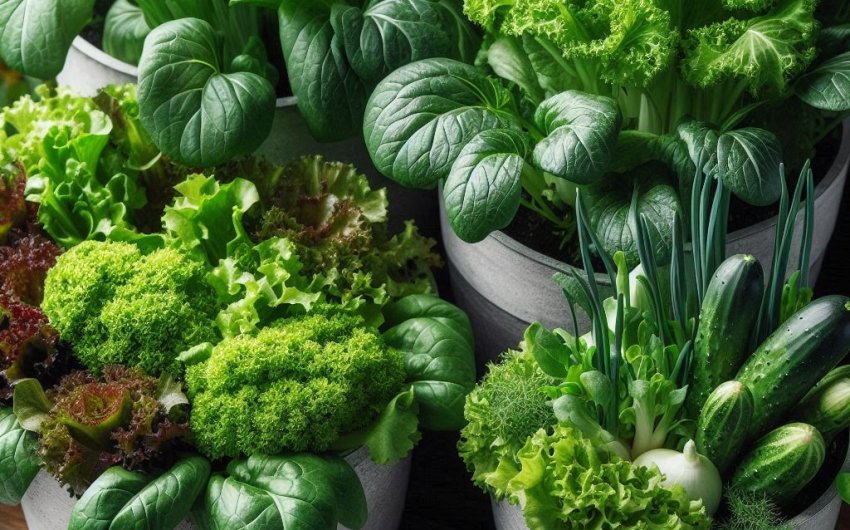
Growing delicious vegetables, herbs, and fruits in pots opens up gardening to everyone, no matter how much space you have. The secret to success isn't just about choosing the right plant or container; it lies deep within the pot itself: the container mixes for edible plants. Unlike garden soil, these specialized blends provide the ideal environment for roots to flourish, ensuring your potted edibles receive the perfect balance of air, water, and nutrients for a bountiful harvest.
Why Can't I Just Use Garden Soil in Pots?
It's a common question, and the answer is crucial for the health of your potted produce. While garden soil is fantastic for in-ground planting, it simply isn't suitable for the unique environment of a container. Understanding these differences will illuminate why specialized potting mixes are essential for happy, productive plants.
Garden soil is heavy and dense. When you put it into a pot, especially after watering, it tends to compact very tightly. This compaction reduces the air pockets that plant roots need to breathe. Roots, just like leaves, require oxygen to function properly and absorb nutrients. If they can't get enough air, they essentially suffocate, leading to stunted growth, yellowing leaves, and eventually, plant death. This dense nature also means poor drainage; water can sit stagnant, leading to root rot, a common killer of container plants.
Furthermore, garden soil often contains pathogens (disease-causing organisms), weed seeds, and insect larvae that can easily thrive in a confined container environment and quickly overwhelm your edible plants. Unlike the vastness of an open garden where a natural balance helps manage these issues, a pot offers limited space for pests and diseases to multiply without natural predators. Using sterile, specially formulated container mixes eliminates these risks from the start.
What Makes a Good Container Mix for Edible Plants?
A truly effective container mix for edible plants is designed to mimic the ideal conditions roots would find in perfect garden soil, but in a confined space. It's all about balancing four key elements: aeration, drainage, water retention, and nutrient supply. Each component plays a vital role in supporting robust root development and overall plant health.
How Does Aeration Help Edible Plants?
Aeration refers to the amount of air space within the potting mix. Imagine the tiny gaps between soil particles; these gaps are filled with air. Plant roots need this oxygen to carry out respiration, a process that converts sugars into energy for growth. Without proper aeration, roots can't breathe, leading to poor nutrient uptake and stunted plants.
Ingredients like perlite or vermiculite are added to container mixes specifically to improve aeration. Perlite, which looks like tiny white styrofoam balls, is actually volcanic glass that's been heated to expand. It creates permanent air pockets in the mix, preventing compaction. Perlite is lightweight and doesn't hold much water itself, making it ideal for drainage and aeration.
Vermiculite, on the other hand, is a hydrated mineral that also creates air spaces but has the added benefit of holding onto water and nutrients. It expands when heated, forming a lightweight, absorbent material. Vermiculite offers a good balance of both aeration and moisture retention. Both ingredients are sterile and inert, meaning they won't add any unwanted chemicals or diseases to your mix.
How Does Drainage Impact Edible Plant Health?
Drainage is the ability of the container mix to allow excess water to flow out of the pot. Good drainage is critical for preventing waterlogged conditions, which can lead to root rot. When roots sit in stagnant water, they literally drown, as they can't access the oxygen they need. This also creates an ideal environment for harmful anaerobic bacteria to thrive.
Components like coarse sand, perlite, or small gravel (though gravel can be heavy) are used to improve drainage. They create larger pore spaces that allow water to move freely through the mix and out the bottom of the container. While perlite is excellent for aeration, its inability to hold much water also makes it a great drainage enhancer. Some specialized drainage layers for pots can also be used at the very bottom of containers, though modern potting mixes often negate the need for a separate layer if the mix itself is well-draining.
A well-draining mix means that even after a thorough watering, the excess water quickly escapes, leaving behind just the right amount of moisture clinging to the mix particles and air in the spaces. This ensures roots have constant access to both water and oxygen.
Why is Water Retention Important for Container Gardens?
While good drainage is key, a good container mix for edible plants also needs sufficient water retention. This might seem contradictory to drainage, but it's about finding the right balance. Water retention is the mix's ability to hold onto moisture for the plant's use between waterings. In a confined container, plants can dry out much faster than in the ground, so holding onto some moisture is crucial.
Peat moss and coco coir are the two primary ingredients used for water retention. Peat moss is a traditional choice, known for its excellent ability to hold many times its weight in water while also providing some aeration due to its fibrous nature. However, it can become overly compact and hydrophobic (water-repellent) if allowed to dry out completely, making rewetting difficult. Using a peat moss potting mix is common.
Coco coir, derived from coconut husks, is a more sustainable alternative. It has excellent water-holding capacity, often better than peat, and it re-wets easily even after drying out. It also offers good aeration and a neutral pH, making it very versatile. Many gardeners are switching to coco coir as their primary water-retaining component.
Other ingredients that contribute to water retention include vermiculite (which holds water within its layers) and sometimes small amounts of finished compost, which also adds organic matter. The goal is to provide a consistent moisture level for the plant roots without becoming soggy.
How Do Nutrients Factor into Container Mixes?
Unlike garden soil, which is a living ecosystem full of microbes and decaying organic matter that continuously release nutrients, most store-bought container mixes are relatively sterile and low in nutrients. This means that for healthy, productive edible plants, you need to provide a source of food.
Many commercial potting mixes come "pre-fertilized" with a starter charge of nutrients, usually slow-release fertilizers that feed your plants for a few weeks. However, this initial boost is usually not enough for the entire growing season, especially for heavy feeders like tomatoes or peppers.
For organic gardeners, incorporating finished compost or worm castings into your mix is an excellent way to provide a slow, steady release of essential nutrients. Worm castings are particularly rich in readily available nutrients and beneficial microbes.
You will also need to supplement with liquid fertilizers throughout the growing season. This is because nutrients are leached out of the pot with each watering. Using a balanced liquid fertilizer for vegetables (either organic or synthetic, depending on your preference) every 1-2 weeks is typically recommended. For larger, long-season plants, incorporating a slow-release granular fertilizer at the time of planting can also be beneficial, providing a continuous food source.
What Are the Best Ingredients for DIY Container Mixes?
Creating your own container mixes for edible plants allows you to customize the blend to suit your specific plants and growing conditions. It can also be more cost-effective if you're growing many plants. Here's a breakdown of the key components you'll need.
Peat Moss vs. Coco Coir: Which is Better?
Both peat moss and coco coir are excellent for water retention and aeration in potting mixes, but they have distinct differences that might make one preferable over the other depending on your needs and environmental concerns.
Peat moss is harvested from peat bogs, which are vast wetlands formed over thousands of years. It's a highly effective medium for holding water and providing aeration, making it a staple in traditional potting mixes. It's also naturally acidic, which is beneficial for acid-loving plants like blueberries, but might need to be adjusted with lime for most vegetables. The main concern with peat moss is its sustainability; peat bogs are slow to regenerate, leading some to view it as a non-renewable resource. If using peat moss, consider its environmental impact.
Coco coir, on the other hand, is a fibrous material extracted from the husk of coconuts, a byproduct of the coconut industry. It's considered a more sustainable choice as coconuts are a renewable crop. Coco coir has superior water-holding capacity compared to peat, often holding 8-9 times its weight in water, and it has the added benefit of re-wetting easily even if it dries out completely. It also has a more neutral pH, which is ideal for most vegetables, requiring less adjustment. Coco coir bricks are often sold in compressed blocks that expand significantly when water is added.
For edible plants, coco coir is often preferred due to its sustainability, neutral pH, and excellent re-wetting properties, which are crucial for consistent moisture in containers. However, both can yield great results if managed properly.
Why is Perlite or Vermiculite Necessary?
Perlite and vermiculite are both lightweight, sterile, and inert materials crucial for improving the physical structure of your container mixes. They play a vital role in balancing aeration and moisture retention, addressing some of the challenges of growing in pots.
Perlite (expanded volcanic glass) is primarily used for aeration and drainage. Its irregular, porous surface creates tiny air pockets that prevent the potting mix from compacting. This ensures oxygen can reach the plant roots, which is essential for respiration and nutrient uptake. Perlite also helps water drain quickly, preventing soggy conditions that lead to root rot. It's best used when you want a very well-draining, airy mix, especially for plants that dislike "wet feet" or in humid climates. You can find perlite in various sizes.
Vermiculite (expanded mineral) also improves aeration and drainage, but it has the added benefit of excellent water and nutrient retention. Its plate-like structure can hold water and dissolved nutrients within its layers, releasing them slowly to the plant roots. This makes it particularly useful for starting seeds or for plants that prefer consistent moisture. It also buffers pH changes, creating a more stable growing environment. A mix containing vermiculite is often considered more forgiving, as it provides a bit of a buffer against drying out too quickly.
Many DIY potting mix recipes will include a blend of both perlite and vermiculite to get the best of both worlds – superior drainage and aeration from perlite, combined with good water and nutrient holding capacity from vermiculite.
What Role Does Compost Play in Potting Mix?
Adding high-quality, finished compost to your container mixes for edible plants is one of the best ways to provide natural nutrients, improve soil structure, and introduce beneficial microbes. Unlike synthetic fertilizers that provide a quick burst of specific nutrients, compost offers a slow, steady release of a wide range of essential elements.
Compost is rich in organic matter, which improves the water-holding capacity of the mix without making it soggy. It also enhances aeration and drainage by promoting a crumbly, stable structure. But perhaps most importantly, compost teems with beneficial microorganisms. These microbes help break down organic materials, making nutrients more available to your plant roots. They also help suppress plant diseases, creating a healthier root environment. You can purchase compost for gardening or make your own.
When choosing compost, ensure it is fully "finished," meaning it has broken down completely and no longer resembles the original materials. Unfinished compost can deplete nitrogen from your plants as it continues to decompose. For container mixes, aim for a fine-textured compost or even worm castings, which are essentially super-rich compost produced by earthworms. A general guideline is to include compost as 10-20% of your total mix volume.
Should I Add Lime or Other Amendments?
Depending on the primary components of your container mixes for edible plants, you might need to add amendments to adjust the pH level or provide specific nutrients. pH is a measure of how acidic or alkaline your mix is, and it significantly affects a plant's ability to absorb nutrients.
Lime (specifically dolomitic lime) is often added to potting mixes that are heavily reliant on peat moss. Peat moss is naturally acidic (pH 3.5-4.5), while most vegetables prefer a slightly acidic to neutral pH (6.0-7.0). Dolomitic lime not only raises the pH but also provides calcium and magnesium, two important micronutrients for plant health. If using a large proportion of peat, a small amount of garden lime will be necessary.
Coco coir, on the other hand, typically has a more neutral pH (5.5-6.5) and often doesn't require lime. It's important to check the pH of your initial components if you are truly customizing your mix. A simple soil pH test kit can be invaluable for precise adjustments.
Beyond pH, other amendments might include:
- Worm Castings: As mentioned, these provide a gentle, slow-release source of nutrients and beneficial microbes. A fantastic addition for any edible plant.
- Aged Manure: Similar to compost, aged manure (ensure it's truly aged to prevent burning plants) adds nutrients and organic matter.
- Blood Meal or Bone Meal: These provide specific macronutrients – blood meal for nitrogen, bone meal for phosphorus and calcium. Use sparingly.
- Mycorrhizal Fungi: These beneficial fungi form a symbiotic relationship with plant roots, helping them absorb nutrients more efficiently. Some products contain mycorrhizal fungi to inoculate your mix.
Always start with a base recipe and amend based on your specific plant needs and the initial properties of your chosen ingredients.
How Do I Choose a Commercial Container Mix?
For many gardeners, especially beginners, purchasing a pre-made commercial container mix for edible plants is the easiest and most convenient option. However, not all mixes are created equal. Knowing what to look for on the bag will help you make the best choice for your thriving container garden.
What Should I Look for on the Label?
The label of a commercial potting mix is your best friend when choosing the right product for your edible plants. Don't just grab the cheapest bag; take a moment to read the ingredients list and descriptive terms.
Look for words like "potting mix," "container mix," or "soilless mix" – these indicate it's designed for pots, not in-ground gardening. Avoid anything labeled "garden soil" or "topsoil" for containers, as these will compact too much.
Key Ingredients to Look For:
- Peat Moss or Coco Coir: These are the primary components for water retention. Many organic mixes will highlight coco coir for sustainability reasons.
- Perlite and/or Vermiculite: These are essential for aeration and drainage. A good mix will have visible pieces of these materials.
- Compost or Worm Castings: If you want a mix with some natural fertility, look for these additions. This reduces the need for immediate fertilization.
- Slow-Release Fertilizer: Many commercial mixes include a small amount of slow-release synthetic fertilizer. The label will usually state for how many weeks it will feed your plants (e.g., "Feeds for up to 3 months"). If growing organically, look for mixes specifically labeled "organic" or "OMRI Listed." OMRI is the Organic Materials Review Institute, which certifies products for organic use.
- Wetting Agent: Some mixes include a wetting agent to help them absorb water more easily, especially if they contain a lot of peat moss, which can become hydrophobic when dry. This can be very helpful for consistent moisture.
Also, check for claims like "lightweight," "fast-draining," or "moisture-retentive." A good container mix for edible plants will strike a balance between drainage and moisture retention. A "premium" or "professional" grade mix usually means higher quality ingredients and better performance. Don't be afraid to squeeze the bag a bit; it should feel light and airy, not dense or heavy.
Are Organic Container Mixes Better for Edibles?
The choice between organic and conventional container mixes for edible plants often comes down to personal philosophy and gardening goals. "Better" is subjective, but organic mixes offer distinct advantages, especially when growing food you intend to eat.
Organic container mixes are formulated using natural, unprocessed ingredients. Instead of synthetic fertilizers, they typically use natural sources of nutrients like compost, worm castings, bone meal, blood meal, or other plant-based meals. They usually avoid synthetic wetting agents and chemical pesticides or fungicides.
Advantages of Organic Mixes:
- Safe for Edibles: You're growing food without synthetic chemicals, which is a major draw for many gardeners concerned about residues.
- Feeds the Soil Life: Organic components encourage beneficial microbial activity in the mix. These microbes help make nutrients available to plants and can even suppress diseases.
- Slow, Steady Nutrient Release: Natural fertilizers break down slowly, providing a consistent supply of nutrients over time, reducing the risk of "burning" plants from over-fertilization.
- Sustainable: Many organic mixes prioritize renewable resources like coco coir over peat moss.
Disadvantages of Organic Mixes:
- Higher Cost: Often more expensive due to specialized ingredients and processing.
- Less Initial Nutrient Charge: While they provide good slow-release nutrients, you might need to start liquid feeding sooner than with some conventional mixes that have a strong starter fertilizer.
- Pungent Smell: Some organic ingredients (like fish meal or blood meal) can have a strong odor, especially when first opened.
Conventional container mixes typically use synthetic fertilizers (like Osmocote or Miracle-Gro components) and sometimes synthetic wetting agents. They are often cheaper and can provide a faster nutrient boost to plants. However, the lack of beneficial microbes and the potential for chemical residue are concerns for many edible gardeners.
For the healthiest and safest edible plants, opting for an organic container mix that is OMRI-listed is often the preferred choice, ensuring you're working with naturally derived, food-safe components.
Can I Re-use Old Potting Mix for Edibles?
The thought of re-using old potting mix is appealing for both environmental and economic reasons. However, when it comes to container mixes for edible plants, there are important considerations to ensure the continued health and productivity of your crops. Directly reusing old mix without amending it can lead to disappointment.
What Are the Risks of Reusing Potting Mix?
There are several potential downsides to simply dumping new plants into old container mixes:
- Nutrient Depletion: Your previous plants likely used up most of the available nutrients in the mix. What's left is often just inert filler. New plants will quickly become starved if not supplemented heavily.
- Compaction: Over time, especially after repeated watering and root growth, the mix breaks down and compacts. This reduces aeration and drainage, suffocating new roots.
- Pest and Disease Carryover: This is a major risk. Old potting mix can harbor insect eggs, larvae, fungal spores, and bacterial pathogens from previous plants. Reusing it directly can lead to a quick re-infestation or re-infection of your new edible plants.
- Salt Buildup: Fertilizers (both synthetic and organic) and tap water can leave behind mineral salts, especially if you've been consistent with feeding. Over time, these salts can accumulate to toxic levels, inhibiting growth and potentially burning roots.
- Altered pH: The pH of the mix can shift over a growing season, becoming too acidic or alkaline for new plants, affecting nutrient availability.
For these reasons, simply moving a new plant into old, untouched container mix is generally not recommended for edible plants, where healthy growth and disease prevention are paramount.
How Can I Safely Rejuvenate Used Potting Mix?
While direct reuse is risky, you can often rejuvenate old potting mix to make it suitable for new edible plants. This involves a process of refreshing and enriching the tired mix.
Here's how to do it:
- Remove Old Roots: Empty the old mix from the containers. Break apart any large root balls and remove as much of the old root material as possible. This helps to de-compact the mix and remove potential homes for pests.
- Screen (Optional but Recommended): For a finer mix, you can sift the old potting mix through a screen or piece of hardware cloth with a 1/2-inch or 1/4-inch mesh. This removes larger debris and leftover roots, further breaking up clumps.
- Sterilize (Optional for High-Risk Situations): If the previous plants had known pest or disease issues, or if you're very concerned about them, you can solarize the mix. Spread it thin on a tarp in full sun, cover with clear plastic, and let it bake for several weeks. This can kill off many pathogens and pests, but it also kills beneficial microbes. For most home gardeners, skipping this step is fine if you're not seeing obvious problems.
- Amend and Refresh: This is the most crucial step. You need to add fresh components to revitalize the mix. A good general recipe for rejuvenating old mix (for every 2 parts of old mix) is:
- 1 part fresh compost or worm castings: To replenish nutrients and microbial life. Look for organic compost or worm castings.
- 1/2 part fresh perlite or vermiculite: To improve aeration and drainage, as the old components will have broken down. Use perlite or vermiculite.
- Optional: A small amount of dolomitic lime if you suspect the pH has dropped (common with peat-based mixes). You might also add a slow-release organic granular fertilizer specific for vegetables.
- Mix Thoroughly: Blend all the components well to ensure an even distribution.
By rejuvenating your old container mixes with fresh materials, you create a much healthier and more productive growing environment for your new edible plants, saving resources while getting the most out of your gardening efforts.
What Are the Best Practices for Using Container Mixes?
Even the perfect container mix for edible plants needs to be used correctly to achieve optimal results. Proper technique ensures that your plants get the most out of their growing environment, leading to stronger growth and more abundant harvests.
How Do I Properly Fill a Container?
Filling a container correctly might seem straightforward, but a few simple steps can make a big difference in plant health and ease of watering.
- Ensure Drainage Holes: First and foremost, make sure your container has adequate drainage holes at the bottom. Without them, even the best container mix will become waterlogged. If your pot doesn't have holes, you'll need to drill some or choose a different container.
- Add a Mesh Screen (Optional): Some gardeners place a piece of mesh screen or a coffee filter over the drainage holes. This prevents the potting mix from washing out but still allows water to drain freely. Avoid placing gravel or broken pot shards at the bottom, as this actually reduces the amount of usable soil volume and can impede drainage.
- Moisten the Mix (Before Filling): It's often easier to pre-moisten your container mix before you put it in the pot. Dry peat or coco coir can be difficult to wet evenly once it's in a container. Pour your mix into a large tub or wheelbarrow, gradually add water, and mix it by hand until it feels consistently damp, like a wrung-out sponge.
- Fill the Container: Fill the container to about 1-2 inches below the rim. This gap is important; it's called the "watering space" or "headroom." It allows you to water thoroughly without the water overflowing the sides of the pot, ensuring it soaks into the mix.
- Gently Settle, Don't Compact: After filling, gently tap the pot a few times on the ground or use your hands to gently press the mix around the edges. Avoid pressing down too firmly, as this compacts the mix and undoes the aeration benefits. The goal is to settle the mix and remove large air pockets, not to make it dense.
By following these steps, you create an ideal environment for your edible plant roots to establish themselves and thrive in their new home.
How Often Should I Water Container Plants?
Watering is perhaps the most critical daily task for successful container gardening, especially for edible plants. Unlike in-ground plants, those in pots rely entirely on you for their moisture. The frequency of watering depends on several factors, including the plant type, container size, type of container mix, and weather conditions.
General Guidelines:
- Feel the Mix: The best way to know when to water is to feel the top inch or two of the potting mix. If it feels dry to the touch, it's time to water. If it still feels damp, wait. A moisture meter can also be a helpful tool.
- Weight of the Pot: With experience, you'll learn to judge a pot's water content by its weight. A dry pot feels significantly lighter than a well-watered one.
- Water Until it Drains: When you water, water thoroughly until you see water draining from the bottom holes of the pot. This ensures that the entire root ball has been moistened and helps flush out any accumulated salts.
- Consistency is Key: Edible plants, especially those producing fruits (like tomatoes, peppers, squash), prefer consistent moisture. Extreme fluctuations between very dry and very wet can lead to problems like blossom end rot in tomatoes or split fruit.
- Weather and Container Size: On hot, windy days, small containers can dry out in just a few hours. Larger containers retain moisture longer. You might need to water daily, or even twice a day, during peak summer, while in cooler weather, once every few days might suffice.
- Plant Size: As plants grow larger, their water needs increase significantly. A small seedling won't need as much water as a mature, fruiting tomato plant.
Remember, overwatering is often more detrimental than underwatering for edible plants because it leads to root rot. Aim for consistently moist, but never soggy, container mixes.
When Should I Fertilize Container Plants?
As mentioned earlier, most container mixes for edible plants come with an initial nutrient charge that lasts for a few weeks. After this, consistent fertilization is crucial because nutrients leach out with each watering in a confined environment. Your plants are relying entirely on you for their food.
General Fertilization Schedule:
- Initial Boost: If your mix doesn't contain a slow-release fertilizer, or after its initial charge runs out (typically 2-4 weeks), start a regular feeding schedule.
- Liquid Fertilizers: For most edible plants, using a balanced liquid fertilizer every 1-2 weeks is ideal. Choose a fertilizer formulated for vegetables or flowering plants. For fruiting plants like tomatoes or peppers, you might eventually switch to a fertilizer higher in phosphorus and potassium once flowering begins.
- Slow-Release Granular Fertilizers: For very heavy feeders or long-season crops, you can mix in a slow-release granular fertilizer (like Osmocote or an organic equivalent) at planting time. This provides a steady supply of nutrients over several months, reducing the frequency of liquid feeding. Always follow package directions carefully.
- Organic Options: If you're gardening organically, stick with organic liquid feeds like fish emulsion, kelp meal solution, or comfrey tea. You can also top-dress with a layer of worm castings every few weeks; water will carry nutrients down to the roots.
- Signs of Nutrient Deficiency: Yellowing leaves (especially older ones), stunted growth, or poor fruit set can all be signs that your plants need more nutrients. However, rule out watering issues first, as they often present similar symptoms.
Always read and follow the instructions on your chosen fertilizer. Over-fertilizing can be as detrimental as under-fertilizing, leading to burnt roots or excessive leafy growth at the expense of fruit production. Consistent, balanced feeding will ensure your edible plants in container mixes reach their full potential.