
Smart Sips: Sustainable Watering Methods for Gardens
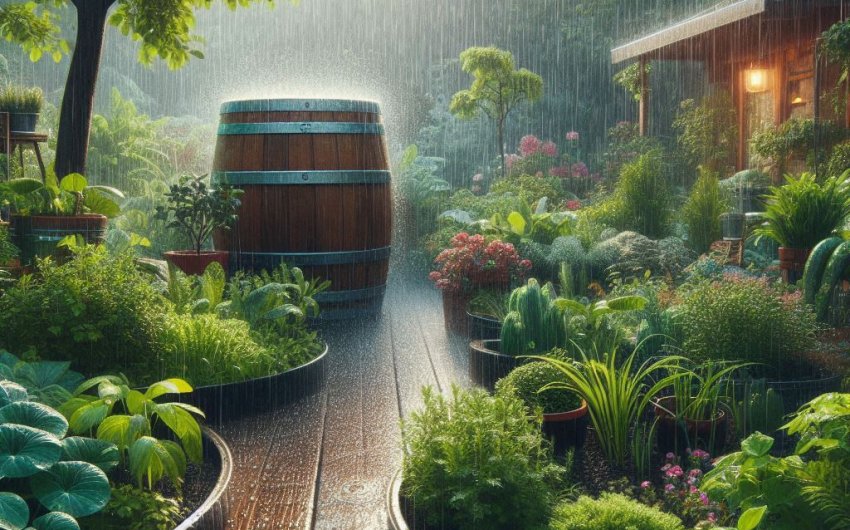
Water is an invaluable resource, especially in the garden. As gardeners, we often marvel at lush foliage and abundant harvests, but behind every vibrant plant is a vital drink. Embracing sustainable watering methods means cultivating a garden that thrives while minimizing our environmental footprint and conserving this precious commodity. It's about working smarter, not harder, to give our plants precisely what they need, exactly when they need it, without waste.
Why is Sustainable Watering Important?
Thinking about sustainable watering methods goes beyond just saving money on your water bill; it's about being a responsible steward of our planet's most crucial natural resource. Water scarcity is a growing concern in many regions, and our gardening practices can either contribute to the problem or be part of the solution.
First, let's consider the direct impact on local water supplies. Over-watering, evaporation, and runoff from inefficient methods can deplete aquifers and reservoirs, affecting drinking water supplies and the health of aquatic ecosystems. By using water wisely in our gardens, we reduce demand on these shared resources, ensuring there's enough for everyone and everything.
Second, the energy involved in delivering water to our homes and gardens is often overlooked. Pumping, treating, and transporting water from its source to your faucet requires significant energy. By conserving water, we indirectly reduce energy consumption and the associated greenhouse gas emissions.
Finally, efficient watering benefits your plants directly. Over-watering can be just as detrimental as under-watering, leading to root rot, nutrient leaching, and increased susceptibility to diseases. Sustainable watering methods often promote healthier, stronger root systems that can better withstand periods of drought. It creates a more resilient garden that isn't dependent on excessive human intervention.
What Are the Best Ways to Collect Rainwater?
Collecting rainwater is arguably one of the most fundamental and effective sustainable watering methods. It's free, natural, and reduces your reliance on municipal water supplies. Rainwater is also often better for plants than tap water, as it's typically free of chlorine, salts, and other additives found in treated city water.
How Do Rain Barrels Work?
Rain barrels are the most common and accessible way to collect rainwater from your roof. They are relatively simple devices designed to capture runoff from your downspouts and store it for later use in your garden.
A typical rain barrel system consists of a barrel (usually 50-75 gallons, like a plastic rain barrel), a connection to a downspout, and a spigot near the bottom for easy water access. Some also have an overflow spout to direct excess water away from your foundation once the barrel is full.
When it rains, water flows from your roof, into your gutters, and then down the downspout. Instead of going into the storm drain, a diverter (or simply directing the downspout into the barrel's opening) channels the water into the barrel. The water then sits until you need it. A screened opening on top prevents debris and mosquitoes from entering.
Rain barrels are a great starting point for anyone looking to implement sustainable watering methods. They are relatively inexpensive, easy to install, and provide a direct, free source of water for your garden plants. Many communities even offer rebates or programs to encourage their use.
What is a Rain Garden?
While not a direct collection method like a barrel, a rain garden is a beautiful and highly effective sustainable watering method that deals with stormwater runoff. Instead of channeling rainwater off your property and into storm drains (which can carry pollutants to waterways), a rain garden absorbs and filters it on-site.
A rain garden is a shallow depression, usually bowl-shaped, designed to capture rainwater from impervious surfaces like roofs, driveways, or patios. It's typically planted with water-loving native plants that can tolerate both wet conditions (when it rains) and drier spells (between rains). The key is that the soil in a rain garden is specially amended with compost and sand to be highly permeable, allowing water to soak in quickly and deeply.
When it rains, water flows into the rain garden, collects in the depression, and slowly infiltrates into the ground, filtering out pollutants and recharging groundwater. This process reduces stormwater runoff, helps prevent localized flooding, and provides habitat for local wildlife. A rain garden plant mix can be purchased for easy planting.
Rain gardens are an excellent long-term investment in sustainable watering and overall property hydrology, though they require more planning and initial effort than simply installing a rain barrel.
Can I Use Greywater for My Garden?
Greywater refers to wastewater from your sinks, showers, bathtubs, and washing machines. It excludes "blackwater" from toilets. Reusing greywater for irrigation is an advanced but very impactful sustainable watering method that can significantly reduce your reliance on fresh water.
It's important to note that using greywater requires careful consideration and, in many areas, specific permits or regulations. Not all greywater is created equal, and some types of detergents or soaps can harm plants or accumulate in the soil over time.
For simple applications, untreated greywater from a bathroom sink (without strong chemicals) or a washing machine (using biodegradable, plant-safe detergents like eco-friendly laundry detergent) can be directed to non-edible landscape plants or fruit trees. It's generally not recommended for direct application to edible parts of vegetables unless a certified treatment system is in place.
More sophisticated greywater systems can involve filters and underground distribution networks. Always use greywater for subsurface irrigation (e.g., drip lines under mulch) to minimize human contact and prevent odor. Avoid using greywater from dishwashers or kitchen sinks due to grease and food particles, which can clog systems and attract pests.
While implementing a full greywater system can be complex, even simple diversions for non-edible plants can be a powerful step towards maximizing sustainable watering in your home landscape.
How Can I Water My Plants More Efficiently?
Beyond collecting water, the way you apply it to your plants is crucial for sustainable watering. Inefficient methods lead to wasted water through evaporation, runoff, and targeting areas where plants don't need it. Focusing on delivering water directly to the root zone is key.
What is Drip Irrigation?
Drip irrigation is one of the most efficient and recommended sustainable watering methods for gardens, especially for rows of vegetables, perennial beds, or individual plants. It delivers water slowly and directly to the plant's root zone, minimizing waste.
A drip irrigation system consists of a main water line (often connected to a hose bib or rain barrel), which branches into smaller tubes called "drip lines." These lines have small emitters or "drippers" spaced at regular intervals. When the system is turned on, water slowly drips out of these emitters, soaking directly into the soil where the plant's roots can access it. You can purchase a drip irrigation kit for easy setup.
Benefits of Drip Irrigation:
- Water Conservation: Reduces water usage by 30-70% compared to overhead sprinklers, as very little water is lost to evaporation or runoff.
- Healthier Plants: Water is applied consistently at the root level, promoting deep root growth and reducing fungal diseases (like powdery mildew) that thrive on wet foliage.
- Weed Reduction: Only the plant's immediate root zone is watered, leaving the areas between plants drier, which discourages weed growth.
- Flexibility: Can be easily customized for different plant spacings and types.
- Automation: Can be connected to a programmable timer for hands-off watering.
While initial setup requires some time and effort, the long-term benefits of drip irrigation for sustainable watering are significant.
What is Soaker Hose Irrigation?
Soaker hose irrigation is another highly effective and relatively low-cost sustainable watering method, particularly good for watering rows of plants, hedges, or densely planted garden beds. Similar to drip irrigation, it delivers water slowly and directly to the soil.
A soaker hose is a porous hose, often made from recycled rubber, that "weeps" water along its entire length. You lay the hose directly on the ground, snaking it around plants or running it in rows, and connect it to your outdoor spigot. When the water is turned on, it slowly seeps out through the pores, moistening the soil in a continuous band. You can find a soaker hose at most garden centers.
Benefits of Soaker Hoses:
- Water Efficient: Like drip irrigation, it significantly reduces water loss from evaporation and runoff by applying water directly to the root zone.
- Easy to Install: Much simpler to set up than a full drip system; just lay it out and turn on the water.
- Reduces Disease: Keeps foliage dry, which helps prevent fungal diseases.
- Economical: Generally less expensive than drip irrigation components.
The main difference between soaker hoses and drip lines is that soaker hoses water a continuous area, while drip lines deliver water at specific points. Both are excellent choices for enhancing your sustainable watering methods.
How Can Mulch Help Conserve Water?
Mulch is a gardener's secret weapon for sustainable watering and overall garden health. It's simply a layer of material applied to the surface of the soil around plants. This seemingly simple act offers a multitude of benefits, with water conservation being one of the most significant.
Mulch acts as a protective barrier on the soil surface. When the sun beats down, a bare soil surface can lose a tremendous amount of water through evaporation. The mulch layer shades the soil, dramatically reducing this evaporative loss. This means the moisture stays in the soil longer, requiring you to water less frequently. You can use organic mulches like wood chips, straw mulch, or shredded leaves. Inorganic mulches like landscape fabric or gravel also offer this benefit.
Other Benefits of Mulch:
- Weed Suppression: By blocking sunlight, mulch significantly suppresses weed growth. Fewer weeds mean less competition for water and nutrients with your desired plants.
- Temperature Regulation: Mulch insulates the soil, keeping it cooler in summer and warmer in winter, which protects plant roots from extreme temperatures.
- Soil Health (Organic Mulches): As organic mulches decompose, they add valuable organic matter to the soil, improving its structure, fertility, and water-holding capacity over time.
Aim for a layer of mulch about 2-4 inches deep, keeping it a few inches away from plant stems and tree trunks to prevent moisture buildup and rot. Mulch is a passive yet incredibly effective component of any sustainable watering strategy.
What Smart Watering Practices Should I Adopt?
Beyond the tools and systems, daily habits and observations play a huge role in successful sustainable watering. Learning to read your plants and your garden environment will allow you to fine-tune your watering, ensuring not a drop is wasted.
When is the Best Time to Water?
The timing of your watering makes a significant difference in how much water actually reaches your plants' roots, and how healthy your plants stay. This is a fundamental aspect of sustainable watering methods.
The best time to water your garden is early in the morning. Here's why:
- Reduces Evaporation: Watering in the cool morning hours, before the sun gets high and temperatures rise, minimizes water loss to evaporation. The water has time to soak deep into the soil before the heat of the day.
- Allows Foliage to Dry: Watering in the morning gives any water that splashes on plant leaves time to dry off before nightfall. Wet foliage sitting overnight can create an ideal environment for fungal diseases to develop and spread.
- Prepares Plants for Heat: Hydrating plants in the morning prepares them to better withstand the heat and stress of the day.
Avoid watering in the middle of the day when evaporation rates are highest, or late in the evening. Late evening watering keeps foliage wet overnight, inviting disease, and can lead to water sitting stagnant in the soil if drainage isn't perfect. If you have no other choice but to water in the evening, try to water at the base of the plant to keep leaves dry. Using a watering wand can help deliver water precisely.
Consistent early morning watering is a simple yet powerful practice for implementing sustainable watering in your garden.
How Do I Know if My Plants Need Water?
Learning to "read" your plants is a skill that saves water and promotes healthier growth. Overwatering is just as common and damaging as underwatering. Instead of sticking to a rigid schedule, check your plants and soil regularly. This observational skill is at the heart of effective sustainable watering.
Signs Your Plants Need Water:
- Wilting: This is the most obvious sign. Leaves and stems will droop and lose their turgidity (firmness). However, a plant can also wilt from overwatering or extreme heat, so check the soil.
- Dry Soil: The most reliable indicator. Stick your finger 2-3 inches into the soil near the plant. If it feels dry, it's time to water. If it feels damp, wait. You can also use a soil moisture meter for more accuracy.
- Light Pot Weight (for containers): Lift the pot. A dry container will feel noticeably lighter than one that is well-watered.
- Crispy or Browning Leaves: While also a sign of other issues, crispy edges or browning on lower leaves can indicate chronic underwatering.
Signs of Overwatering (and why you should stop):
- Yellowing Leaves: Especially lower leaves, often accompanied by soft, mushy stems.
- Stunted Growth: Roots struggling for oxygen can't absorb nutrients properly.
- Foul Odor from Soil: A sign of anaerobic conditions and root rot.
The goal with sustainable watering is to water deeply and infrequently rather than lightly and often. Deep watering encourages roots to grow deeper, making the plant more drought-tolerant. Light, frequent watering encourages shallow roots, making plants more vulnerable to drying out.
What is the Importance of Soil Health?
The health of your garden soil is foundational to all sustainable watering methods. Rich, healthy soil acts like a sponge, absorbing and holding onto water far more effectively than poor, compacted soil. Improving your soil's structure is a long-term investment that dramatically reduces your garden's water needs.
Healthy soil is characterized by:
- High Organic Matter Content: This is the most crucial factor for water retention. Organic matter, such as compost, decomposed leaves, and aged manure, acts like tiny sponges. For every 1% increase in soil organic matter, the soil's water holding capacity can increase by up to 25,000 gallons per acre! Regular additions of garden compost or worm castings will build this up.
- Good Structure (Tilth): Healthy soil has a crumbly, well-aggregated structure with plenty of pore spaces. This allows water to infiltrate quickly rather than running off, and also ensures proper aeration for roots. Avoid excessive tilling, which can destroy this structure.
- Thriving Microbes: A diverse population of beneficial bacteria, fungi, and other microorganisms in the soil helps break down organic matter, make nutrients available to plants, and improve soil structure.
When water hits healthy soil, it soaks in rather than puddling or running off. The organic matter then holds onto that moisture, slowly releasing it to plant roots as needed. This means you need to water less frequently, and your plants will be more resilient during dry spells.
Investing in your soil health by regularly adding organic matter is perhaps the most passive yet powerful of all sustainable watering methods. It creates a living, breathing sponge that manages water for you.
How Can I Choose Water-Wise Plants?
Even with the best sustainable watering methods, choosing plants suited to your local climate and water availability is paramount. Opting for water-wise or drought-tolerant plants can significantly reduce your garden's overall water demands, allowing you to enjoy beauty and bounty with less reliance on supplemental irrigation.
What Are Native Plants?
Native plants are species that have evolved over thousands of years in a particular region or ecosystem. They are naturally adapted to the local climate, soil conditions, and rainfall patterns of that area. This inherent adaptation makes them exceptionally well-suited for sustainable watering and gardening practices.
Because native plants are accustomed to the average rainfall and temperature fluctuations of their home region, they typically require little to no supplemental watering once established, beyond what nature provides. They have evolved efficient root systems and leaf structures to cope with local drought cycles. For instance, plants native to arid regions might have deep taproots or succulent leaves to store water, while those from temperate zones are simply adapted to typical precipitation levels. You can find native plant seeds specific to your region.
Benefits of Native Plants for Water Conservation:
- Low Water Needs: Their primary advantage. Once established, they can often thrive on natural rainfall alone.
- Pest and Disease Resistance: Having co-evolved with local insects and pathogens, they often have natural resistances, reducing the need for chemical interventions that might require water for application.
- Support Local Wildlife: They provide essential food and habitat for local pollinators, birds, and other wildlife, contributing to biodiversity.
To find appropriate native plants for your area, consult your local extension office, native plant society, or a reputable native plant nursery. Integrating them into your garden is a fundamental step towards highly effective sustainable watering.
What are Drought-Tolerant Plants?
Drought-tolerant plants are a broader category than native plants. They are species (native or not) that have developed various adaptations to survive and thrive with minimal water. While they may not be indigenous to your specific region, they are excellent choices for reducing your garden's water consumption and enhancing sustainable watering methods.
These plants employ various strategies to conserve water:
- Deep Root Systems: They grow roots far down into the soil to access deeper moisture reserves (e.g., lavender, rosemary).
- Waxy or Fuzzy Leaves: A waxy coating or fine hairs on leaves reduce water loss through transpiration (e.g., sedum, lambs ear).
- Small or Spiny Leaves: Less surface area means less water evaporation (e.g., many succulents, cacti).
- Silver or Gray Foliage: Reflects sunlight, keeping the plant cooler and reducing water loss (e.g., artemisia, dusty miller).
- Succulence: Store water in fleshy leaves or stems (e.g., succulent varieties).
Examples of popular drought-tolerant plants often found in gardens include lavender, rosemary, sedum, coneflowers (Echinacea), many ornamental grasses, and certain types of sages. While they can survive on little water, they often benefit from occasional deep watering during extended dry spells, especially when first established.
Combining native and drought-tolerant plants into your landscape design, particularly in zones where rainfall is scarce or unpredictable, is a cornerstone of embracing sustainable watering methods and creating a truly resilient garden.