
Easy Wildflower Seeds for Meadows: Create Your Own Oasis
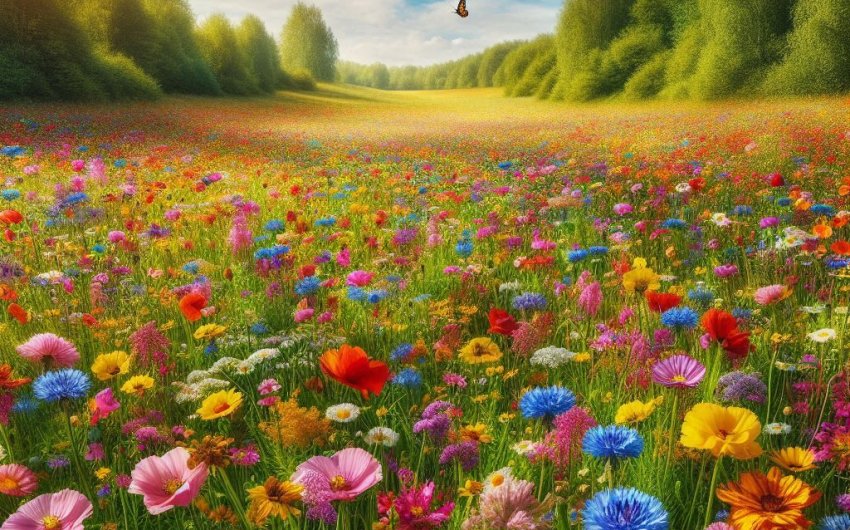
Transforming a patch of lawn or an unused corner of your yard into a buzzing, colorful haven is easier than you might think, especially when you choose the right easy wildflower seeds for meadows. Imagine a tapestry of ever-changing blooms, alive with the gentle hum of pollinators, requiring minimal effort once established. Creating a wildflower meadow isn't just about beauty; it's about fostering biodiversity, supporting local ecosystems, and embracing a more hands-off approach to gardening that celebrates nature's resilience.
Why Should I Plant a Wildflower Meadow?
Planting a wildflower meadow is more than a gardening trend; it's an impactful choice with a multitude of benefits for both the gardener and the environment. It's a way to garden sustainably, support local ecosystems, and create a dynamic, ever-changing landscape right in your backyard.
Do Wildflower Meadows Attract Pollinators?
Absolutely! One of the primary reasons to plant a wildflower meadow is its incredible ability to attract and support pollinators. Bees, butterflies, hoverflies, and other beneficial insects rely on nectar and pollen from flowers for their survival. With declining pollinator populations worldwide, creating a food-rich habitat is more important than ever.
A diverse wildflower seed mix provides a continuous buffet for pollinators throughout the growing season. Different flowers bloom at different times, ensuring there's always a food source available from spring through fall. The variety of flower shapes, sizes, and colors in a meadow also caters to the preferences of different pollinator species. For example, long-tongued bees prefer tubular flowers, while short-tongued bees and flies prefer open, flat blooms. A diverse mix of pollinator-friendly wildflower seeds will attract a broader range of insects.
By providing this essential habitat and food source, your wildflower meadow becomes a vital stepping stone for pollinator populations, helping them thrive and, in turn, benefiting nearby vegetable gardens and fruit trees through increased pollination.
Are Wildflower Meadows Low Maintenance?
Yes, once established, wildflower meadows are remarkably low maintenance compared to traditional lawns or formal garden beds. This is a huge draw for gardeners seeking a more relaxed approach.
Consider the typical lawn: it requires regular mowing (often weekly), fertilizing, weeding, and significant watering. A wildflower meadow, on the other hand, dramatically reduces these tasks. After the initial preparation and seeding, the main maintenance usually involves a single annual mowing (often in late fall or early spring) to help scatter seeds for the next season and prevent woody growth.
You won't need to fertilize your meadow, as wildflowers are generally adapted to leaner soils. While you might need to water newly sown seeds to get them started, established meadows are often quite drought-tolerant, relying primarily on natural rainfall. Weeding becomes less of an issue over time as the wildflowers establish a dense canopy that outcompetes most weeds. The first year requires more vigilance for weeds, but once the wildflowers fill in, they act as their own weed suppressors. Look for low-maintenance wildflower mixes for easy gardening.
This shift to low maintenance frees up your time and resources, making a wildflower meadow an incredibly appealing option for the busy gardener.
Do Wildflower Meadows Improve Soil Health?
Beyond the visible beauty and pollinator benefits, wildflower meadows also play a crucial role in improving soil health beneath the surface. This happens through several natural processes that are integral to a thriving ecosystem.
The dense and diverse root systems of wildflowers penetrate deep into the soil. These roots break up compacted soil, improving its structure. This increased porosity allows for better water infiltration (reducing runoff) and aeration (allowing oxygen to reach soil microbes and other roots). Over time, this makes the soil more hospitable for a wider range of beneficial organisms.
As wildflowers grow and eventually die back, their decaying plant matter contributes organic material to the soil. This organic matter is vital for soil health; it improves water retention, provides a slow-release source of nutrients, and feeds the vast network of microorganisms, fungi, and earthworms that make up a healthy soil food web. Many wildflowers are also legumes, meaning they can "fix" nitrogen from the air into the soil, naturally enriching it without the need for synthetic fertilizers. A soil amendment for wildflowers can jumpstart this process.
By planting a wildflower meadow, you're not just growing flowers; you're actively regenerating and improving the very foundation of your garden's ecosystem.
What Are the Easiest Wildflower Seeds to Grow?
When planning a wildflower meadow, choosing easy wildflower seeds for meadows is crucial for beginner success and a rewarding experience. These are the hardy, forgiving varieties that establish quickly, tolerate various conditions, and reliably put on a stunning show.
Cosmos: The Cheerful Crowd-Pleasers
Cosmos are hands down some of the easiest wildflower seeds for meadows and a favorite among gardeners for their vibrant, daisy-like flowers and feathery foliage. They are fast-growing and incredibly prolific, providing a continuous burst of color from summer until the first hard frost.
Cosmos are available in a wide range of colors, including pink, purple, white, orange, and yellow. Varieties like Cosmos 'Sensation Mix' are popular for meadows due to their height (2-4 feet) and abundance of blooms. Their open flower structure makes nectar and pollen easily accessible to a wide variety of pollinators, including bees and butterflies, making them a fantastic addition to any pollinator-friendly garden.
Cosmos thrive in full sun and well-drained soil. They actually prefer leaner soil and can become leggy and produce fewer flowers in overly rich conditions. They are also relatively drought-tolerant once established, requiring minimal watering. Their resilience and continuous blooming habit make them a top choice for a vibrant, low-effort meadow.
California Poppies: Golden Carpets of Color
California Poppies (Eschscholzia californica) are truly one of the most delightful and easy wildflower seeds for meadows, famous for creating stunning golden (and sometimes orange, red, or pink) carpets of color. They are particularly well-suited for hot, dry conditions and poor soils, making them incredibly adaptable.
These cheerful flowers produce cup-shaped blooms that open with the sun and close at night or on cloudy days. They are annuals in most climates but readily self-seed, meaning once you plant them, they'll likely return year after year, spreading their sunny disposition. Their fine, fern-like foliage adds a delicate texture to the meadow. You can find California poppy seeds online or at garden stores.
California Poppies are perfect for sunny, well-drained spots where other plants might struggle. They require minimal watering once established and are rarely bothered by pests. Their hardiness and prolific self-seeding make them an effortless choice for anyone looking to establish a beautiful, low-maintenance wildflower display that practically takes care of itself.
Black-Eyed Susans: Sunny and Resilient
Black-Eyed Susans (Rudbeckia hirta) are classic, iconic wildflowers that are incredibly easy to grow from seed and a must-have for any meadow. Their bright yellow or orange petals surrounding a dark brown or black central cone are instantly recognizable and bring a cheerful, sunny disposition to the landscape.
These resilient plants are often biennial (blooming in their second year and then dying) or short-lived perennials, but they are prolific self-seeders, ensuring a continuous presence in your meadow year after year. They are highly attractive to a wide range of pollinators, especially butterflies and bees, and their seeds are a valuable food source for birds in the fall. Choose a large packet of Black-Eyed Susan seeds for widespread planting.
Black-Eyed Susans thrive in full sun and can tolerate a variety of soil conditions, though they prefer well-drained soil. Once established, they are quite drought-tolerant and very low maintenance. Their robust nature and reliable, long-lasting blooms make them an ideal candidate for those seeking easy wildflower seeds for meadows that deliver a powerful visual impact.
Perennial Wildflower Mixes: Long-Lasting Beauty
While annuals like Cosmos and California Poppies provide quick, vibrant color in the first year, incorporating perennial wildflower mixes is essential for the long-term success and sustainability of your meadow. Perennials return year after year, forming the backbone of a mature meadow and reducing the need for re-seeding.
A good perennial wildflower mix will include a variety of species adapted to your climate, ensuring blooms throughout the season and providing year-round interest. Look for mixes that include:
- Coneflowers (Echinacea): Hardy, daisy-like flowers popular with bees and butterflies. Echinacea seeds are great for starting.
- Milkweed (Asclepias): Essential for monarch butterflies. Be sure to choose species native to your region. You can find milkweed seeds specific to your area.
- Lupines (Lupinus): Tall, striking flower spikes that add vertical interest and fix nitrogen in the soil. Lupine seeds are available.
- Coreopsis (Coreopsis): Cheerful, often yellow, daisy-like flowers that bloom for a long season.
- Wild Bergamot (Monarda fistulosa): A mint-family plant with shaggy purple-pink flowers, attractive to a wide range of pollinators and surprisingly drought-tolerant once established.
- Yarrow (Achillea millefolium): Flat-topped clusters of flowers in white, yellow, or pink, very drought-tolerant and attractive to beneficial insects.
When selecting a perennial wildflower mix, prioritize those labeled as native to your region. These will be the most well-adapted, requiring the least amount of intervention once established. While perennials might take a year or two to fully establish and bloom profusely, their longevity and resilience make them an invaluable component of a truly sustainable and low-maintenance meadow. A comprehensive perennial wildflower seed mix is a great starting point.
How Do I Prepare the Site for a Wildflower Meadow?
Site preparation is the most critical step for success when planting easy wildflower seeds for meadows. Wildflowers are forgiving once established, but they need a clean slate to get a strong start. Don't skip these steps, as poor preparation often leads to disappointing results.
Should I Remove Existing Vegetation?
Yes, absolutely. Removing existing vegetation is arguably the most important step in preparing your site for a wildflower meadow. Trying to sow wildflower seeds directly into an existing lawn or weed patch is almost always a recipe for failure.
Here's why: existing grasses and weeds are highly competitive. They have established root systems and can quickly outcompete tiny wildflower seedlings for sunlight, water, and nutrients. Your precious wildflower seeds simply won't have a chance to establish themselves if they're battling a dense turf or a vigorous weed population.
There are several methods for removing existing vegetation:
- Solarization: This is an excellent organic method, especially for larger areas. Mow the area very short, then thoroughly water it. Cover the entire area with clear plastic sheeting (4-6 mil thick) and weigh down the edges with rocks or soil to create an airtight seal. The sun will heat the soil underneath, essentially cooking and killing most weeds, seeds, and even some pathogens. Leave the plastic in place for 6-8 weeks during the hottest part of summer. A roll of clear plastic sheeting is all you need.
- Sheet Mulching (Lasagna Gardening): Another great organic method that also improves soil. Lay down layers of cardboard (remove all tape and labels), then layers of organic material like compost, leaves, straw, and more compost. This smothers existing vegetation and slowly breaks down into rich soil. This method is best done in the fall to allow decomposition over winter. You can find organic straw bales for this.
- Manual Removal: For smaller areas, you can simply dig out the existing sod or weeds using a garden shovel or a sod cutter. Ensure you remove as much of the roots as possible to prevent regrowth.
- Non-Selective Herbicide (Last Resort): If other methods are not feasible, a non-selective herbicide (like glyphosate) can be used, but this is less ideal for an ecological meadow and not for organic gardeners. Always follow product instructions carefully.
No matter which method you choose, a clean seedbed is the most important step for successfully establishing your wildflower meadow from easy wildflower seeds.
Do I Need to Amend the Soil?
For most wildflower meadows, the answer is often no, you do not need to heavily amend the soil, and in some cases, it's actually detrimental. This is another factor that makes wildflowers so easy to grow.
Unlike many cultivated garden plants that thrive in rich, heavily amended soil, most wildflowers, especially native species, are adapted to lean, less fertile conditions. In fact, adding too much compost or fertilizer can encourage the growth of vigorous weeds and grasses (which also love rich soil) that will outcompete your wildflowers. Rich soil can also cause some wildflowers to become leggy and produce fewer blooms.
The primary goal of soil preparation for a wildflower meadow is to ensure good drainage and a loose, uncompacted surface for seed-to-soil contact. If your soil is extremely heavy clay, you might consider incorporating a small amount of horticultural sand or a thin layer of compost (no more than 1 inch) to improve drainage and break up compaction. However, for most average soils, simply loosening the top few inches is sufficient.
A light raking after removing existing vegetation will prepare the seedbed without over-enriching it. The beauty of a wildflower meadow is its self-sustaining nature, thriving in conditions that might challenge a traditional garden.
When is the Best Time to Sow Wildflower Seeds?
The best time to sow easy wildflower seeds for meadows depends on your climate and the types of seeds in your mix (annuals vs. perennials). There are generally two optimal windows for planting.
Fall Sowing (Late Fall/Early Winter): This is often the preferred method, especially for mixes containing a high percentage of perennial wildflowers or those that require cold stratification (a period of cold, moist conditions to break dormancy).
- Timing: After the first hard frost, but before the ground freezes solid. This typically means late October through December in most temperate climates.
- Benefits:
- Natural Stratification: Seeds undergo natural cold and wet conditions over winter, which prepares them for germination in spring.
- Early Spring Germination: Seeds are ready to sprout as soon as soil temperatures warm up in spring, giving them a head start on weeds.
- Less Competition: Many weed seeds haven't germinated yet.
- How: Prepare the seedbed, scatter the seeds, and lightly press them into the soil (don't bury them deeply!). The winter snow and rain will naturally settle them.
Spring Sowing (Early Spring): This is ideal for annual wildflower mixes or in very cold climates where fall sowing might be risky if seeds don't get sufficient cold stratification.
- Timing: As soon as the soil can be worked in spring, after the last hard frost, usually from March to May depending on your zone.
- Benefits:
- Quick Results (Annuals): Annual wildflowers will germinate and bloom quickly, providing color in the first season.
- Warmer Soil: More conducive to germination for many species.
- How: Prepare the seedbed, scatter seeds, and lightly rake them in, ensuring good seed-to-soil contact. You will likely need to water regularly until germination and during dry spells in the first few weeks.
Regardless of the season, ensure your site is thoroughly prepared before sowing your easy wildflower seeds for meadows.
How Do I Sow Wildflower Seeds Effectively?
Sowing easy wildflower seeds for meadows is less precise than planting individual garden plants, but some techniques will ensure better germination and a more uniform meadow. It's about getting good seed-to-soil contact.
Should I Broadcast or Sow in Rows?
For a natural-looking wildflower meadow, broadcasting your seeds is the most effective method. Sowing in rows would create an unnatural, regimented look that defeats the purpose of a wild, free-flowing meadow.
Broadcasting means scattering the seeds evenly over the prepared seedbed. Here's how to do it effectively:
- Mix Seeds with Sand or Sawdust: Wildflower seeds are tiny, making them hard to spread evenly. Mix your easy wildflower seeds for meadows with 5-10 parts of sand, perlite, or sawdust. This bulks up the volume, making it easier to see where you've sown and ensuring more even distribution. You can use playground sand or fine builder's sand.
- Divide the Area and Seeds: For larger areas, divide your meadow into smaller, manageable sections. Divide your seed-and-sand mixture into the same number of portions.
- Cross-Hatch Method: Broadcast half of each portion by walking across your section in one direction (e.g., north to south), then broadcast the other half by walking in a perpendicular direction (e.g., east to west). This ensures maximum coverage and evenness.
- Lightly Rake In (or Press): After broadcasting, gently rake the seeds into the top 1/8 to 1/4 inch of soil. Don't bury them too deeply, as many wildflower seeds need light to germinate. Alternatively, for very small seeds, simply walk over the area or gently press them into the soil with a garden roller or the back of a shovel. This ensures good seed-to-soil contact, which is crucial for germination.
- Water Gently (Spring Sowing): If sowing in spring, water the area gently after seeding using a fine spray. Avoid a strong stream of water that could wash away the tiny seeds. Keep the soil consistently moist until germination.
By broadcasting, you create the natural, beautiful drift of colors and textures that defines a truly enchanting wildflower meadow.
How Much Seed Do I Need?
The amount of wildflower seed you need for your meadow depends on the recommended seeding rate, which is usually provided by the seed supplier. This rate often varies based on the type of mix (e.g., pure seed vs. mixes with inert material) and the desired density of your meadow.
A common recommendation for easy wildflower seeds for meadows is to sow at a rate of 5-10 pounds per acre (for pure seed) or around 1/4 to 1/2 pound per 1,000 square feet. However, always defer to the specific instructions on your chosen wildflower seed mix package, as different mixes have different densities and germination rates.
Calculating Your Area:
- Square or Rectangular Area: Measure length x width to get square feet.
- Irregular Area: Break it down into smaller, simpler shapes (squares, rectangles, triangles) and add them up.
- Example: If your area is 20 feet by 50 feet, that's 1,000 square feet. If the recommendation is 1/4 pound per 1,000 sq ft, you'd need 1/4 pound of that specific mix.
Consider these factors:
- Desired Density: If you want a very dense meadow from the start, lean towards the higher end of the recommended seeding rate.
- Weed Pressure: In areas with high weed pressure, a slightly higher seeding rate can help wildflowers outcompete weeds.
- Seed Purity/Germination Rate: Reputable seed suppliers will provide this information. Higher purity means more actual seeds per pound.
- Mix Contents: Some mixes contain "fillers" like inert material (rice hulls, sawdust) to make them easier to spread, so the actual seed weight will be less.
It's better to slightly overestimate than underestimate, especially for your first meadow. Having enough easy wildflower seeds ensures a full, vibrant display that fulfills the vision of a thriving meadow.
How Much Water Do New Wildflower Seeds Need?
When you first sow your easy wildflower seeds for meadows, consistent moisture is crucial for successful germination and the establishment of seedlings. This is the period when your meadow will be most dependent on you for watering.
Spring Sowing:
- After broadcasting your seeds, water the area gently using a fine spray nozzle on your hose (like a watering wand with a gentle spray). The goal is to moisten the top inch or two of soil without washing away the tiny seeds.
- Keep the soil consistently moist (but not waterlogged) until the seeds germinate. This might mean light watering once or twice a day, especially during warm, sunny, or windy weather.
- Once seedlings emerge, you can gradually reduce watering frequency, allowing the top layer of soil to dry slightly between waterings, encouraging roots to grow deeper. Continue to water during dry spells for the first 6-8 weeks until plants are well-established.
Fall Sowing:
- Generally, fall-sown seeds require less supplemental watering, as winter snow and spring rains typically provide enough moisture for germination.
- However, if you experience an unusually dry fall or winter, a few gentle waterings might be beneficial to ensure seeds remain viable.
General Tips:
- Avoid Puddling: Never let water puddle on the surface, as this can wash away seeds or create anaerobic conditions.
- Deep and Infrequent (After Establishment): Once your wildflowers are established (after several months and developing a healthy root system), they will be much more drought-tolerant. At this point, aim for deep, infrequent waterings during extended dry periods, allowing the soil to dry out between watering sessions to encourage strong, deep roots.
- Observe Your Plants: The best guide is always to observe your plants. If they show signs of wilting or stress, they likely need water.
Providing the right amount of water during establishment is key to seeing your easy wildflower seeds blossom into a magnificent meadow.
What Maintenance Does a Wildflower Meadow Need?
While truly low-maintenance once established, a wildflower meadow isn't entirely "set it and forget it," especially in the first year. Understanding the minimal ongoing care will ensure your meadow remains beautiful, biodiverse, and thriving for years to come.
How Do I Manage Weeds in a Wildflower Meadow?
Weed management is the most significant maintenance task for a wildflower meadow, particularly in the first year. A successful meadow depends on your desired wildflowers outcompeting undesirable weeds.
First Year Weed Management (Crucial!):
- Initial Site Prep is Key: As mentioned, thorough removal of existing vegetation before sowing is your best defense against weeds.
- Hand-Weeding: For smaller meadows, hand-weeding is often the most effective method in the first season. Learn to identify your wildflower seedlings and pull out obvious weeds before they get too large. Focus on perennial weeds (like thistles, dandelions, or bindweed) that will be persistent. A hand weeder tool can make this easier.
- Mowing High: If weeds become overwhelming in a larger area, you can sometimes mow the entire area on a very high setting (6-8 inches). This will cut down both weeds and wildflower seedlings, but wildflowers often have deeper roots or can regrow faster. This is a risky strategy and should be used with caution, but it can provide a "reset" for very weedy patches.
- Patience: Remember that in the first year, your meadow might look a bit "weedy." Don't give up! As the wildflowers mature and fill in, they will naturally outcompete many annual weeds.
Ongoing Weed Management (After Establishment):
- Annual Mowing: This is your primary long-term weed control. Mow the entire meadow once a year, usually in late fall after seeds have dropped, or in early spring before new growth begins. Mowing helps scatter seeds for next year, prevents woody plants from taking over, and controls perennial weeds by cutting them back before they can produce too much seed. Use a string trimmer or brush cutter for larger areas.
- Spot Weeding: Occasionally, persistent perennial weeds might pop up. Spot-weeding them manually or with a targeted organic herbicide can keep them in check.
- Embrace Some Weeds: Understand that a true "wild" meadow won't be pristine. A few weeds are natural and part of the ecosystem. The goal isn't sterile perfection but a vibrant, healthy community.
Effective weed management, especially in the crucial first year, sets the stage for a thriving, low-maintenance wildflower meadow filled with easy wildflower seeds.
When Should I Mow My Wildflower Meadow?
Mowing a wildflower meadow might seem counterintuitive, but it's a critical part of its long-term management and ensures the meadow regenerates beautifully year after year. The timing of this annual mowing is key.
The best time to mow your wildflower meadow is typically in late fall after the first hard frost, or in early spring before significant new growth emerges.
Why Mow in Late Fall/Early Winter?
- Seed Dispersal: By waiting until late fall, you allow most of your annual wildflowers to complete their life cycle and drop their seeds back into the soil, ensuring future generations. Perennial wildflowers have also usually senesced (died back) by this point.
- Winter Habitat: Leaving the meadow standing through early winter provides valuable shelter and food (seeds) for birds and other wildlife during the colder months.
- Nutrient Cycling: The cut plant material provides a natural layer of mulch, returning organic matter and nutrients to the soil as it breaks down.
Why Mow in Early Spring?
- New Growth: Mowing before major spring growth encourages vigorous new shoots from perennials and annuals alike.
- Prevents Woody Plants: Early spring mowing can help suppress the establishment of undesirable woody shrubs or trees that might try to take root.
- Similar to Grazing: This timing mimics natural processes like grazing animals or wildfires that would historically keep meadows open and prevent them from becoming forests.
How to Mow:
- High Setting: Always set your mower deck to its highest setting, typically 6-8 inches. The goal is to cut the stems, not scalp the ground. A brush cutter or field mower might be necessary for very tall or dense meadows.
- Leave Clippings: Do not bag the clippings. Leave them on the ground to act as mulch and return nutrients to the soil. This also helps bury some of the dropped seeds.
This single annual mowing, done at the correct time, is the secret to a long-lasting, vibrant wildflower meadow derived from your initial easy wildflower seeds for meadows.
Do I Need to Fertilize a Wildflower Meadow?
Generally, no, you do not need to fertilize a wildflower meadow. In fact, fertilizing can often be detrimental to its long-term health and the aesthetic you're trying to achieve.
Most wildflowers, especially those included in easy wildflower seed mixes for meadows, are adapted to lean, less fertile soils. They thrive in conditions that would cause many cultivated garden plants to struggle.
Here's why you should avoid fertilizing:
- Encourages Weeds and Grasses: Fertilizers, especially those high in nitrogen, tend to favor the growth of aggressive weeds and grasses. These plants are often better at utilizing abundant nutrients and can quickly outcompete your desired wildflowers, leading to a less diverse and more weedy meadow.
- Leggy Growth: Too much fertility can cause wildflowers to produce excessive leafy growth (become "leggy") at the expense of flowers. This results in weaker stems that are prone to flopping over, and fewer blooms.
- Natural Nutrient Cycling: As discussed earlier, a healthy meadow creates its own fertility. Decomposing plant matter returns nutrients to the soil, and many wildflowers (especially legumes like lupines) are nitrogen-fixers, meaning they convert atmospheric nitrogen into a form usable by plants, naturally enriching the soil without external inputs.
The goal of a wildflower meadow is to create a self-sustaining, natural ecosystem. By selecting easy wildflower seeds for meadows and preparing the site correctly, you allow nature to do most of the work, creating a beautiful and thriving landscape that doesn't rely on synthetic inputs.