
Buzzing Beauty: How to Attract Bees to Your Garden
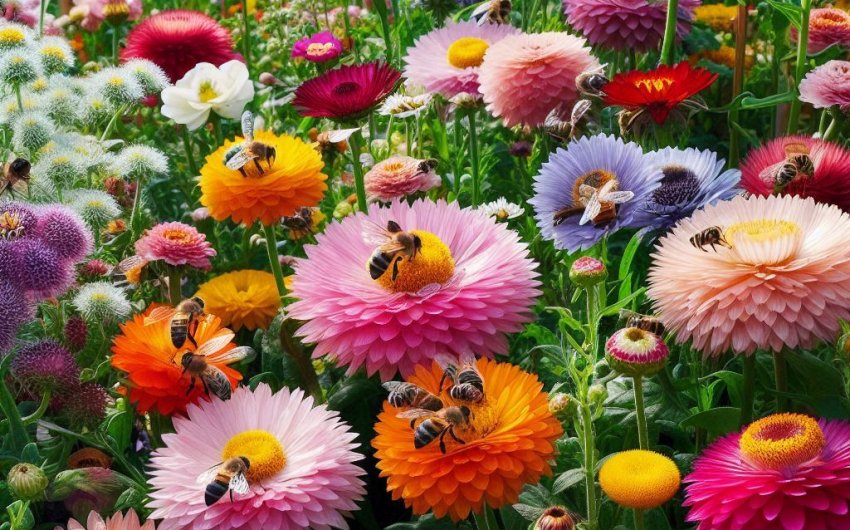
Creating a flourishing garden often relies on nature's tiny helpers, and understanding how to attract bees to garden spaces is key to a bountiful harvest and a vibrant ecosystem. These industrious insects are essential pollinators, responsible for helping countless fruits, vegetables, and flowers produce their bounty. By offering them a welcoming habitat with abundant food and shelter, you can transform your outdoor area into a bustling hub of beneficial activity, ensuring both beauty and productivity.
Why Are Bees So Important for My Garden?
Bees are more than just fuzzy, buzzing creatures; they are the unsung heroes of our gardens and the global food supply. Understanding their vital role will illuminate precisely why learning how to attract bees to garden areas is so crucial.
Do Bees Pollinate My Vegetables and Fruits?
Absolutely! This is the most direct and vital reason why bees are indispensable to gardeners. Bees are the primary pollinators for the vast majority of our fruits, vegetables, nuts, and seeds. Pollination is the process by which pollen is transferred from the male part of a flower (anther) to the female part (stigma), leading to fertilization and the production of seeds or fruit. Without effective pollination, many of your edible plants simply wouldn't yield anything.
Think of it this way:
- Tomatoes, Peppers, Eggplants: While often self-pollinating, bees (especially bumblebees through "buzz pollination") significantly increase yields.
- Cucumbers, Squash, Pumpkins, Melons: These are often referred to as "bee-dependent." They have separate male and female flowers, and pollen must be transferred from male to female flowers, almost always by insects like bees. Without bees, you get no fruit.
- Apples, Berries, Cherries, Peaches: Most fruit trees and bushes require cross-pollination from bees visiting different varieties to produce a good crop.
- Beans, Peas, Sunflowers: Many common garden vegetables and flowers benefit greatly from bee visits.
A garden without bees is a garden with a significantly reduced harvest. Learning how to attract bees to garden areas directly translates into more delicious food for you.
How Do Bees Contribute to Biodiversity?
Bees play a much larger role than just pollinating our food crops; they are fundamental to maintaining biodiversity in ecosystems worldwide. Biodiversity refers to the variety of life on Earth, encompassing all plants, animals, and microorganisms, and the ecosystems they form. Bees are a crucial link in this intricate web.
Many wild flowering plants rely on bees for pollination to produce seeds and reproduce. If these plants cannot reproduce, their populations decline, which in turn impacts the animals (insects, birds, mammals) that depend on those plants for food or habitat. This ripple effect can destabilize entire ecosystems.
By ensuring the reproduction of diverse plant species, bees help to maintain the health and resilience of natural landscapes, from forests to prairies. A healthy, diverse ecosystem is better equipped to handle environmental changes, pests, and diseases. When you focus on how to attract bees to garden spaces, you are not only helping your own plants, but you are also contributing to the health of the broader environment and supporting the intricate web of life that sustains us all.
Why Are Bee Populations Declining?
The decline of bee populations worldwide is a serious environmental concern, often referred to as "colony collapse disorder" for honeybees, but it affects many other bee species too. Understanding the reasons behind this decline highlights the urgency and importance of learning how to attract bees to garden spaces and support them.
Several interconnected factors contribute to bee decline:
- Habitat Loss: Urban development, large-scale agriculture, and changes in land use have drastically reduced the amount of natural habitat available for bees to forage (find food) and nest. Monoculture farming (growing vast areas of a single crop) offers a temporary food source when blooming, but then leaves bees without food for the rest of the year.
- Pesticide Use: Especially systemic pesticides (like neonicotinoids) are highly toxic to bees. These chemicals can be absorbed by the plant and be present in pollen and nectar, poisoning bees that forage on them. Even non-lethal doses can impair their navigation, foraging, and immune systems. Avoiding pesticides is a key step.
- Diseases and Parasites: Honeybees, in particular, are susceptible to various diseases and parasitic mites (like the Varroa mite) that weaken colonies and make them more vulnerable to other stresses.
- Climate Change: Changes in weather patterns can disrupt the delicate timing between when flowers bloom and when bees emerge, leading to food shortages. Extreme weather events can also directly impact bee populations.
- Lack of Diversity in Food Sources: Even where flowers are present, a lack of variety can mean bees aren't getting all the nutrients they need, weakening their immune systems.
By dedicating efforts to how to attract bees to garden settings, individual gardeners can collectively create vital "refueling stations" and safe havens that help mitigate these widespread threats, providing essential support for these critical insects.
What Do Bees Need in a Garden?
To truly understand how to attract bees to garden areas, you need to think like a bee! What are their basic needs? Essentially, they're looking for a comfortable home with easy access to food and water, and a safe environment.
Do Bees Need Nectar and Pollen?
Yes, nectar and pollen are the lifeblood of bees. They are the essential food sources that sustain bee colonies and individual bees throughout their lives. Providing abundant and diverse sources of both is the single most important step in learning how to attract bees to garden settings.
- Nectar: This is a sugary liquid produced by flowers, serving as the bee's primary energy source. Bees convert nectar into honey, which they store to feed themselves and their young. Flowers rich in nectar include borage seeds, lavender plants, and many herbs.
- Pollen: This powdery substance, produced by the male parts of flowers, is the bee's main source of protein, vitamins, minerals, and fats. It's especially vital for feeding bee larvae. Bees collect pollen in "pollen baskets" on their legs (for honeybees and bumblebees) or on hairs all over their bodies (for other bee species). Flowers like sunflower seeds and poppies are excellent pollen sources.
Some flowers produce both nectar and pollen, while others are primarily one or the other. Offering a wide variety of flowers ensures bees get a balanced diet.
What Kind of Flowers Attract Bees?
Not all flowers are created equal when it comes to attracting bees. To effectively learn how to attract bees to garden spaces, you need to choose flowers that bees can easily access and that offer rich rewards.
Characteristics of Bee-Friendly Flowers:
- Color: Bees are highly attracted to blue, purple, yellow, and white flowers. They cannot see red well.
- Scent: Many bee-attracting flowers have a sweet, fresh scent, though some rely on visual cues.
- Shape: Bees prefer open, flat flowers (like daisies, coneflowers, or asters) that offer an easy landing pad and readily accessible nectar and pollen. Flowers with short tubes or clusters of small flowers (like sedum or dill) are also popular. Avoid complex, "double" flowers where the pollen and nectar are hidden by extra petals.
- Nectar & Pollen Richness: Choose flowers known for abundant nectar and pollen.
Examples of Top Bee-Friendly Flowers:
- Perennials: Coneflower (Echinacea), Lavender, Bee Balm (Monarda), Salvia, Sedum, Aster.
- Annuals: Cosmos, Zinnia, Sunflower, Borage, Sweet Alyssum.
- Herbs: Basil (when allowed to flower), Mint, Thyme, Oregano.
Planting in drifts or large patches of the same flower color can make your garden more visible and attractive to foraging bees. A good bee-friendly seed mix is often a great starting point.
Do Bees Need Water?
Yes, just like all living creatures, bees need water to survive. They use water to dilute honey (which becomes too thick in the hive), to regulate hive temperature, and for general hydration, especially during hot weather. Providing a safe water source is an often-overlooked but important step in learning how to attract bees to garden settings.
However, bees cannot drink from open, deep water sources like bird baths or ponds where they might drown. They need shallow water with places to land.
How to Provide Water for Bees:
- Bee Bath: The easiest way is to create a "bee bath." Fill a shallow dish, birdbath, or even a pie plate with pebbles, marbles, or small stones. Fill it with water, ensuring that a good portion of the stones stick out above the waterline. Bees can then land safely on the stones and drink without falling in.
- Moist Soil: Areas of consistently moist soil, such as near a leaky faucet or at the edge of a garden bed, can also serve as a water source where bees can collect moisture without risk.
- Slow Drips: A very slow drip from a hose onto a rock or piece of wood can also create a continuous, safe water source.
Make sure to clean your bee bath regularly to prevent algae buildup and mosquito breeding. A simple bird bath with stones can become a perfect bee oasis.
Do Bees Need Shelter and Nesting Sites?
While many people think of honeybees living in large hives, the vast majority of bee species (over 4,000 in North America alone!) are solitary bees that nest in the ground or in tunnels. Providing suitable shelter and nesting sites is an advanced but very impactful way to learn how to attract bees to garden settings and support diverse bee populations.
Types of Bee Nests:
- Ground-Nesting Bees: About 70% of solitary bees nest underground. They prefer sunny, undisturbed patches of bare, well-drained soil (not covered by mulch or dense groundcover). You can create a small "bee patch" by clearing a sunny area of your garden and leaving the soil undisturbed.
- Tunnel-Nesting Bees: These bees (like mason bees and leafcutter bees) nest in hollow stems, old beetle borings in wood, or pre-made tunnels.
- Dead Stems: Leave hollow-stemmed plants (like sunflowers, coneflowers, or elderberry) standing over winter. Cut them back in spring, leaving 6-12 inch stalks for bees to nest in.
- Wood Piles: Create small piles of untreated, rotting wood.
- Bee Houses/Hotels: You can purchase or build bee hotels with various-sized tubes (bamboo, cardboard, or drilled wood blocks). Ensure the tubes are easy to clean or replace annually to prevent disease. Place them in a sunny, sheltered spot.
General Shelter:
- Leave Some "Mess": Resist the urge for a perfectly manicured garden. A few untidy corners, leaf litter, or small log piles can provide excellent overwintering sites for bees and other beneficial insects.
- Tall Grasses: Some bees will nest or overwinter in clumps of tall grass.
By providing varied nesting habitats alongside abundant food and water, you create a truly inviting sanctuary, completing your strategy for how to attract bees to garden areas.
How Do I Design a Bee-Friendly Garden?
Knowing what bees need is one thing; putting it all together in a cohesive and effective garden design is another. A well-designed bee-friendly garden isn't just about throwing random flowers around; it's about thoughtful planning that maximizes appeal and support for pollinators throughout the season.
Should I Plant Native Plants?
Yes, prioritizing native plants is one of the most effective strategies for learning how to attract bees to garden environments, particularly native bees. Native plants are species that have evolved over thousands of years in your specific region.
Here's why they are so beneficial:
- Co-evolution: Native bees have co-evolved with native plants. They often have specialized relationships where certain bee species are uniquely adapted to pollinate specific native plants. This means native plants are perfectly suited to the nutritional needs of local bees.
- Climate Adaptation: Native plants are naturally adapted to your local climate, soil conditions, and rainfall patterns. This means they require less water, fertilizer, and general care once established, making them more resilient and sustainable.
- Year-Round Support: A diverse selection of native plants provides a continuous succession of blooms from early spring to late fall, ensuring a consistent food supply for bees throughout their active season.
- Pest and Disease Resistance: Having evolved alongside local pests and diseases, native plants often have natural resistances, reducing the need for harmful chemical interventions.
To find appropriate native plants for your area, consult your local university extension office, native plant society, or a reputable nursery specializing in native species. Look for a native plant seed mix for pollinators specific to your region. Integrating native plants into your landscape is a powerful way to enhance your efforts on how to attract bees to garden spaces.
What is Continuous Bloom?
Continuous bloom means having at least one type of plant flowering in your garden from early spring to late fall. This concept is vital for supporting bees, as it ensures a constant food supply throughout their entire active season. Bees, especially those that build large colonies, need a steady flow of nectar and pollen to survive and thrive.
To achieve continuous bloom:
- Research Bloom Times: When selecting plants, pay attention to their peak bloom times. Plan your garden so that as one group of plants finishes flowering, another is just beginning.
- Mix Annuals and Perennials:
- Include Trees and Shrubs: Don't forget that trees and shrubs (like native maples, willows, fruit trees, or blueberries) can provide massive amounts of early-season nectar and pollen, critical when other food sources are scarce.
- Let Herbs Flower: Allow some of your herbs (like basil, oregano, thyme, mint, dill) to "bolt" (go to seed) and flower. Their tiny blooms are highly attractive to bees.
By planning for continuous bloom, you ensure your garden is always a welcoming and nutritious stop for bees, effectively mastering how to attract bees to garden areas.
How Should I Plant Flowers for Bees?
The way you arrange your plants in the garden can significantly impact how efficiently bees forage and how appealing your garden is to them. It's not just about what you plant, but also how you plant it.
- Plant in Drifts or Clumps: Instead of scattering individual plants, plant groups of the same flower together in drifts or clumps of at least 3-4 feet in diameter. This creates a larger, more visible target for bees and allows them to forage more efficiently. They spend less energy flying between isolated plants and more energy collecting nectar and pollen. Consider large quantities of bulk wildflower seeds for this purpose.
- Diverse Heights: Include plants of varying heights. Taller plants (like sunflowers or Joe Pye Weed) provide visible beacons, while shorter plants (like Sweet Alyssum or clover) offer ground-level forage.
- Full Sun: Most bee-attracting plants prefer full sun (at least 6 hours of direct sunlight per day). Ensure your bee-friendly beds are in the sunniest parts of your garden.
- Shelter from Wind: While not always possible, locating your bee garden in an area somewhat protected from strong winds can make it more comfortable for bees to forage. Hedges or fences can provide some shelter.
- Pathways: Plan for pathways within your garden. This allows you to observe the bees without disturbing them too much and makes maintenance easier.
By thoughtfully arranging your plants, you can maximize your efforts on how to attract bees to garden spaces, creating an efficient and beautiful foraging ground.
How Can I Maintain a Bee-Friendly Garden?
Creating a bee-friendly garden is an ongoing commitment. The way you maintain your garden after planting is just as important as the initial setup. Sustainable practices will ensure your garden remains a safe and abundant haven for bees year after year.
Should I Avoid Pesticides?
Absolutely, avoiding pesticides is paramount when learning how to attract bees to garden areas and keep them healthy. Pesticides, by their very definition, are designed to kill or deter insects, and bees are insects. Even "organic" or "natural" pesticides can be harmful to bees if applied improperly or at the wrong time.
Risks of Pesticides to Bees:
- Direct Toxicity: Bees can be killed immediately upon contact with or ingestion of many common insecticides.
- Sublethal Effects: Even low doses can impair bees' ability to navigate, forage, learn, and reproduce, leading to weakened colonies.
- Systemic Pesticides: These chemicals (like neonicotinoids) are absorbed by the plant and become present in pollen and nectar, poisoning bees who feed on them even long after application.
- Drift: Pesticide sprays can drift from your property onto neighboring bee habitats or flowering plants.
Alternatives to Pesticides for Pest Control:
- Healthy Plants: Strong, healthy plants are more resistant to pest attacks.
- Beneficial Insects: Encourage predatory insects (like ladybugs, lacewings, parasitic wasps) by providing diverse flowers and habitat. Many beneficial insect attracting seeds are available.
- Manual Removal: Hand-pick larger pests like tomato hornworms or squash bugs. Use a strong spray of water to dislodge aphids.
- Trap Cropping: Plant sacrificial plants (e.g., nasturtiums for aphids) to lure pests away from your main crops.
- Barriers: Use row covers to protect young plants from flying insects.
- Organic Sprays (Use with Caution): If absolutely necessary, use very targeted organic sprays like insecticidal soap or neem oil, but always apply them in the evening when bees are not active, and avoid spraying open blooms. Read labels carefully to ensure they are bee-safe.
The most effective approach to how to attract bees to garden spaces and protect them is to eliminate chemical pesticides entirely from your garden routine.
What is Deadheading and Why is it Important for Bees?
Deadheading is the practice of removing spent or faded flowers from a plant. While it might seem like a purely aesthetic task, it plays a vital role in extending the bloom period of many plants, which in turn provides a continuous food source for bees and other pollinators.
When a flower fades, the plant typically starts putting its energy into producing seeds. By deadheading, you signal to the plant that it hasn't successfully reproduced yet, prompting it to produce more flowers in an attempt to make seeds. This leads to a longer and often more prolific blooming period.
For bees, this means:
- Extended Foraging: A longer bloom period translates to more days of accessible nectar and pollen, ensuring a steady food supply over a longer duration. This is especially important during "nectar dearths" – periods when fewer flowers are naturally blooming.
- Increased Visits: More flowers mean more bees visiting your garden, increasing pollination rates for your edible crops.
Not all plants benefit from deadheading for extended bloom (e.g., plants that bloom all at once, or those you want to self-seed). However, many popular bee-friendly plants like Cosmos, Zinnias, Marigolds, and many Salvias will rebloom more readily if deadheaded. Use sharp pruning snips for easy deadheading.
Deadheading is a simple gardening practice that significantly boosts your efforts on how to attract bees to garden areas by providing an extended floral buffet.
Should I Leave Some Areas Untidy?
Yes, consciously leaving some areas of your garden a bit "untidy" is a powerful and often overlooked strategy for learning how to attract bees to garden spaces and support their full life cycle. While a manicured lawn and spotless garden beds might look neat to human eyes, they often lack the crucial shelter and nesting sites that many bee species (and other beneficial insects) require.
Why Untidy is Bee-Friendly:
- Ground-Nesting Sites: As mentioned, many native bees nest in bare patches of well-drained soil. Resist the urge to cover every inch of your garden with mulch. Leave small, sunny, undisturbed areas of exposed soil.
- Stem-Nesting Sites: Many solitary bees nest inside hollow or pithy stems. Instead of cutting back all your perennials and shrubs to the ground in fall, leave some stems (6-12 inches tall) standing over winter. Plants like sunflowers, bee balm, or raspberry canes are good candidates.
- Leaf Litter: A layer of fallen leaves can provide shelter for overwintering bees and other beneficial insects. Instead of raking every leaf, consider leaving some in garden beds or creating a small leaf pile in an out-of-the-way corner.
- Wood Piles: Small piles of untreated, decaying logs or branches can offer nesting opportunities for certain bee species and other helpful wildlife.
- Overwintering Sites: Many bees overwinter as larvae or pupae, often in old stems, underground, or under leaf litter. Tidying too much in the fall can destroy these vital overwintering habitats.
By embracing a more relaxed approach to garden tidiness, you create a more diverse and complete habitat, completing your understanding of how to attract bees to garden areas and ensure their long-term survival.