
Thriving Indoors: Essential Plant Humidity Tips
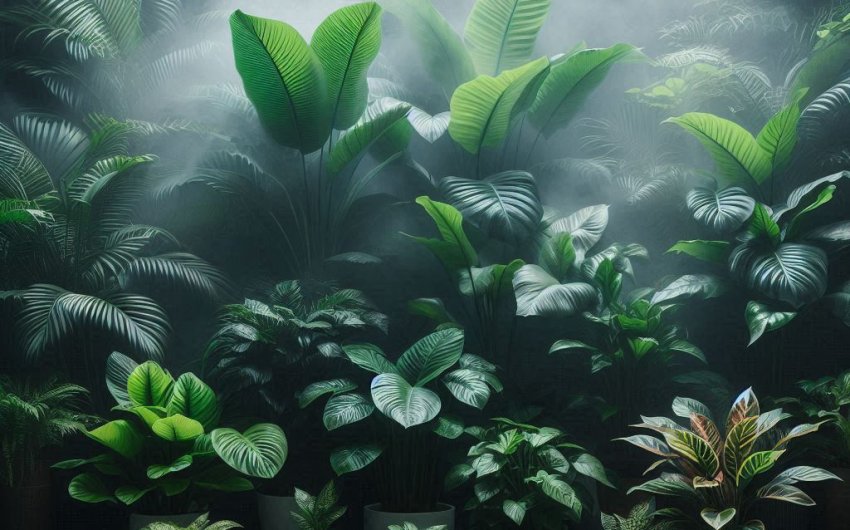
Keeping your beloved houseplants vibrant and healthy involves more than just watering and sunlight; for many, it's about mastering their environment. Achieving the right atmospheric moisture is a critical, yet often overlooked, factor for optimal growth. Understanding key indoor plant humidity tips can transform struggling greenery into thriving specimens, especially those tropical beauties yearning for a touch of their native jungle home.
Why Do Indoor Plants Need Humidity?
Humidity, which is the amount of moisture in the air, plays a crucial role in the health and vitality of many houseplants. Ignoring their need for sufficient airborne moisture can lead to a host of problems, from crispy leaves to stunted growth. Understanding this fundamental requirement is the first step in successful indoor plant care.
How Does Humidity Affect Plant Health?
Humidity directly impacts how a plant breathes and absorbs water, a process called transpiration. Plants absorb water through their roots and release it as water vapor through tiny pores (stomata) on their leaves. This constant evaporation creates a "pull" that draws more water up from the roots.
When the air is very dry (low humidity), plants transpire much faster, losing water more rapidly than their roots can absorb it. This can lead to:
- Crispy Leaf Edges: The most common sign, especially on tropical plants. The leaf tissue dries out and becomes brittle.
- Wilting: If water loss is severe, the entire plant may wilt, even if the soil is moist.
- Stunted Growth: The plant dedicates energy to survival rather than growth, leading to smaller leaves and overall slow development.
- Increased Pest Susceptibility: Dry conditions can stress plants, making them more vulnerable to common indoor pests like spider mites, which thrive in low humidity.
- Poor Photosynthesis: Transpiration is linked to photosynthesis. When stomata close to conserve water in dry air, carbon dioxide intake is limited, hindering the plant's ability to make food.
Conversely, when humidity levels are ideal, plants can transpire at a healthy rate, efficiently moving water and nutrients throughout their system without excess stress. This leads to lush, vibrant foliage and robust growth, making appropriate indoor plant humidity tips essential for many species.
Which Plants Are Most Sensitive to Low Humidity?
Not all houseplants are equally sensitive to dry air. While a cactus from a desert environment would be perfectly happy, many of our popular houseplants hail from tropical or subtropical regions where high humidity is the norm. These are the plants that will benefit most from targeted indoor plant humidity tips.
Plants that are most sensitive to low humidity typically have thinner, larger leaves, or come from a rainforest understory environment. Their natural habitat is often characterized by consistent, high moisture levels in the air, sometimes reaching 70-90% relative humidity.
Here are some common houseplants that crave higher humidity:
- Calathea (Prayer Plant): Known for their dramatic, patterned leaves, Calatheas are notorious for crisping up quickly in dry air. You can often see their leaves curl in when humidity is low.
- Fittonia (Nerve Plant): These small, vibrant plants with contrasting veins wilt dramatically when dry and prefer consistently high humidity.
- Ferns (Maidenhair, Boston, Kimberly Queen): Most ferns thrive in humid conditions. Their delicate fronds are quick to dry out and turn brown without enough moisture in the air.
- Orchids (Phalaenopsis, Cattleya): While they can survive in average home humidity, orchids produce more vigorous roots and blooms with higher moisture levels.
- Monsteras, Philodendrons, Pothos, Syngoniums: Many aroids (tropical vine plants) appreciate elevated humidity, leading to larger, healthier leaves and better aerial root development.
- Alocasia (Elephant Ear): These plants with their striking, often velvety leaves prefer consistently moist air.
- Areca Palm: This popular indoor palm will often develop brown leaf tips if the air is too dry.
If you own any of these plants, incorporating effective indoor plant humidity tips into your care routine will be a game-changer for their health and appearance.
What is the Ideal Humidity Range for Most Plants?
While the specific ideal humidity range can vary slightly by plant species, a general sweet spot for most common tropical houseplants is between 40% and 60% relative humidity (RH). For some, especially very sensitive plants like certain ferns or Calatheas, higher levels (up to 70-80%) might be preferred, while others can tolerate slightly lower.
To accurately measure the humidity in your home, you'll need a hygrometer. This small device (often combined with a thermometer) gives you a precise reading of the relative humidity in the room. You can find inexpensive digital hygrometers that are great for monitoring your indoor climate.
Knowing the current humidity level in your home is the first step in deciding which indoor plant humidity tips to implement. Most homes, especially during winter with heating systems running, can drop to very low humidity levels (often 20-30% or even lower), which is far too dry for many plants. In summer, air conditioning can also significantly dry out the air.
By aiming for and maintaining a consistent humidity level within the ideal range, you create a much more favorable environment for your sensitive houseplants to truly flourish.
How Can I Increase Humidity for My Indoor Plants?
Once you understand the importance of humidity, the next step is to actively increase it for your plants. Fortunately, there are several effective indoor plant humidity tips you can implement, ranging from simple tricks to more significant investments, depending on your needs and budget.
Do Humidifiers Help Indoor Plants?
Yes, absolutely! An indoor humidifier is by far the most effective and efficient way to significantly increase and maintain consistent humidity levels for your plants, especially in larger rooms or for a collection of sensitive plants. This is one of the top indoor plant humidity tips for serious plant parents.
Humidifiers work by releasing a fine mist of water into the air, directly increasing the moisture content. There are different types:
- Cool Mist Humidifiers: Often ultrasonic, they produce a fine, cool mist. They are generally quieter and safer (no hot water). A popular choice for plant owners is a cool mist humidifier for plants.
- Warm Mist Humidifiers: Boil water to produce warm steam. Can be effective but use more energy and pose a burn risk.
- Evaporative Humidifiers: Use a fan to blow air through a wet wick filter. Can cover larger areas.
Benefits of Using a Humidifier:
- Consistent Humidity: A good humidifier, especially one with a humidistat (a setting that allows it to turn on/off to maintain a specific humidity level), provides stable and reliable moisture.
- Area Coverage: Can increase humidity for a group of plants or an entire room, rather than just one plant.
- Low Effort: Once set up, it requires minimal ongoing effort beyond refilling water.
When using a humidifier, place it close enough to your plants for them to benefit from the mist, but not so close that water accumulates directly on the leaves for prolonged periods, which can encourage fungal issues. Ensure proper air circulation around your plants.
What are Pebble Trays?
Pebble trays are a simple, inexpensive, and widely recommended indoor plant humidity tip for localized humidity boosting. They work on the principle of evaporation.
To create a pebble tray, you'll need a shallow tray or saucer (larger than the base of your plant pot), a layer of pebbles or small stones, and water.
- Place a layer of aquarium pebbles or river rocks in the tray.
- Add water to the tray, filling it just below the top of the pebbles. It's crucial that the bottom of your plant pot does not sit in the water, as this can lead to root rot. The pebbles act as a barrier, keeping the pot elevated.
- Place your potted plant directly on top of the pebbles.
As the water in the tray slowly evaporates, it creates a small microclimate of increased humidity directly around the plant's foliage. While a pebble tray won't significantly raise the humidity in an entire room, it's very effective for providing a beneficial boost for individual plants or small groupings.
Pros of Pebble Trays:
- Cost-Effective: Very affordable to set up.
- Simple: Easy to create and maintain.
- Localized Humidity: Directly benefits the plant sitting on it.
Cons:
- Limited Impact: Doesn't affect overall room humidity much.
- Requires Regular Refilling: Water needs to be replenished as it evaporates.
Pebble trays are an excellent complementary strategy to other indoor plant humidity tips, providing a consistent moisture cushion for your sensitive plants.
Is Misting My Plants Effective?
Misting is a highly debated indoor plant humidity tip. While it feels intuitive to spray water on leaves to increase humidity, its effectiveness for a long-term humidity boost is often overstated, and it can even come with some risks.
Misting involves using a spray bottle to lightly mist the foliage of your plants with water. You can use a fine mist spray bottle, like an indoor plant mister.
The Reality of Misting:
- Temporary Effect: The humidity boost from misting is extremely short-lived. The water droplets evaporate within minutes or hours, and the humidity levels return to ambient levels very quickly. For a plant that needs consistent high humidity, a few minutes of misting per day is insufficient.
- Risk of Fungal Disease: If water sits on leaves for prolonged periods, especially in low-light conditions or with poor air circulation, it can create an environment conducive to fungal and bacterial leaf spot diseases. Fuzzy-leaved plants (like African violets) are particularly susceptible.
- Mineral Deposits: If you use hard tap water, the minerals in the water can leave unsightly white spots on your plant leaves.
When Misting Might Be Beneficial (with caution):
- Supplemental Cleanliness: Misting can help rinse dust off leaves, which improves the plant's ability to photosynthesize.
- To Deter Spider Mites: Spider mites thrive in dry conditions. Regular misting can sometimes help deter them, though it's not a standalone treatment.
- For Aerial Roots: Some plants with aerial roots (like Monsteras or certain orchids) might benefit from occasional misting directly on their aerial roots to encourage growth and moisture absorption.
In general, relying solely on misting for humidity is inefficient and potentially risky for most plants. It's better to invest in more consistent methods like humidifiers or pebble trays for lasting indoor plant humidity tips.
Can Grouping Plants Increase Humidity?
Yes, grouping plants together is a surprisingly effective and natural indoor plant humidity tip. It's a simple, cost-free strategy that harnesses the plants' own biological processes.
As plants transpire (release water vapor from their leaves), they collectively release a significant amount of moisture into the air around them. When plants are grouped closely, this released moisture becomes trapped within their immediate vicinity, creating a small "microclimate" of higher humidity.
Benefits of Grouping Plants:
- Natural Humidifier: Plants essentially humidify each other.
- Aesthetic Appeal: Grouping plants often looks lush and beautiful.
- Social Benefit: Plants seem to thrive when grouped, potentially due to the humidity benefits and other subtle interactions.
How to Group Effectively:
- Cluster Sensitive Plants: Place your most humidity-loving plants together.
- Consider Air Circulation: Ensure there's still enough air movement to prevent stagnant, overly damp conditions, which can lead to fungal issues. Don't pack them in too tightly.
- Vary Heights: Use plant stands or stacked pots to create visual interest and allow light to reach all plants. Consider using a multi-tier plant stand to group your plants.
Grouping plants is an excellent passive strategy that complements other indoor plant humidity tips, creating a more favorable environment without much effort.
Are Terrariums Good for Humidity-Loving Plants?
Absolutely! A terrarium is essentially a mini-greenhouse that creates a high-humidity, self-contained environment, making it an ideal solution for your most humidity-sensitive plants. This is a very effective and often visually appealing indoor plant humidity tip.
Terrariums can be open or closed.
- Closed Terrariums: These are sealed or mostly sealed glass containers (like a glass cloche or large glass jar with lid). Water evaporates from the soil and plants, condenses on the glass, and drips back down, creating a continuous water cycle and maintaining extremely high humidity levels. This is perfect for plants that need 80%+ humidity.
- Open Terrariums: These have a wider opening, allowing for more air exchange. They offer a humidity boost but not as extreme as closed terrariums.
Plants Suitable for Terrariums:
- Fittonia (Nerve Plant)
- Miniature Ferns
- Peperomia (some varieties)
- Selaginella (Spikemoss)
- Carnivorous Plants (Venus flytraps, sundews)
Considerations for Terrariums:
- Drainage Layer: Essential for preventing root rot. Add a layer of terrarium gravel or activated charcoal at the bottom.
- Specific Soil Mix: Use a well-draining, moisture-retentive potting mix.
- Limited Watering: Once established, closed terrariums need very little watering. Watch for condensation levels.
- Avoid Overcrowding: Give plants space to grow.
Terrariums are perfect for creating beautiful, low-maintenance displays of plants that would struggle in typical home humidity, making them a fantastic and specialized indoor plant humidity tip.
What Environmental Factors Affect Indoor Humidity?
Understanding the larger environmental factors within your home that influence humidity levels can help you make informed decisions about managing your indoor plants. Being aware of these influences is key to effective indoor plant humidity tips.
How Does Seasonal Change Impact Humidity?
Seasonal change is perhaps the most significant external factor affecting indoor humidity levels. Our homes are not isolated ecosystems, and what happens outside often dictates the air quality within.
- Winter: This is typically the driest season for indoor plants. When outdoor temperatures drop, heating systems (furnaces, radiators, fireplaces) are turned on. These systems dramatically reduce the relative humidity in the air as they heat it up. Cold outdoor air contains very little moisture to begin with, and when heated, its relative humidity drops even further. This is why many plant parents notice crispy leaves and struggling plants specifically in winter.
- Summer: In many regions, summer can also bring low indoor humidity, especially if you rely heavily on air conditioning. Air conditioners remove moisture from the air as part of their cooling process. In naturally humid climates, however, summer might be when your indoor humidity is naturally highest.
- Spring and Fall: These transitional seasons often offer more moderate and stable humidity levels, especially if heating and cooling systems are used less frequently.
Monitoring your indoor humidity with a hygrometer throughout the year will help you identify seasonal trends and adjust your indoor plant humidity tips accordingly. You might need to run a humidifier more frequently in winter and less so in summer, depending on your climate and HVAC use.
Does Air Circulation Affect Humidity?
Yes, air circulation plays a crucial role in maintaining healthy humidity levels around your indoor plants. While you want to increase moisture, you also need to ensure good air movement to prevent problems.
- Preventing Stagnant Air: Without good air circulation, the air around a plant can become stagnant and overly saturated with moisture. While this might seem good for humidity, it can create ideal conditions for fungal diseases (like powdery mildew or botrytis) to take hold, especially if water is sitting on leaves. Stagnant, humid air also deters beneficial air exchange at the leaf surface.
- Even Distribution: Proper air circulation helps distribute the increased humidity (from humidifiers or grouping) evenly around all parts of the plant, ensuring consistent moisture levels rather than concentrated pockets.
How to Improve Air Circulation:
- Strategic Placement: Avoid placing plants in very tight, enclosed spaces where air cannot move freely.
- Spacious Grouping: If you are grouping plants, ensure there's still a little space between them for air to flow.
- Small Fan: For a dedicated plant area or if you have many plants in a confined space, a small, oscillating clip-on fan set on a low setting can provide gentle air movement without drying out the plants too much. Avoid pointing a fan directly at plants, as this will dry them out.
Balancing sufficient humidity with good air circulation is a subtle but important aspect of advanced indoor plant humidity tips, ensuring your plants are not just moist, but also healthy and disease-free.
What Are Some Common Mistakes When Boosting Humidity?
While the desire to provide ample moisture for your plants is commendable, it's easy to fall into common pitfalls when implementing indoor plant humidity tips. Being aware of these mistakes can help you avoid problems and ensure your efforts truly benefit your green companions.
Is Over-Misting a Problem?
Yes, over-misting is one of the most common mistakes when trying to boost indoor plant humidity. As discussed earlier, while misting feels productive, its direct impact on humidity is minimal and fleeting. The real problem lies in the potential negative consequences of constantly wet foliage.
- Fungal and Bacterial Diseases: This is the biggest risk. Water sitting on plant leaves for extended periods, especially overnight or in poorly ventilated areas, creates a perfect breeding ground for fungal spores and bacteria. This can lead to unsightly and harmful leaf spot diseases, powdery mildew, or even rot. Plants with fuzzy leaves (like African violets or some peperomias) are particularly vulnerable as water gets trapped in their leaf hairs.
- Mineral Buildup: If you use hard tap water for misting, the minerals can leave unsightly white spots or a film on your plant leaves, blocking light and potentially interfering with photosynthesis over time.
- Spider Mites (Counterintuitive): While spider mites thrive in low humidity, constant misting that keeps leaf surfaces wet (but doesn't raise ambient humidity consistently) can sometimes encourage them by creating pockets of humidity without drying out between applications. Their rapid life cycle means they adapt. More effective is a consistent, overall humidity boost from a humidifier.
Instead of frequent misting, focus on methods that provide sustained humidity, such as humidifiers, pebble trays, or grouping plants. These are more effective and safer indoor plant humidity tips.
Does Watering More Increase Air Humidity?
No, simply watering your plants more does not significantly increase the air humidity around them. This is a common misconception. While plants do release water vapor through their leaves (transpiration), and the top layer of soil evaporates some moisture, this contribution to the overall room's humidity is quite small.
- Root Absorption vs. Air Moisture: Watering delivers water to the plant's roots, where it's absorbed and then primarily used for vital internal processes like photosynthesis and maintaining turgor (firmness). Only a fraction is released as water vapor into the air.
- Risk of Root Rot: Overwatering (giving too much water too frequently, leading to constantly soggy soil) is one of the quickest ways to kill an indoor plant. Roots need oxygen, and if they're constantly submerged in water, they essentially drown, leading to root rot. This can happen even if the air around the plant is dry.
- Nutrient Leaching: Excess watering can also wash essential nutrients out of the potting mix more quickly.
The focus of watering should always be on providing adequate moisture to the soil for root uptake, while the focus of humidity should be on increasing moisture in the air surrounding the foliage. These are two separate, though related, aspects of plant care. Implementing proper indoor plant humidity tips should not involve overwatering the soil.
Mastering indoor plant humidity tips is a crucial step towards cultivating a vibrant and thriving collection of houseplants, especially those originating from lush, humid environments. By understanding the vital role of atmospheric moisture in plant health, identifying which species crave it most, and implementing effective strategies like humidifiers, pebble trays, and plant grouping, you can transform your home into a verdant oasis. Remember to monitor humidity levels, avoid common pitfalls, and choose the most impactful methods for consistent moisture. A little attention to the air your plants breathe will reward you with stronger, happier, and more beautiful greenery.