
Sharpen Your Skills: A Beginner Guide to Bonsai Pruning
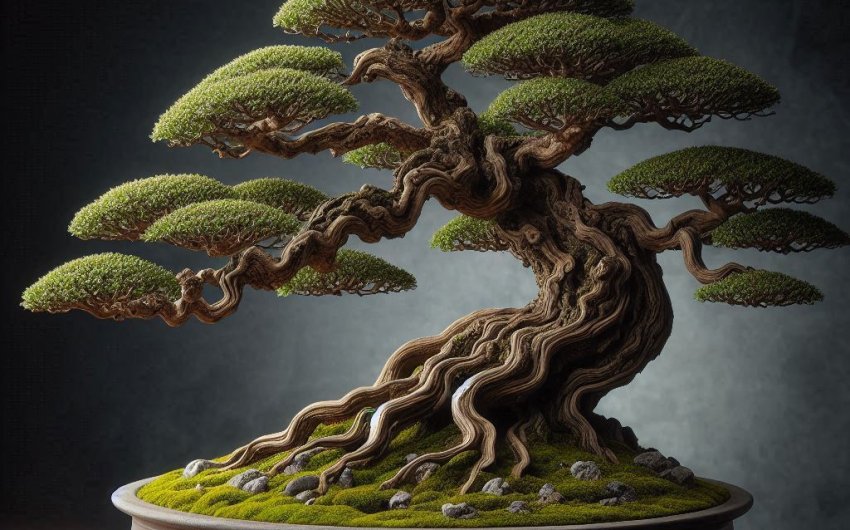
The art of bonsai is a journey of patience, observation, and meticulous care, with bonsai pruning standing as its most fundamental and transformative technique. Far from simply snipping branches, it's a living sculpture, shaping a miniature tree to reflect the grandeur of nature. For newcomers, the idea of cutting into a cherished miniature can feel daunting, but with a clear beginner guide to bonsai pruning, you'll discover the rewarding path to creating breathtaking, living works of art.
Why is Pruning Essential for Bonsai?
Bonsai pruning is not just about aesthetics; it's a vital horticultural practice that ensures the health, vigor, and characteristic miniature form of your tree. Without regular and thoughtful pruning, a bonsai would quickly revert to its natural, larger size and lose its intended artistic shape.
Does Pruning Keep Bonsai Small?
Yes, absolutely. The primary reason for consistent bonsai pruning is to keep the tree small and maintain its compact, miniature size. Unlike regular trees that grow continuously larger, a bonsai's growth is intentionally restricted, and pruning is the main tool for this.
When you prune branches and foliage, you're not just removing plant material; you're redirecting the tree's energy. Every cut signals the tree to produce new growth, but in a more compact and refined manner.
- Deciduous Trees: For deciduous trees (those that lose their leaves in winter, like maples or elms), pruning encourages the development of smaller leaves and a denser ramification (more fine branches). When you remove larger leaves, the tree often produces smaller ones in their place.
- Conifers: For conifers (evergreens like pines or junipers), pruning helps maintain their needle pads and scale-like foliage density.
Without regular pruning, the tree would continue its natural growth pattern, producing larger leaves and extending branches, quickly outgrowing its pot and losing its bonsai aesthetic. Pruning is the continuous process that balances the tree's natural tendency to grow with the artistic goal of miniature representation.
How Does Pruning Improve Bonsai Health?
Beyond size, bonsai pruning is crucial for improving the overall health and vigor of your tree. It's a way of managing the tree's energy and ensuring that resources are directed where they are most beneficial.
- Promotes Air Circulation and Light Penetration: By removing overcrowded branches and inner foliage, pruning allows for better airflow through the canopy. This reduces the risk of fungal diseases (like powdery mildew) that thrive in damp, stagnant conditions. Improved light penetration ensures that inner leaves receive enough sunlight for photosynthesis, promoting balanced growth throughout the tree.
- Redirects Energy: When you remove weak, damaged, or undesirable branches, the tree's energy (nutrients and hormones) is redirected to stronger, more desired parts of the tree. This promotes more vigorous growth in the areas you want to develop, such as new branches or finer ramification.
- Removes Dead or Diseased Wood: Pruning allows you to regularly inspect and remove any dead, diseased, or damaged branches. This prevents the spread of disease, eliminates potential entry points for pests, and maintains the tree's overall hygiene.
- Balances Growth: Trees naturally grow more vigorously at their tops (apical dominance). Pruning the top and outer branches encourages more growth in the lower and inner parts of the tree, creating a more balanced and proportioned miniature.
Regular, thoughtful bonsai pruning is a proactive measure that keeps your tree robust, less susceptible to problems, and visually stunning.
Does Pruning Shape the Bonsai's Form?
Indeed, the most artistic aspect of bonsai pruning is its role in shaping the tree's form. This is where the gardener transforms a living plant into a miniature representation of a mature tree found in nature, guided by traditional bonsai styles.
Pruning allows you to:
- Establish Primary Branches: You decide which major branches will form the tree's basic structure, carefully selecting their placement and angle to create a sense of age and balance.
- Develop Secondary and Tertiary Branches: Through repeated pruning, main branches are subdivided into finer, more delicate twigs, creating the dense, intricate canopy that is characteristic of bonsai.
- Create Visual Movement and Balance: Pruning helps create visual depth and a sense of movement within the tree. You might remove branches that cross, point straight up or down, or detract from the overall flow. It's about opening up space and ensuring that the tree looks balanced from all angles.
- Enhance Aesthetics: Removing excessive foliage reveals the tree's trunk and major branches, highlighting its structure and elegance. It creates the illusion of age and maturity in a small form.
Every cut in bonsai pruning is a deliberate decision, contributing to the evolving artistic vision. It's a dialogue between the tree's natural tendencies and the artist's guiding hand, slowly sculpting a living masterpiece. For specific styles, consulting a bonsai style guide can be very helpful.
What Are the Basic Pruning Techniques?
Bonsai pruning involves a few fundamental techniques that, once understood, become your primary tools for shaping and maintaining your miniature tree. Mastering these basics is essential for any beginner guide to bonsai pruning.
What is Structural Pruning?
Structural pruning, also known as formative pruning or major pruning, is the foundational type of bonsai pruning that establishes the tree's basic shape and outlines its future development. It involves making significant cuts to branches and sometimes even the trunk to achieve the desired silhouette and style.
Structural pruning is usually done less frequently than maintenance pruning, perhaps once every few years or even longer, depending on the tree's growth and your artistic vision. It's best done when the tree is dormant or less active, often in late winter or early spring before new growth begins, as this minimizes stress and sap bleeding.
Goals of Structural Pruning:
- Eliminating Unwanted Branches: Removing large branches that are too thick, poorly placed, crossing, or growing in an undesirable direction (e.g., straight up, straight down, or into the trunk).
- Establishing Primary Branch Placement: Deciding where the main branches will emerge from the trunk and their general angle and length.
- Creating Taper: Promoting a natural reduction in branch thickness as they extend from the trunk, mimicking mature trees.
- Reducing Trunk Height (if needed): In some cases, the top of the trunk might be cut back significantly to reduce the tree's height and encourage lower branching, creating a new leader (apical bud).
Because these are major cuts, using the right tools, like sharp bonsai concave cutters, is essential to ensure clean wounds that heal well. While daunting for a beginner, structural pruning is what truly defines the core artistic character of your bonsai.
What is Maintenance Pruning?
Maintenance pruning, also known as refinement pruning or detail pruning, is the ongoing, regular type of bonsai pruning that you will perform frequently throughout the growing season. Its purpose is to maintain the established shape, encourage ramification (branching), and ensure the tree remains healthy and vigorous.
Unlike structural pruning, maintenance pruning involves removing smaller amounts of foliage and thin branches. This can be done weekly, bi-weekly, or monthly, depending on the tree's growth rate and the specific species. It's often performed with smaller bonsai scissors or even your fingers (for soft new growth).
Goals of Maintenance Pruning:
- Foliage Density and Ramification: Pinching back or cutting new shoots encourages two new shoots to grow from the cut point, leading to a denser pad of foliage and finer branching over time.
- Size Reduction: Regularly shortening new growth helps keep leaves and needles small and maintains the overall miniature size of the tree.
- Light and Air Circulation: Removing excessive growth, especially in the interior of the tree, ensures that light and air can penetrate all parts of the foliage.
- Directing Growth: Removing shoots growing in unwanted directions (e.g., crossing other branches, growing straight up or down) keeps the tree's shape clean and refined.
- Removing Spent Flowers/Fruits: For some flowering or fruiting bonsai, removing faded blooms or excess fruit can redirect energy to overall tree health and future blooms.
Maintenance pruning is the continuous dance of refinement that keeps your bonsai looking its best and progressing towards artistic perfection.
What is Decandling (for Pines)?
Decandling is a specialized bonsai pruning technique specifically used for two-needle pines (like Japanese Black Pine or Japanese Red Pine) to achieve finer ramification, more even vigor, and shorter needles. It's a unique and crucial technique for these particular species.
Pine trees produce new growth in spring called "candles" – these are upright, unextended shoots that look like candles. Decandling involves removing most or all of these new candles at a specific time, usually in early summer after the spring growth has hardened off.
How Decandling Works:
- Selection: Identify all the candles on a branch.
- Removal: Depending on the desired result (strengthening weak areas, balancing strong areas), you might remove all candles, or leave one or two in weaker areas. Stronger candles are removed completely, while weaker ones might be left longer or entirely.
- Second Flush: After decandling, the pine tree will produce a "second flush" of growth in late summer or fall. This new growth will have shorter needles and more compact branching, contributing to the refined appearance of bonsai pines.
Decandling is complex and timing is critical for success. Doing it incorrectly can weaken or even kill a pine bonsai. For a beginner guide to bonsai pruning specifically for pines, it's recommended to study pine bonsai care books or consult with an experienced pine bonsai artist before attempting this technique. It's an advanced step in the world of bonsai.
What Tools Do I Need for Bonsai Pruning?
Having the right tools is essential for effective and healthy bonsai pruning. Using dull or incorrect tools can damage your tree, lead to poor healing, and make the process more frustrating. Investing in good quality bonsai tools is a worthwhile endeavor for any enthusiast.
What are Bonsai Concave Cutters?
Bonsai concave cutters are perhaps the most iconic and indispensable tool for bonsai pruning, particularly for making larger, structural cuts. They are distinct from regular garden pruners due to their unique concave (curved inward) blade design.
When you make a cut with standard flat-blade pruners, they leave a flat wound. While this is fine for regular gardening, on a bonsai, a flat cut will heal over with a visible lump of scar tissue that detracts from the tree's aesthetic.
How Concave Cutters Work: The concave blades of these cutters allow you to make a cut that removes a small circular "cup" of wood from the branch. As the tree heals, new callus tissue grows over this concave wound, eventually filling it in smoothly. This results in a much cleaner, less noticeable scar that blends seamlessly with the trunk or branch, maintaining the natural appearance of the bonsai. Good quality bonsai concave cutters are made from high-carbon steel for sharpness and durability.
When to Use Concave Cutters:
- Removing major branches.
- Cutting back stumps or large stubs.
- Making cuts that you want to heal invisibly.
Mastering the use of concave cutters is a key skill in bonsai pruning, enabling you to maintain the refined aesthetics of your tree.
What are Bonsai Shears/Scissors?
Bonsai shears or scissors are the workhorse tools for everyday bonsai pruning and refinement. They are typically smaller and more delicate than concave cutters, designed for precision cuts on thinner branches, twigs, and leaves.
These shears come in various styles, but most feature long, narrow blades that allow you to reach into dense foliage without damaging surrounding growth. They are sharp and precise, making clean cuts that heal quickly. A basic set of bonsai shears is essential for beginners.
When to Use Bonsai Shears/Scissors:
- Foliage Pruning: Trimming leaves, pinching back new shoots, or defoliating deciduous trees.
- Small Branch Removal: Cutting thin twigs and small branches up to about 1/4 inch in diameter.
- Detail Work: Refining the outline of foliage pads.
- Root Pruning: When repotting, specific root shears are also available, which are robust enough for cutting thick roots.
Keeping your bonsai shears sharp and clean is important. Dull blades can crush stems, leading to poor healing and potential disease. Regularly wipe them down with rubbing alcohol to sterilize them, especially after working on multiple trees.
Do I Need Cut Paste?
Bonsai cut paste is a specialized product designed to protect pruning wounds on larger branches and the trunk of your bonsai. While not strictly essential for every small cut, it's highly recommended for significant cuts, especially on older or more valuable trees.
When a large branch is removed during bonsai pruning, the exposed woody tissue is vulnerable to drying out, infection from fungi or bacteria, and attack by pests. Cut paste (also known as cut sealer or wound sealant) creates a protective barrier over the wound. You can find bonsai cut paste in various forms, often a thick, putty-like substance.
Benefits of Using Cut Paste:
- Prevents Drying Out: Keeps the exposed wood moist, which helps the callus tissue (the new growth that heals the wound) form more quickly and efficiently.
- Reduces Infection Risk: Forms a physical barrier against pathogens and pests.
- Promotes Callus Formation: Some pastes contain growth hormones that encourage faster healing.
- Reduces Sap Bleeding: Particularly useful for species that bleed a lot of sap after pruning (e.g., maples, figs).
When to Use Cut Paste:
- For any cut larger than a pencil eraser in diameter.
- On important structural cuts or trunk cuts.
- For species known to bleed heavily or heal slowly.
- After repotting major root cuts (though a specific root sealing paste may be better).
Apply a thin, even layer of cut paste over the entire surface of the wound immediately after pruning. While some debate its necessity, many experienced bonsai artists swear by it for clean, healthy wound closure, ensuring the longevity and beauty of their trees.
What is the Difference Between Deciduous and Conifer Pruning?
While the basic principles of bonsai pruning apply to all trees, the specific timing and techniques vary significantly between deciduous trees and conifers due to their different growth habits. Understanding these differences is crucial for a successful beginner guide to bonsai pruning.
How Do I Prune Deciduous Bonsai?
Deciduous bonsai (like maples, elms, birches, or hornbeams) lose their leaves in autumn and remain bare through winter. Their growth habits are characterized by strong spring growth, larger leaves, and the ability to produce new buds from older wood.
Key Pruning Techniques for Deciduous Bonsai:
- Structural Pruning (Winter Dormancy): The best time for major structural cuts (removing large branches, trunk chops) is when the tree is dormant in late winter or early spring, just before bud swell. This minimizes sap loss and stress, and the tree's energy is stored in the roots, ready to push strong new growth. Use bonsai concave cutters for clean wounds.
- Maintenance Pruning (Growing Season):
- Pinching/Tip Pruning: Throughout the spring and summer, regularly pinch back or cut new shoots that are growing too long. This encourages ramification (more fine branches) and smaller leaves. Cut back to 1-2 sets of leaves/buds depending on the desired density.
- Defoliation (Partial or Full): For some vigorous deciduous species, partial or full defoliation (removing all or most leaves) in early to mid-summer can be performed. This forces the tree to produce a new flush of smaller leaves and stimulates back-budding. This is an advanced technique and should only be done on very healthy, vigorous trees. Use small bonsai leaf shears.
- Removing Suckers and Water Sprouts: Regularly remove any suckers (shoots growing from the base of the trunk or roots) and water sprouts (vigorous upright shoots from main branches), as these detract from the tree's form and steal energy.
The goal with deciduous bonsai pruning is to create a dense, fine branch structure with small leaves that provide a full, natural-looking canopy in summer and an intricate skeletal structure in winter.
How Do I Prune Conifer Bonsai?
Conifer bonsai (like pines, junipers, spruces, or cedars) are evergreens, retaining their needles or scale-like foliage year-round. Their growth habits are generally slower and more deliberate than deciduous trees, and they often do not bud back from old wood. This makes their pruning requirements quite different.
Key Pruning Techniques for Conifer Bonsai:
- Structural Pruning (Early Spring/Late Summer): Major structural cuts on conifers are often done in early spring (before the major growth push) or late summer/early fall, allowing time for the tree to recover before winter. Pines, especially, have specific timings for these larger cuts. Avoid cutting into old, bare wood on many conifers, as they rarely back-bud from those areas.
- Maintenance Pruning (Year-Round, Species Dependent):
- Pinching Candles (Pines): As mentioned with decandling, new spring growth ("candles") on pines is managed through pinching or decandling to control needle length and promote ramification. This is typically done in late spring/early summer. Use your fingers or specialized pine shears.
- Tip Pruning/Plucking (Junipers, Spruces, Firs): For junipers, new growth is often pinched or plucked to maintain density. Avoid using scissors on junipers as it can leave brown, unsightly cut marks on the scale-like foliage. For spruces and firs, new buds are often pinched back or new candles are shortened.
- Needle Plucking (Pines): Old or excessively long needles on pines are often plucked (pulled off) to balance vigor and allow light into the interior. This helps create a more balanced and compact tree.
- Removing Yellowing/Dead Needles: Regularly remove any yellowing, browning, or dead needles to improve air circulation and appearance.
Patience is key with conifer bonsai pruning, as their growth and healing are slower. Understanding the specific needs of your conifer species is paramount for success in this facet of bonsai pruning.
What Are Common Pruning Mistakes for Beginners?
For anyone embarking on a beginner guide to bonsai pruning, mistakes are a part of the learning process. However, being aware of common pitfalls can help you avoid serious setbacks and ensure your bonsai thrives rather than struggles.
Is Over-Pruning a Problem?
Yes, over-pruning is a very common and potentially fatal mistake for beginners in bonsai pruning. While pruning is essential, doing too much too soon can severely weaken or even kill your tree.
Signs and Risks of Over-Pruning:
- Exhaustion: When you remove too much foliage at once, especially on a tree that isn't extremely vigorous, you're removing its ability to photosynthesize (make food). The tree can't generate enough energy to recover and produce new growth.
- Stunted or Weak Growth: Instead of pushing strong new shoots, the tree might produce only weak, spindly growth, or none at all.
- Dieback: Severely over-pruned branches or even entire sections of the tree can die back.
- Increased Vulnerability: A stressed, over-pruned tree is much more susceptible to pests and diseases.
- Loss of Aesthetics: Taking off too much can destroy the carefully cultivated shape and set back your artistic vision for years.
How to Avoid Over-Pruning:
- Less is More: When in doubt, make fewer cuts. You can always remove more later, but you can't put it back.
- Prune in Stages: If a tree needs significant structural work, spread the major cuts over several months or even years, allowing the tree to recover between stages.
- Know Your Species: Understand the vigor and resilience of your specific tree species. Some (like elms) can tolerate more aggressive pruning than others (like many conifers).
- Prioritize Health: Never prune a sick or weak tree. Ensure it is healthy and vigorous before undergoing significant cutting.
- Understand Energy Flow: Remember that strong areas push strong growth. If you only prune the top, the bottom can become weak. Balance is key.
Patience and a cautious approach are vital for a successful beginner guide to bonsai pruning. It's a marathon, not a sprint.
What Happens if I Don't Prune at All?
While over-pruning is a danger, not pruning at all is equally detrimental to a bonsai and will completely undermine its purpose and health. A lack of bonsai pruning quickly leads to a tree that looks nothing like a miniature version of nature.
Consequences of No Pruning:
- Loss of Miniature Size: The tree will grow to its natural, larger size, outgrowing its pot and losing the illusion of a full-sized tree.
- Large, Coarse Foliage: Leaves or needles will revert to their natural, larger size, disproportionate to the miniature form.
- Lack of Ramification: Without pinching and trimming, branches will become long, leggy, and sparse, with very few fine twigs. The dense canopy will disappear.
- Poor Health:
- Reduced Air Circulation: Dense, unpruned foliage leads to stagnant air, increasing the risk of fungal diseases.
- Reduced Light Penetration: Inner foliage and lower branches become shaded out, leading to yellowing and dieback from lack of photosynthesis. This makes the interior of the tree bare.
- Weak Lower Branches (Apical Dominance): Without pruning the top, the tree's energy will be concentrated at the apex, causing the lower and inner branches to weaken and eventually die. This results in a top-heavy, unbalanced tree.
- Loss of Artistic Form: The carefully created shape will be lost as the tree grows wildly, and disproportionate branches will emerge, ruining the aesthetic.
A bonsai is a living sculpture that requires continuous attention to maintain its artistic form and health. Regular bonsai pruning is not optional; it is the essence of the art.
How Does Wiring Relate to Pruning?
While not a pruning technique itself, wiring is intimately related to bonsai pruning and is another fundamental shaping technique. In a complete beginner guide to bonsai pruning, it's important to understand how these two methods work hand-in-hand to achieve the desired artistic form.
Wiring involves wrapping annealed (softened) copper or anodized aluminum wire around branches and the trunk, and then bending them into desired positions. The wire holds the branch in its new position until the wood hardens and "remembers" the new shape.
How Pruning and Wiring Work Together:
- Pruning Sets the Foundation: Structural pruning first establishes the main branches and overall silhouette of the tree.
- Wiring Refines the Shape: Once the main structure is set by pruning, wiring is used to position individual branches and twigs precisely within that framework. You can create curves, dips, or upright movements that cannot be achieved through pruning alone. For example, you might prune a branch to a certain length, then wire it to give it an elegant downward curve.
- Directing Future Growth: After wires are removed (usually once the branch holds its shape, from a few months to a year or more), subsequent pruning helps to maintain that wired shape and further refine the foliage pads that develop along the wired branches.
- Achieving Movement and Depth: Pruning removes unwanted growth that would interfere with wired lines, and wiring places branches in a way that creates visual depth and natural flow.
You'll need a set of bonsai wiring tools to handle the different wire gauges. The combination of thoughtful bonsai pruning and precise wiring allows for the creation of intricate, natural-looking miniature trees that embody the essence of the art form. Both are essential for any serious bonsai enthusiast.
Embarking on the journey of bonsai pruning is both a technical skill and a creative expression. As this beginner guide to bonsai pruning has shown, it's the continuous dance of cutting and shaping that defines the miniature artistry of bonsai, ensuring not only its iconic small stature but also its robust health and enduring beauty. With the right tools, an understanding of basic techniques, and a patient eye for your tree's natural growth, you can confidently wield your shears and transform a simple sapling into a captivating, living masterpiece, deepening your connection to this ancient and rewarding art form.